Aeonium Care: Light, Water and the Summer Slowdown
Aeonium care in plain steps: bright light, how often to water, what a closed rosette means, when to behead a leggy plant, and how to root the cutting.

At a glance
Here is the whole routine. Give an aeonium the brightest window you have. Water deeply, then wait until the soil is completely dry before you water again. Use a fast-draining mix in a pot with drainage holes. Keep it cool and nearly dry in winter. Ease off in the heat of summer, when it slows down on purpose. Cut the top off when the stem gets long and bare, and root it to make a new plant.
The part that confuses people is the calendar. Most houseplant succulents grow in summer and rest in winter. Aeoniums are the reverse in many climates. They put on their main growth in the cooler months and slow down when it gets hot. A plant that looks like it is dying in July is often just doing what it was built to do. Once you know that, the rest is easy.
One thing up front. Palma does not sell aeoniums, so this guide is care advice only. We wrote it because the questions keep coming and the answers online contradict each other, especially on summer watering and indoor light. Where sources disagree, we say so.
Quick care summary
| Aeonium | |
|---|---|
| What it is | Tree-like succulent that forms rosettes of waxy leaves on branching stems |
| Light | Very bright; full sun in cool months, afternoon shade in hot ones |
| Water | Deeply, then let the soil dry out fully; far less in winter |
| Soil | Very porous, fast-draining; cactus mix, or potting mix cut 50:50 with perlite or pumice |
| Temperature | Cool winter rest near 50 degrees F; frost-tender; bring in before nights drop below 40 degrees F |
| Growth season | Mainly the cool seasons; slows in summer heat |
| Feeding | Light; a few times in the growing season at most |
| Propagation | Stem-top cuttings; some types also by offsets or seed |
| Pets | Pet safety not confirmed; see the pet note |
What an aeonium is
Aeonium is a genus of succulents, and the shape is the giveaway. Each stem ends in a flat or cupped rosette of fleshy leaves, a bit like a large, open flower made of leaves. Older leaves at the base die back and drop, leaving a bare stem below the rosette. That is normal. It is also how an aeonium turns into a small tree over the years.
Size depends on the type and the pot. University extension notes describe the tall arboreum types reaching about 3 feet, and the rosettes themselves reaching about 6 inches across. In a pot indoors, most stay at roughly half that height or less. Some species stay compact and low.
There are many varieties. The dark purple ones, such as the one sold as Zwartkop, get the most attention, and green and variegated types are common too. The care below applies across the group. Dark-leaved types usually color best in bright light, and they are a good visual signal that your light is right. Cultivars do differ in how much cold they take, so check the tag on yours.
Who it suits: anyone with a bright window who likes a sculptural plant and does not mind reading its mood. It does not suit a dim room, a drafty entryway, or a person who waters on a fixed schedule.
Light for an aeonium
Aeoniums want a lot of light. University of Wisconsin extension says indoors the plant works only where light is very bright. UC Marin Master Gardeners say much the same: plenty of bright light, and a spot with morning sun and afternoon shade grows them well.

In practice that means a south-facing window, or a west or east window with nothing in the way. A spot a few feet back from a window that looks bright to you may be dim for a succulent. If your aeonium is stretching toward the glass, with wide gaps between leaves and a pale, loose rosette, it is asking for more light.
Light also changes with the season. Arkansas extension advises full sun during the cooler months and a move to afternoon shade by July and August. Indoors, that can be as simple as sliding the pot back from a hot west window in summer, or hanging a sheer curtain across it. Hot sun through glass in the afternoon can scorch leaves.
To check how much light a spot actually gets, try our houseplant light calculator. It takes the guesswork out of "bright".
The aeonium growing calendar
This is the part most guides skip, and it explains most "what is wrong with my aeonium" questions.

In their native range, aeoniums are summer-dormant. Arkansas extension says this directly, and warns against overwatering for that reason. UC Master Gardeners describe the same pattern across many succulents: some grow in summer, others in the cooler months and rest when it is hot. The growth you actually see depends on where you live and how warm your house is, which is why the advice varies. Wisconsin extension notes that in its cooler conditions the plant grows year round instead of going dormant.
So a good working model for an indoor plant in most US homes looks like this.
- Autumn through spring: the main growing season. Bright light, regular deep watering when the soil dries, and the best time to see new rosette growth.
- Summer: a slowdown. Growth stops or crawls, and the plant needs less water.
- Winter: cool and quiet. Very little water. This is also when some types send up flower stalks.
Treat this as a guide, not a rule. If your home stays cool through summer, your plant may keep growing. If it runs hot, expect a slowdown.
### Summer slowdown: signs to look for
A slowing aeonium usually shows three signs.
- The rosettes tighten and cup upward, with the leaves closing toward the center.
- The center darkens or looks compressed.
- Lower leaves dry up and drop faster than usual.
A closed rosette is not automatically a problem. It is how the plant cuts down on water loss in heat. What matters is what else is going on. A tight rosette in a hot room, with firm leaves and dry soil, is a plant resting. A tight rosette with mushy, translucent leaves and wet soil is a plant that has been overwatered, and that needs action.
### How to ease it
Do these things, and little else.
1. Move the plant out of hot afternoon sun. Afternoon shade by July and August is the extension advice. 2. Water less, and check the soil first. Sources disagree here. Some growers keep the plant almost dry through summer, and others water lightly. The cautious middle path is to reduce watering and only water when the soil is fully dry, then give a modest drink. 3. Do not feed. The plant is not growing, so fertilizer has nowhere to go. 4. Do not repot or behead in the heat. Wait for cooler weather. 5. Be patient. As temperatures drop in autumn, a healthy plant opens up again and puts on growth.
Watering and soil
### How to water
Wisconsin extension gives the clearest rule: water deeply during the growing season, and let the soil dry out fully between waterings. Both parts matter. Deep means water until it runs out of the drainage holes. Fully dry means the whole pot, not just the top inch.
There is no honest weekly schedule. A small pot in a bright window in spring may dry in a week. A bigger pot in a cool room in winter may take a month. Check by pushing a finger or a wooden skewer into the soil. If it comes out damp, wait.
Arkansas extension suggests keeping the soil moderately moist, never wet, during the growing season. That is a fair reading for plants in warm, bright conditions that dry quickly. If you are unsure, err toward dry. A thirsty aeonium recovers fast. A rotted one does not.
Reduce watering toward the end of the growing season, and in winter give only enough to keep the leaves from shriveling. Arkansas extension puts that at about once a month. Treat once a month as a starting point and watch the leaves.
Empty any saucer a few minutes after watering. A pot that sits in water is the most common way to lose an aeonium.
### Soil
Use very porous, fast-draining soil. Wisconsin extension recommends a commercial cactus mix or a high-porosity soilless mix for containers. If you only have standard potting mix, blend it 50:50 with perlite or pumice to improve drainage.
A test: water the pot and watch. If water pools on top and takes minutes to sink in, the mix is too dense for an aeonium.
### Repotting
Wisconsin extension says to repot when the plant becomes pot-bound, at the start of new growth, into a slightly larger pot. For an aeonium, that points to early autumn or late winter rather than the heat of summer. Slide the plant out, shake off the old soil, set it at the same depth in fresh fast-draining mix, and wait a few days before the first watering.
### Feeding
Keep it light. Arkansas extension says to feed no more than two or three times during summer. Wisconsin extension does not cover feeding. Because aeoniums grow in the cool seasons in many homes, a light feed in autumn or spring growth is also reasonable. Always use less than the label says, and never feed a plant that is stressed or resting.
Temperature and winter care
Aeoniums are frost-tender. Arkansas extension says the plant has no frost tolerance and should come indoors before the first frost. Wisconsin extension gives a more precise rule for container plants: bring them inside before nighttime temperatures drop below 40 degrees F.
Winter is the rest period, and cool is better than warm. Both extension sources suggest keeping the plant around 50 degrees F at night and watering minimally. Few homes sit at 50 degrees, so aim for the coolest bright spot you have: a sunroom, an entryway window that stays above freezing, or a window with a gap between the glass and the room. Keep the plant away from heating vents, which dry the air and push growth at the wrong time.
If your home is warm all winter, the plant will not die. It may grow a little leggier because warm winter days and low winter light do not match. Compensate with the brightest window you have and a light hand on the watering can.
Winter is also bloom season for some types. Wisconsin extension notes flower stalks appear in winter, and Arkansas extension notes small yellow star-shaped flowers on mature plants. The flowers are pretty, but there is a trade. Each rosette dies after it blooms. Branching types keep growing from side growth, but a single-stemmed type does not. If you want to keep a rosette, you can cut it before it blooms, as covered next.
Leggy plants: beheading and propagating
Every aeonium gets leggy eventually. The lower leaves die, the stem stretches, and the rosette ends up on a bare stick. Low light speeds this up. Beheading fixes it, and it gives you a free new plant.
### When to behead
Arkansas extension gives a time: late winter, when you cut off the terminal rosette. The reasoning holds up. The plant is cool and getting ready for spring growth, and the cut heals before the heat arrives. Wisconsin extension says to take cuttings in spring through summer. Those two sources do not agree exactly, so use the plant. If the weather is mild, the plant is not stressed by heat, and it is leggy, you can cut.
Cutting off terminal rosettes also keeps the plant smaller and delays blooming, per Wisconsin extension, so it works as maintenance as well as a fix.
### How to behead and root the cutting
1. Use a clean, sharp knife or pruners. 2. Cut the rosette off, leaving a few inches of stem on it. UC Marin Master Gardeners say to leave about 6 inches of stem on the cutting. A shorter stem works if the plant is short, and you can pull off the bottom leaves to expose more. 3. Let the cutting dry in a shaded spot. Marin gardeners say a couple of days. Wisconsin extension says at least three days to harden off. Go with three to be safe, until the cut end looks dry and calloused. 4. Plant the stem a couple of inches deep in quick-draining mix, such as cactus mix or potting soil with perlite. Wisconsin extension suggests sharp sand or a well-drained soilless mix for rooting. 5. Wait a bit before watering, then water lightly. Keep it in bright light, out of strong sun, until it roots. A gentle tug that meets resistance means roots.
### What happens to the stump
Leave the original plant in its pot. Arkansas extension says the old stub produces side shoots and a new top. Keep it in a bright spot, water sparingly, and within a few weeks to a couple of months you should see buds along the stem. You end up with two plants, or a branching one.
One note: unbranched types grow only from seed, per Wisconsin extension, so beheading them removes the only growing point. If you are not sure whether yours branches, look at it. If it has side shoots or has branched before, you can behead it. If it is a single unbranched stem, ask where you bought it.
Aeonium vs echeveria and other rosettes
People often swap these two. They are both rosette succulents from the same family, but they grow differently.
- Growth habit. Aeoniums grow on branching stems and become small tree shapes. Echeveria usually stays low, as a ground-hugging rosette that clumps by offsets.
- Season. Aeoniums grow in the cool seasons in many climates and slow in summer. Echeveria is generally treated as a plant that grows in warmer months and rests in winter. Check the grower or tag on your plant.
- Leaves. Aeonium leaves are thinner and softer, so they show water stress and heat stress sooner. They look less like stone.
- Water. Both want fast-draining soil and dry-out between drinks. An aeonium's soft leaves make it a little less forgiving of a long drought than a thick-leaved plant.
- Blooming. An aeonium rosette dies after it flowers. Many other rosette succulents survive flowering or form new rosettes around the base.
If your aeonium looks like it is shutting down when your echeveria is fine, that is the seasons talking, not an error. The same goes for how they react to cold, so do not assume the same winter temperatures suit both.
For basics common to all succulents, such as pot choice and general watering, read our succulent care guide. This guide stays on what is specific to aeonium. The succulents hub lists the rest.
Common problems
### Rosette closing or curling inward

Usually the summer slowdown or heat stress. Check the temperature, move the plant out of afternoon sun, and water only when the soil is dry. If the leaves are mushy, treat it as overwatering.
### Mushy stem or black base
Rot, from too much water or soil that stays wet. Remove the plant from the pot and check. If the stem base is soft and dark, cut above the rot into clean, firm tissue, let it dry for several days, and re-root it in dry, fast-draining mix. A plant with a fully rotted stem is hard to save, so take a cutting from the top.
### Pests
Check the leaf joints and the center of each rosette for mealybugs, which look like small white cottony tufts, and for aphids on new growth or flower stalks. Isolate the plant, wipe or rinse the pests off, and keep checking weekly.
A note for homes with pets
We couldn't confirm pet safety for this plant. Keep it out of reach of pets and ask your vet.
Related succulents for a similar window
If you like the idea of a low-fuss, bright-window succulent, Palma has a few in stock that share the same basic needs: bright light, fast-draining soil, and watering only when the pot is dry. They are different plants with their own care details, and they are not aeoniums.
- Succulent Haworthia Miami
- Succulent Haworthia Savanna
- Zebra Succulent
- Jade Plant (Crassula ovata)
- Elephant Bush (Portulacaria afra)
- Aloe Vera Plant
- Kalanchoe tomentosa 'Chocolate Soldier'
Check each plant's pet status on its own page. Do not assume an aeonium shares a neighbor's result, or the other way around.
For the full range, see the succulents hub. For how care shifts across the year, our seasonal houseplant care guide covers spring, summer, fall and winter.
Aeonium FAQ
Why is my aeonium closing up?
Most often it is the summer slowdown. Aeoniums grow mainly in the cool seasons, and in heat the rosette tightens to save water. Move the plant out of hot afternoon sun, water only when the soil is fully dry, and expect it to open again as temperatures cool.
How often should I water an aeonium?
When the soil has dried out completely, not on a calendar. In active growth that may be every week or two. In winter, give just enough to keep the leaves from shriveling, which can be as little as once a month.
Can aeoniums live indoors year round?
Yes, if you can give them very bright light. A south or west window is the usual answer. A dim room makes them stretch and lose their tight rosette shape.
When should I behead a leggy aeonium?
When the stem has grown long and bare. Extension sources suggest late winter, ahead of spring growth. Cut the rosette off with a few inches of stem, let the cut dry for a few days, then root it in well-drained mix.
Are aeoniums safe for pets?
We couldn't confirm pet safety for this plant. Keep it out of reach of pets and ask your vet.
The routine in short
Very bright light, with afternoon shade in the hottest months. Water deeply, then wait for the soil to dry out fully. Fast-draining mix and a drainage hole. A cool, nearly dry winter. A quiet, lighter-watered summer. Behead when the stem goes bare, and root the top. Your next step is easy: look at your plant today, decide whether it is growing or resting, and set your watering to match.
Nick Alan is the founder of Palma and has grown plants for 25+ years. He writes the shop's care guides and built the watering, soil and light tools.
View author profilePlants to grow next
Easy-care plants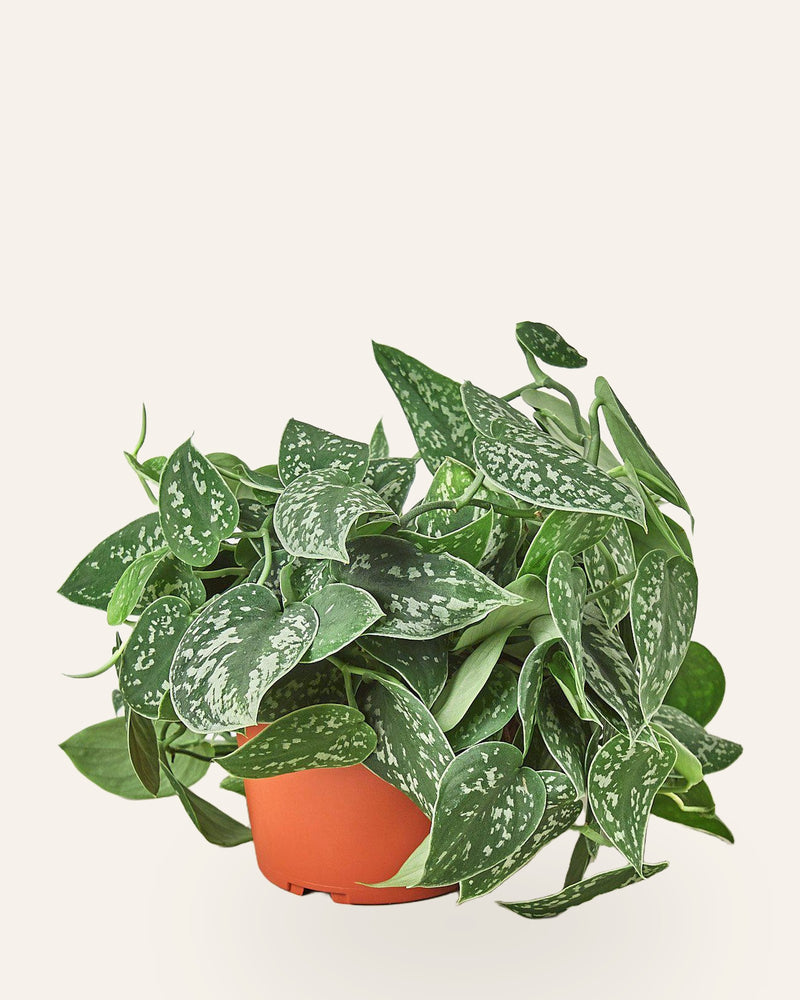
Satin Pothos
Scindapsus pictusPot fit: 4" or 6" nursery potWater after the top 1 to 2 inches of soil have dried
from $28.99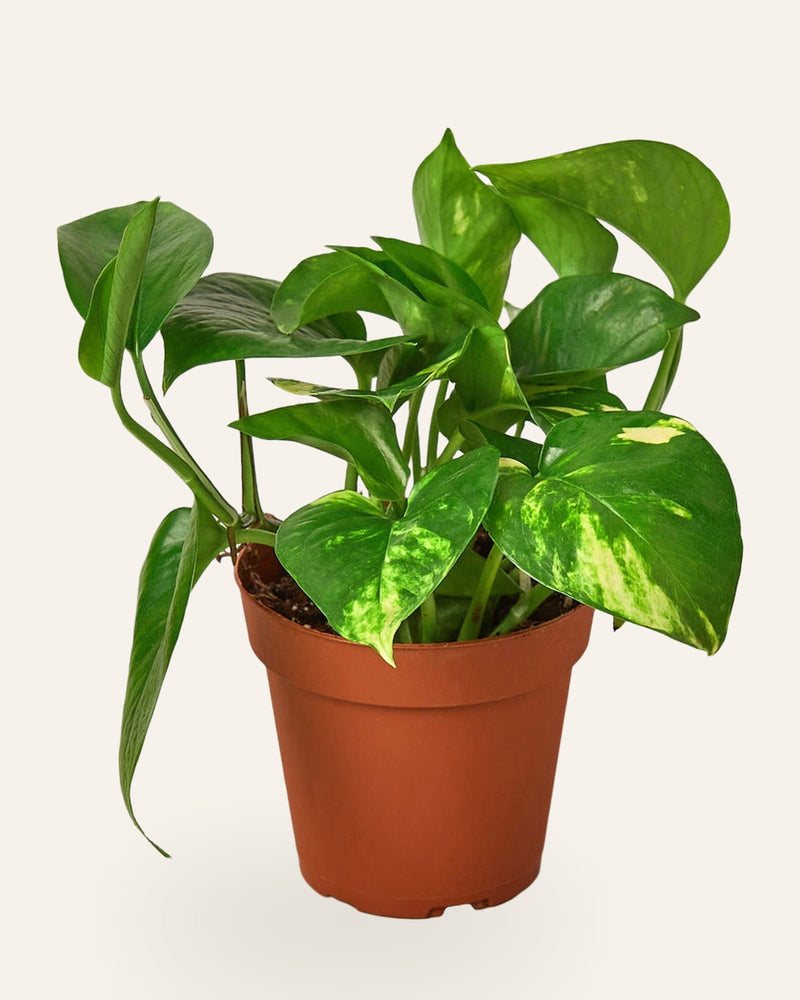
Golden Pothos
Epipremnum aureumPot fit: 4" or 6" nursery potWater when the top 2 inches of soil are dry, then drain fully
from $25.99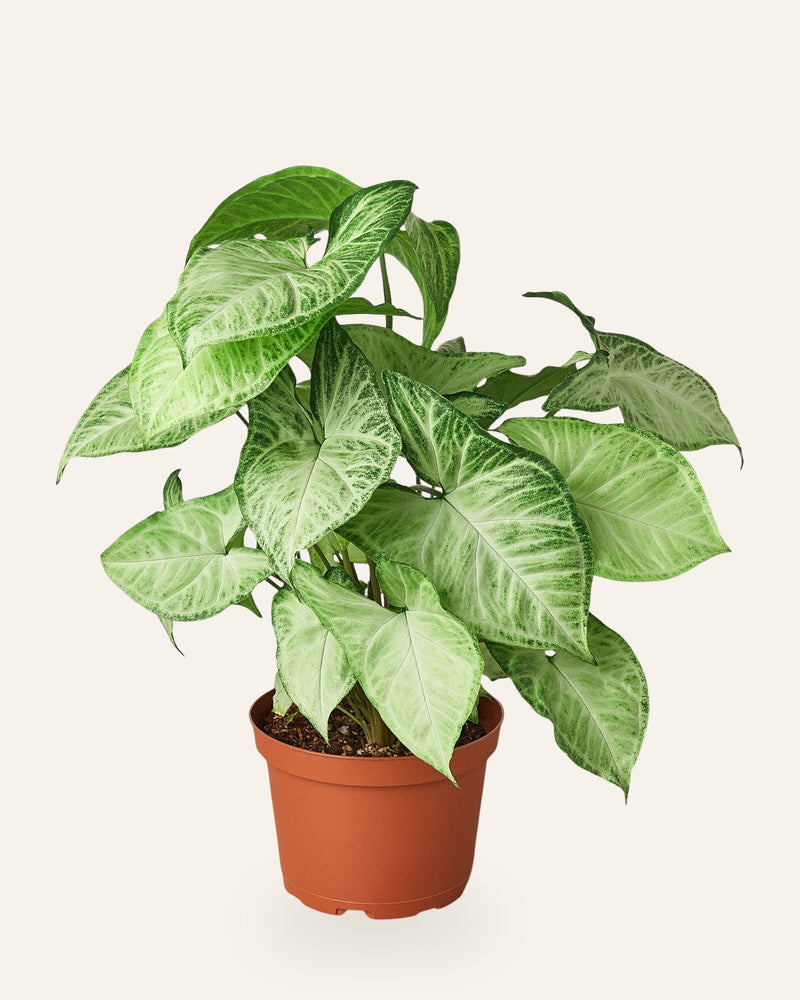
Arrowhead Plant 'White Butterfly'
Syngonium podophyllum 'White Butterfly'Pot fit: 3", 4" or 6" nursery potWater when the top inch of soil is dry
from $24.99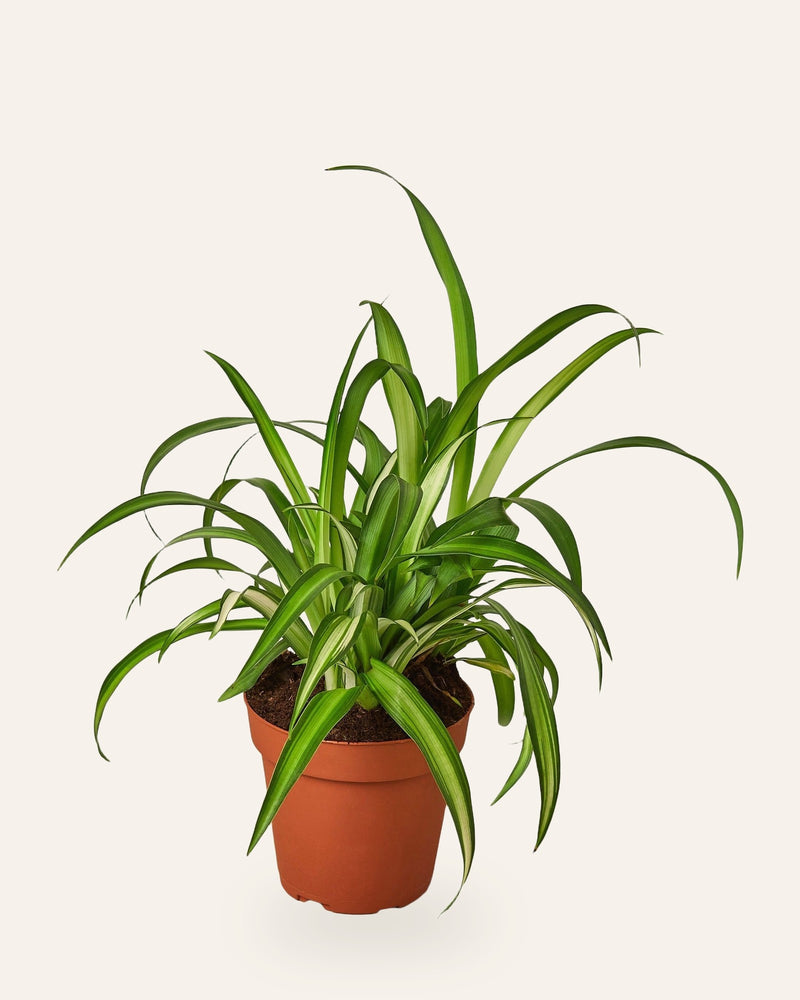
Hawaiian Spider Plant
Chlorophytum comosum 'Hawaiian'Pot fit: 4" nursery potWater when the top inch of soil is dry
$24.99Keep going with the care library
Care pages by plant, plus the watering and light calculators and the plant doctor.
More from the Journal
All Journal articles
How to Grow Hoya: Propagation, Blooms and Problems
Start a hoya cutting, root it in water or mix, coax out blooms and fix yellow, dropping or wrinkled leaves. A practical gu...
Hoya Care: Light, Water, Soil and Blooms
How to care for a hoya: the right light, when to water, a chunky mix, and how to get it to bloom. Plus the varieties we ca...
Best Houseplants for the Kitchen (That Survive Steam, Heat and Dim Corners)
Which houseplants cope with kitchen steam, heat and dim corners? Nine easy picks, where to put them, a simple routine and ...