How to Care for Succulents: Light, Water and Soil
How often to water succulents, why succulents die and how to fix it, plus care notes for the most popular types.

At a glance
Water most indoor succulents every 1 to 3 weeks in spring and summer and every 3 to 6 weeks in winter, but only when the soil is dry all the way down. Soak the pot until water runs out the drainage hole, then let it dry again. Succulents store water in their leaves and stems, so they handle dry spells well. Almost every succulent that dies indoors dies the same way: too much water, too little light, or soil that never dries out.
This guide covers the rules that work for most succulents, a watering schedule, a symptom table for a struggling plant, and short notes on the most popular types.
The Four Rules That Cover Most Succulents
- Give them bright light. A south or west window is best. Succulents stretch and go pale in dim light.
- Water deeply, then wait for the soil to dry. Soak the pot until water runs out the bottom, then wait until the soil is dry all the way down before watering again.
- Use fast-draining soil. A cactus or succulent mix, or regular potting mix with added perlite or pumice. Never use a heavy mix that holds water.
- Use a pot with a drainage hole. Water that sits at the bottom rots the roots.
Succulent Care Table
| Factor | Typical range | Notes |
|---|---|---|
| Light | Bright, direct or near-direct sun | Indoors, place within a few feet of a south or west window |
| Water | Every 1 to 3 weeks in spring and summer, depending on pot and light | Check the soil. Do not water on a schedule |
| Water in winter | Every 3 to 6 weeks, or less | Growth slows. Most succulents need far less |
| Soil | Fast-draining cactus or succulent mix | Add perlite or pumice if the mix is dense |
| Temperature | Most stay above about 50°F | Keep away from cold drafts and window glass |
| Humidity | Average home air is fine | Very humid rooms can cause rot |
| Pot | Drainage hole, one size up when repotting | Repot every two to three years or when roots fill the pot |
How Often to Water Succulents
There is no fixed schedule, because how fast the soil dries depends on light, pot, and season. Use the table as a starting point, then let the soil decide.
| Situation | Typical interval | Why |
|---|---|---|
| Spring and summer, bright window | Every 1 to 2 weeks | The plant is growing and the soil dries quickly |
| Spring and summer, lower light | Every 2 to 3 weeks | Less light means slower drying and less water used |
| Late autumn to late winter | Every 3 to 6 weeks, or less | Growth slows with short days. Water only enough to stop the leaves from shriveling |
| Terracotta pot | Check more often | Unglazed clay dries faster than plastic or glazed pots |
| No drainage hole | Repot instead | Water collects at the bottom and rots the roots |
How to Check Whether a Succulent Needs Water
Push a finger or a wooden chopstick about an inch into the soil. If it comes out dry, water. If it comes out damp, wait. Lift the pot too: a dry pot is noticeably lighter.
Leaves that look wrinkled or soft are a sign of thirst in most succulents, but not always. Check the soil before you water.
How to Water
Water at the soil, not over the leaves or into the center of a rosette. Keep going until water flows out of the drainage hole, then empty the saucer after a few minutes. Small, frequent sips are worse than one deep soak: they keep the top of the soil damp while the roots below stay dry.
Why Is My Succulent Dying?
Most struggling succulents are overwatered. Match what you see to the table, then fix the cause before you water again. For other houseplants, see our guide to why houseplants die.
| What you see | Likely cause | What to do |
|---|---|---|
| Soft, mushy, see-through, or black leaves at the base | Overwatering and root rot | Stop watering. Unpot the plant, cut away soft or dark roots and stems, let it dry for a few days, and repot in dry, fast-draining mix |
| Yellow leaves that feel soft | Too much water, often with poor drainage | Let the soil dry completely and check the pot has a working drainage hole |
| Wrinkled, thin, or deflated leaves on dry soil | Underwatering | Soak the pot thoroughly. Leaves usually plump up within a few days |
| Tall, leaning, pale growth with gaps between leaves | Too little light | Move to the brightest window you have or add a grow light. Stretched stems will not shrink, but you can cut and replant the top |
| White, tan, or brown patches on the sunny side | Sunburn after a sudden move into strong sun | Move back a little and increase light gradually. Marked leaves will not recover, but new growth will be clean |
| Lower leaves drying up one at a time | Usually normal ageing | Nothing, if the top of the plant stays firm. Pull off the dry leaves |
If the stem is soft all the way through, save what you can: cut off a healthy top or a few firm leaves and root them as described below.
Common Mistakes
- Overwatering. The most common cause of loss. Let the soil dry out completely between waterings.
- Too little light. The plant stretches, leans, and loses its compact shape.
- Cold, wet winters. Many succulents rot when the soil stays wet and the air is cool. Water less from late autumn to early spring.
- Repotting into a big pot. Extra soil holds water the roots cannot use.
How Big Do Succulents Get?
It depends on the type. Haworthia, lithops, and most echeverias stay small, often under 6 inches across indoors. A jade plant can become a shrub several feet tall over many years. String of pearls grows long trailing strands rather than height. If you want a plant to stay small, keep it in a snug pot and repot only when roots fill it.
The Most Popular Succulents
Jade Plant (Crassula ovata)

One of the most popular succulents, with thick, glossy leaves on woody stems. Give it bright light and let the soil dry fully between waterings. In winter, water sparingly. Jade plants can grow large over time, so repot only when roots fill the pot.
String of Pearls (Senecio rowleyanus)

Trailing strands of round, bead-like leaves. Give it bright light and water when the beads start to look slightly shriveled. Do not let the pearls sit in wet soil. A hanging pot shows the strands best.
Echeveria
Rosette-shaped succulents in many colors. Give them full sun to bright light and let the soil dry out fully. Water at the soil, not in the center of the rosette, to avoid rot.
Lithops (Living Stones)

Small, split-leaf plants that look like stones. They need full sun and very little water. Each year a new pair of leaves grows inside the old pair. While that happens, hold off watering until the old leaves have shriveled. Overwatering is the most common cause of loss.
Zebra Plant (Haworthiopsis fasciata)
A compact plant with striped leaves. It tolerates bright indirect light better than many succulents. Water when the soil is dry, and less in winter.
Haworthia

Small, compact rosettes that tolerate lower light than most succulents. Give bright indirect light and water when the soil is dry. Keep the crown dry.
Sedum
A large group of trailing and upright succulents. Give them bright light and water when the soil dries. Many sedums tolerate cold better than the other succulents here, but still keep them above freezing.
Crown of Thorns (Euphorbia milii)
A woody succulent with thorns and bright flowers. It needs bright light and water only when the soil is fully dry. The thorns and sap make it a plant to handle with care.
Elephant Bush (Portulacaria afra)
A woody succulent with tiny round leaves, often trained as a bonsai. Give it bright light and water when the soil is dry. It can drop leaves when stressed by overwatering or too little light.
Monkey Tail Cactus (Hildewintera colademononis)
A cactus with long, soft stems. Give it bright light and water when the soil is dry. In winter, keep it cooler and drier.
Growing Succulents From Cuttings and Leaves
Succulent cuttings and single leaves need a few days to a week to dry and form a callus before you plant them. Set the cutting or leaf on dry, fast-draining soil, wait until the cut end is dry, then water lightly once roots appear. Overwatering a fresh cutting is the usual reason it rots.
Winter Care
Most succulents slow down in winter. Keep them in the brightest spot you have, water only enough to stop the leaves from shriveling, and keep them away from cold window glass and drafts. If nights drop below about 50°F, bring the plant inside or move it away from the cold. Skip fertilizer until spring.
Succulent Care FAQ
How often should I water succulents?
Every 1 to 3 weeks in spring and summer and every 3 to 6 weeks in winter is typical indoors, but water only when the soil is dry all the way down. Pot, light, and season change the interval.
Why is my succulent dying?
Usually overwatering. Soft, mushy, or see-through leaves mean rot. Wrinkled leaves on dry soil mean thirst. Tall, pale growth means too little light. See the symptom table above for the fix.
How big do succulents get?
Most small indoor types, such as haworthia, lithops, and echeveria, stay under about 6 inches across. Jade plants can reach several feet over many years.
Where to Start
For a first succulent, choose one of the types above that matches your light. A south or west window suits most of them. Start with one plant, learn how fast its soil dries, and water from there.
Browse our succulents and hoya collection for plants in this guide.
Sources
- University of Minnesota Extension: Cacti and succulents
- University of Illinois Extension: Stepping into the world of succulents
- Clemson Cooperative Extension: Indoor cacti
- UC Marin Master Gardeners: Succulent care
Related plant care guides
- Why is my plant dying? A symptom-by-symptom guide
- Why do spider plants get brown tips and yellow leaves?
- Why is my peace lily turning yellow?
About the author: Nick Alan is the founder of Palma and has more than 25 years of experience growing plants.
Nick Alan is the founder of Palma and has grown plants for 25+ years. He writes the shop's care guides and built the watering, soil and light tools.
View author profilePlants to grow next
Succulents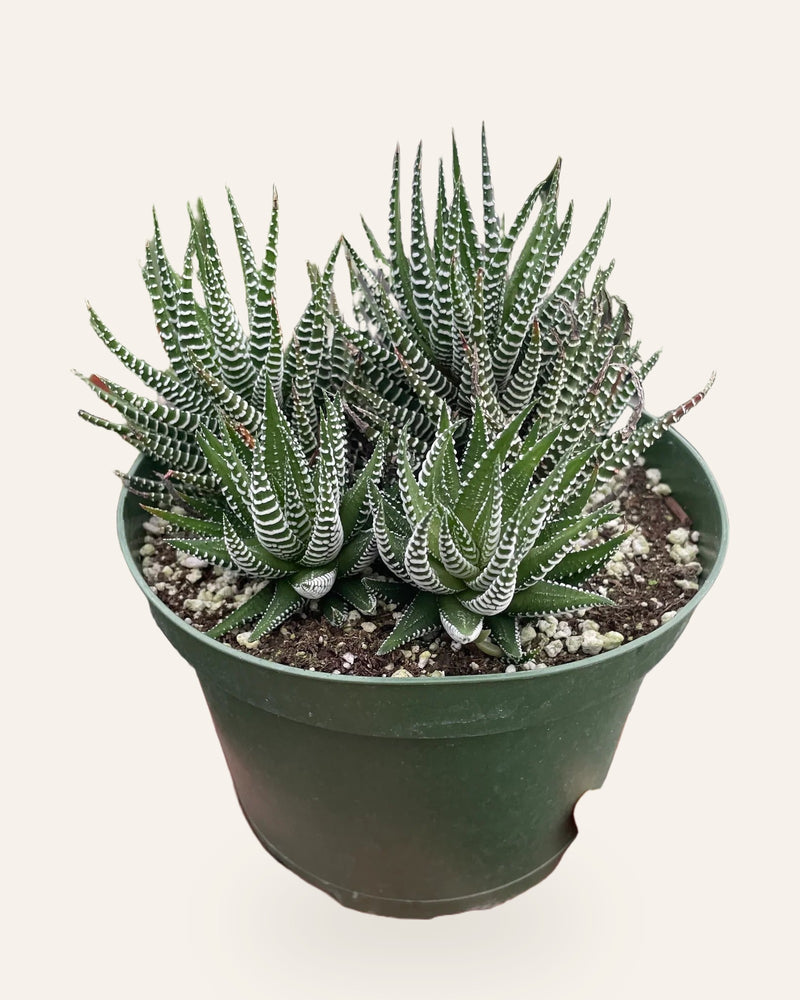
Zebra Succulent
Haworthia fasciataPot fit: 3", 4" or 6" nursery potwater only when the soil is completely dry, roughly every two to three weeks, and less in winter
from $21.99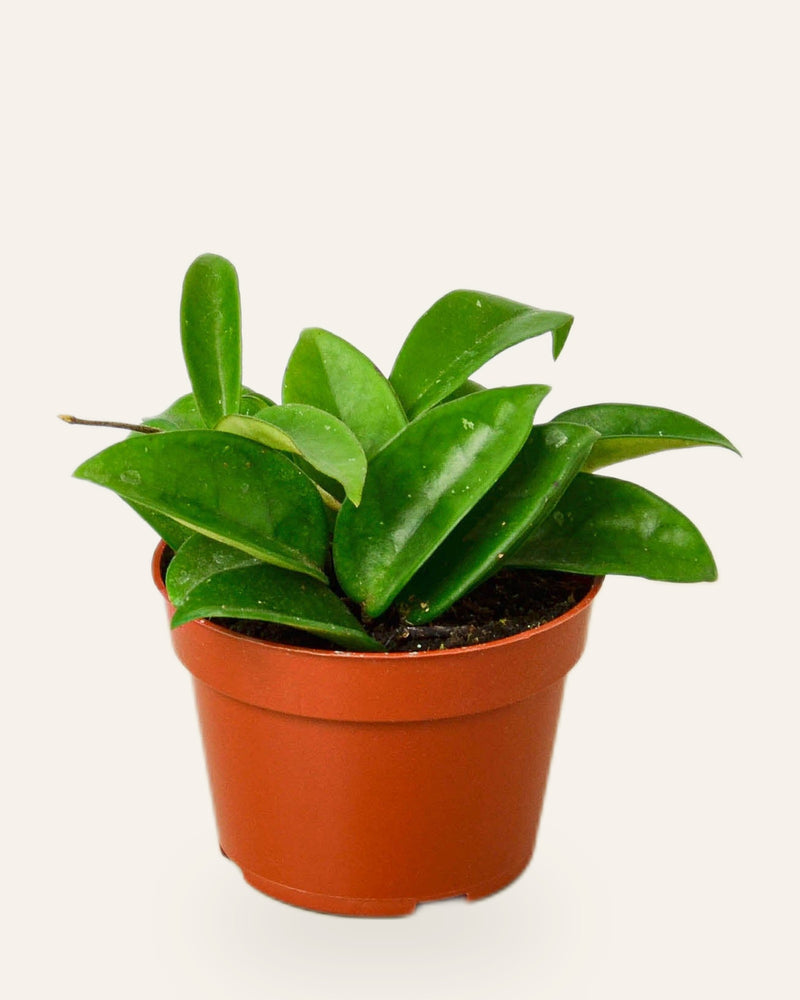
Wax Plant
Hoya carnosaPot fit: 4-inch nursery potLet the soil dry out between waterings, then water well
$23.99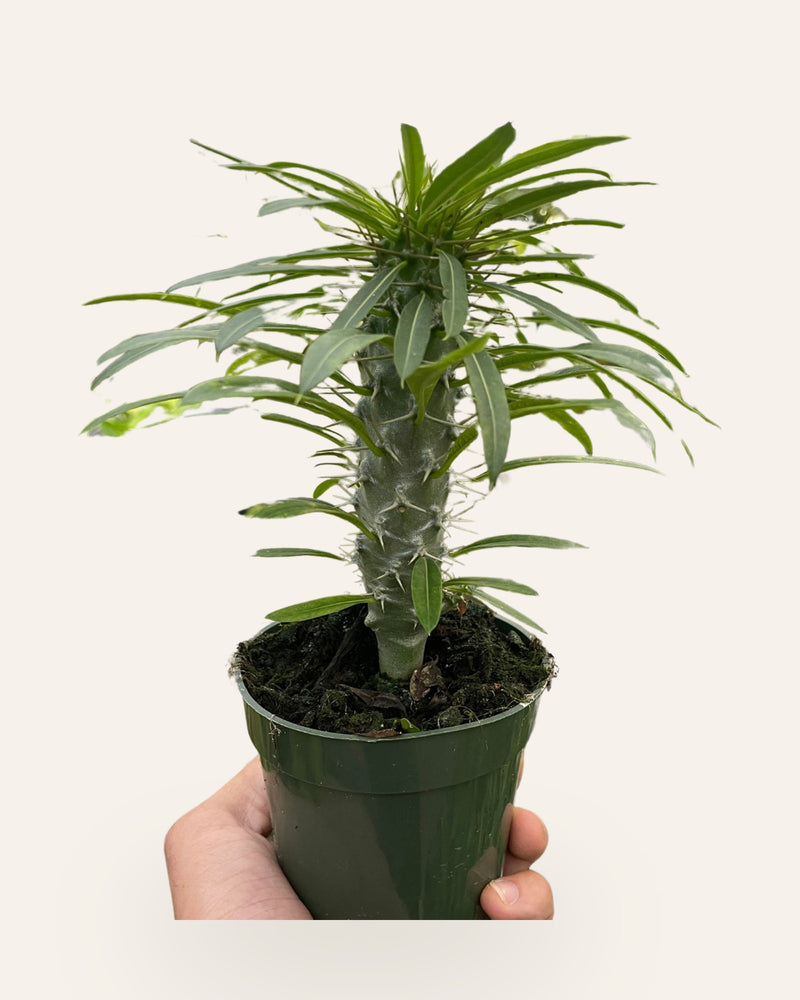
Madagascar Palm
Pachypodium lamereiWater deeply, then let the soil dry out completely
$32.49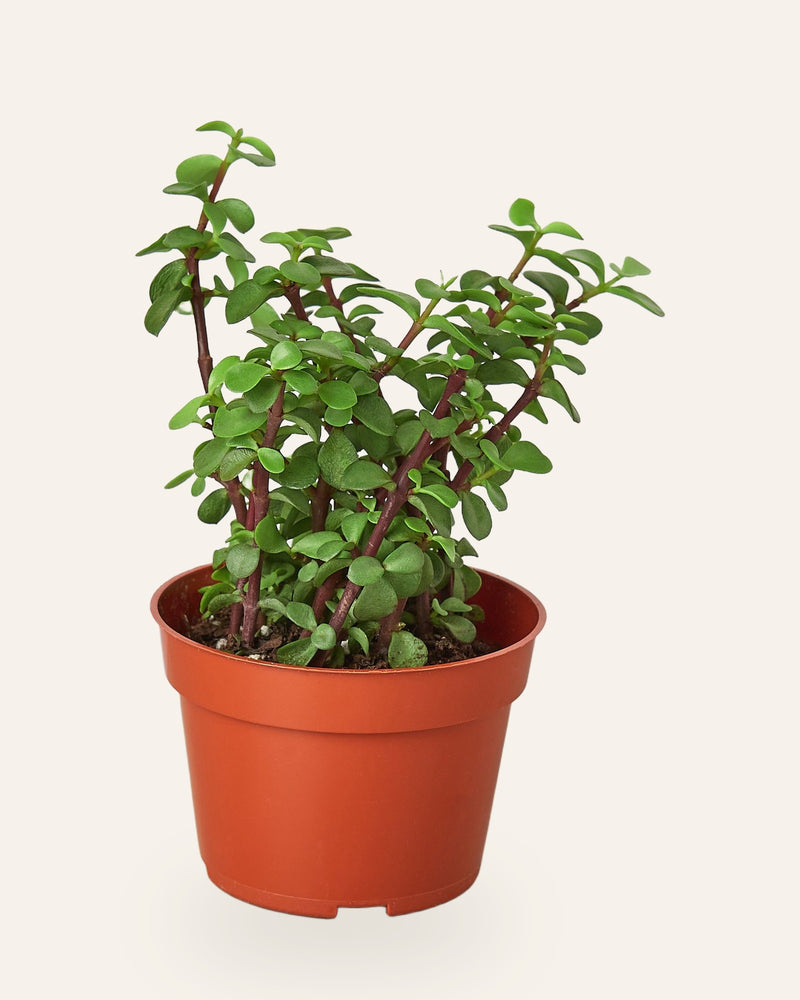
Elephant Bush
Portulacaria afra $29.99Keep going with the care library
Care pages by plant, plus the watering and light calculators and the plant doctor.
More from the Journal
All Journal articles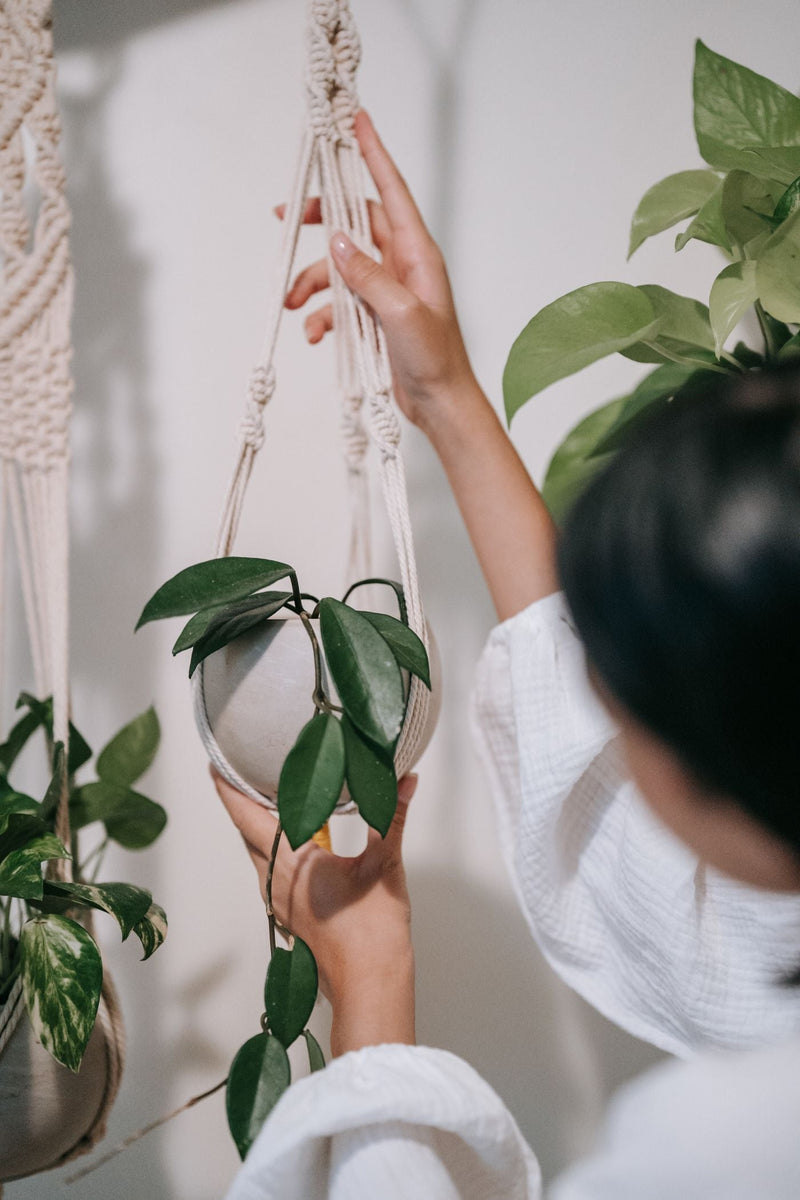
How to Grow Hoya: Propagation, Blooms and Problems
Start a hoya cutting, root it in water or mix, coax out blooms and fix yellow, dropping or wrinkled leaves. A practical gu...
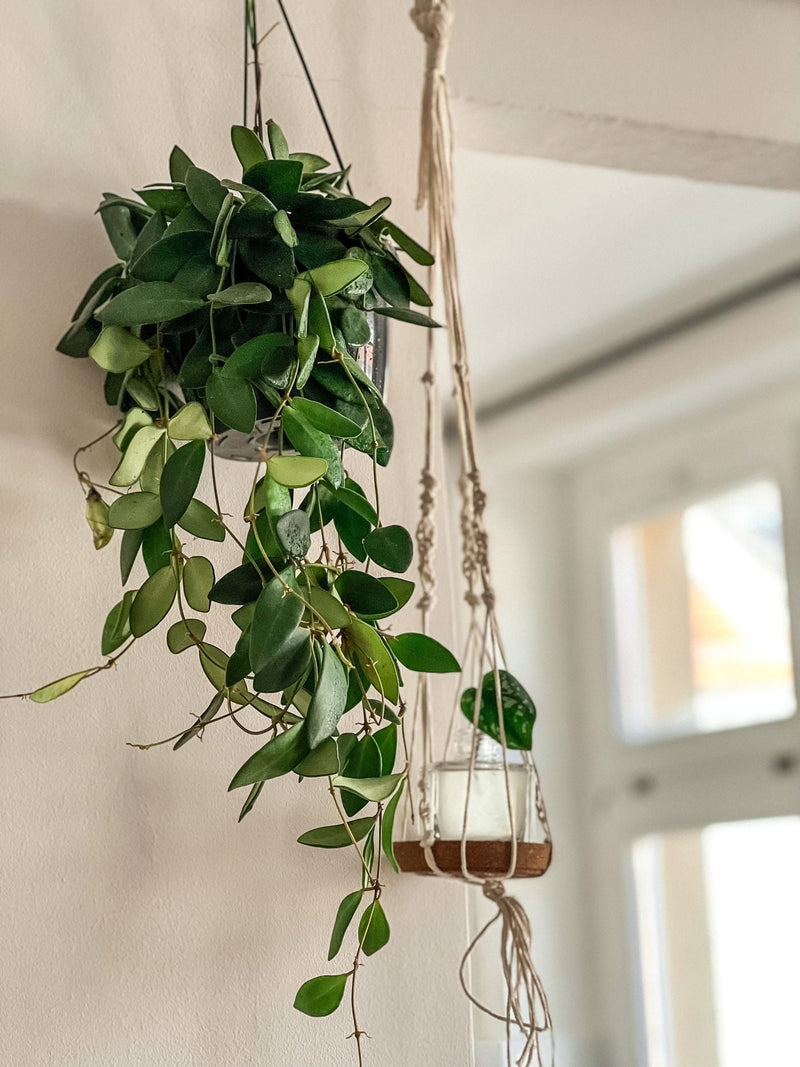
Hoya Care: Light, Water, Soil and Blooms
How to care for a hoya: the right light, when to water, a chunky mix, and how to get it to bloom. Plus the varieties we ca...
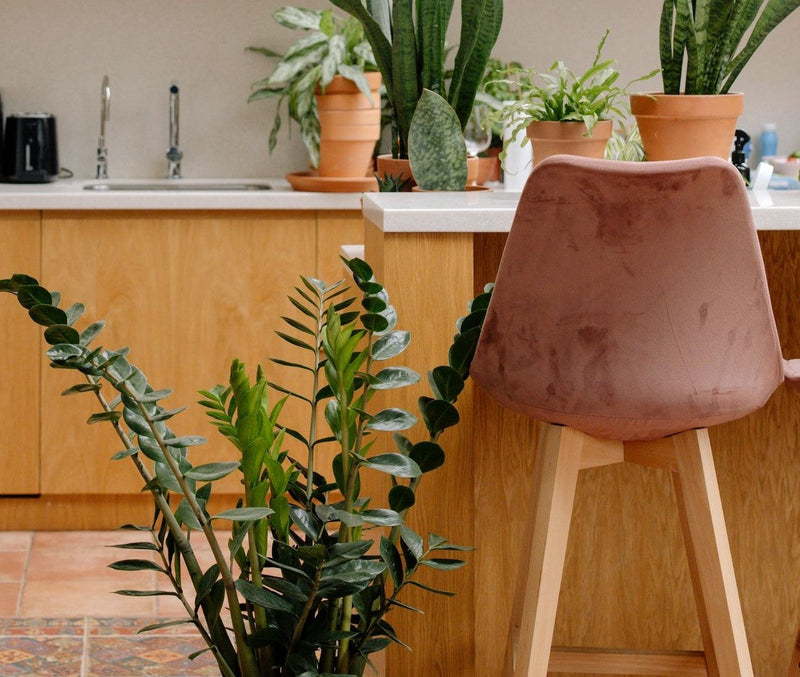
Best Houseplants for the Kitchen (That Survive Steam, Heat and Dim Corners)
Which houseplants cope with kitchen steam, heat and dim corners? Nine easy picks, where to put them, a simple routine and ...