Best Houseplants for the Kitchen (That Survive Steam, Heat and Dim Corners)
Which houseplants cope with kitchen steam, heat and dim corners? Nine easy picks, where to put them, a simple routine and honest pet notes.

At a glance
A kitchen is a strange place to keep a plant. It gets steam from the kettle, heat from the oven, a cold draft when someone opens the back door, and light that depends on which way the window faces and how many cabinets block it. Some kitchens are bright and cheerful. Others have one small window over the sink and a dim corner by the fridge.
A handful of tough, forgiving houseplants cope with all of it. Kitchens also give you a built-in reminder to look after them, because you walk past the same spot ten times a day.
This guide starts with what makes a kitchen different, then helps you pick a spot, then walks through nine plants that suit the room. Nick has grown houseplants for 25+ years, and these picks suit the "I want something green in there, but I forget to water" kitchen. You will also find a short section on herbs, notes on pets, a simple routine, and answers to common questions.
What makes a kitchen different for plants
Most plant advice assumes a living room: stable temperature, even light, no cooking. A kitchen changes three things at once, so it helps to look at each one before you buy.
Light near the sink, the stove and an interior wall

Kitchens tend to have uneven light. The sink is often under a window, which makes it the brightest spot in the room. The stove is often on an interior wall or under a cabinet, where light drops off fast. The cabinets themselves cast shade across the counter.
Walk the room at midday and look at three places: the windowsill, the counter a couple of feet back from the window, and the far wall. A plant right at the glass gets the strongest light. The same plant a short step back gets noticeably less. Light fades quickly as you move away from glass, and moving a plant nearer or farther from the window is the easiest way to adjust how much it gets.
That gives you a simple way to match plants to spots:
- Sink window: your brightest option. Good for the wax plant and the jade plant, and fine for almost everything else if the sun is not blasting straight through the glass.
- Counter a few feet from the window: medium light. Pothos, philodendron, spider plant and peperomia are happy here.
- Interior wall, corner or a room with no window: low light. This is snake plant, ZZ plant and Janet Craig dracaena territory.
If you want more than a rule of thumb, our houseplant light calculator helps you work out what your window really delivers. We are deliberately not giving you light-meter numbers here. Window direction, trees outside and the time of year change the readings too much for one figure to be useful.
Steam and humidity swings
Kitchens tend to be more humid than other rooms in the house, thanks to boiling pots, the kettle, the dishwasher and the sink. That is a plus for plants that like moisture in the air.
The catch is the swing. Humidity climbs while you cook and drops when the fan runs or the window opens. Plants cope with that better than they cope with a steady dry spell, but it does mean you cannot assume the soil stays damp. Humid air does not water the roots. Check the soil, not the room.
Oven heat, cooking fumes and drafts
This is where kitchens really differ.
Heat. An oven that has been running for an hour throws warm air out of the door and the vent. A plant on a shelf right above the range sits in that rising heat every time you cook, and the leaves dry out and crisp. We do not have a trustworthy distance to give you, so use your hand as the test. If the spot feels hot to you while you cook, it is too hot for the plant. Keep plants off the stove top and out of the path of the oven vent.
Fumes and grease. Cooking leaves a fine film on nearby surfaces, leaves included. That film attracts dust and can block light a little at a time. It is the reason the care routine below includes wiping the leaves. We would also gently warn you off the idea that plants clean kitchen air. We cannot promise that, and the range hood or an open window will always do more than a pothos will.
Drafts. Back doors, windows you open for ventilation and the gap by the fridge all create sudden changes in temperature. In winter a cold window can chill leaves that touch the glass. Our seasonal care guide covers what changes from season to season, including why a spot that worked in July may not work in January.
Counter, shelf or hanging: where plants fit

Kitchen counters are precious, so think about where a plant earns its space.
On the counter. Small and upright plants work best. A snake plant or a ZZ plant takes up little room and tolerates the occasional bump. Keep them to the back, away from the prep area.
On the windowsill. The sink window is the best real estate you have. Use it for the sun lovers, and keep the pots small enough that they do not block the faucet.
On a shelf. A shelf gets plants into the light, and trailing plants look at home up there. Keep it off the stove, and make sure it holds the pot's weight when wet.
Hanging. Pothos, heartleaf philodendron and spider plant all do well in a hanging planter, and hanging them frees up counter space entirely. Hang them by a window, away from the range, and at a height where you can reach them to water. A plant you cannot reach is a plant you stop watering.
Whatever you choose, use pots with drainage holes. If you like a decorative pot, keep the plant in its plastic nursery pot inside it and tip out any water after watering.
9 kitchen houseplants that work
Each of these is reasonably forgiving. We have listed light, water and a pet line for every one, so you can check before you buy. For pet wording, see the longer section further down.
1. Golden pothos

Pothos is the classic kitchen plant for a reason. It handles medium and low light, forgives a missed watering and trails nicely from a shelf or a hanging pot.
- Light: Medium to bright, indirect. It tolerates lower light, with slower growth.
- Water: Water when the top inch or two of soil is dry. Droopy leaves usually mean it is thirsty, and it perks up after a drink.
- Where: Hanging by the window, on top of the fridge or trailing off a high shelf.
- Pets: Pothos (Epipremnum): ASPCA lists this plant as toxic to dogs and cats.
Our pothos care guide goes deeper on pruning and propagation. If you want one, we carry the Golden Pothos.
2. Snake plant 'Laurentii'
Snake plants are among the toughest houseplants around. They tolerate low light, dry spells and neglect, which makes them a fit for the dim kitchen corner.
- Light: Anything from low to bright. Growth is slow in low light, but the plant holds.
- Water: Sparingly. Let the soil dry out between drinks, and water less in winter. Overwatering is the most common way to lose one.
- Where: A counter corner, a spot by the pantry door, or the floor beside a cabinet.
- Pets: ASPCA lists this plant (Sansevieria trifasciata) as toxic to dogs and cats.
The snake plant guide covers the varieties and their care. You can find the Snake Plant Laurentii in our shop.
3. ZZ plant
The ZZ plant has glossy, upright stems and thick, water-storing roots. It is a good choice for a kitchen with poor light, and it does not mind being forgotten for a while.
- Light: Low to bright, indirect. It copes with dim spots better than most.
- Water: Let the soil dry out well between waterings. The thick roots store water, so it is much easier to drown than to dry out.
- Where: A windowless corner, a shelf away from the sun, or anywhere the light is soft.
- Pets: We couldn't confirm pet safety for this plant. Keep it out of reach of pets and ask your vet.
Palma carries the ZZ Plant.
4. Spider plant 'Bonnie'
Spider plants like a bit of humidity and a steady routine, and the arching leaves look good on a shelf or in a hanging pot. 'Bonnie' has curled leaves, which gives it a tidy, textured look.
- Light: Medium to bright, indirect. Too little light slows it down, and harsh direct sun can scorch the leaves.
- Water: Keep the soil lightly moist, and let the top dry a little between drinks. Brown leaf tips often mean the soil has dried out too far.
- Where: Hanging near the sink window, or on a shelf where the leaves can fall over the edge.
- Pets: Pet-friendly for dogs and cats. ASPCA lists this plant as non-toxic to dogs and cats.
Our spider plant care guide has the details. The Spider Plant 'Bonnie' is in the shop.
5. Watermelon peperomia
A small plant with silver-striped leaves that look a little like a watermelon rind. It stays compact, which makes it a good fit for a crowded counter or a windowsill.
- Light: Medium to bright, indirect. Keep it out of hard, direct sun.
- Water: The leaves are thick and hold some water, so let the top of the soil dry before you water again. Too much water is a bigger risk than too little.
- Where: A windowsill, a counter near the sink, or a small shelf.
- Pets: Pet-friendly for dogs and cats. ASPCA lists this plant as non-toxic to dogs and cats.
You can find the Watermelon Peperomia in our shop.
6. Heartleaf philodendron
Soft, heart-shaped leaves on long, trailing vines. It looks lush on a high shelf and is happy with medium light, so it fits where a pothos fits.
- Light: Medium, indirect. It tolerates lower light, and bright direct sun can burn the leaves.
- Water: Water when the top inch or two of soil feels dry. A sagging, limp plant tells you it wants water.
- Where: Hanging, or trailing from the top of a cabinet or a high shelf.
- Pets: Heartleaf philodendron: ASPCA lists this plant as toxic to dogs and cats.
The Heartleaf Philodendron is one of the easiest vines to live with.
7. Dracaena 'Janet Craig'
A dracaena with wide, deep green leaves that grows slowly and upright. It is a strong pick for a dim kitchen corner or a room with weak light, and it adds height without taking up counter space.
- Light: Low to medium, indirect. It tolerates low light better than many plants, though growth slows.
- Water: Let the top part of the soil dry between waterings. Soggy soil is the common cause of trouble.
- Where: A floor spot beside the cabinets, a corner away from the stove, or a bright shelf if you want a taller accent.
- Pets: ASPCA doesn't list this exact plant, but every Dracaena it does list is toxic to dogs and cats, so treat it the same.
Our dracaena guide has more on the family. The Dracaena 'Janet Craig' is available now.
8. Wax plant (Hoya carnosa)
Waxy, thick leaves on gently trailing stems. The wax plant likes a bright spot and stores water in its leaves, so it handles a dry spell. It is a good choice for the sink window.
- Light: Bright, indirect. A few hours of gentle sun suit it. Low light slows it down.
- Water: Let the soil dry out between waterings. The thick leaves are your guide: if they look a little soft or wrinkled, it is time to water.
- Where: The sink window, or a hanging pot near bright light.
- Pets: Pet-friendly for dogs and cats. ASPCA lists this plant as non-toxic to dogs and cats.
You can order the Wax Plant (Hoya carnosa) from Palma.
9. Jade plant, the sunny-window bonus
If your kitchen window gets real sun, the jade plant is the one that wants it. Thick, glossy leaves store water, so it handles a gap between waterings, and it keeps a neat, tree-like shape on a bright sill.
- Light: Bright. This is the plant for your sunniest window.
- Water: Let the soil dry thoroughly between waterings, and cut back in winter. The leaves go soft and shriveled when it is dry, and swollen or mushy when it is too wet.
- Where: The brightest windowsill in the room. It is not a plant for dim corners.
- Pets: ASPCA lists the jade plant as toxic to dogs and cats.
Succulent care is a little different from the rest of this list, and our succulent care guide covers it. The Jade Plant (Crassula ovata) is in the shop.
A note on herbs
Almost every kitchen plant list includes herbs, and it is easy to see why. A pot of basil on the windowsill is handy and smells good. We are keeping herbs out of the main picks because they are fussier than anything above. They want a lot of bright light, often more than a typical kitchen window gives, and they tend to stretch and thin out when they fall short.
If you want to try herbs anyway, give them the brightest window you have and snip them regularly.
Kitchen plants and pets
Kitchens are where pets hang around, waiting for something to fall. If you have a cat or a dog, it is worth checking before you bring a plant home.
Here is how the nine picks stack up, based on what ASPCA publishes:
- Pet-friendly: Spider plant, watermelon peperomia and wax plant. ASPCA lists each of these as non-toxic to dogs and cats.
- Toxic to dogs and cats: Pothos, snake plant, heartleaf philodendron and the jade plant. ASPCA lists each of these as toxic to dogs and cats.
- Not listed by name: Dracaena 'Janet Craig'. ASPCA doesn't list this exact plant, but every Dracaena it does list is toxic to dogs and cats, so treat it the same.
- Unconfirmed: ZZ plant. We couldn't confirm pet safety for this plant. Keep it out of reach of pets and ask your vet.
"Non-toxic" is not a promise that a pet will be fine after eating a plant. A cat that chews a lot of any leaf can still get an upset stomach. If your pet eats something you are unsure about, call your vet.
For a longer list, see our post on non-toxic indoor plants for cats and dogs, or use the pet-safe houseplant checker to look up a plant by name.
A simple care routine for a kitchen plant
You do not need a schedule pinned to the fridge. Three habits cover most of it.
1. Check the soil before you water. Push a finger into the soil. If the top inch or two is dry, water until it drains out of the bottom, then empty the saucer. If it is still damp, wait. The sink is the easiest place to do this, because you can take the pot over, water it, let it drain and put it back.
2. Wipe the leaves. Every few weeks, wipe the leaves with a damp cloth, top and underside, supporting each leaf with your other hand. In a kitchen, this clears the thin film of grease and dust that builds up from cooking, and it keeps leaves taking in light. It is also your chance to look for pests.
3. Rotate and look. Give the pot a quarter turn when you water, so the plant grows evenly instead of leaning at the window. While you are there, check the spot. Has the sun moved with the seasons? Is a leaf touching the cold glass? Has the plant crept too close to the stove?
Water less in winter, when growth slows and the light fades.
Kitchen houseplant FAQ
Can plants live in a kitchen with no window?
A few can cope with low light for a long time, mainly ZZ plants, snake plants and Janet Craig dracaenas, but no living plant gets by on darkness. If the room has no daylight, give the plant a bright spot in a nearby room for a few weeks every so often, or add a plant light on a timer.
Is it OK to keep a plant near the stove?
Close to a burner or the oven door, usually not. Radiant heat and hot air dry leaves out fast. Beside the stove at counter height or on a shelf a little way off is fine for sturdy plants. If the spot feels hot on your hand, it is too hot for the plant.
Do kitchen plants clean cooking fumes?
We can't promise that. Plants are not a substitute for a range hood or an open window. What cooking does do is leave a thin film on leaves, so wipe them from time to time.
Which kitchen plants are safe for cats and dogs?
ASPCA lists spider plant, watermelon peperomia and wax plant (Hoya carnosa) as non-toxic to dogs and cats. ASPCA lists pothos, snake plant and heartleaf philodendron as toxic to dogs and cats. For the rest, see the pet section above.
Why do my kitchen plant leaves feel sticky?
Two common causes: a film of cooking grease, or sticky residue from sap-feeding pests such as scale and mealybugs. Wipe a leaf with a damp cloth. If it comes clean and stays clean, it was grease. If the stickiness returns and you see bumps or white tufts, treat for pests.
Choosing your first kitchen plant
If you want the shortest route: pick for your light first. A sink window with sun suits the wax plant or the jade plant. A counter in medium light suits a pothos, a spider plant or a watermelon peperomia. A dim corner suits a snake plant, a ZZ plant or a Janet Craig dracaena. Keep it off the stove top, check the soil before you water, and wipe the leaves now and then. Pick the spot, pick the plant, and leave it there for a few weeks before you judge it. Not sure what your window delivers? Try our houseplant light calculator first.
Nick Alan is the founder of Palma and has grown plants for 25+ years. He writes the shop's care guides and built the watering, soil and light tools.
View author profilePlants to grow next
Easy-care plants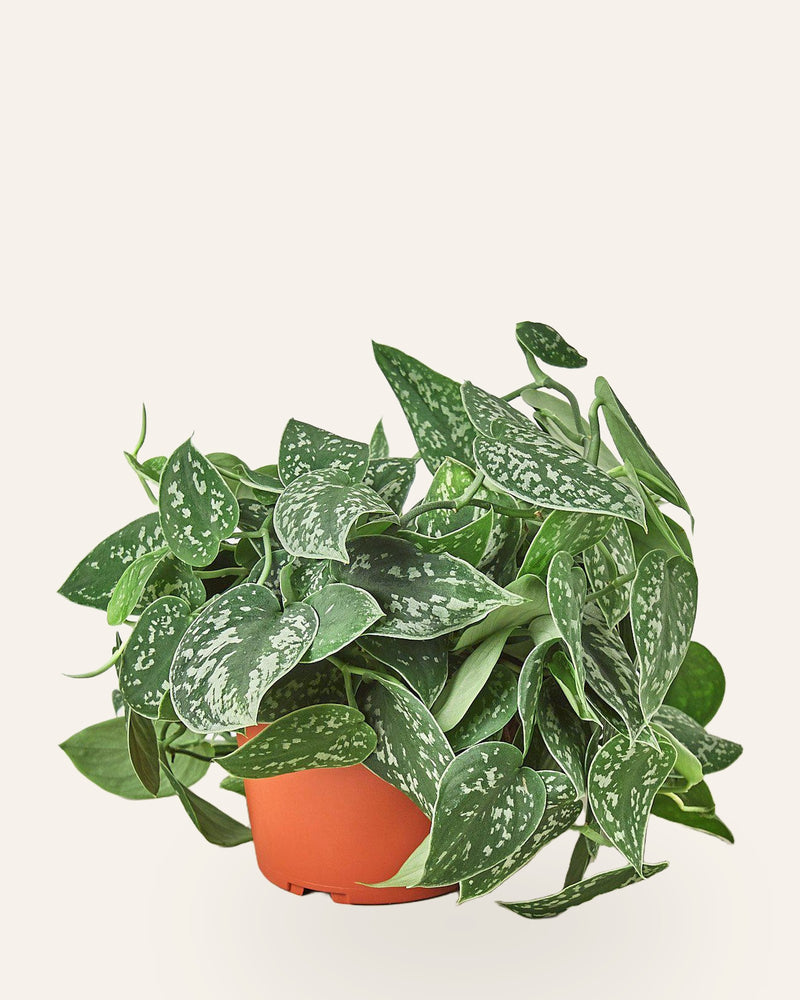
Satin Pothos
Scindapsus pictusPot fit: 4" or 6" nursery potWater after the top 1 to 2 inches of soil have dried
from $28.99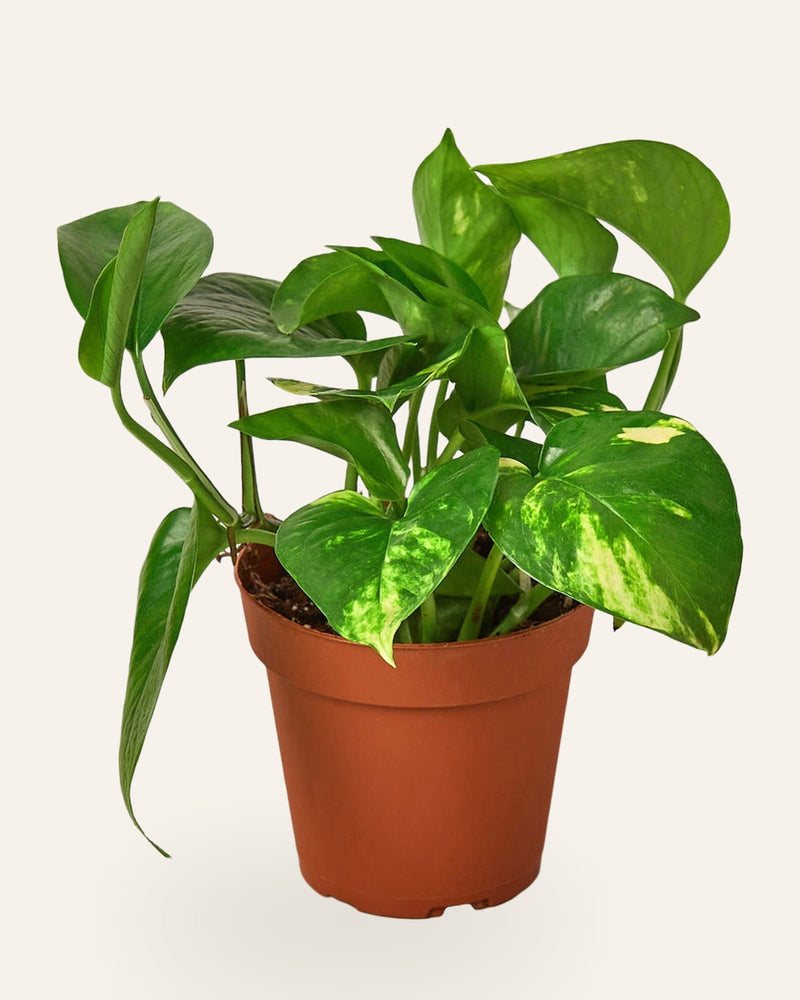
Golden Pothos
Epipremnum aureumPot fit: 4" or 6" nursery potWater when the top 2 inches of soil are dry, then drain fully
from $25.99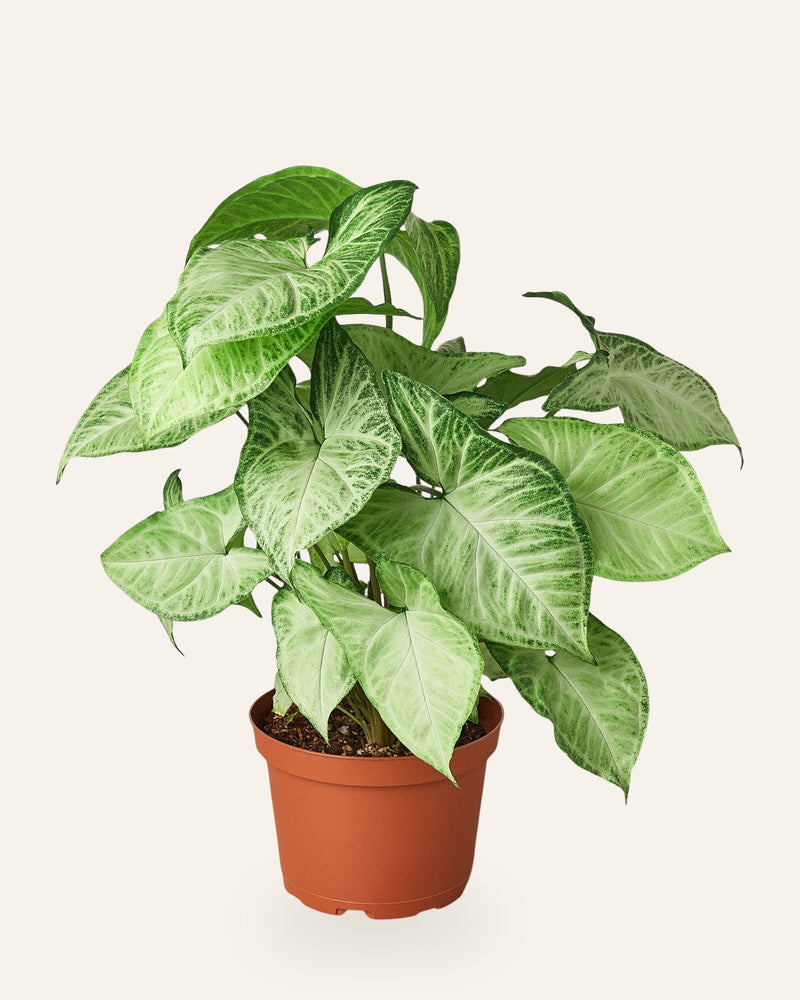
Arrowhead Plant 'White Butterfly'
Syngonium podophyllum 'White Butterfly'Pot fit: 3", 4" or 6" nursery potWater when the top inch of soil is dry
from $24.99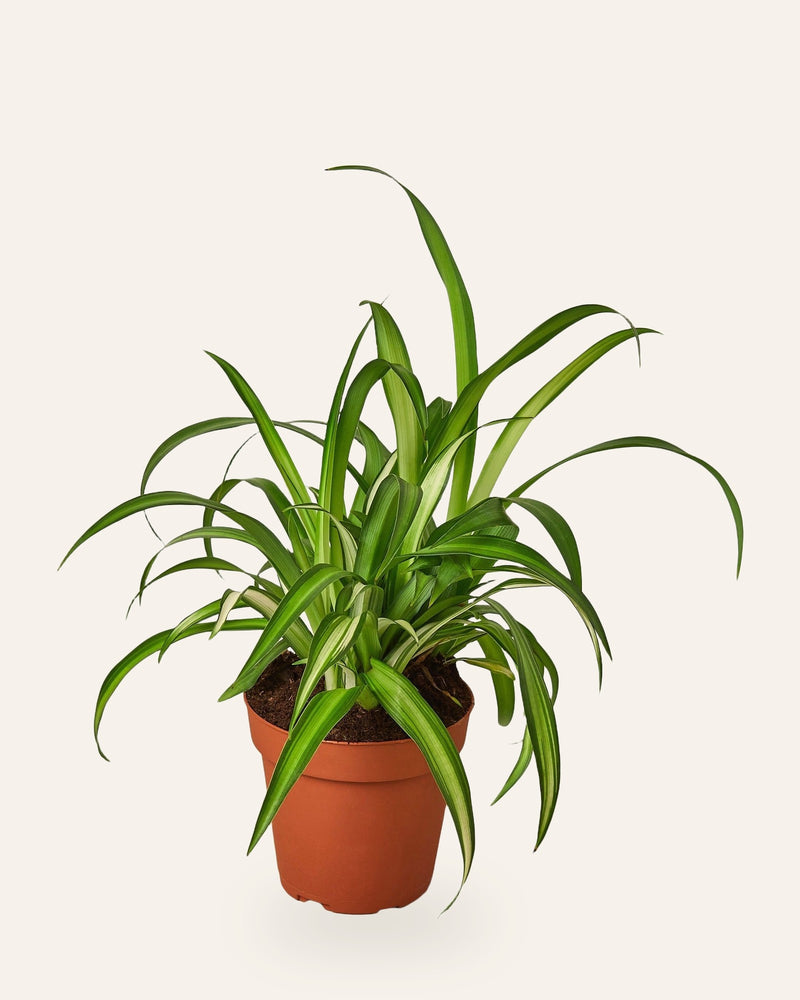
Hawaiian Spider Plant
Chlorophytum comosum 'Hawaiian'Pot fit: 4" nursery potWater when the top inch of soil is dry
$24.99Keep going with the care library
Care pages by plant, plus the watering and light calculators and the plant doctor.
More from the Journal
All Journal articles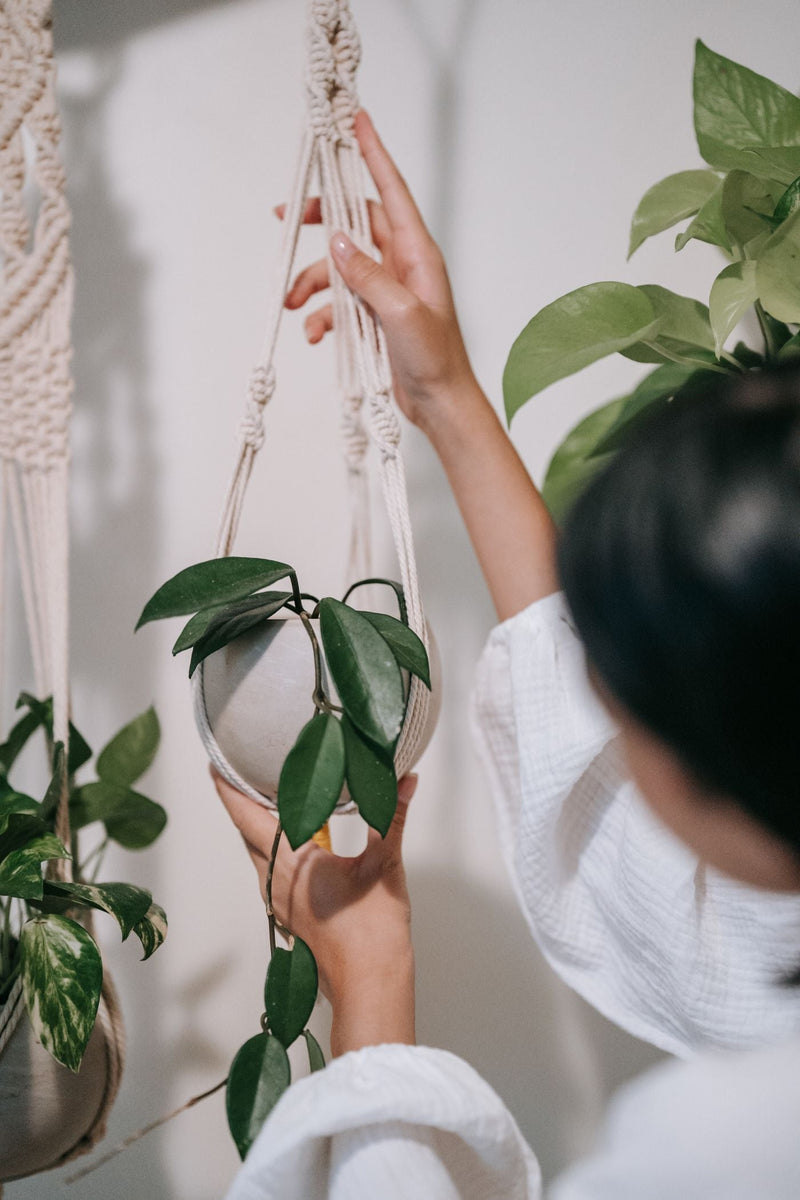
How to Grow Hoya: Propagation, Blooms and Problems
Start a hoya cutting, root it in water or mix, coax out blooms and fix yellow, dropping or wrinkled leaves. A practical gu...
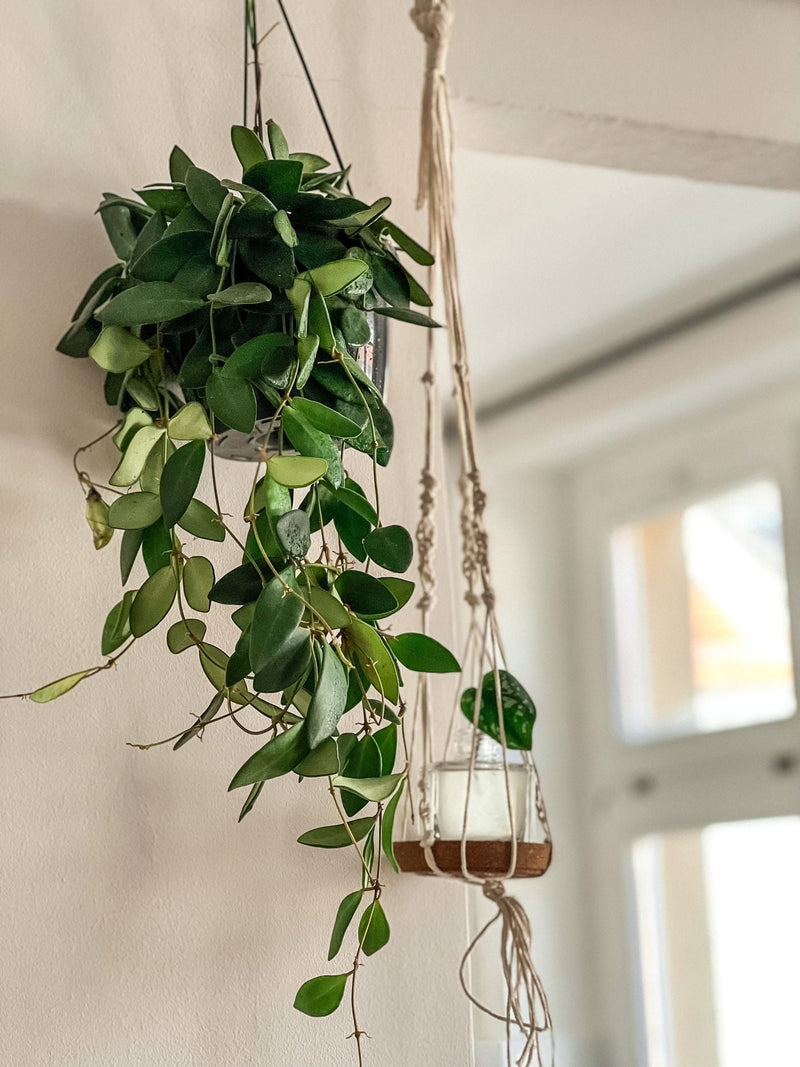
Hoya Care: Light, Water, Soil and Blooms
How to care for a hoya: the right light, when to water, a chunky mix, and how to get it to bloom. Plus the varieties we ca...
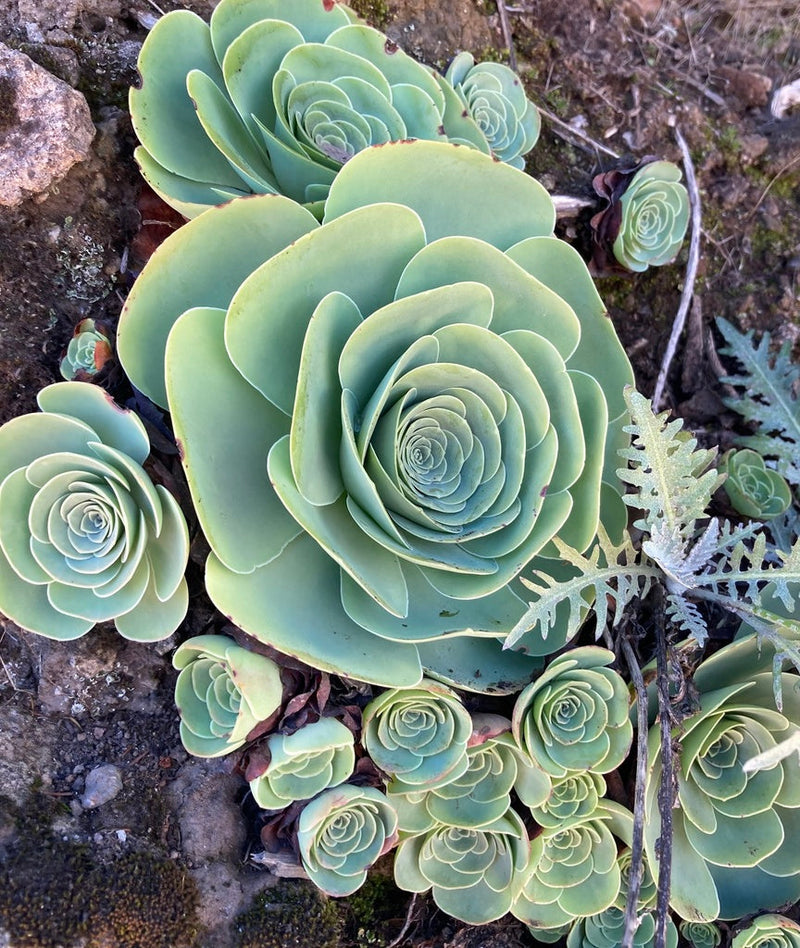
Aeonium Care: Light, Water and the Summer Slowdown
Aeonium care in plain steps: bright light, how often to water, what a closed rosette means, when to behead a leggy plant, ...