Hoya Care: Light, Water, Soil and Blooms
How to care for a hoya: the right light, when to water, a chunky mix, and how to get it to bloom. Plus the varieties we carry.

At a glance
Hoyas look like they should be fussy. Thick, waxy leaves, vines that take their time, and flowers that appear as tight, star-shaped clusters, almost too neat to be real. Most of them are easier than they look. They store water in their leaves, they like being a little crowded in the pot, and they would rather be ignored than fussed over.
This guide covers what a hoya wants: light, water, soil, a comfortable temperature, a little food, and the one pruning rule that matters for flowers. Near the end is a short look at the hoyas Palma carries, and a few answers to common questions.
Light: bright, indirect, with a little morning sun
Hoyas do best in bright, indirect light. A spot a few feet from an east or south window works well for most homes. A window with a sheer curtain is also good.
A little direct sun helps, especially early in the day. Gentle morning sun is one of the best things you can give a hoya that you want to bloom. Strong afternoon sun through glass is a different story and can scorch the leaves, so keep the plant back from a hot west window in summer.
You can read the plant for clues:
- Pale, washed-out or yellowing leaves with dry, bleached patches often mean too much direct sun.
- Long gaps between leaves and slow growth mean it wants more light.
- Deep green leaves and no flowers usually mean the plant is surviving but not getting enough light to bloom.
If you are not sure what your window delivers, our houseplant light calculator is a good place to start.
Water: soak it, then wait
The simplest way to water a hoya is to soak the mix thoroughly, let the extra drain out, and then leave it alone until the top half of the mix has dried. Poke a finger or a wooden skewer in to check. For most pots, that works out to a drink every week or two in the growing season, though it depends on pot size, light and temperature.
Hoyas are much more likely to suffer from too much water than too little. Thick leaves hold a reserve, so a hoya can handle a dry spell. Soggy roots are the real danger.
The leaves will tell you what is going on:
- Soft, wrinkled or slightly limp leaves mean the plant is thirsty.
- Yellow, mushy leaves and a mix that stays wet for days mean it is getting too much.
In winter, growth slows and the plant uses less water. Stretch the gap between drinks and let the mix dry a little further than you would in summer.

Soil and pot: chunky mix, snug fit
Hoyas grow on trees and rocks in the wild, and their roots like air. A regular bag of dense potting soil holds too much water around the roots. A chunky, free-draining mix is the better choice.
A simple recipe: mix regular potting soil with orchid bark and perlite. Roughly equal parts of each works for most plants. If you would rather buy something ready-made, a mix sold for orchids or succulents can be used as a base, with a little extra potting soil to hold some moisture.
On the pot, go snug. A hoya blooms better when its roots fill the pot, so choose one just a size up from the root ball when you repot, and only repot when the plant clearly needs it. Every pot should have a drainage hole. Terracotta dries faster than plastic, which helps if you tend to overwater.
Temperature and humidity
Hoyas are comfortable at normal household temperatures. Keep them above 50F, and avoid cold drafts below 50F, such as a leaky window in January or a spot beside an exterior door. Cold shows up as dark, soft patches or leaves dropping.
Average home humidity is fine for most hoyas. A bit more humidity can help growth, but you do not need a humidifier to keep one healthy. Keep the plant away from heating vents and radiators, which dry the leaves and the mix quickly.
Feeding
Feed lightly during spring and summer, when the plant is actively growing. A balanced houseplant fertilizer at half the strength on the label, every few weeks, is plenty. Skip feeding in fall and winter, and never feed a plant that is bone dry or stressed.
More food does not mean more flowers. Light matters far more.
How to get a hoya to bloom
Hoya flowers are worth the wait, and most of the work is getting the basics right:
1. Bright light. This is the biggest factor. Bright, indirect light with some gentle morning sun is the usual fix for a healthy hoya that never flowers. 2. Maturity. A young plant or a recent cutting may need time to grow up before it flowers. 3. A snug pot. Resist the urge to move up a size too soon. 4. Rest in winter. Cooler, drier conditions in winter, then a return to normal watering in spring, help many hoyas set buds. 5. Patience with moving. Once buds form, avoid turning, moving or repotting the plant. Hoyas often drop buds when conditions change.
Do not cut the peduncles
After a hoya flowers, a short, bare stalk is left behind where the flower cluster was. That stalk is the peduncle, often called a spur. It can look like a dead stick, and it is tempting to tidy it away.
Leave it. New flowers often form on the same spur in later seasons, and the spur may get longer and more crowded with flowers over time. Cutting it off removes the place future blooms would come from. Prune around the spurs, never through them.

Pruning and training
Hoyas need very little pruning. A few things are worth knowing:
- Trim long vines if the plant gets leggy or unruly. Cut just above a leaf node, the spot where a leaf meets the stem.
- Remove dead or damaged growth whenever you see it.
- Train the vines on a small trellis, hoop or stake, or let them trail from a hanging pot. Both look good.
- Leave the peduncles alone, as covered above.
Cuttings from healthy stems can be rooted in water or in a light, airy mix if you want more plants. Pick a piece with at least two nodes.
Pests, briefly
Hoyas can get mealybugs, scale and aphids. Look for white, cottony tufts in the leaf joints, small brown bumps on stems, or sticky leaves. Wipe pests off with a cotton swab dipped in rubbing alcohol, and treat the plant with insecticidal soap if the problem comes back. Check the undersides of leaves when you water. Catching a few bugs early is much easier than treating a full infestation.
Hoyas Palma carries
Here is a quick look at the varieties in our hoya collection. Stock changes, so check the product page for what is available now.
- Wax Plant (Hoya carnosa). The classic: thick, glossy leaves, and mature plants can carry clusters of fragrant, star-shaped flowers. A good first hoya.
- Hoya carnosa 'Krimson Queen'. A variegated form with cream-edged leaves and pink new growth. The 4 inch is unavailable at the moment; the 6 inch is listed.
- Hoya carnosa tricolor. A variegated wax plant with green leaves edged in cream, and more pink in brighter light.
- Hoya australis. Thick, glossy leaves on a vining plant.
- Hoya australis 'Lisa'. A variegated australis with a cream centre and a green edge. New leaves often come in pink or red in good light.
- Hoya Sweetheart and Sweetheart Variegated. Sweetheart is another name for Hoya kerrii: thick, heart-shaped leaves. The variegated one has yellow splashes. Check the product photos to see whether a listing is a single leaf or a plant with a stem.
- Hoya Kerrii. Also called the heart hoya, with thick, heart-shaped leaves.
- Hoya publicalyx. A vining hoya that shares the same bright-light, dry-between-drinks routine.
- Hoya Rope. Thick, curled leaves clustered closely along the vines. Sold as Hoya carnosa 'Compacta'.
- Hoya obovata. Round, thick leaves, often flecked with silver. Currently unavailable, so check the product page.

A note on pets
ASPCA lists Hoya carnosa (honey plant) as non-toxic to dogs and cats, and Krimson Queen, Tricolor and Rope ('Compacta') are cultivars of that same species. You can see the listing on the ASPCA page for the honey plant. We couldn't confirm pet safety for the other hoyas. Keep them out of reach of pets and ask your vet. "Non-toxic" does not mean a pet will be fine after chewing a plant. If your pet eats something and you are worried, call your vet.
For more on growing hoyas in general, our companion post, how to grow hoya, covers propagation, blooming and fixing leaf problems.
Hoya care FAQ
How do you care for a hoya?
Give it bright, indirect light, water thoroughly and then wait until the top half of the mix is dry, and plant it in a chunky, fast-draining mix in a snug pot. Keep it above 50F, feed lightly in spring and summer, and water less in winter.
Why is my hoya not blooming?
The usual cause is too little light. Other common reasons: the plant is still young, the pot is too large, or someone cut off the old flower spurs. Move it somewhere brighter, keep it snug in its pot, leave the spurs alone, and give it time.
Can a hoya live in low light?
It can survive there, but growth is slow and leggy, and blooms are rare. For a plant that looks good and flowers, give it bright, indirect light.
Start with the light
If you only change one thing, change the light. Put the plant where it gets bright, indirect light with a little gentle morning sun, water only when the top half of the mix has dried, and leave the flower spurs where they are. Browse the hoya collection when you are ready to pick one.
Nick Alan is the founder of Palma and has grown plants for 25+ years. He writes the shop's care guides and built the watering, soil and light tools.
View author profilePlants to grow next
Hoyas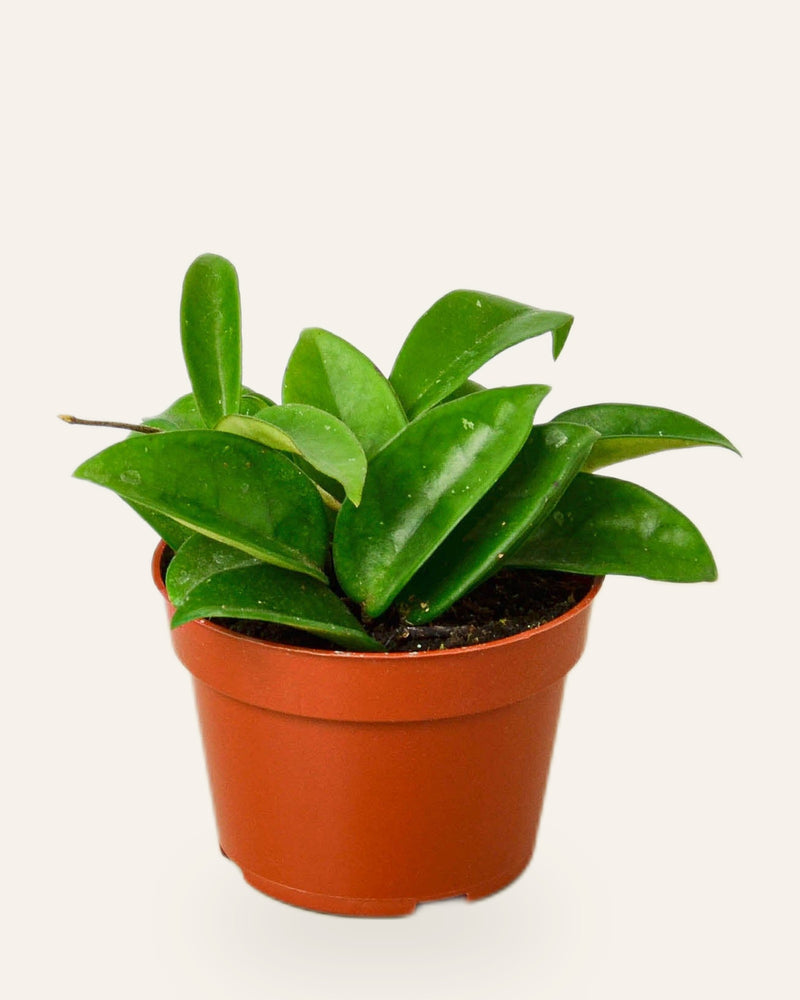
Wax Plant
Hoya carnosaPot fit: 4-inch nursery potLet the soil dry out between waterings, then water well
$23.99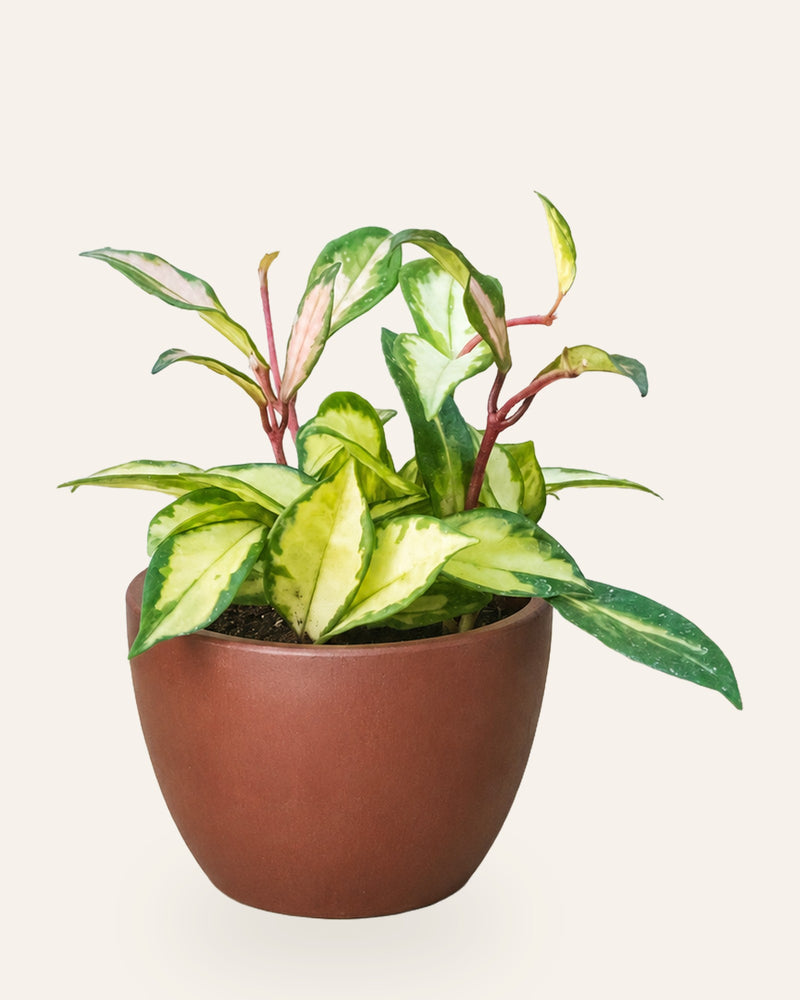
Hoya Krimson Queen
Hoya carnosa 'Krimson Queen' $66.99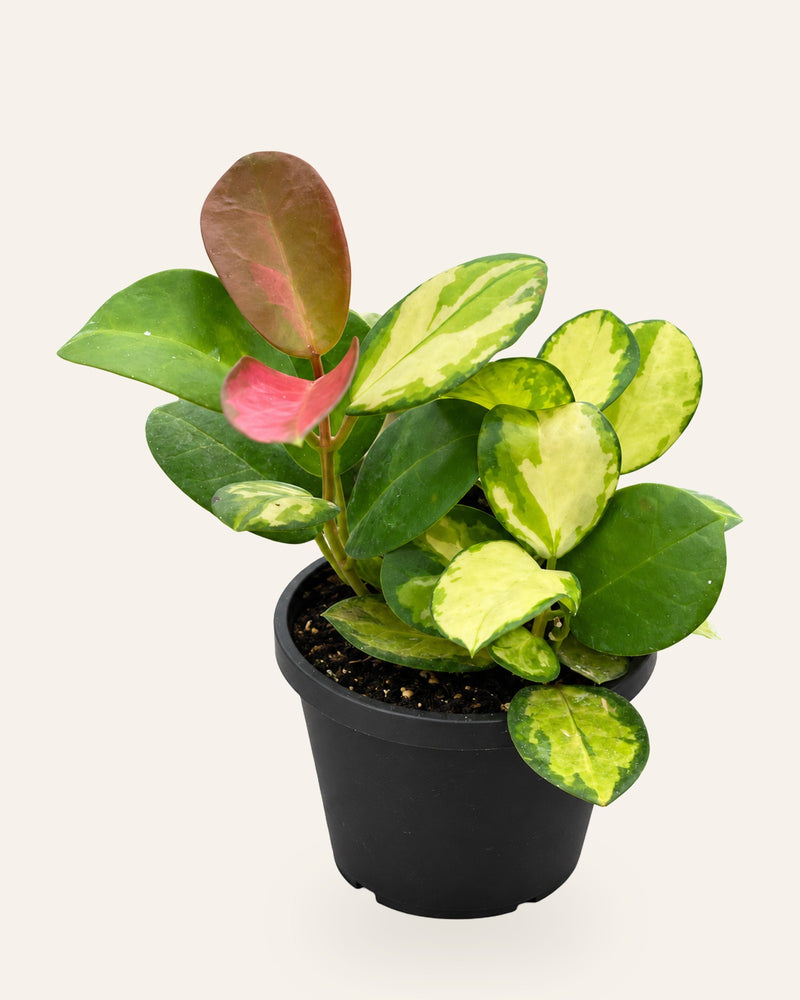
Hoya 'Lisa'
Hoya australis 'Lisa'Pot fit: 4" nursery potWater when the soil is mostly dry
$44.99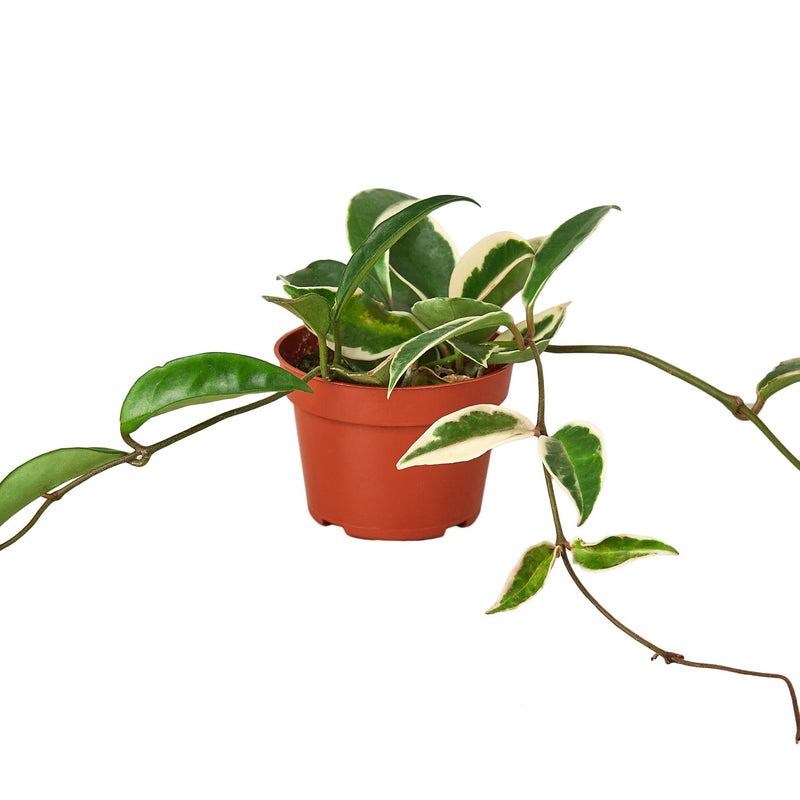
Hoya Tricolor
Hoya carnosa 'Tricolor'Pot fit: 4" or 6" nursery potWater when the top 2 inches are dry
from $28.99Keep going with the care library
Care pages by plant, plus the watering and light calculators and the plant doctor.
More from the Journal
All Journal articles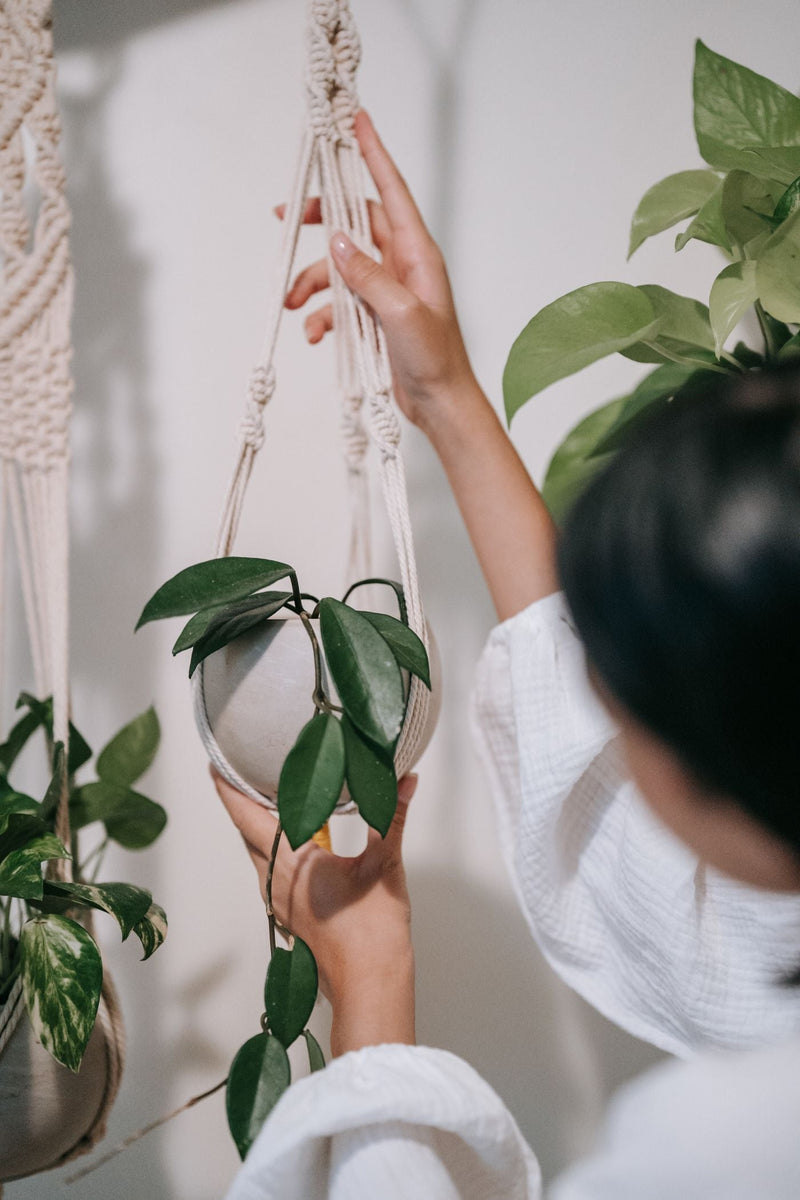
How to Grow Hoya: Propagation, Blooms and Problems
Start a hoya cutting, root it in water or mix, coax out blooms and fix yellow, dropping or wrinkled leaves. A practical gu...
Best Houseplants for the Kitchen (That Survive Steam, Heat and Dim Corners)
Which houseplants cope with kitchen steam, heat and dim corners? Nine easy picks, where to put them, a simple routine and ...
Aeonium Care: Light, Water and the Summer Slowdown
Aeonium care in plain steps: bright light, how often to water, what a closed rosette means, when to behead a leggy plant, ...