Why Is My Plant Dying? A Symptom-by-Symptom Guide
Why houseplants die and how to fix it: a symptom table, watering checks, and a step-by-step rescue plan.

At a glance
Why is my plant dying? Most often it is a watering problem. Too much water suffocates the roots, and the plant then shows yellow leaves, drooping, leaf drop or mushy stems. Too little water, too little light and dry air cause most of the rest.
Start with the soil. Push a finger an inch or two into it before you change anything else. The checks below take five minutes and tell you which fix to use.
Check these three things first
- Soil moisture. Iowa State Extension says to water based on soil moisture, not a schedule. If the soil is wet or damp, wait. If it is dry an inch or two down, water.
- Drainage. The pot needs a drainage hole. A saucer or outer sleeve full of water keeps the roots wet.
- Roots. Slide the plant out of its pot. Healthy roots are white. Roots that are brown, soft or rotted point to overwatering or poor drainage (UC IPM).
Houseplant symptoms, causes and fixes
| Symptom | Likely cause | Fix |
|---|---|---|
| Yellow leaves, soil stays wet | Overwatering or poor drainage. Wet soil holds less oxygen and damages fine roots. Yellowing shows first on lower and inner leaves. | Stop watering. Let the soil dry until the top inch or two is dry. Check the roots. |
| Yellow leaves, soil bone dry | Underwatering. Prolonged drought causes yellowing, scorch, browning and leaf drop. | Water thoroughly until water runs out the bottom. Repeat if the mix has shrunk from the pot. |
| Only a few old leaves yellow | Normal shedding of old leaves as the plant grows. | Remove them. No other fix needed. |
| Older leaves yellow-green | Too little fertilizer (especially nitrogen), pot-bound roots, poor drainage, too little light, or sap-sucking pests. | Check each cause in turn. Feed during active growth only. |
| Brown leaf tips and edges | Low humidity is the most likely cause. Also dry soil between waterings, fertilizer salts, and chlorine or fluoride in tap water. | Raise humidity, water on a steady cycle, flush the soil, switch water source. Trim the brown parts. |
| Soft or mushy stem base | Overwatering. Bacterial stem rot can also make stem tissue soft and smelly. | Unpot and check the roots. Follow the rescue steps below. |
| Drooping or wilting, soil wet | Roots rotted and cannot move water to the leaves. | Check the roots. Repot in fresh, well-drained mix if they are damaged. |
| Drooping or wilting, soil dry | Underwatering, a pot-bound plant, or a pot that dries out too fast. | Water until the whole root ball is wet. Repot if the plant is rootbound. |
| Curling leaves | Chronic underwatering and dry air. Curling is a sign of moisture stress. | Water on a steady cycle. Raise humidity. Keep plants away from heat sources and drafts. |
| Leggy, stretched, pale growth | Too little light. Plants stop making chlorophyll and turn pale green to yellow. | Move to brighter light or add a grow light. Move in stages. |
| Plant falling over | Weak, stretched stems from low light, or a rotted stem base or roots. | Check light first, then check the stem base and roots for softness. |
| Leaves dropping | Sudden change in light, temperature or humidity, cold or hot drafts, wrong watering, or poor root health. | Keep conditions steady. Move plants away from vents and doors. Check the roots. |
Watering problems come first
Overwatering is the problem named most often. Roots sitting in wet soil can develop root rot. The plant then wilts, and many owners respond by watering more, which makes it worse (Iowa State Extension).
Overwatering and root rot show the same symptoms as drought stress, so you cannot confirm the cause by looking at leaves alone (University of Maryland Extension). The soil and the roots tell you what is going on.
Signs of overwatering:
- Yellow or brown leaves, leaf drop and wilting.
- A soft stem base.
- Fungus gnats.
- Soil that stays wet for days.
Signs of underwatering:
- Dry root ball and soil that pulls away from the pot.
- Wilting, leaf curling and crispy edges.
- A pot that feels much lighter than after a recent watering.
A simple routine works for most plants. Wet the whole root ball, then let it dry before watering again. Water before the plant wilts. Lift the pot now and then to feel the weight, and compare it with how it felt right after watering (University of Maryland Extension). Succulents need even less; see how to care for succulents.
Brown tips and crispy edges
Low humidity is the most common cause. Winter air in a heated home is often dry. Try a humidifier, a pebble tray, or a group of plants set close together (Iowa State Extension). Misting helps only briefly.
Check these causes too:
- Uneven watering. Letting plants dry out too long between waterings browns the edges.
- Fertilizer salts. Too much fertilizer lets salts build up in the soil. Use half or quarter strength, fertilize only during active growth, and flush the soil with clear water until it runs out the drainage hole.
- Water quality. Chlorine or fluoride in tap water can cause tip browning over time. Iowa State lists spider plant, prayer plant and calathea among the sensitive plants and suggests a different water source. See spider plant brown tips and yellow leaves.
- Drafts and strong sun through glass. Both can brown tips (UC IPM).
Cut off the brown parts if they bother you. New browning will appear if the cause stays.
Soft or mushy stems
A soft stem base usually means overwatering (UC IPM). Bacterial stem rot can also cause soft, mushy tissue with an unpleasant odor. Act fast. Unpot the plant and look at the roots (see the rescue steps).
Drooping and wilting
Wilting happens when roots cannot supply enough moisture to the leaves and stems (Iowa State Extension). Two opposite problems cause it.
- Dry root ball: the soil is dry, the pot is small or porous, or the plant is pot-bound.
- Rotted roots: the soil stays wet, there is no drainage, or a saucer holds water.
Always check the soil before you water a drooping plant. UC IPM also notes that sudden wilting can follow a sudden change in light, temperature or humidity. A drooping peace lily is a common example; see why peace lilies turn yellow.
Curling leaves
Chronic underwatering leads to wilting and leaf curling (University of Maryland Extension). Dry indoor air adds to the stress. Water thoroughly, and raise humidity if the air is dry. If the soil is wet, check the roots, since overwatering can look the same.
Leggy, pale growth
Spindly, stretched growth is typically caused by low light (Iowa State Extension). The University of Minnesota Extension adds that plants lacking light stop producing chlorophyll and can turn pale green to yellow to white. Gaps between leaves get longer, and older leaves may drop. Variegated plants may lose their white markings.
Fixes:
- Move the plant closer to a bright window. Move it in stages.
- Add a grow light. LED lights are energy-efficient and give off little heat.
- Rule out fertilizer excess. It can also cause lanky, spindly growth.
Too much light is also possible. Leaf scorch looks like a sunburn and does not heal. Reduce the light if you see it.
A plant that keeps falling over
Check three things.
- Light. Plants stretching for light get weak, long stems.
- Stem base. A soft base points to overwatering or stem rot.
- Roots. Pot-bound or rotted roots both stress the plant. Unpot it and look.
Leaves dropping
Shedding a few old inner leaves is normal as a plant grows (Iowa State Extension). Heavy leaf drop has other causes:
- A sudden change in light, especially bright to dim. Missouri Botanical Garden advises moving a plant in stages so it can adapt.
- Blasts of cold or warm air from doors, windows or air ducts.
- Overwatering or underwatering.
- Too little fertilizer.
- Low humidity.
- Compacted soil or pot-bound roots (UC IPM).
Several causes often act together. Iowa State advises checking all of them and correcting each one.
Step-by-step rescue
Use this when you suspect root rot or when a plant is declining fast and the cause is unclear.
- Stop watering. Do not add water to a plant with wet soil.
- Check the roots. Tip the plant out of its pot. Healthy roots are white and firm. Infected roots are brown to black and may be soft (Clemson HGIC).
- Cut out the rot. If only a few roots are infected, cut them out and repot in sterile soil (Clemson HGIC).
- Pick the right pot. Use a container with a drainage hole. Go up about two inches in diameter at most. An oversized pot holds water the plant cannot use, which can lead to root rot (University of Illinois Extension). Skip the gravel layer. Illinois says it does not improve drainage.
- Use fresh mix. Old, compacted soil holds more water. Use fresh, well-drained, well-aerated mix (Iowa State Extension).
- Set the plant at its original depth. Fill in around the edges and firm the mix lightly (University of Illinois Extension).
- Water so that it drains out the bottom. Dump what collects in the saucer. After that, water less often, since overwatering is the main stress behind root rot (Iowa State Extension).
- Hold the fertilizer. Over-fertilizing adds salts and stress. Feed only when the plant grows actively.
- Fix the cause. Match light, drainage and watering to what you found. Keep conditions steady and make any change gradually.
- Remove the dead leaves. Then wait. New growth tells you the plant is recovering.
For a dry plant, water thoroughly until water drains from the bottom. If the mix has pulled away from the pot's sides, it may need several waterings to rehydrate (University of Maryland Extension).
When to start over
Start over if most roots are dark, soft and dead. Clemson HGIC says it is better to discard the plant in that case. The same source notes that fungicides usually cost more than a new plant, so most home growers skip them.
Before you replace it, fix the cause. A new plant in the same wet pot, dim corner or drafty spot will decline the same way. Wash and disinfect the old pot before reuse. Illinois Extension suggests scrubbing it and dipping it in a 10 percent bleach solution, then rinsing.
When you are ready for a fresh start, browse Palma's live houseplants.
Go deeper on specific plants
- Spider plant: spider plant brown tips and yellow leaves
- Peace lily: why peace lilies turn yellow
- Succulents: how to care for succulents
Easy-care plants for a fresh start

Peace Lily
ZZ Plant
Snake Plant Laurentii
Golden Pothos
FAQ
Why do pothos leaves turn yellow?
Pothos leaves follow the same rules as other houseplants. The common causes are overwatering, underwatering, too little fertilizer, too little light and cold or hot drafts. Check the soil first. If it is wet, wait to water and check the roots. If one or two old leaves yellow, that is normal shedding.
How do I revive a pothos plant?
Use the rescue steps above. Check the soil and the roots, cut out any dark, soft roots, and repot in fresh, well-drained mix. Water so that it drains out the bottom, then water less often. Move the plant to brighter light in stages if it looks stretched or pale.
Why is my spider plant drooping?
Drooping means the roots cannot supply enough water. That happens with a dry root ball and with rotted roots. Feel the soil, then check the roots. Our guide to spider plant brown tips and yellow leaves covers this plant in detail.
Sources
- Iowa State University Extension and Outreach, "Diagnosing Houseplant Problems Related to Poor Culture": https://yardandgarden.extension.iastate.edu/how-to/diagnosing-houseplant-problems-related-poor-culture
- Iowa State University Extension and Outreach, "Diagnosing Houseplant Problems from Improper Environmental Conditions": https://yardandgarden.extension.iastate.edu/how-to/diagnosing-houseplant-problems-improper-environmental-conditions
- Iowa State University Extension and Outreach, "Why does my houseplant have brown leaf tips and edges?": https://yardandgarden.extension.iastate.edu/faq/why-does-my-houseplant-have-brown-leaf-tips-and-edges
- Iowa State University Extension and Outreach, "Why is my houseplant wilting?": https://yardandgarden.extension.iastate.edu/faq/why-my-houseplant-wilting
- Iowa State University Extension and Outreach, "What causes leaves on my houseplant to turn yellow or brown and drop off?": https://yardandgarden.extension.iastate.edu/faq/what-causes-leaves-my-houseplant-turn-yellow-or-brown-and-drop
- Iowa State University Extension and Outreach, "Prevent Root Rot Problems on Houseplants": https://yardandgarden.extension.iastate.edu/article/1994/12-9-1994/rrot.html
- University of Maryland Extension, "Houseplant dieback" (overwatered indoor plants): https://extension.umd.edu/resource/overwatered-indoor-plants
- University of Maryland Extension, "Drought Stress to Indoor Plants": https://extension.umd.edu/resource/drought-stress-indoor-plants
- UC Statewide IPM Program, "Houseplant Problems": https://ipm.ucanr.edu/home-and-landscape/houseplant-problems/
- Clemson Home and Garden Information Center, "Houseplant Diseases & Disorders": https://hgic.clemson.edu/factsheet/houseplant-diseases-disorders/
- University of Illinois Extension, "Tips for Repotting Houseplants": https://extension.illinois.edu/blogs/good-growing/2018-03-19-tips-repotting-houseplants
- University of Minnesota Extension, "Lighting for indoor plants and starting seeds": https://extension.umn.edu/garden-and-home/yard-and-garden/gardening-in-minnesota/lighting-for-indoor-plants
- Missouri Botanical Garden, "Why is my weeping fig dropping leaves?": https://www.missouribotanicalgarden.org/gardens-gardening/your-garden/help-for-the-home-gardener/advice-tips-resources/gardening-help-faqs/question/522/why-is-my-weeping-fig-dropping-leaves
About the author: Nick Alan is the founder of Palma and has more than 25 years of experience growing plants.
Nick Alan is the founder of Palma and has grown plants for 25+ years. He writes the shop's care guides and built the watering, soil and light tools.
View author profilePlants to grow next
Easy-care plants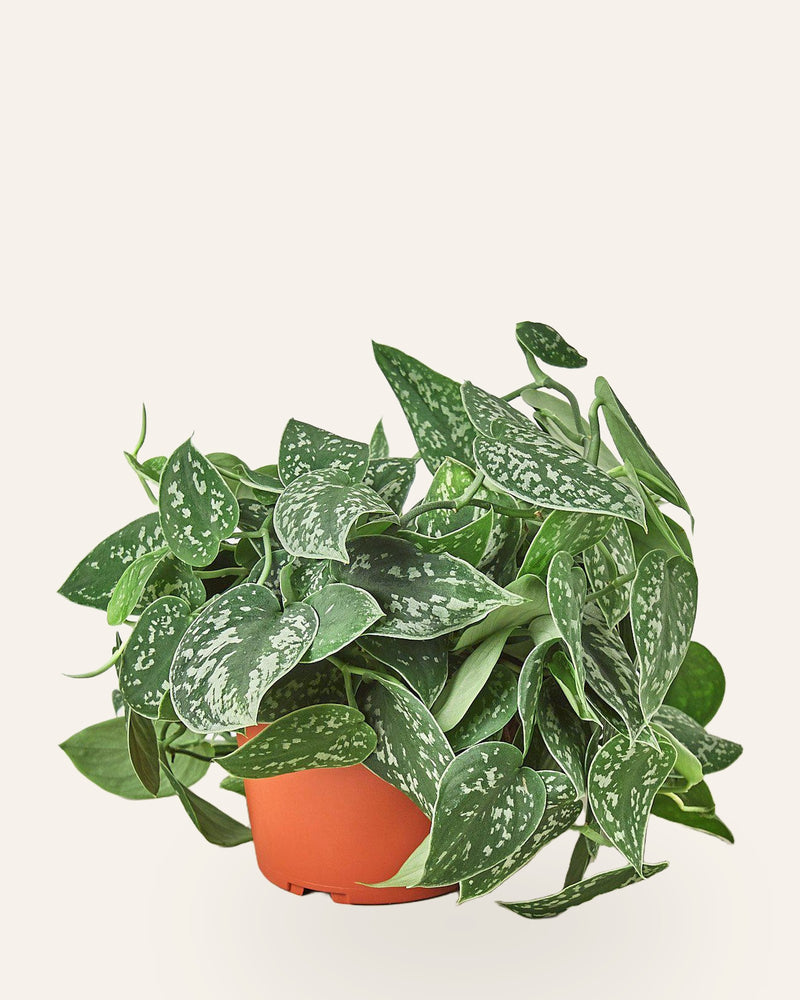
Satin Pothos
Scindapsus pictusPot fit: 4" or 6" nursery potWater after the top 1 to 2 inches of soil have dried
from $28.99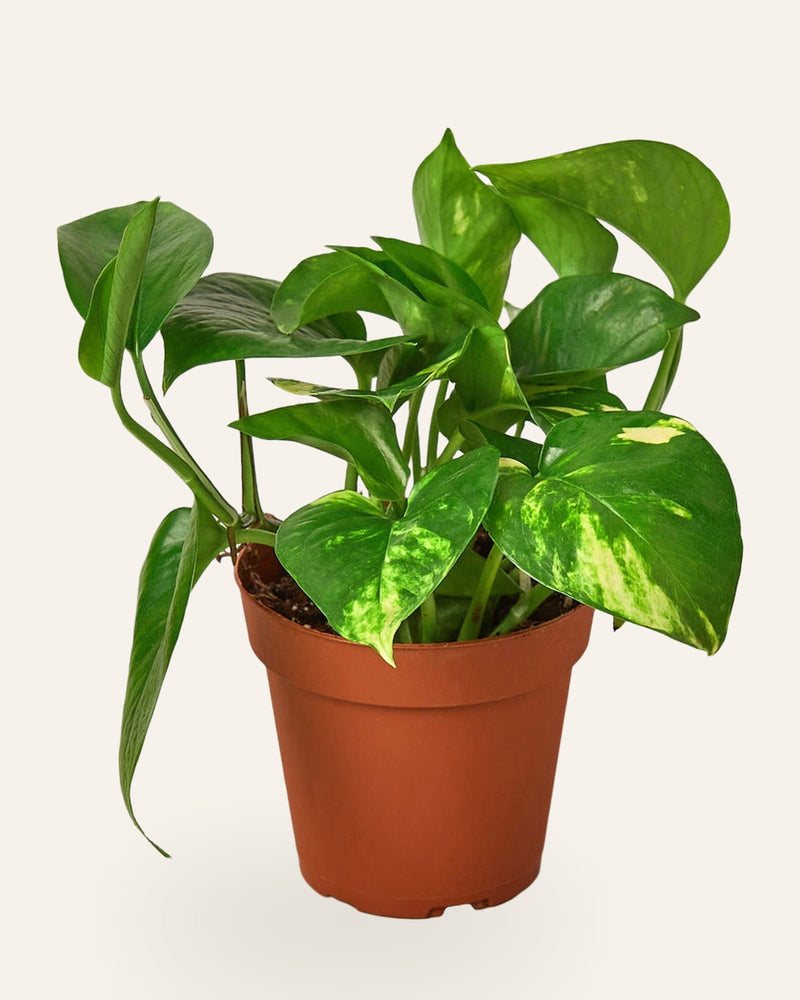
Golden Pothos
Epipremnum aureumPot fit: 4" or 6" nursery potWater when the top 2 inches of soil are dry, then drain fully
from $25.99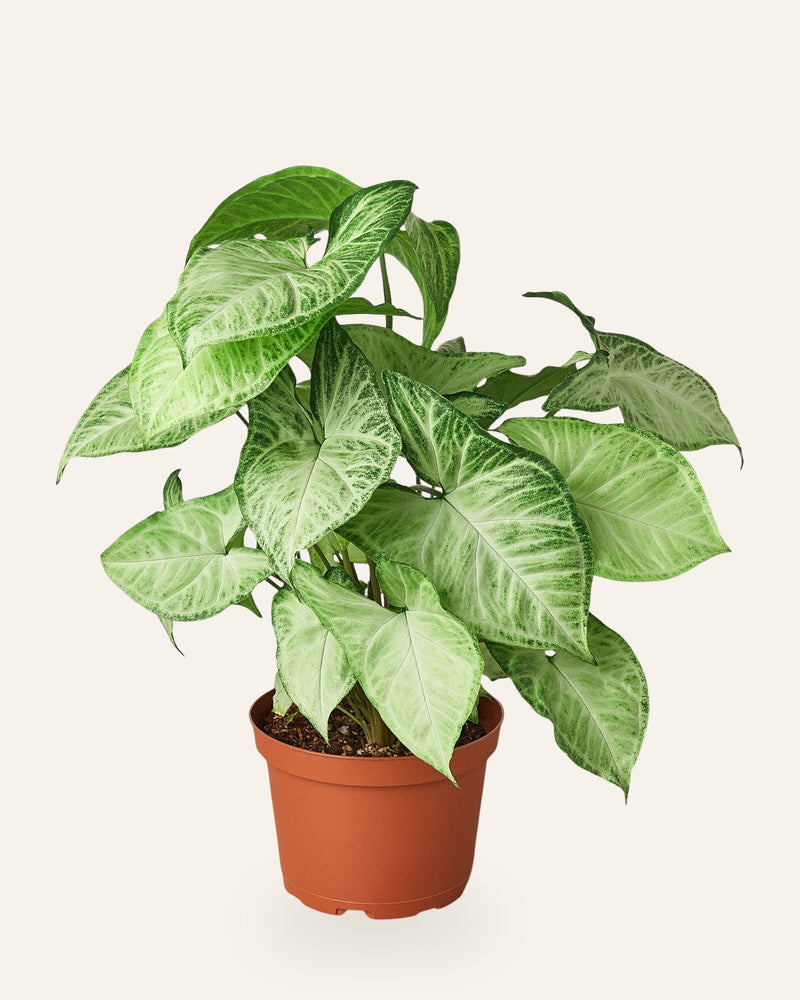
Arrowhead Plant 'White Butterfly'
Syngonium podophyllum 'White Butterfly'Pot fit: 3", 4" or 6" nursery potWater when the top inch of soil is dry
from $24.99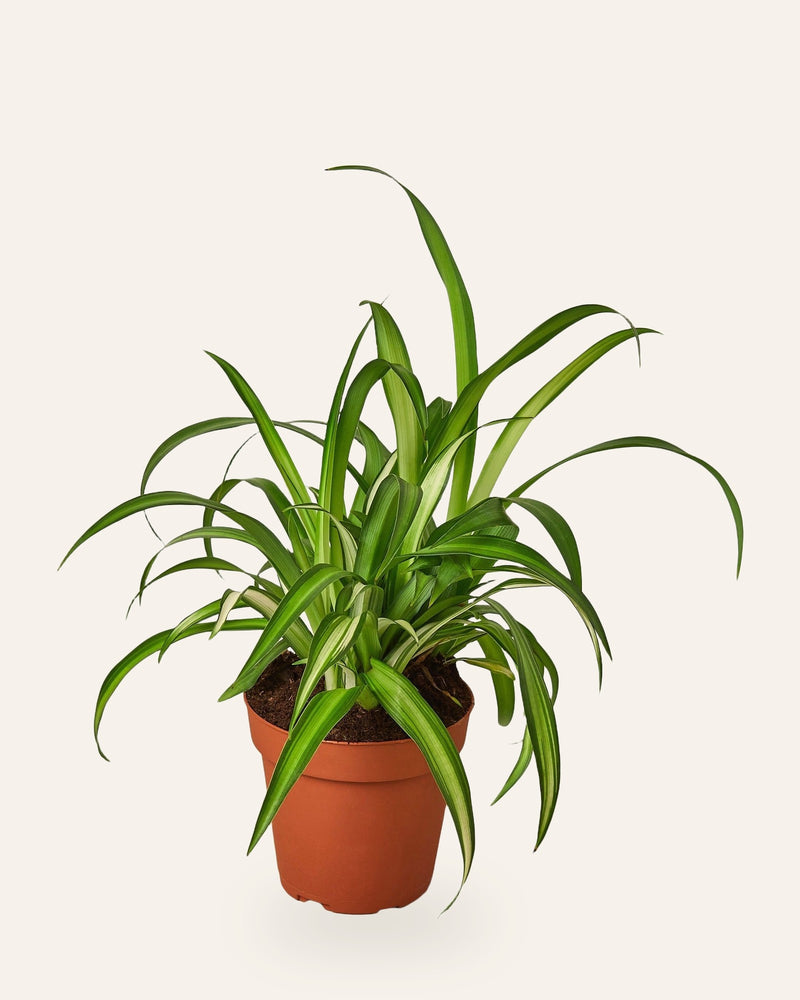
Hawaiian Spider Plant
Chlorophytum comosum 'Hawaiian'Pot fit: 4" nursery potWater when the top inch of soil is dry
$24.99Keep going with the care library
Care pages by plant, plus the watering and light calculators and the plant doctor.
More from the Journal
All Journal articles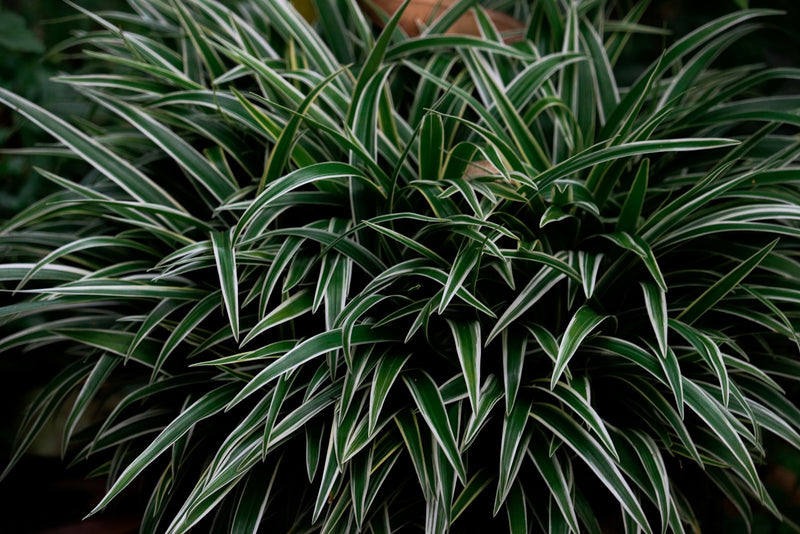
Why Do Spider Plants Get Brown Tips and Yellow Leaves?
Why spider plants get brown tips and yellow leaves, and how to fix each cause.
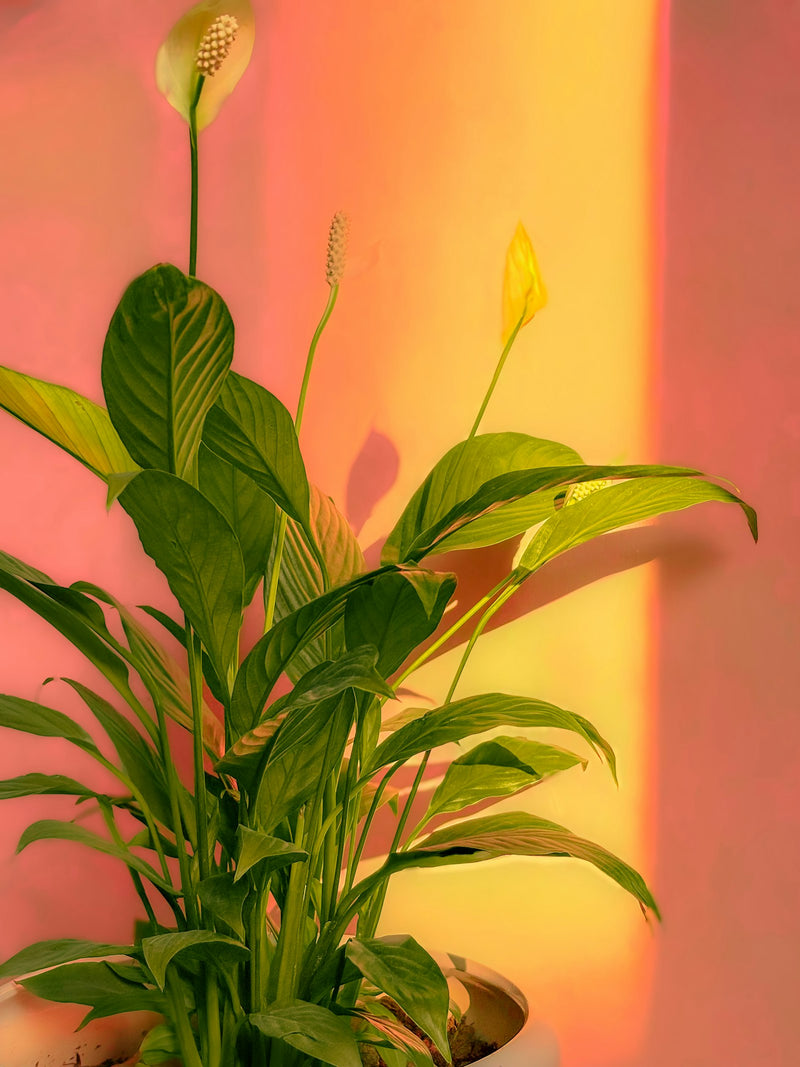
Why Is My Peace Lily Turning Yellow? Causes and Fixes
Why peace lily leaves turn yellow, what to check first, and how to bring the plant back.
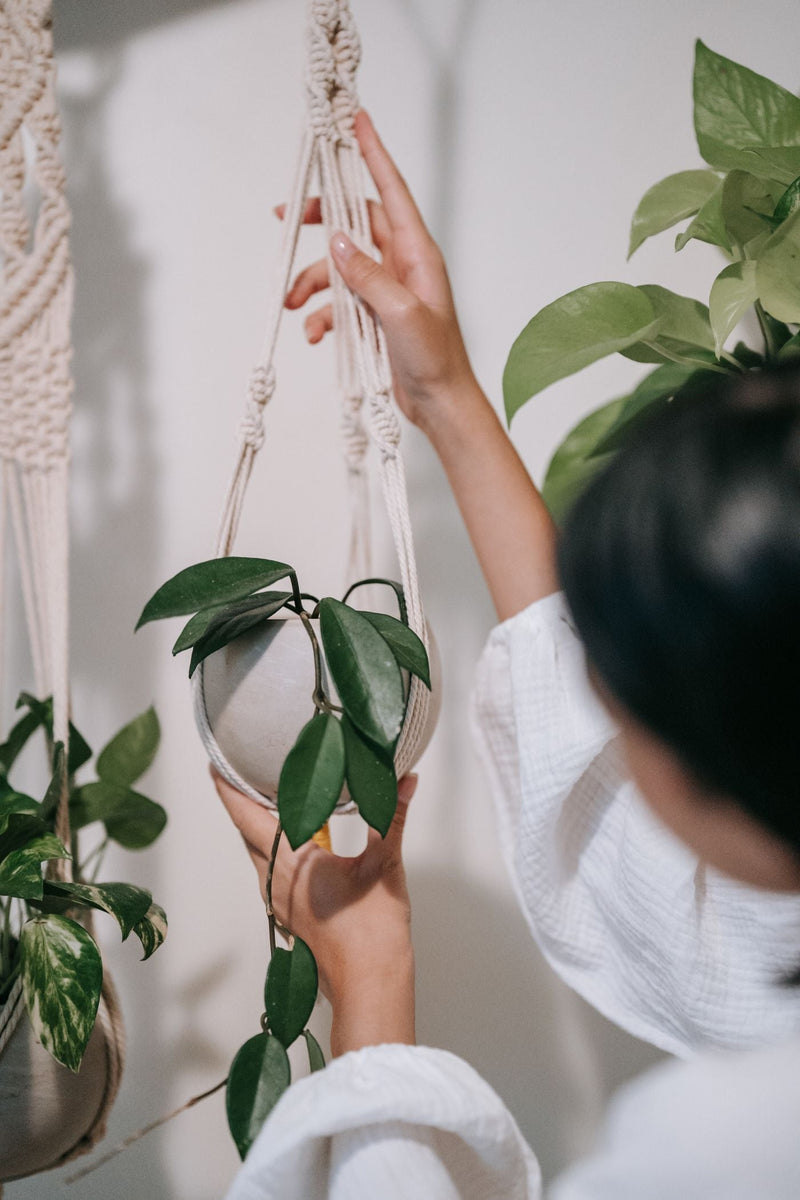
How to Grow Hoya: Propagation, Blooms and Problems
Start a hoya cutting, root it in water or mix, coax out blooms and fix yellow, dropping or wrinkled leaves. A practical gu...