Why Is My Peace Lily Turning Yellow? Causes and Fixes
Why peace lily leaves turn yellow, what to check first, and how to bring the plant back.

At a glance
Peace lily leaves turn yellow most often from too much or too little water. Other causes are low fertilizer, a pot that is too tight, too little light and overfeeding.
Feel the soil first. If it is soggy, you are overwatering. If it is dry and the plant is wilting, it needs water. A few yellow leaves at the bottom can also be normal aging.
Peace lily symptoms, causes and fixes
| Symptom | Likely cause | Fix |
|---|---|---|
| Yellow leaves, soil stays wet | Overwatering or poor drainage. Soggy soil suffocates the roots. | Let the soil dry slightly before watering. Empty the saucer. Check the roots. |
| Wilting, yellow leaf edges, dry soil | Soil dried out too much. | Water thoroughly. Then keep the soil moist but not soggy. |
| Drooping leaves | Usually not enough water (SDSU Extension). | Check the soil. Water if dry. If the soil is wet, check the roots. |
| Oldest, lowest leaves yellow | Too little fertilizer (nitrogen), a plant that needs repotting, poor drainage or low light. | Check drainage and light. Feed lightly. Repot if rootbound. |
| Yellow leaves with green veins | Possible magnesium deficiency (Clemson HGIC). | Feed with a balanced houseplant fertilizer at the label's light rate. |
| Yellow leaves and brown tips after feeding | Overfertilizing burns leaf tips and roots. | Flush with clear water. Skip feeding for now. |
| Brown tips with yellowing | Too much light, over-fertilizing, low water or low humidity (SDSU Extension). | Move out of direct sun. Water on a steady cycle. |
| Pale or yellow-green leaves in a dim spot | Too little light. | Move to bright, indirect light. |
| One or two oldest leaves yellow, plant looks healthy | Normal shedding of old leaves. | Cut them off at the base. |
What to check, in order
1. Watering
SDSU Extension says yellow leaves can result from either overwatering or underwatering. Clemson HGIC says to keep the soil moist but not soggy, and to let it dry out slightly between waterings. It also says soil that dries out too much makes the plant wilt and the leaf edges yellow.
Never let the pot sit in standing water. SDSU says this causes root problems.
2. Roots and drainage
Excess water cuts the oxygen supply to the roots and damages fine roots (University of Maryland Extension). Wilting or yellowing of lower and inner leaves is the main symptom. Clemson says root rot is usually tied to overwatering, and that an oversized pot can keep the soil too wet.
Tip the plant out of its pot. Healthy roots are white. Brown, soft or rotted roots mean overwatering or poor drainage (UC IPM).
3. Light
Peace lilies tolerate low light but grow best in bright, indirect light (Clemson). SDSU says an east-facing or north-facing window is ideal. Direct sun scorches the foliage. In low light, plants can turn pale green to yellow to white because they stop making chlorophyll (University of Minnesota Extension).
4. Feeding
SDSU says peace lilies are very sensitive to chemicals and suggests feeding in spring and summer with an organic fertilizer. Clemson recommends a balanced liquid fertilizer at one-quarter strength every six to eight weeks in spring and summer, and says these plants need very little. Overfertilizing burns the leaf tips and roots.
5. Pot size
SDSU says older leaves may yellow if the plant has not been repotted in a while. Repot when roots grow through the drainage holes or circle the soil surface. Clemson advises a pot one to two inches larger than the original.
6. Temperature
Clemson says peace lilies prefer daytime temperatures of about 68 to 85 degrees F, with nights roughly 10 degrees cooler. Avoid temperatures below 60 degrees F, and keep the plant away from heating and AC vents. UC IPM notes that drafty settings can brown leaf tips.
7. Water quality
SDSU suggests letting water sit out overnight so the chlorine can evaporate. Clemson says to use room-temperature water.
Step-by-step rescue
- Stop and check. Push a finger into the soil. Do not water until you know if it is wet or dry.
- If the soil is wet: let it dry until it is only slightly moist. Empty the saucer and any outer pot. Check that the pot has a drainage hole.
- If the soil is dry: water thoroughly until water runs out the bottom. If the mix has pulled away from the pot's sides, it may need several waterings to rehydrate (University of Maryland Extension).
- Cut off yellow leaves at the base. SDSU says they will not green up again.
- Check the roots. If only a few are dark and soft, cut them out and repot in sterile soil (Clemson HGIC).
- Repot in fresh mix. Use a pot with a drainage hole, one to two inches larger than the old pot (Clemson HGIC), not bigger. Skip the gravel layer at the bottom. University of Illinois Extension says it does not improve drainage. Set the plant at its original depth and firm the mix.
- Water so that it drains out the bottom. Then water less often until new growth appears.
- Adjust light and feeding. Move to bright, indirect light. Feed lightly in spring and summer only.
- Be patient. Yellow leaves will not recover. New leaves show whether the fix worked.
When to start over
If most of the roots are dark, soft and dead, Clemson HGIC says it is better to discard the plant. Before you replace it, fix the cause. Check drainage, pot size and light so the new plant does not decline the same way.
When you are ready, browse Palma's live houseplants.
For other symptoms such as brown tips, mushy stems and leaf drop, see our guide to why houseplants die.
Peace lilies at Palma

FAQ
How much sunlight does a peace lily need?
Bright, indirect light is best. Clemson HGIC says peace lilies tolerate low light but grow best in bright indirect light and should stay out of direct sun. SDSU Extension suggests an east-facing or north-facing window.
How much water does a peace lily need?
Keep the soil moist but not soggy, and let it dry slightly between waterings (Clemson HGIC, SDSU Extension). There is no set number of days. Check the soil, because light, pot size and temperature change how fast it dries.
When should I repot a peace lily?
Repot when roots grow through the drainage holes or circle the top of the soil (SDSU Extension, Clemson HGIC). Choose a pot one to two inches larger. Growing season is best, though Clemson says it can be done any time.
Sources
- SDSU Extension, "Peace Lily: Houseplant How-To": https://extension.sdstate.edu/peace-lily-houseplant-how
- Clemson Home and Garden Information Center, "Peace Lily": https://hgic.clemson.edu/factsheet/peace-lily/
- University of Maryland Extension, "Houseplant dieback" (overwatered indoor plants): https://extension.umd.edu/resource/overwatered-indoor-plants
- University of Maryland Extension, "Drought Stress to Indoor Plants": https://extension.umd.edu/resource/drought-stress-indoor-plants
- UC Statewide IPM Program, "Houseplant Problems": https://ipm.ucanr.edu/home-and-landscape/houseplant-problems/
- University of Minnesota Extension, "Lighting for indoor plants and starting seeds": https://extension.umn.edu/garden-and-home/yard-and-garden/gardening-in-minnesota/lighting-for-indoor-plants
- University of Illinois Extension, "Tips for Repotting Houseplants": https://extension.illinois.edu/blogs/good-growing/2018-03-19-tips-repotting-houseplants
- Clemson Home and Garden Information Center, "Houseplant Diseases & Disorders": https://hgic.clemson.edu/factsheet/houseplant-diseases-disorders/
Related plant care guides
- Why is my plant dying? A symptom-by-symptom guide
- Why do spider plants get brown tips and yellow leaves?
- How to care for succulents
About the author: Nick Alan is the founder of Palma and has more than 25 years of experience growing plants.
Nick Alan is the founder of Palma and has grown plants for 25+ years. He writes the shop's care guides and built the watering, soil and light tools.
View author profilePlants to grow next
Spider and peace lily plants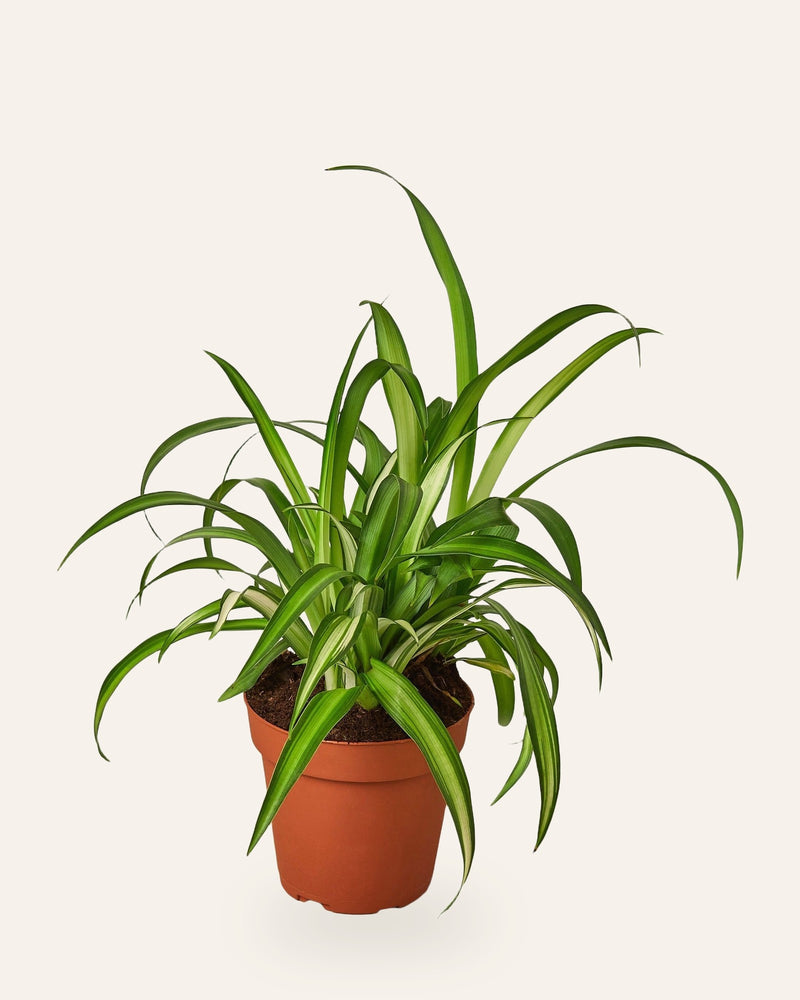
Hawaiian Spider Plant
Chlorophytum comosum 'Hawaiian'Pot fit: 4" nursery potWater when the top inch of soil is dry
$24.99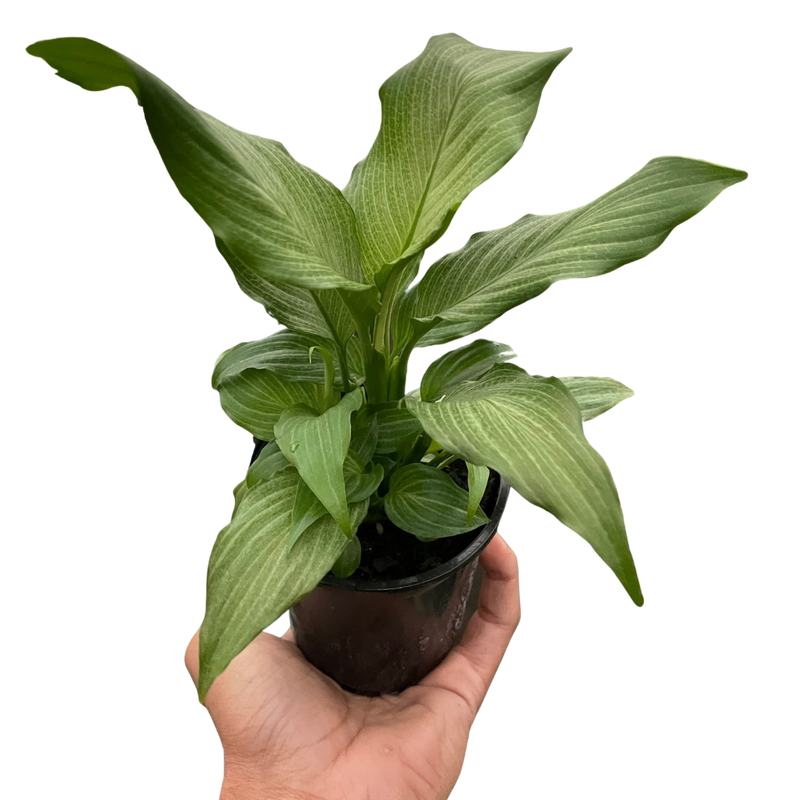
Spathiphyllum 'Platinum Mist'
Spathiphyllum 'Platinum Mist'Pot fit: 4" nursery potwater when the top of the soil dries
$26.99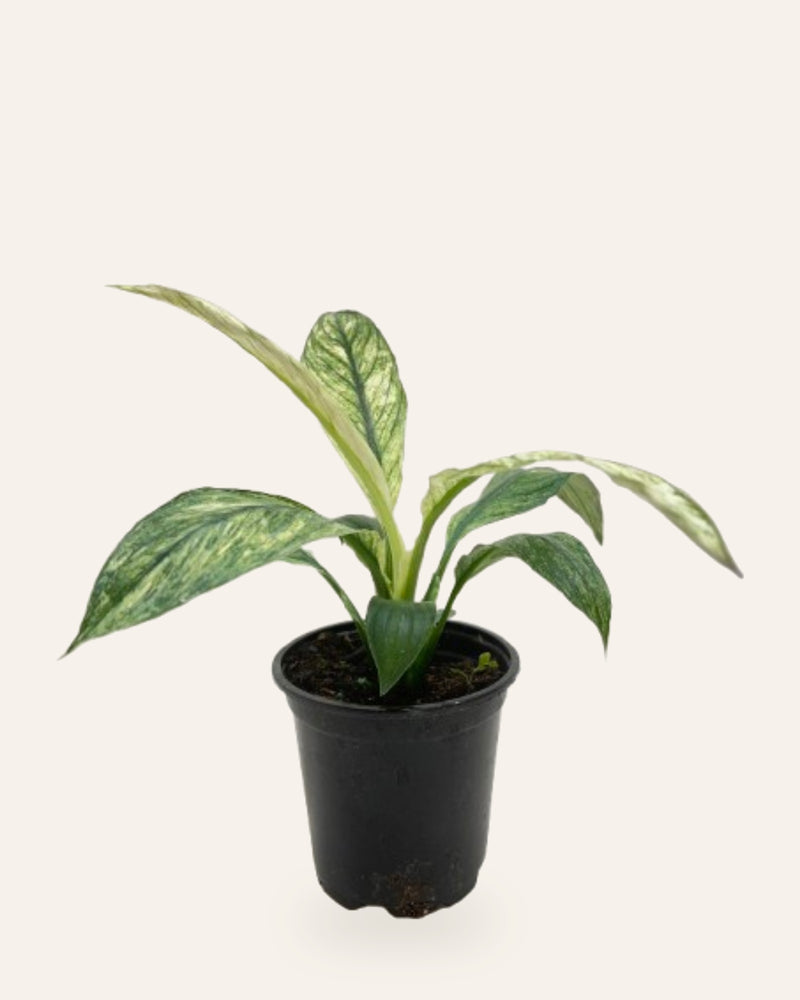
Spathiphyllum Jessica
Spathiphyllum 'Jessica'Pot fit: 4" nursery potwater when the top of the soil dries
$28.99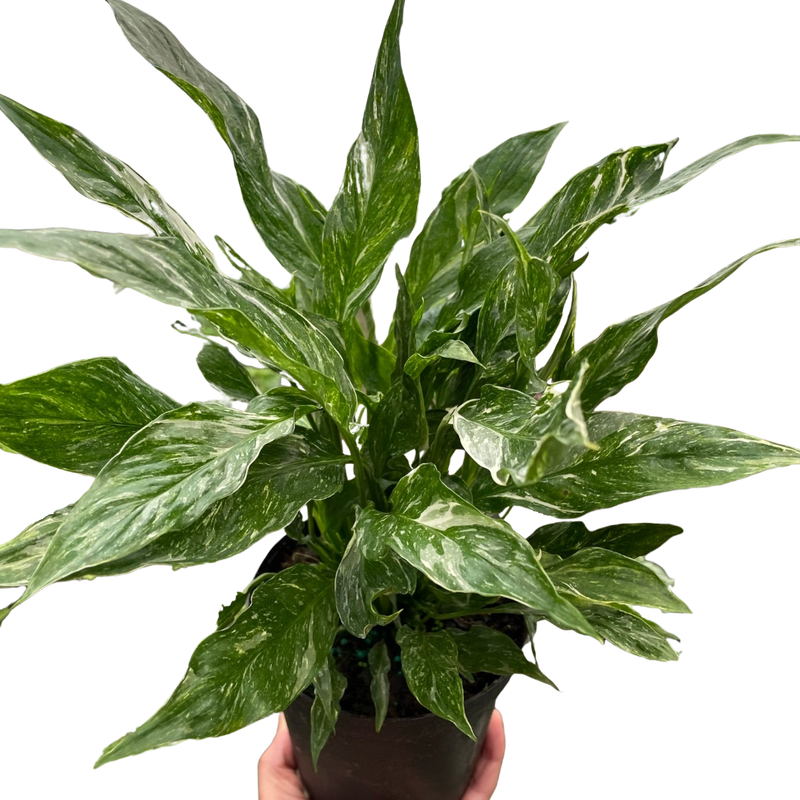
Variegated Spathiphyllum 'Domino'
Spathiphyllum 'Domino'Pot fit: 2", 4" or 6" nursery potwater when the top of the soil dries
from $18.99Keep going with the care library
Care pages by plant, plus the watering and light calculators and the plant doctor.
More from the Journal
All Journal articles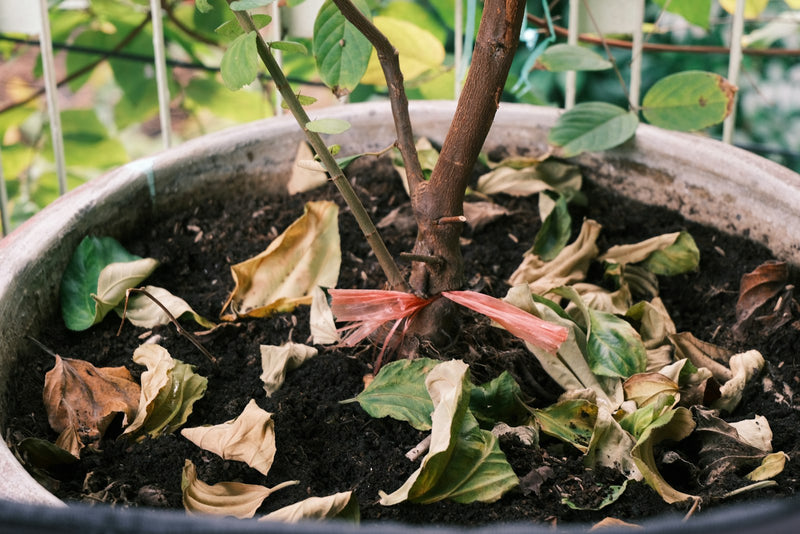
Why Is My Plant Dying? A Symptom-by-Symptom Guide
Why houseplants die and how to fix it: a symptom table, watering checks, and a step-by-step rescue plan.
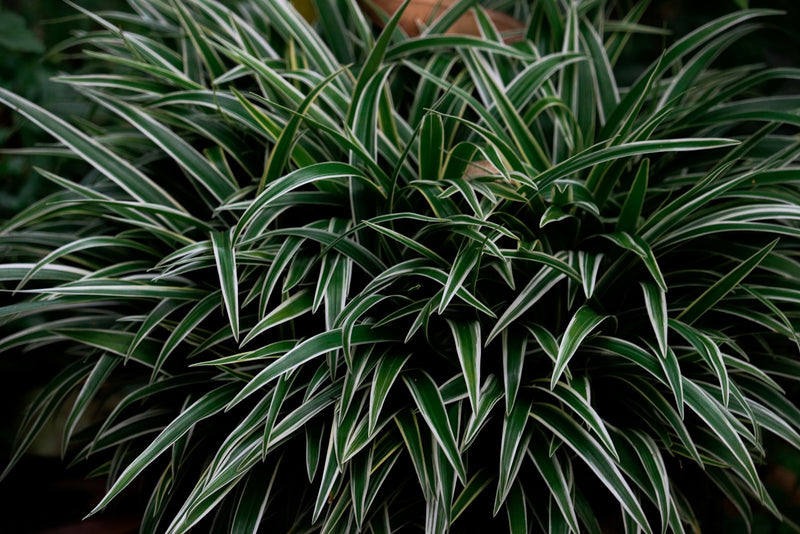
Why Do Spider Plants Get Brown Tips and Yellow Leaves?
Why spider plants get brown tips and yellow leaves, and how to fix each cause.
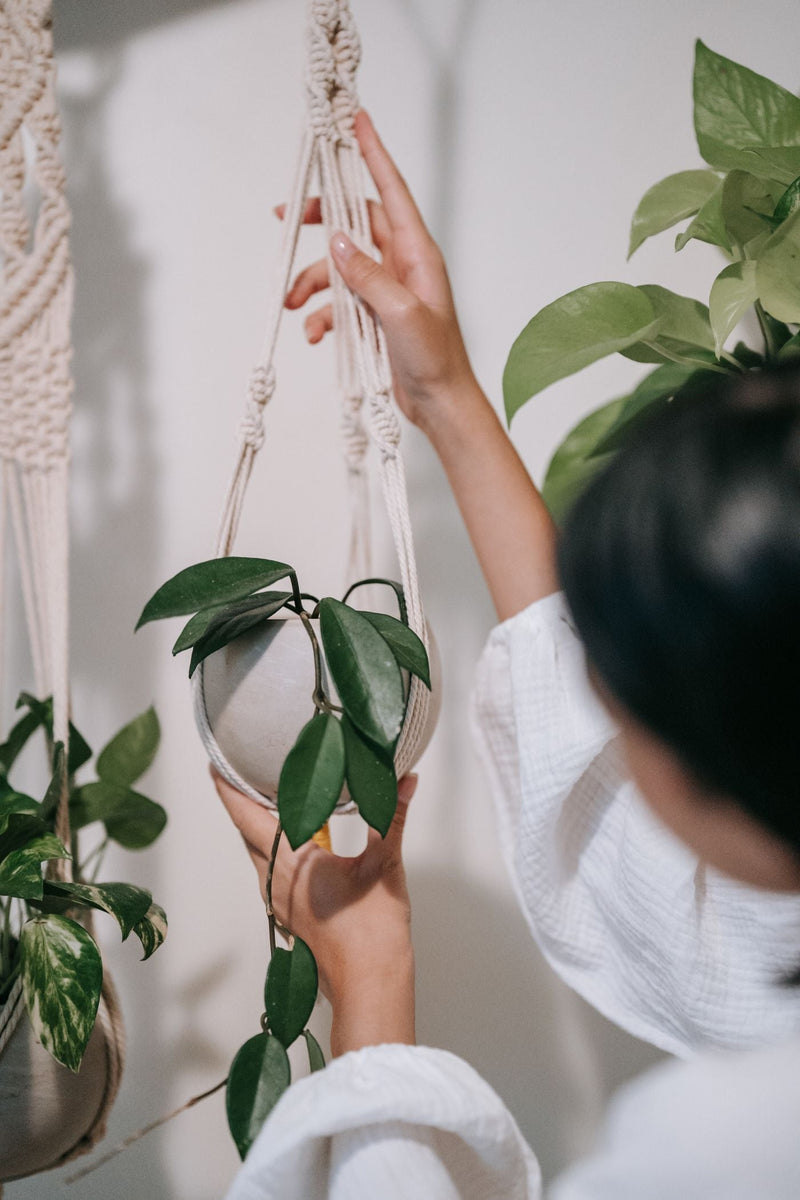
How to Grow Hoya: Propagation, Blooms and Problems
Start a hoya cutting, root it in water or mix, coax out blooms and fix yellow, dropping or wrinkled leaves. A practical gu...