Why Do Spider Plants Get Brown Tips and Yellow Leaves?
Why spider plants get brown tips and yellow leaves, and how to fix each cause.

At a glance
Spider plant brown tips usually come from dry air, fertilizer salts, dry soil, or chlorine and fluoride in tap water. Yellow leaves usually come from too much or too little water.
Check the soil and your water source first. Then look at humidity and how often you feed the plant. Most spider plants recover once you fix the cause.
Why the tips turn brown
Wisconsin Horticulture Extension calls tip burn a common spider plant problem with many causes. These are low humidity, dry soil, salt buildup, and fluoride or chlorine in tap water. Iowa State Extension names spider plant as one of the plants sensitive to chlorine and fluoride, and says the damage builds up over a long period.
Iowa State says low humidity is the most likely cause of brown tips on houseplants in general. Homes are often dry, especially in winter.
Spider plant symptoms, causes and fixes
| Symptom | Likely cause | Fix |
|---|---|---|
| Brown tips on many leaves | Tap water with chlorine or fluoride, built up over time | Use distilled water or rainwater. SDSU Extension also says to let tap water sit 24 hours so chemicals can evaporate. |
| Brown tips, white crust on soil or pot | Fertilizer or water high in soluble salts | Flush with clear water until it runs out the drainage hole. Cut back on fertilizer. |
| Brown tips, dry soil | Letting the plant dry out too long between waterings | Water thoroughly, then let the soil dry slightly before the next watering. |
| Brown tips, dry winter air | Low humidity | Use a humidifier or pebble tray, or group plants together. |
| Brown, scorched patches on leaves near a window | Strong midday sun | Move out of midday sun. Clemson recommends bright, indirect light. |
| Yellow leaves, soil stays wet | Overwatering, poor drainage or root rot | Let the soil dry. Check the roots. Repot in fresh, well-drained mix if needed. |
| Yellow leaves, soil bone dry | Underwatering | Water thoroughly. Clemson says too much or too little water is the primary problem. |
| One or two old outer leaves yellow | Normal shedding of old leaves | Trim them at the base. |
| Older leaves yellow, plant crowded in pot | Pot-bound roots or too little fertilizer | Divide and repot. Feed lightly in the growing season. |
| Drooping leaves | Dry root ball or rotted roots | Check the soil first, then the roots. |
Step-by-step rescue
- Check the soil. Push a finger in an inch or two. Water only if it is dry down there (Iowa State Extension).
- Switch your water. Use distilled water or rainwater for a few months. Wisconsin Extension says these help prevent brown tips. Check that new leaves grow in clean.
- Flush the soil. Water slowly with clear water until it runs out the drainage hole. Iowa State recommends this for salt buildup. Let the pot drain fully.
- Cut back on fertilizer. Wisconsin Extension says feeding every three to four months is usually enough, or feed more often at half strength. Heavy feeding can cause tip browning and reduce plantlet production. Fertilize only while the plant grows.
- Water on a steady cycle. Let the soil dry slightly between thorough waterings. Empty the saucer.
- Raise humidity. Use a humidifier, a pebble tray, or a group of plants.
- Check the light. Keep the plant in bright, indirect light and out of midday sun. Too little light can fade white variegation (University of Minnesota Extension notes that variegated plants may lose their white markings in low light).
- Trim the damage. Cut off brown tips with clean scissors. Cut yellow leaves at the base. Iowa State warns that new browning will appear if the root cause stays.
- Check the roots if yellowing continues. Tip the plant out of its pot. Healthy roots are white. Roots that are brown, soft or rotted mean overwatering or poor drainage (UC IPM). Cut out any soft roots and repot in sterile, well-drained mix.
- Repot if the pot is packed. Spider plants grow best slightly pot-bound, but Clemson says to divide and repot before the thick, fleshy roots crack the container. Wait four to six months after repotting before you fertilize (SDSU Extension).
Prevent it from coming back
- Water with distilled water or rainwater.
- Feed lightly and only during active growth.
- Keep days at 65 to 75 degrees F and nights at 50 to 55 degrees F, as Clemson advises. Move the plant a few feet back from windows in winter to avoid drafts.
- Use a pot with a drainage hole and empty the saucer.
When to start over
Start over if most of the roots are dark, soft and dead. Clemson HGIC advises discarding a plant in that state. If only a few roots are bad, cut them out and repot in sterile soil.
Spider plants also divide easily. Wisconsin Extension says you can pot up plantlets that have already rooted, or divide a large plant. If the main plant fails and you have a healthy rooted plantlet, you have a fresh start.
If you would rather begin with a new plant, browse Palma's live houseplants.
For other houseplant symptoms, see our guide to why houseplants die.
Spider plants at Palma

Spider Plant 'Bonnie'
Hawaiian Spider Plant
FAQ
Why is my spider plant turning brown?
Brown leaves or tips come from salts, dry soil, low humidity or tap-water chemicals. UC IPM adds too much sun or heat through a window, and drafts. Work through the table above. Start with your water source and the soil moisture.
Why is my spider plant drooping?
Drooping means the roots cannot supply enough water to the leaves. Underwatering causes it, and so does root rot from overwatering. Feel the soil. If it is dry, water thoroughly. If it is wet, check the roots.
How often should I water my spider plant?
SDSU Extension says to water about once a week and allow the soil to dry out between waterings. Wisconsin Extension says to let the soil dry slightly between thorough waterings. Check the soil before each watering, because pot size, light and temperature change how fast it dries.
Sources
- University of Wisconsin Extension Horticulture, "Spider plant, Chlorophytum comosum": https://hort.extension.wisc.edu/articles/spider-plant-chlorophytum-comosum/
- Clemson Home and Garden Information Center, "Spider Plant": https://hgic.clemson.edu/factsheet/spider-plant/
- SDSU Extension, "Spider Plants: Houseplant How-To": https://extension.sdstate.edu/spider-plants-houseplant-how
- Iowa State University Extension and Outreach, "Why does my houseplant have brown leaf tips and edges?": https://yardandgarden.extension.iastate.edu/faq/why-does-my-houseplant-have-brown-leaf-tips-and-edges
- Iowa State University Extension and Outreach, "Diagnosing Houseplant Problems Related to Poor Culture": https://yardandgarden.extension.iastate.edu/how-to/diagnosing-houseplant-problems-related-poor-culture
- UC Statewide IPM Program, "Houseplant Problems": https://ipm.ucanr.edu/home-and-landscape/houseplant-problems/
- Iowa State University Extension and Outreach, "Why is my houseplant wilting?": https://yardandgarden.extension.iastate.edu/faq/why-my-houseplant-wilting
- University of Minnesota Extension, "Lighting for indoor plants and starting seeds": https://extension.umn.edu/garden-and-home/yard-and-garden/gardening-in-minnesota/lighting-for-indoor-plants
- Iowa State University Extension and Outreach, "Diagnosing Houseplant Problems from Improper Environmental Conditions": https://yardandgarden.extension.iastate.edu/how-to/diagnosing-houseplant-problems-improper-environmental-conditions
- Clemson Home and Garden Information Center, "Houseplant Diseases & Disorders": https://hgic.clemson.edu/factsheet/houseplant-diseases-disorders/
Related plant care guides
- Why is my plant dying? A symptom-by-symptom guide
- Why is my peace lily turning yellow?
- How to care for succulents
About the author: Nick Alan is the founder of Palma and has more than 25 years of experience growing plants.
Nick Alan is the founder of Palma and has grown plants for 25+ years. He writes the shop's care guides and built the watering, soil and light tools.
View author profilePlants to grow next
Spider and peace lily plants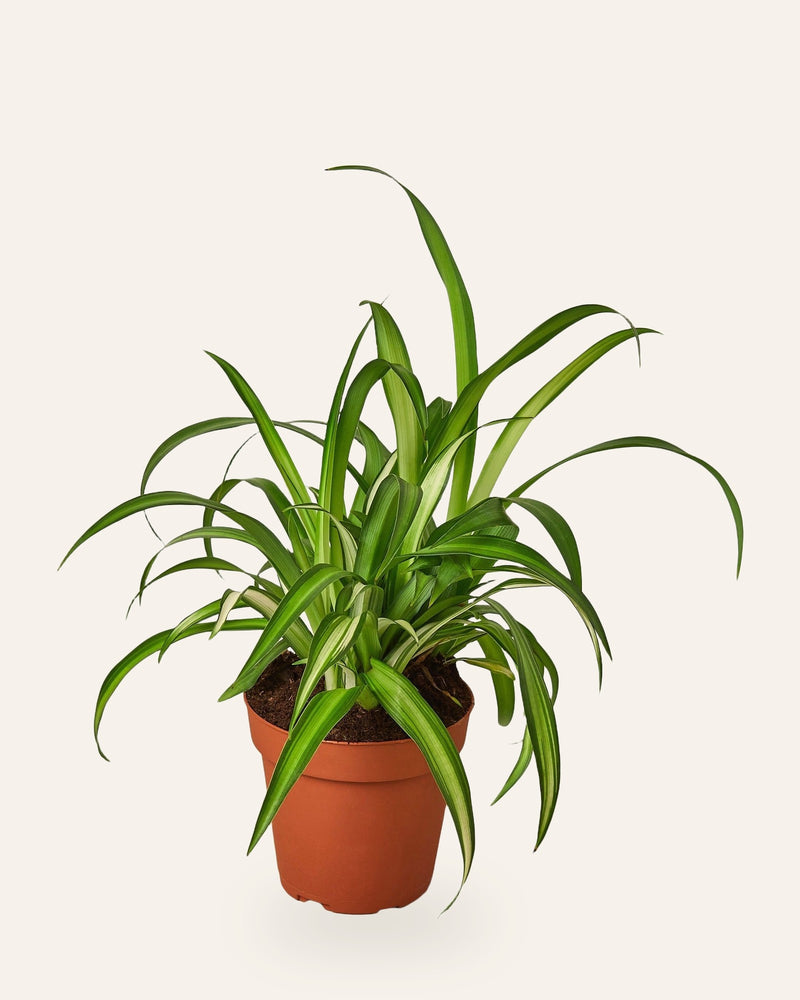
Hawaiian Spider Plant
Chlorophytum comosum 'Hawaiian'Pot fit: 4" nursery potWater when the top inch of soil is dry
$24.99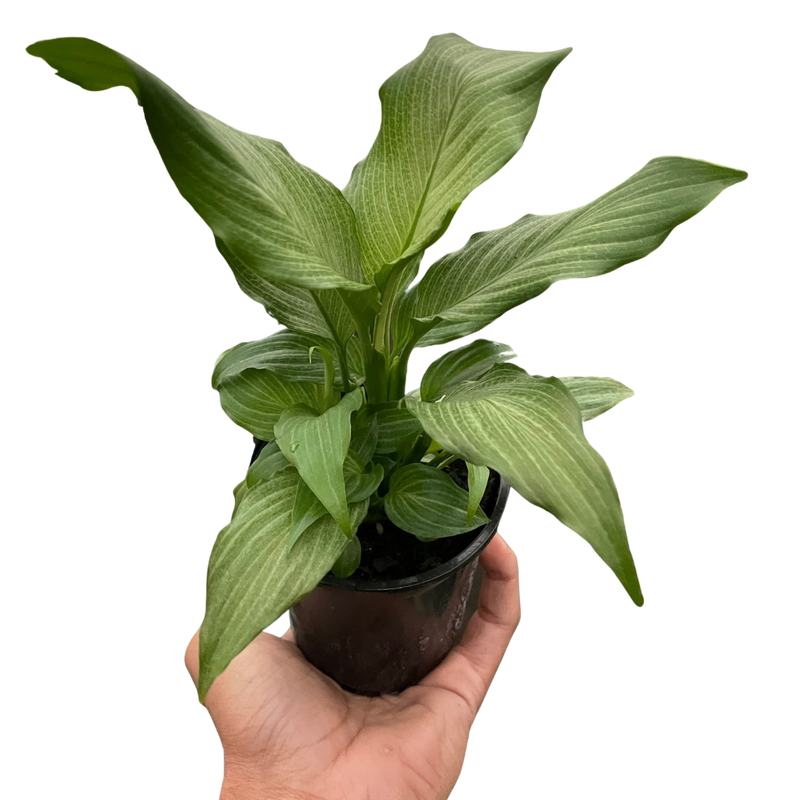
Spathiphyllum 'Platinum Mist'
Spathiphyllum 'Platinum Mist'Pot fit: 4" nursery potwater when the top of the soil dries
$26.99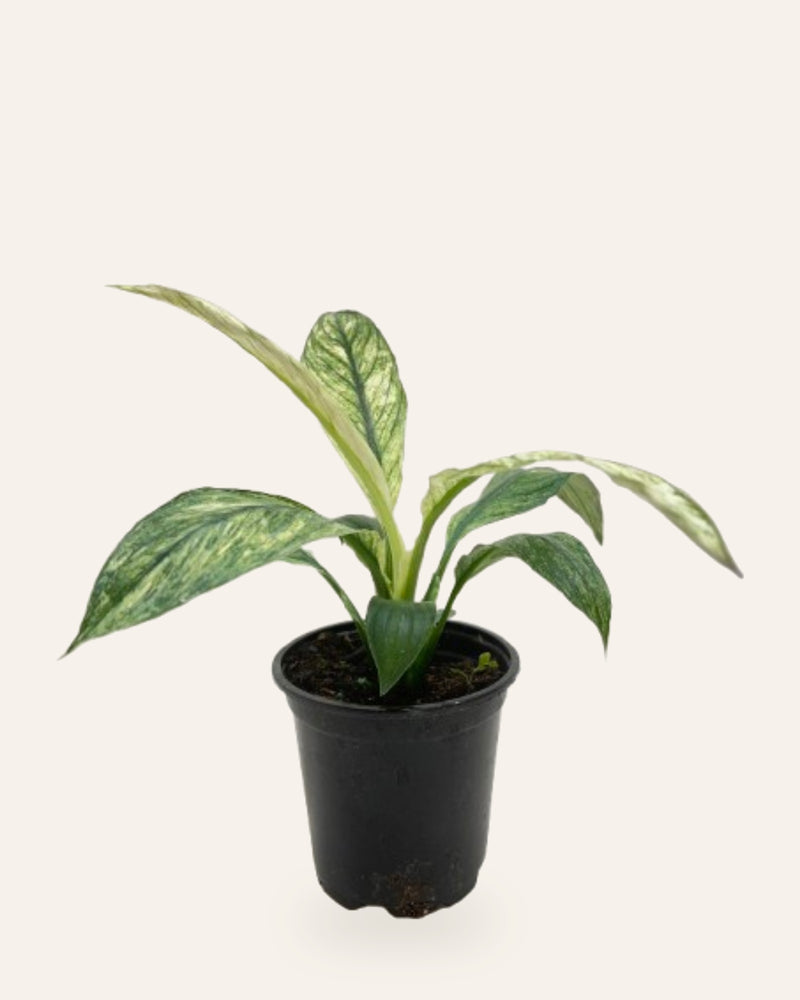
Spathiphyllum Jessica
Spathiphyllum 'Jessica'Pot fit: 4" nursery potwater when the top of the soil dries
$28.99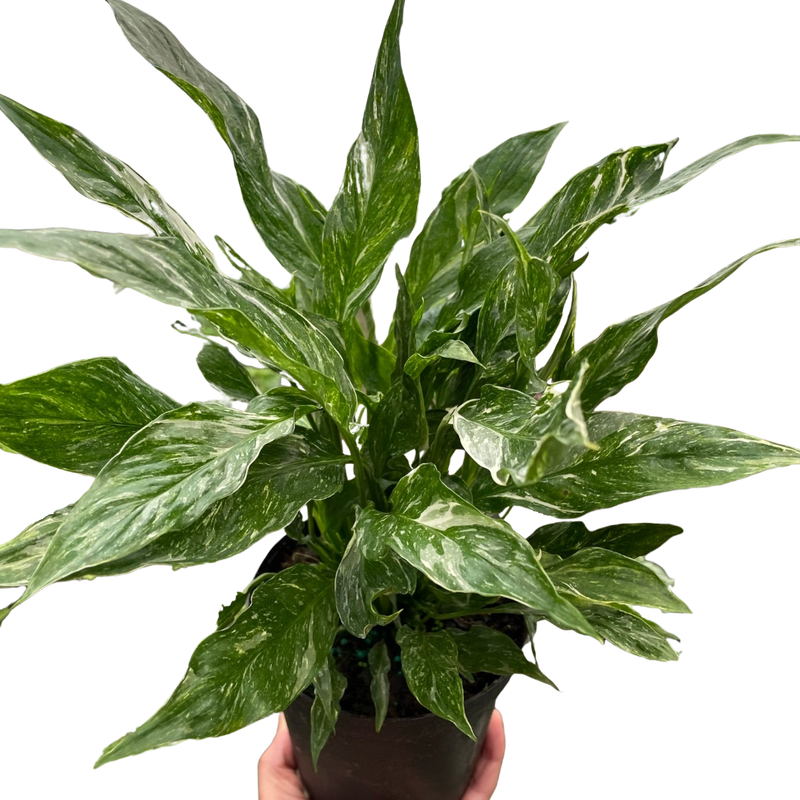
Variegated Spathiphyllum 'Domino'
Spathiphyllum 'Domino'Pot fit: 2", 4" or 6" nursery potwater when the top of the soil dries
from $18.99Keep going with the care library
Care pages by plant, plus the watering and light calculators and the plant doctor.
More from the Journal
All Journal articles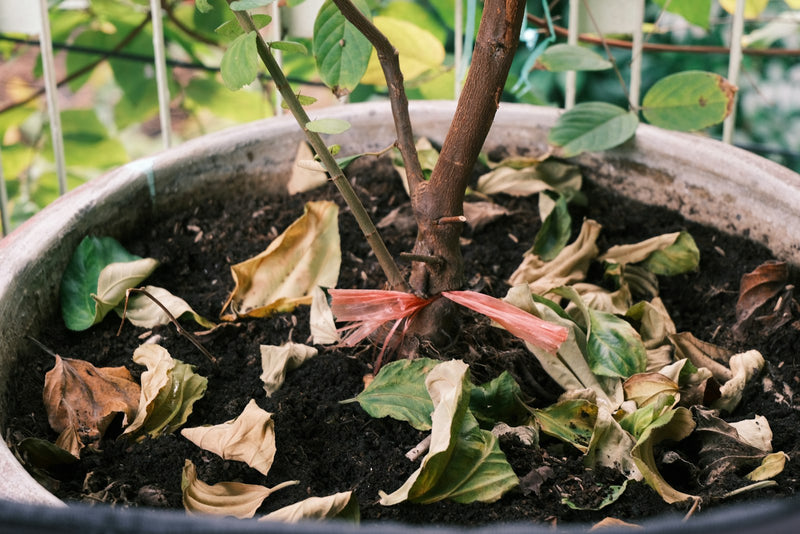
Why Is My Plant Dying? A Symptom-by-Symptom Guide
Why houseplants die and how to fix it: a symptom table, watering checks, and a step-by-step rescue plan.
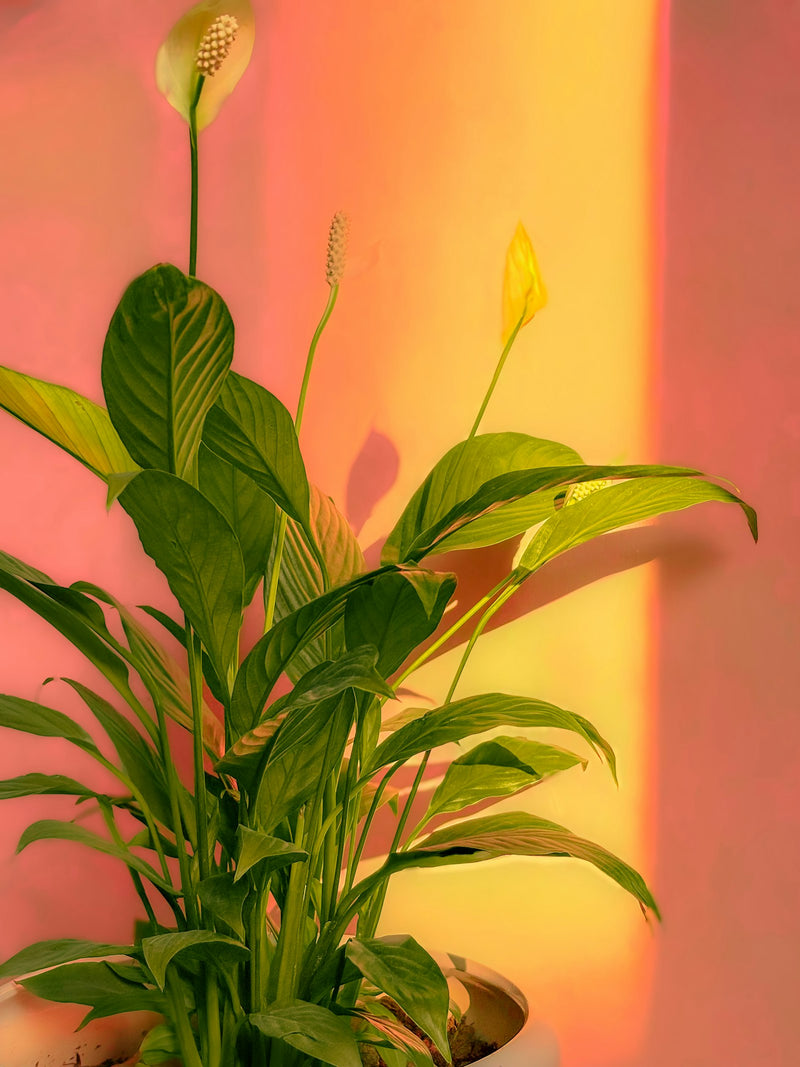
Why Is My Peace Lily Turning Yellow? Causes and Fixes
Why peace lily leaves turn yellow, what to check first, and how to bring the plant back.
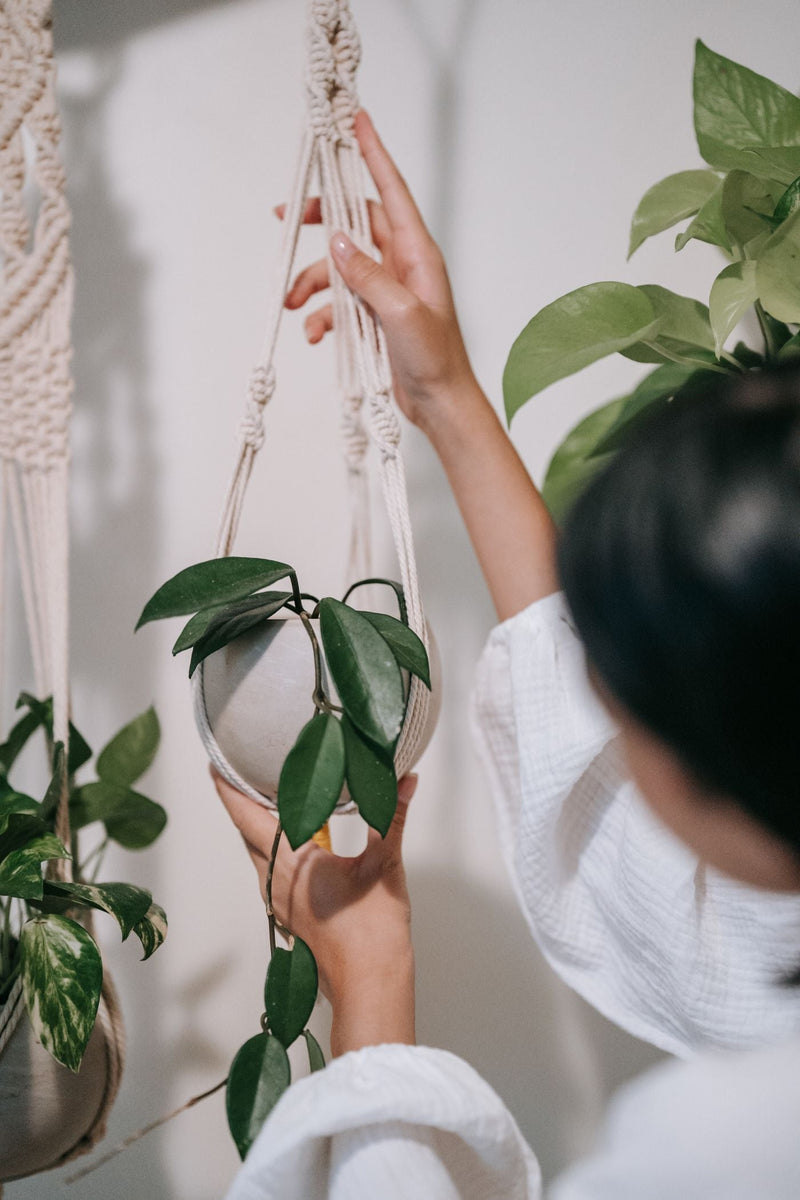
How to Grow Hoya: Propagation, Blooms and Problems
Start a hoya cutting, root it in water or mix, coax out blooms and fix yellow, dropping or wrinkled leaves. A practical gu...