How to Grow Houseplants from Seed: A Complete Seed-Starting Guide
Fresh seed, clean mix, steady warmth and strong light. Here is the simple 6-step method for growing houseplants from seed, plus plant-by-plant tips for coleus, bird of paradise, African violet, dragon tree, monstera, philodendron and Ficus altissima.

At a glance
Learning how to grow houseplants from seed comes down to three things: fresh seed, a clean seed-starting mix, and steady warmth, moisture and light until the first true leaves appear. Fine seeds like coleus and African violet are pressed onto the surface because they need light to sprout. Big tropical seeds like bird of paradise and dragon tree are soaked first, then buried and kept warm for weeks or months.
This guide covers the general method that works for almost every indoor plant, then walks through coleus, bird of paradise, African violet, dragon tree, monstera, split-leaf philodendron and Ficus altissima one by one. If you want to start with everything in one box, our grow kits pair seed with the supplies below.

What you need to start houseplant seeds
You don't need a greenhouse. A bright shelf and a few basic supplies are enough:
• Fresh seed from a source you trust
• A sterile, soilless seed-starting mix (not garden soil or compost)
• Clean trays, cells or small pots with drainage holes
• A clear plastic dome or bag to hold in humidity
• A spray bottle for misting
• A seedling heat mat (very helpful for tropical seeds)
• An LED or fluorescent grow light on a timer
• Plant labels and a pencil
If you'd rather not shop for each piece, the microgreens and seed starting kit covers the basics, and you can browse all our houseplant seeds in one place.
How to grow houseplants from seed: the 6-step method
These steps follow university extension guidance on seed starting. Adjust the depth, soak time and temperature for each plant using the table further down.
1. Prepare clean containers and mix
Use new seed-starting mix every time. Old potting mix, garden soil and compost can carry the fungi that cause damping off. If you reuse trays, soak them in a 10% bleach solution for 30 minutes and rinse well. Moisten the mix before you fill the containers.
2. Pre-treat large seeds
Big, hard-coated seeds sprout faster after soaking. Monstera and philodendron seeds get a soak of 12 to 48 hours. Bird of paradise seeds need their orange tuft removed and a 1 to 2 day soak. Dragon tree seeds are scarified (lightly nicked or sanded) and soaked for 24 hours. Fine seeds like coleus, African violet and Ficus altissima skip this step.
3. Sow at the right depth
A good rule of thumb is to plant a seed about twice as deep as it is wide. Seeds that need light to sprout, such as coleus, go on the surface and are pressed in gently rather than buried. Dust-fine seeds are simply scattered on top.
4. Cover and keep warm
Set a clear dome or bag over the tray to hold in moisture. Most seeds sprout best with the mix at about 70 to 75°F. The mix can run a few degrees cooler than the room, so a heat mat makes a real difference, especially for tropical seeds that want it warmer.
5. Give strong light as soon as sprouts appear
Take the dome off once seedlings emerge or start to touch it. Give them 12 to 16 hours of light a day, with the light about 2 to 4 inches above the tops of the seedlings. A sunny window alone is usually too weak and leads to stretched, floppy stems. Raise the light as the plants grow.
6. Water gently, thin and feed lightly
Keep the mix moist but never soggy. Mist the surface or water from below, and use room-temperature water, since cold water slows growth. When seedlings have true leaves, snip extras at the soil line with scissors instead of pulling them. Hold off on fertilizer until there are several sets of true leaves, then use a soluble fertilizer at quarter strength.
Houseplant seed comparison table
Use this table to see how each plant differs before you sow. Sprout times assume warm, moist conditions with fresh seed.
| Plant | Sprouts in | Depth / light / prep | Difficulty | Time to a sizable plant |
|---|---|---|---|---|
| Coleus | 7 to 20 days | Surface-sow; needs light to sprout | Beginner | About 8 weeks to transplant size |
| Bird of paradise | 2 to 3 months | Remove orange aril, soak 1 to 2 days, about ½ to 1 inch deep, 75 to 85°F | Advanced | Flowers in 3 to 4+ years |
| Monstera | 1 to 8 weeks | Soak 12 to 24 hours, 1/4 to 1/2 inch deep; sow fresh | Intermediate | Slow; months before mature leaves |
| Philodendron selloum | 2 to 8 weeks | Soak 12 to 48 hours, 1/4 to 1/2 inch deep | Intermediate | Slow; months before split leaves |
| Dragon tree (Dracaena draco) | 2 to 3 months | Scarify and soak 24 hours, about 80°F, bright light | Advanced | Very slow; years |
| African violet | About 3 to 4 weeks | Dust-fine seed, surface-sow, about 70°F, high humidity | Intermediate | Several months |
| Ficus altissima | Varies by seed lot | Tiny seed, surface-sow, warm, humid, bright | Intermediate | Slow; months |
Coleus from seed

Coleus is the best first plant for anyone new to seed starting. It sprouts quickly, shows its leaf color early, and does well indoors under a grow light.
How to grow coleus from seed
Fill a tray with moist seed-starting mix and scatter the seeds thinly over the top. Press them into the surface so they make good contact, cover the tray with a clear dome, and keep the mix at about 70 to 75°F. Most seeds sprout in 7 to 20 days; a warm tray is at the fast end, a cool one at the slow end.
Once sprouts appear, remove the dome and move the tray under a grow light. After germination, coleus grows well a little cooler, around 65 to 70°F. Thin to one seedling per cell once true leaves show, and pot up when the plants fill their cells. The colors deepen as the plants grow, so don't judge a seedling by its first leaves.
For bold color from the start, try the Wizard coleus mix seeds or the near-black leaves of Black Dragon coleus seeds. The grow a coleus seed kit includes what you need for a first try.
How deep to plant coleus seeds
Don't bury them. Coleus seeds need light to germinate, so they belong on the surface of the mix. Press them in gently. If you cover them at all, use only a very thin dusting of fine vermiculite that light can still pass through. Seeds planted too deep are one of the most common reasons coleus fails to come up.
Bird of paradise from seed

Bird of paradise (Strelitzia) is a patient grower's project. The seeds are hard, slow and uneven to sprout, but the result is a striking tropical plant you raised yourself.
How to grow bird of paradise from seed
The seeds are black and round with a bright orange tuft, called an aril. Pull or scrape off the aril, then soak the seeds in warm water for 1 to 2 days. Plant each seed about ½ to 1 inch deep in moist seed-starting mix and keep it at 75 to 85°F, ideally on a heat mat.
Expect to wait. Sprouting usually takes 2 to 3 months, and seeds rarely come up all at once. Pretreatment matters: in a University of California trial, untreated seed almost never sprouted, while soaked seed did far better. Keep the mix evenly moist but not wet the whole time, and don't give up on a pot too soon.
Once a seedling has a few leaves, give it bright light and pot it up as roots fill the container. Bird of paradise is slow to mature, and plants grown from seed usually take 3 to 4 years or more to flower.
Start with Strelitzia bird of paradise seeds, or try the grow a bird of paradise plant seed kit.
Bird of paradise planting checklist
• Remove the orange aril completely
• Soak 1 to 2 days in warm water
• Plant about ½ to 1 inch deep
• Keep the mix at 75 to 85°F
• Keep evenly moist and wait 2 to 3 months
African violets from seed

Most African violets are grown from leaf cuttings, so growing them from seed is a fun way to see new colors and leaf forms.
What do African violet seeds look like
African violet seeds look like fine dust. They are so small that there are roughly a million seeds in an ounce, which is why you scatter them rather than plant them one by one. Tap them out of the packet over a sheet of white paper so you can see where they land.
How to grow African violets from seed
Use a very fine, pre-moistened seed mix and level the surface. Sprinkle the seeds thinly on top and mist them so they settle in. Don't cover them. Keep humidity high with a dome, and water only by misting or from below, because a stream of water will wash the seeds around.
Keep the mix at about 70°F. At that temperature, germination takes around 25 days. Give the seedlings bright, indirect light or a grow light, and be patient: they stay tiny for the first several weeks before growth picks up. The grow an African violet seed kit is set up for exactly this kind of fine seed.
Dragon tree from seed
The dragon tree, Dracaena draco, is a slow, sculptural plant. Growing it from seed takes time, but it rewards a patient grower.
How to grow a dragon tree
Dragon tree seeds have a hard coat. Scarify each seed by rubbing it lightly on sandpaper or nicking the coat, taking care not to damage the inside. Then soak the seeds for 24 hours in warm water.
Plant them in moist seed-starting mix, cover the tray, and keep it at about 80°F. Sprouting usually takes 2 to 3 months. Once seedlings appear, give them bright light and keep the mix lightly moist, never soggy. Growth is slow, so think of this as a long-term plant. You'll find Dracaena draco dragon tree seeds in our seed collection.
Monstera from seed

Monstera seeds don't store well, so sow them as soon as they arrive. Soak them for 12 to 24 hours, then plant them 1/4 to 1/2 inch deep in moist mix and keep them warm and covered. Sprouts can appear in as little as a week or take up to 8 weeks. Get started with Monstera deliciosa seeds.
Philodendron selloum from seed
Split-leaf philodendron (Philodendron selloum) is one of the easier large tropicals to raise from seed. Soak the seeds for 12 to 48 hours, plant them 1/4 to 1/2 inch deep, and keep the tray warm and humid. Most seeds sprout in 2 to 8 weeks. Shop Philodendron selloum seeds.
Ficus altissima from seed
Ficus altissima seeds are tiny, so treat them like other fine seed. Scatter them on the surface of moist mix, press them in lightly, and don't cover them. Keep them warm, humid and in bright light. Sprouting time varies by seed lot, so keep the dome on and the surface moist until you see green. The grow a Ficus altissima seed kit is a simple way to try it.
Not sure where to begin? The houseplant newbie seed collection groups several easy starters together.
Troubleshooting houseplant seedlings

No sprouts
First check the calendar against the table above. Bird of paradise and dragon tree can take months, so a quiet pot isn't always a failed pot. If the wait is over, the usual causes are seed planted too deep (especially light-loving seed like coleus), a mix that is too cool, a surface that dried out, or old seed. Keep the mix at the right temperature with a heat mat and keep the dome on until sprouts appear.
Damping off
Damping off is a fungal disease that makes seedlings collapse at the soil line, often right after they emerge. The stem turns thin, soft and brown. Infected seedlings can't be saved, so focus on prevention: new sterile mix, clean trays, warm soil around 70 to 75°F, room-temperature water, and a mix that is moist but never soggy. Seedlings become less vulnerable once they have true leaves.
Leggy seedlings
Tall, pale, floppy seedlings are reaching for light. Move your grow light closer, to about 2 to 4 inches above the tops of the plants, and run it 12 to 16 hours a day. Crowding makes it worse, so thin to one seedling per cell.
Mold or green growth on the soil
White fuzz or green algae on the surface, often along with fungus gnats, means the mix is staying too wet. Lift the dome for part of the day once seeds have sprouted, water less often, and let the surface dry slightly between waterings. Overwatered roots run short of oxygen, so a wilting seedling in wet mix needs less water, not more.
FAQ
How to plant coleus seeds?
Scatter coleus seeds thinly on moist seed-starting mix, press them into the surface without burying them, cover the tray, and keep it at 70 to 75°F. They need light to sprout and usually come up in 7 to 14 days.
How to plant bird of paradise seeds?
Remove the orange aril, soak the seeds in warm water for 1 to 2 days, and plant them about ½ to 1 inch deep in moist mix. Keep them at 75 to 85°F and expect sprouts in 2 to 3 months.
When to plant coleus seeds?
Indoors, you can start coleus seeds any time of year under a grow light. If you plan to move plants outside, start them about 8 weeks before your outdoor planting date.
Sources
• University of Minnesota Extension, Starting seeds indoors: https://extension.umn.edu/planting-and-growing-guides/starting-seeds-indoors
• University of Minnesota Extension, Coleus: https://extension.umn.edu/flowers/coleus
• University of Minnesota Extension, How to prevent seedling damping off: https://extension.umn.edu/solve-problem/how-prevent-seedling-damping
• University of Illinois Extension, Troubleshooting seed starting problems: https://extension.illinois.edu/blogs/good-growing/2022-02-25-whats-wrong-my-seedlings-troubleshooting-seed-starting-problems
• UF/IFAS Extension, Cultural Guidelines for Commercial Production of African Violets: https://ask.ifas.ufl.edu/publication/EP360
• University of California Cooperative Extension (S. T. Besemer), Germination Methods for Bird-of-Paradise Seed: https://hortscans.ces.ncsu.edu/uploads/g/e/germinat_5592db2f311e1.pdf
About the authors: Nick Alan is the founder of Palma and has more than 25 years of experience growing plants. Jenna is part of the Palma team.
Jenna Lee writes for The Botanical Journal. Her pieces cover houseplant care, collecting, and living with plants at home: clear, specific, and meant to be used, not skimmed.
View author profilePlants to grow next
Easy-care plants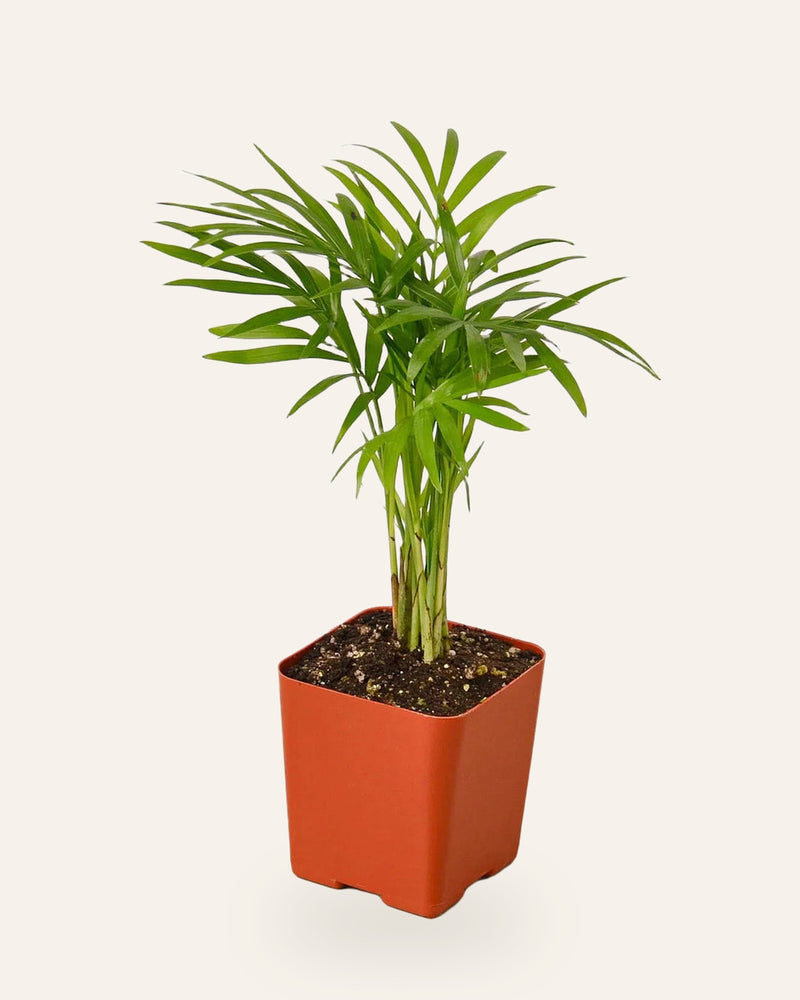
Parlor Palm
Chamaedorea elegansPot fit: 3", 4" or 6" nursery potWater when the top 1 to 2 inches of potting mix feel dry
from $21.99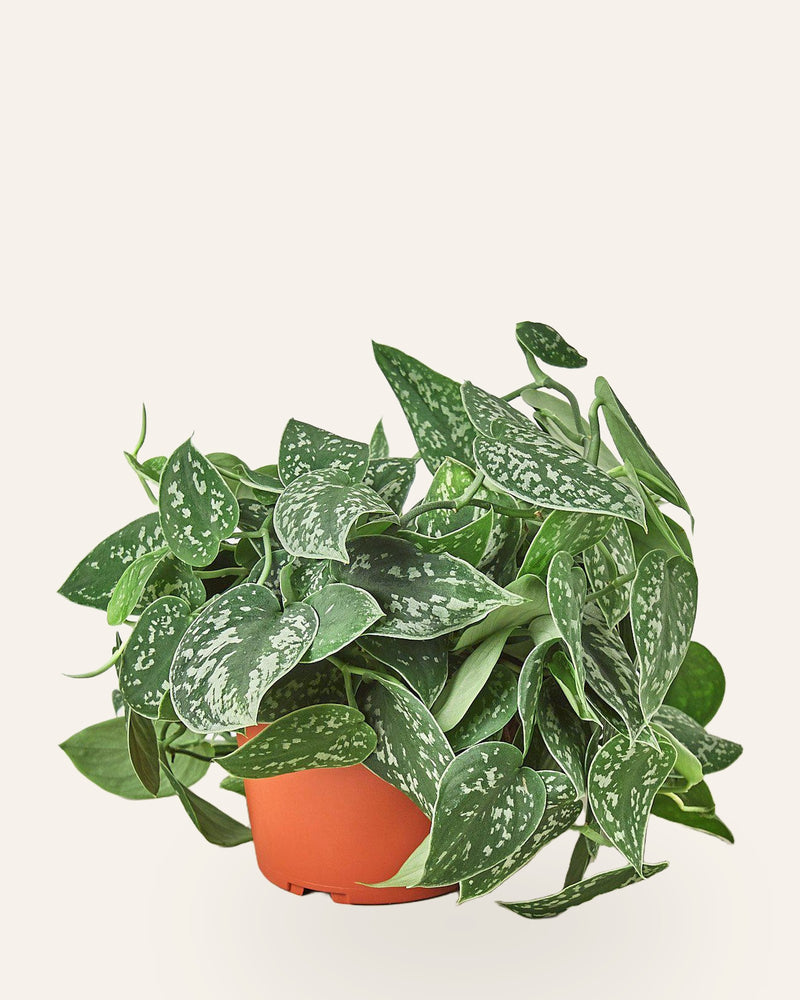
Satin Pothos
Scindapsus pictusPot fit: 4" or 6" nursery potWater after the top 1 to 2 inches of soil have dried
from $28.99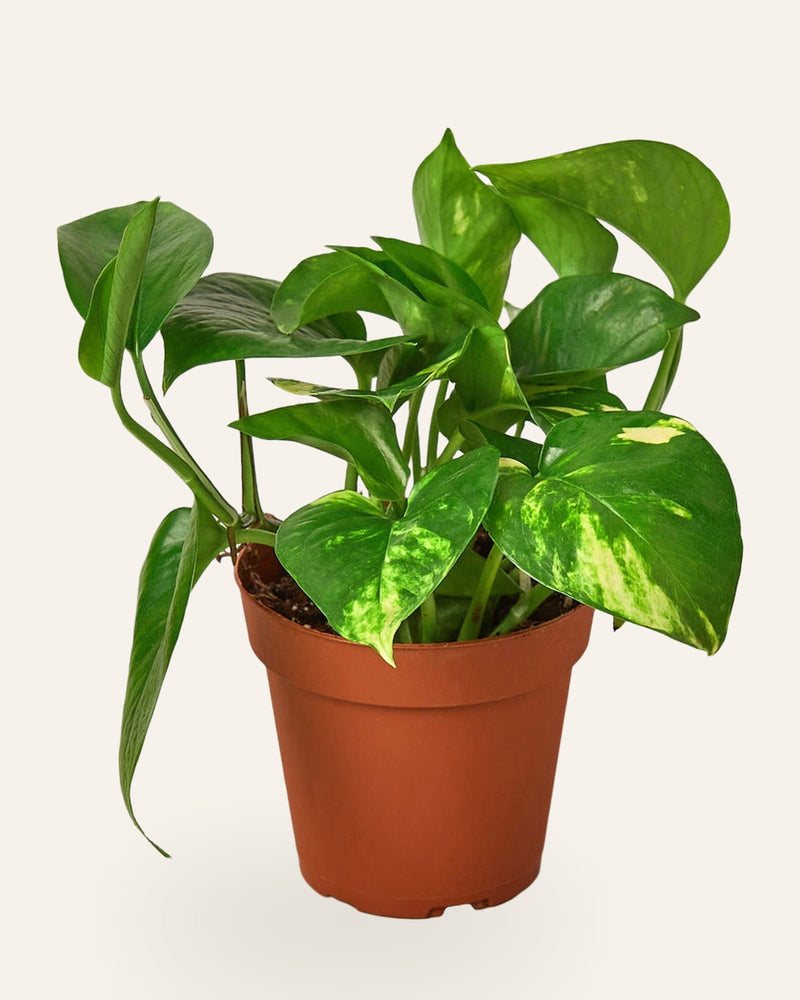
Golden Pothos
Epipremnum aureumPot fit: 4" or 6" nursery potWater when the top 2 inches of soil are dry, then drain fully
from $25.99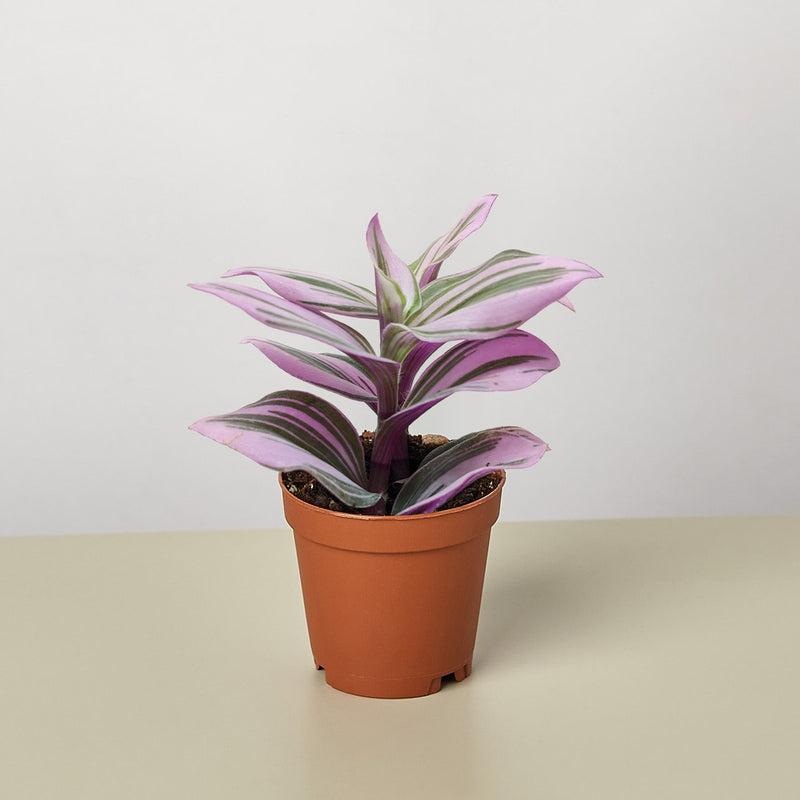
Tradescantia 'Nanouk'
Tradescantia albiflora 'Nanouk'Pot fit: 4" or 6" nursery potwhen the top inch of soil is dry
from $31.99Keep going with the care library
Care pages by plant, plus the watering and light calculators and the plant doctor.
More from the Journal
All Journal articles
Philodendron Congo Care: Light, Water and Fixes for Leaf Problems
How to care for Philodendron Congo: light, watering, soil, repotting and propagation, plus fixes for yellow, brown or droo...

Begonia Care Guide: Light, Water and Dark-Leaf Varieties
Care for indoor begonias including Begonia 'Black Magic' with practical advice on indirect light, watering, humidity, and ...

Homalomena Care Guide: Light, Water and Camouflage Foliage
Learn how to grow Homalomena indoors, including Homalomena 'Camouflage', with tips on medium light, steady moisture, and h...