
Parlor Palm
Chamaedorea elegans
$26.99
- LightLow
- WaterTop 1 to 2 inches of potting mix feel dry
- Pot size3", 4" or 6" nursery pot
How to check your light
Hold your hand a foot above the spot at midday and look at the shadow it casts.
- Sharp, dark shadow: bright light.
- Soft, blurry shadow: medium light.
- Faint shadow or none: low light.
Care at a glance (click to expand or collapse)
| Light | Low to medium indirect light |
|---|---|
| Water | Water when the top 1 to 2 inches of potting mix feel dry |
| Mature size | About 2 to 4 ft tall indoors over several years |
| Pot fit | 3", 4" or 6" nursery pot |
| Care level | Easy: forgives a late watering and copes with a range of light |
Free shipping on live plants. Shipping details · Claim window
ASPCA lists this plant as non-toxic to cats and dogs. A general advisory, not a guarantee: chewing can still upset a pet. Check pet guidance
 Save with the Pet-Friendly Plant TrioThis plant plus two companions for $73.97, in one box.
 Save with the Pet-Safe Plant TrioThis plant plus two companions for $57.99, in one box.
About this plant
The Parlor Palm (Chamaedorea elegans), available in 4" and 6" nursery pots, has been a favorite Victorian indoor palm for generations. Its delicate, feathery fronds create a lush tropical feel without demanding care.
How to Care for Parlor Palm: Thrives in medium to low indirect light, making it suitable for spaces away from bright windows. Water when the top 1–2 inches of potting mix feel dry to the touch. When moving to a larger pot, plant in a rich, peat-based palm potting mix with perlite.
Identification: Differs from Areca and Majesty palms by its slow-growing, compact clumping habit and softer, arching deep green fronds.
Parlor Palm FAQ
How to care for a parlor palm? Give it medium to low indirect light, water when the top 1–2 inches of soil dry, and keep the potting mix evenly moist but never soggy.
Why is my parlor palm turning brown? Brown tips usually come from dry air, soil that stays too wet or too dry, or direct sun. Check the soil first, then move the plant out of direct sun and away from heating vents.
Shop the Palms collection.
Where to put this plant
Needs: Low light
Find the window you have. Each one gives a different kind of light.
-
East-facing windowGentle morning sun, then bright shade.3 to 5 ft back
-
South-facing windowBrightest, with sun most of the day.6+ ft back
-
West-facing windowStrong, hot afternoon sun.6+ ft back
-
North-facing windowSoft, steady light with no direct sun.Best spot
Distance changes it too
Grows well alongside
Homepage Best Sellers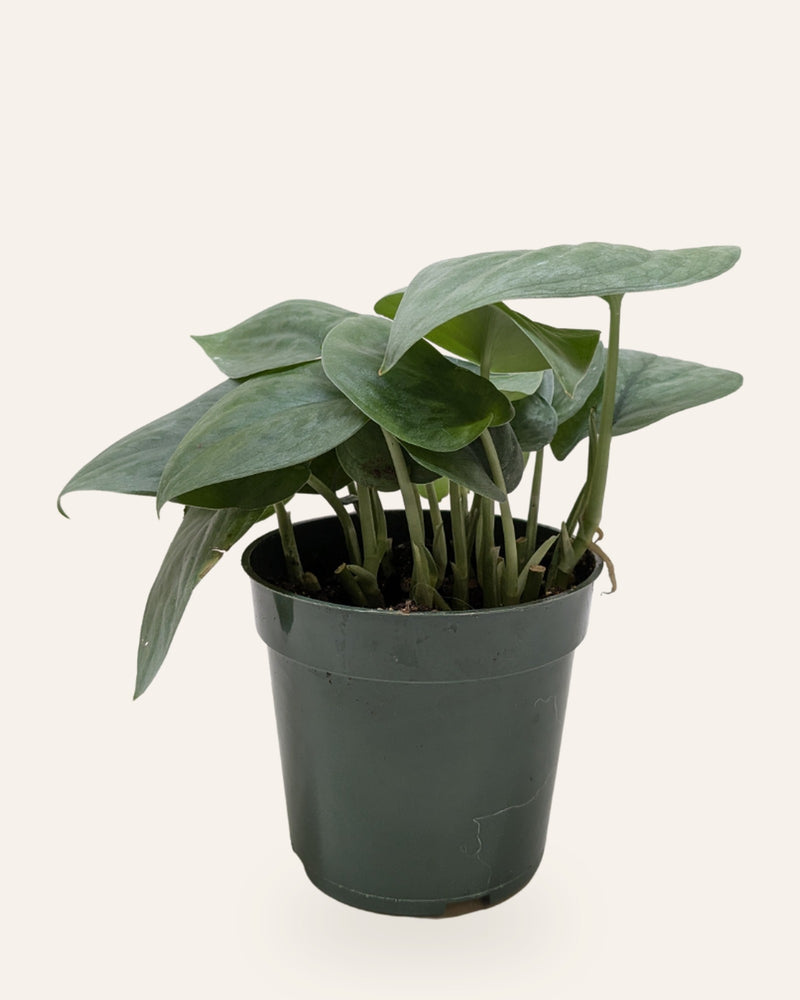
Scindapsus Platinum Java
Scindapsus 'Platinum Java'Pot fit: 4" or 6" nursery potwater when the soil is dry
from $44.99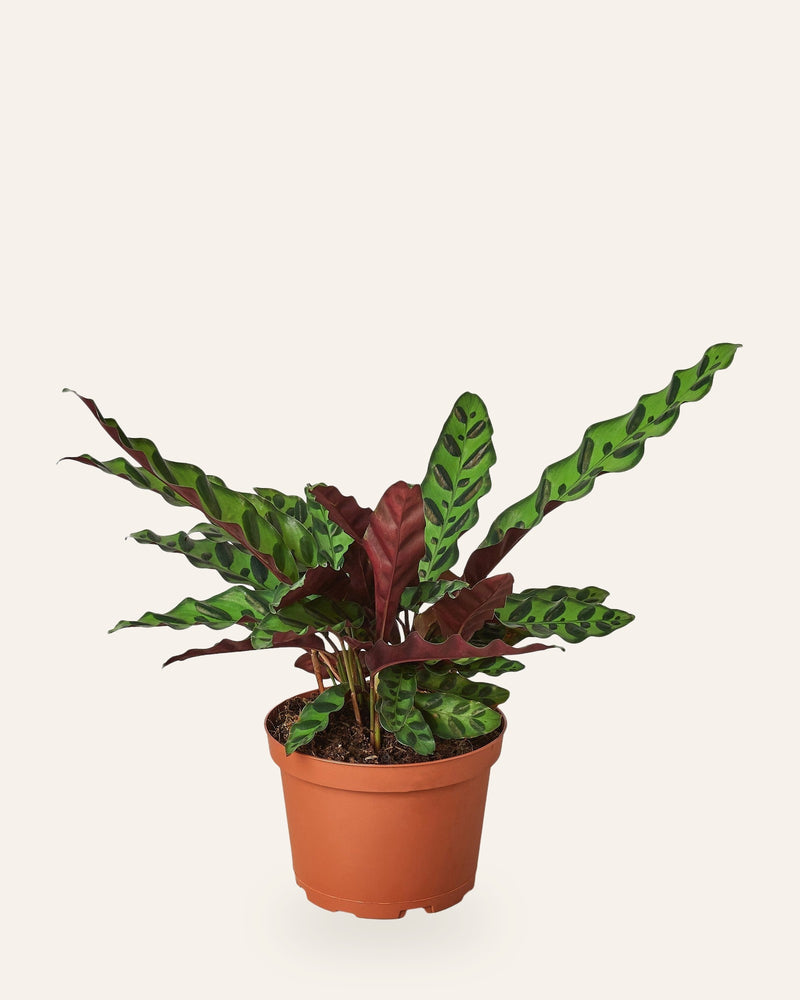
Rattlesnake Plant
Goeppertia insignis (Calathea lancifolia)Pot fit: 4" or 6" nursery potEvery 1 to 2 weeks
from $30.99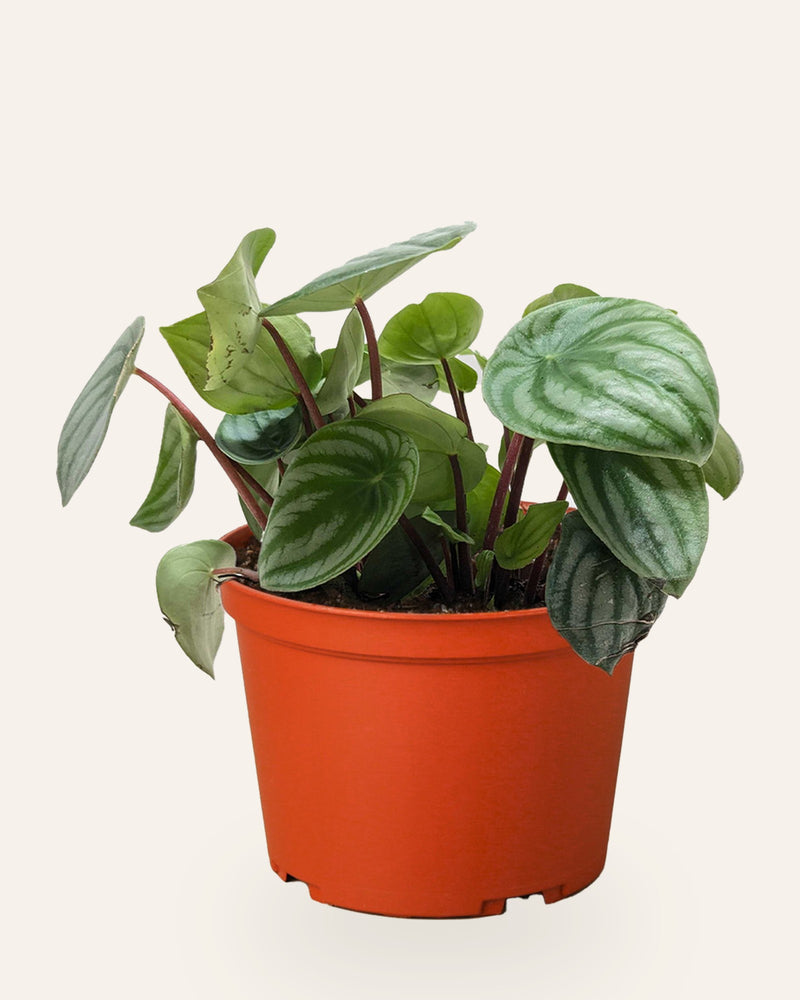
Watermelon Peperomia
Peperomia argyreiaPot fit: 4" nursery potPet-friendly for cats and dogsEvery 1 to 2 weeks
$27.99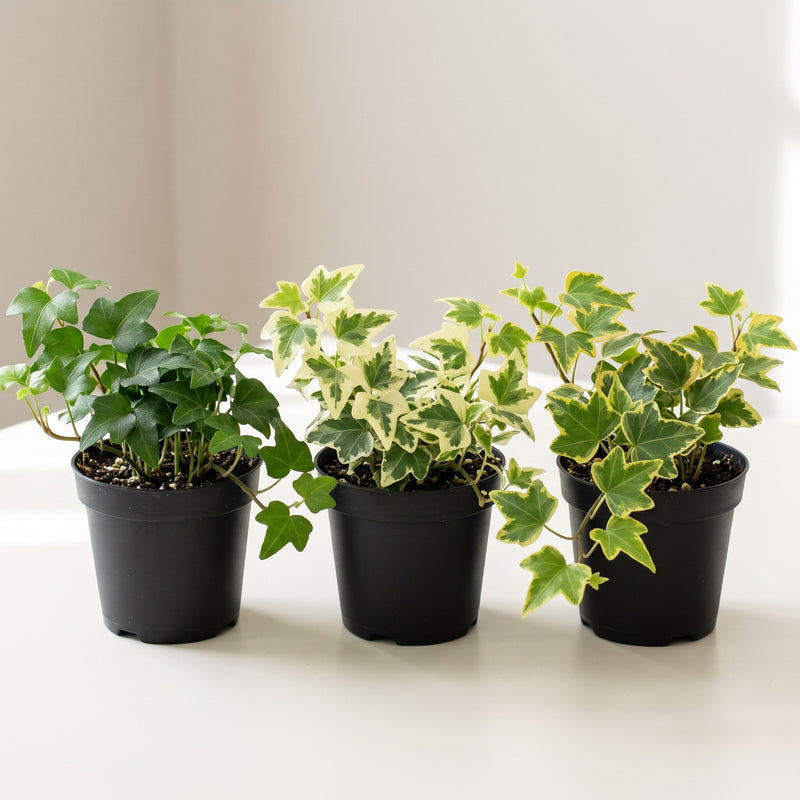
4" Ivy Variety 3-Pack
Pot fit: 4 inchwater when the top inch is dry
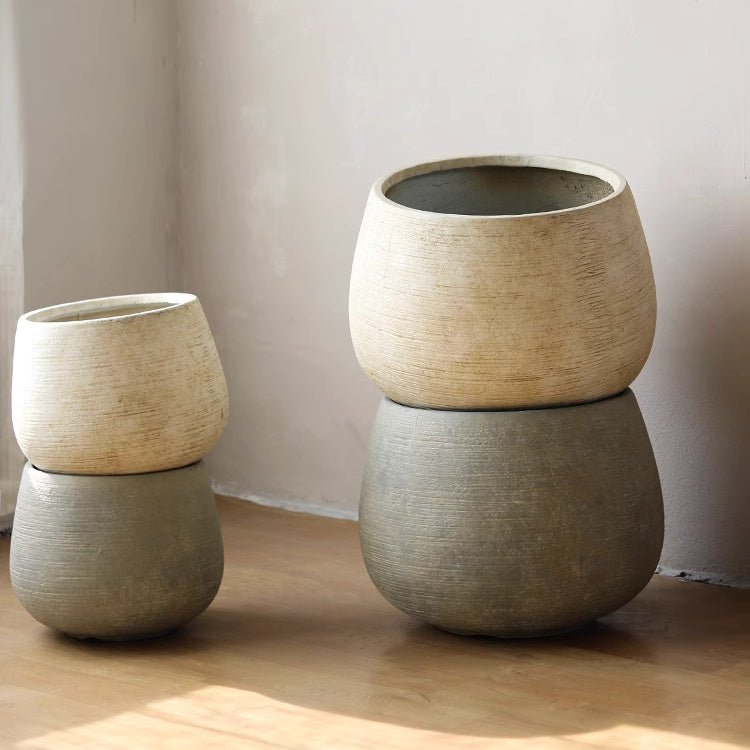
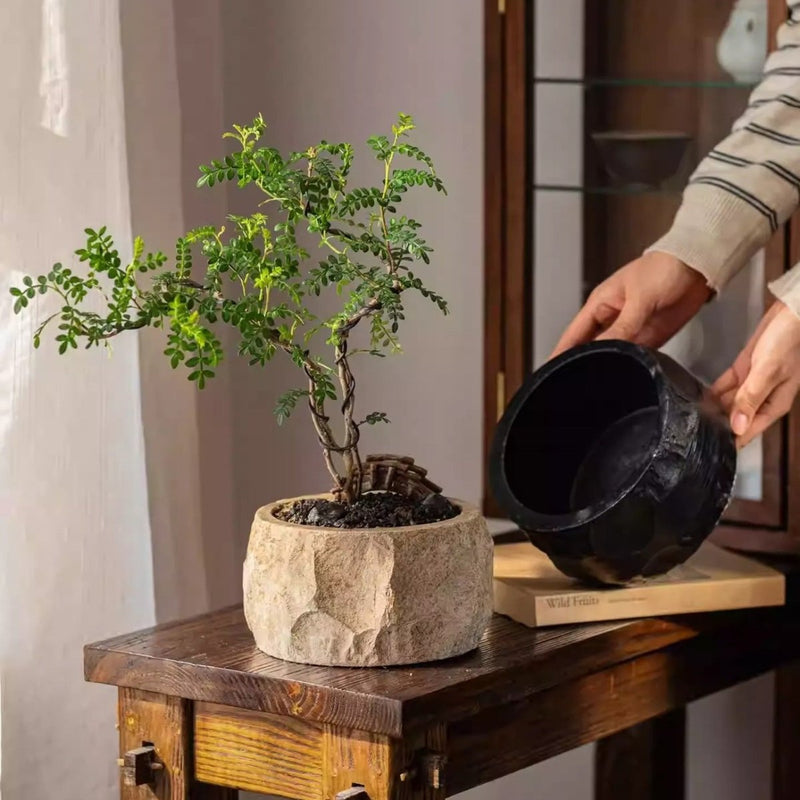
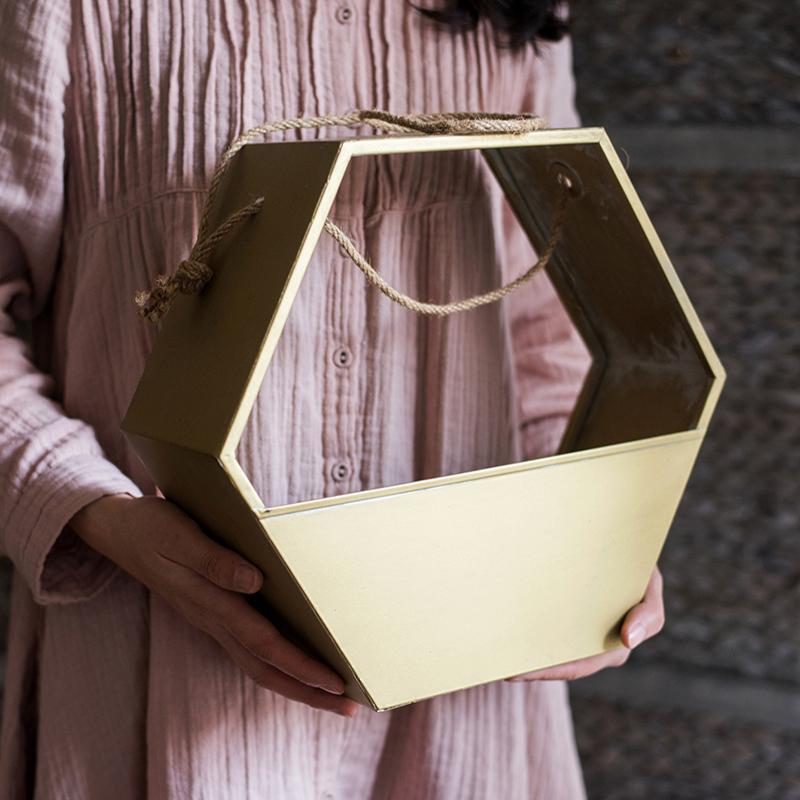
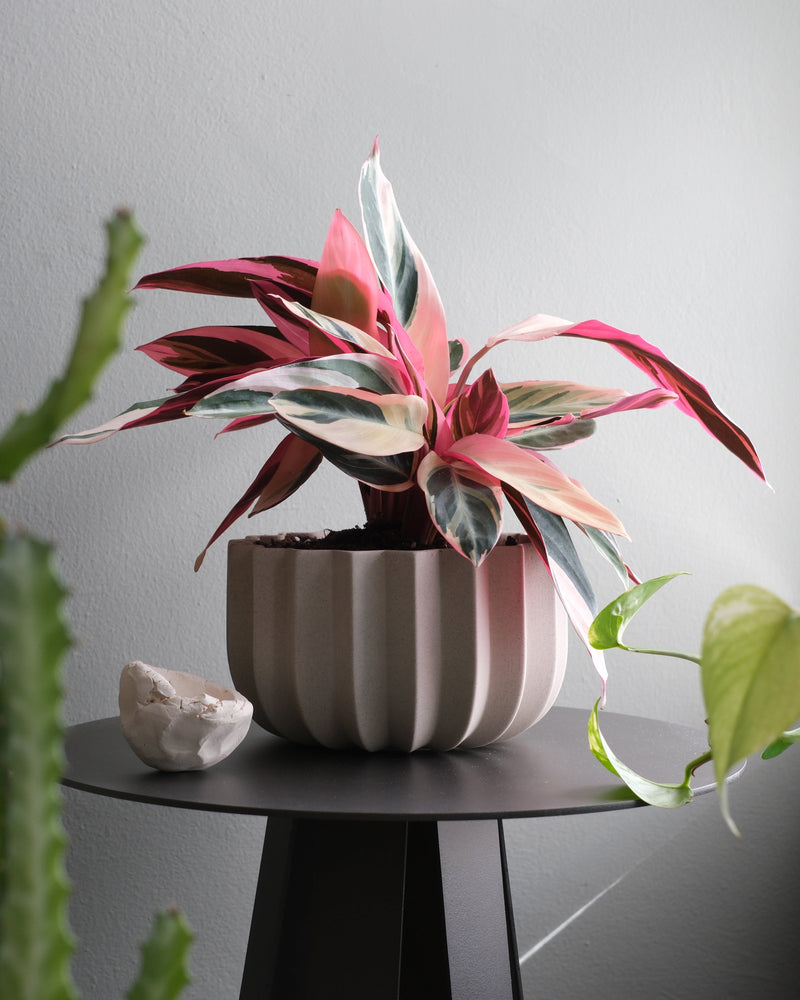
$51.99Planters that fit this plant
See all plantersMatched to the pot size of Parlor Palm. Planters ship separately from live plants.
Care guides from the Journal
All articlesQuestions people ask
How often should I water Parlor Palm?
Water when the top 1 to 2 inches of potting mix feel dry. Check the soil with a finger rather than watering on a set day.
How much light does Parlor Palm need?
Low to medium indirect light. The care card above lists water, size and pot fit.