How Often to Water Houseplants (and Why "Don't Overwater" Doesn't Help)
There is no single schedule for how often to water houseplants: water when the soil tells you it's ready, then water thoroughly and let the extra drain away. For most leafy plants that means the top inch or two is dry, while snake plants and ZZ plants want the mix almost completely dry first.

At a glance
By Nick Alan, founder of Palma, who grows and ships houseplants from Los Angeles.
Quick answer
There is no single schedule for how often to water houseplants. Water when the plant's soil tells you it's ready, then water thoroughly and let the extra drain away. For most leafy houseplants, that means the top inch or two of soil feels dry. Snake plants and ZZ plants want the mix almost completely dry first. In winter, nearly everything needs water less often. Watering on a fixed weekly habit is an easy way to drown "easy" plants.
| Plant | Water when | Winter note |
|---|---|---|
| Snake Plant Laurentii | The soil has dried out (NC State) | Every one to two months is often enough (NC State) |
| ZZ Plant | The soil has dried out completely (NC State) | NC State suggests about once a month |
| Golden Pothos | The potting mix has dried out (NC State) | Check before watering; it slows down too |
| Monstera Deliciosa | The top quarter to third of the soil is dry (NC State) | Expect longer gaps |
| Fiddle Leaf Fig | The top inch or two is dry (UMD's general test) | Sensitive to overwatering (NC State) |
Why "don't overwater" doesn't help
It's the most common houseplant advice, and it rarely comes with instructions. Clemson Extension calls overwatering the main cause of death for potted plants. Roots need air as well as water, and soggy soil leaves them without oxygen. They rot, and the plant declines from the bottom up while the soil still looks fine.
Overwatering is usually a question of how often you water. Clemson's advice is to water thoroughly, until water runs out of the bottom. Then wait until the mix is dry at your fingertip before you water again.
One commenter on Reddit put it well: "They really need to make separate lists for 'hard to kill' and 'easy to save'." Another, on YouTube, said they'd killed about four snake plants while barely watering them. In both cases the plant needed longer gaps, and nobody explained how to judge them.
The 10-second check before every watering
The University of Maryland Extension is blunt about schedules: water when the plant needs it, not by the calendar. These quick checks tell you when that moment has arrived.
- Finger test: push a finger into the soil. Clemson says to go to the first joint, and Maryland suggests about two inches. If the soil is dry at your fingertip, it's time to water.
- Lift the pot: pick it up right after watering so you know the heavy weight. Dry soil is noticeably lighter. A commenter on YouTube said they prefer plastic pots partly for this reason: if the pot lifts easily, it's time to water.
- Chopstick test: UVM Extension calls a chopstick an inexpensive alternative to a moisture meter. Push it into the mix. If soil sticks to it, the plant doesn't need water yet. If it comes out clean, it's time to water.
- Moisture meter: useful for big pots where your finger can't reach the root zone. Clemson notes that meters vary widely in accuracy, and fertilizer and soil type can skew the reading. Use one alongside the finger test rather than on its own.
The watering calculator gives you a starting point for how often to water houseplants by plant, pot, and light. Treat its number as the day you check the soil, then let the soil decide.
What changes how often a plant needs water
Clemson lists the factors that decide how often to water houseplants, and each one shifts the timing:
- Plant type: plants with big or thin leaves drink more. Succulent-type plants that store water in thick leaves and stems, like snake plants and ZZs, drink less.
- Pot material: clay loses water through its sides, so it dries faster than plastic or glazed pots.
- Pot size: a big plant in a small pot needs water more often than a small plant in a big pot.
- Soil mix: peat-heavy mixes hold water longer than loose mixes with bark and perlite.
- Light and warmth: a warm, bright spot dries a pot much faster than a cool, dim corner.
- Season: growth slows in winter, so most plants use less water (UVM).
That's why two snake plants in the same home can need water on different weeks.

How to water once the soil says yes
When it's time, water thoroughly. Clemson says to keep going until water runs out of the drainage holes. That flushes out built-up salts and wets the lower part of the pot, where most roots are. Then empty the saucer within a few minutes. Maryland's rule is simple: never let a houseplant sit in standing water.
Use room-temperature water. Clemson suggests about 62 to 72°F and warns against softened water, which adds sodium.
If the soil has dried hard and water runs straight through, try Clemson's double watering method. Water once, then water again about half an hour later so the dry mix can absorb it. You can also set the pot in a sink of water until the surface is moist, then let it drain completely.
Pots without drainage holes
Under a snake plant video on TikTok, one comment asked "...why do they even make pots without drainage." It drew more than 3,000 likes (as of October 2026). It's a fair question, because water that can't escape collects at the bottom and the roots sit in it.
The easy fix is a setup lots of plant people already use. Keep the plant in its plastic nursery pot with holes, and set that inside the decorative pot. Lift it out to water at the sink, let it drain, and put it back. You get the look and the drainage, and the lift test gets easier too.
Signs you're watering too often (or not enough)
Overwatering and underwatering can look almost exactly alike. Clemson notes that both damage the roots, and a plant with rotted roots can wilt even in wet soil. Watering a wilting plant in soggy soil only makes things worse.
| What you see | Soil feels | Likely cause | What to do |
|---|---|---|---|
| Yellowing lower leaves, soft or mushy base | Wet days after watering | Too often | Let it dry well past the usual point. Check roots if it doesn't recover. |
| Wilting or drooping | Wet | Root damage from too much water | Don't water. Check roots for brown, mushy sections. |
| Wilting or drooping | Bone dry, pulling from the pot edge | Too little | Water thoroughly, or use the double watering method |
| Leaves dropping suddenly | Either extreme | Too much or too little (NC State notes this for fiddle leaf figs) | Check the soil and adjust before the next watering |
| Crispy brown leaf edges | Dry, or fine | Dry air or long dry spells | Check more often in heated rooms |
Root checks sound scary, but they only take a minute or two. Slide the plant out of its pot and look at the outside of the root ball. Healthy roots are firm and pale. Rotten roots are dark, soft, and may smell sour.
Plant-by-plant notes
Snake plants: sold as unkillable, and they're forgiving of dry soil. Wet soil is a different story, and it's where most snake plants die. Clemson calls the snake plant prone to rotting from overwatering. NC State says to let the soil dry between waterings from spring to autumn, and to water only every one to two months in winter. Our snake plant watering guide goes deeper.
ZZ plants: the rhizomes store water, so a ZZ handles neglect well. NC State suggests watering twice a month in summer, only once the soil has fully dried, and about monthly in winter. A commenter on YouTube said they almost never water theirs, and it keeps putting out new shoots. Another left a ZZ with a relative who watered it monthly as instructed. Three months later it showed signs of overwatering, so even a gentle calendar can be too much.
Pothos: NC State says to let the mix dry out between waterings and warns that root rot follows overwatering. Our pothos care guide covers light and trimming too.
Monstera: NC State says to water thoroughly, then let the top quarter to third of the soil dry. See our monstera watering schedule for the seasonal version.
Fiddle leaf fig: NC State lists the Fiddle Leaf Fig as sensitive to overwatering. Leaf drop can come from too much or too little water. Water when the top inch or two is dry, and keep it in a steady, bright spot away from heating and cooling vents (NC State).
Want a plant that tolerates a missed watering? The ZZ Plant and Snake Plant Laurentii both fit, and the beginner-friendly collection has more. Each of these plants comes in a nursery pot, including the Golden Pothos. The ZZ and Golden Pothos also have a 4" size with an Eco Black planter (ZZ, Golden Pothos). The Snake Plant Laurentii and Fiddle Leaf Fig come in nursery pots only.
FAQ
How often should I water my houseplants? Check the soil instead of following a fixed day. Most leafy plants need water when the top inch or two is dry. Snake plants and ZZs should dry out almost completely first.
Should I water houseplants less in winter? Yes. Growth slows in winter, so most plants use less water. UVM Extension advises waiting until the potting mix is truly dry.
Is a moisture meter worth it? It helps in large pots where your finger can't reach the roots. Clemson notes that readings vary in accuracy, so confirm with a finger or chopstick test.
Is bottom watering better than top watering? Both work if the excess drains away. Maryland Extension describes both methods and says never to leave a plant sitting in water. Water from the top now and then to flush out salts.
How often should I water a monstera? Water thoroughly, then wait until the top quarter to third of the soil is dry (NC State). In most homes that means longer gaps in winter.
Nick Alan is the founder of Palma and has grown plants for 25+ years. He writes the shop's care guides and built the watering, soil and light tools.
View author profilePlants to grow next
Easy-care plants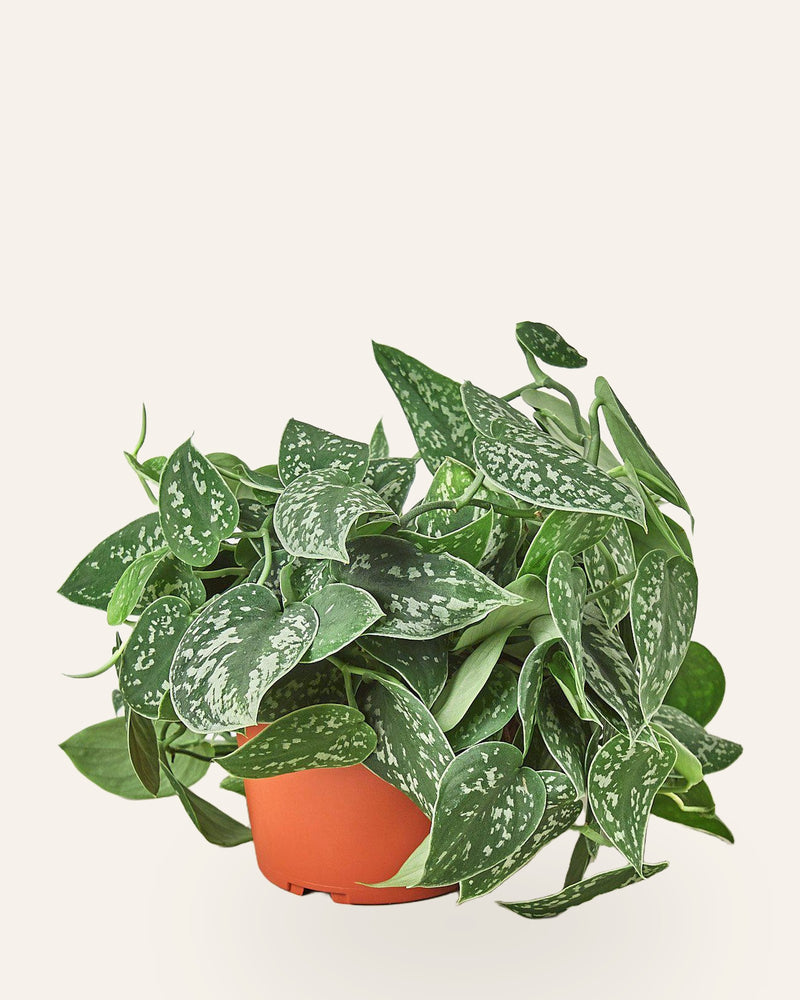
Satin Pothos
Scindapsus pictusPot fit: 4" or 6" nursery potWater after the top 1 to 2 inches of soil have dried
from $28.99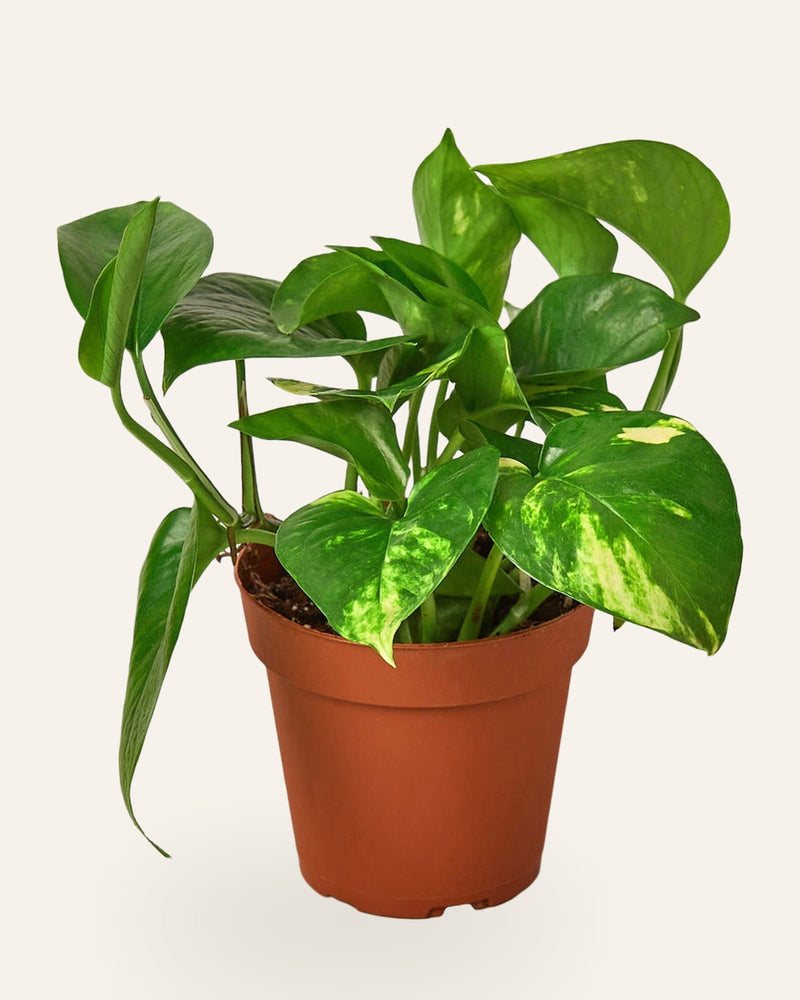
Golden Pothos
Epipremnum aureumPot fit: 4" or 6" nursery potWater when the top 2 inches of soil are dry, then drain fully
from $25.99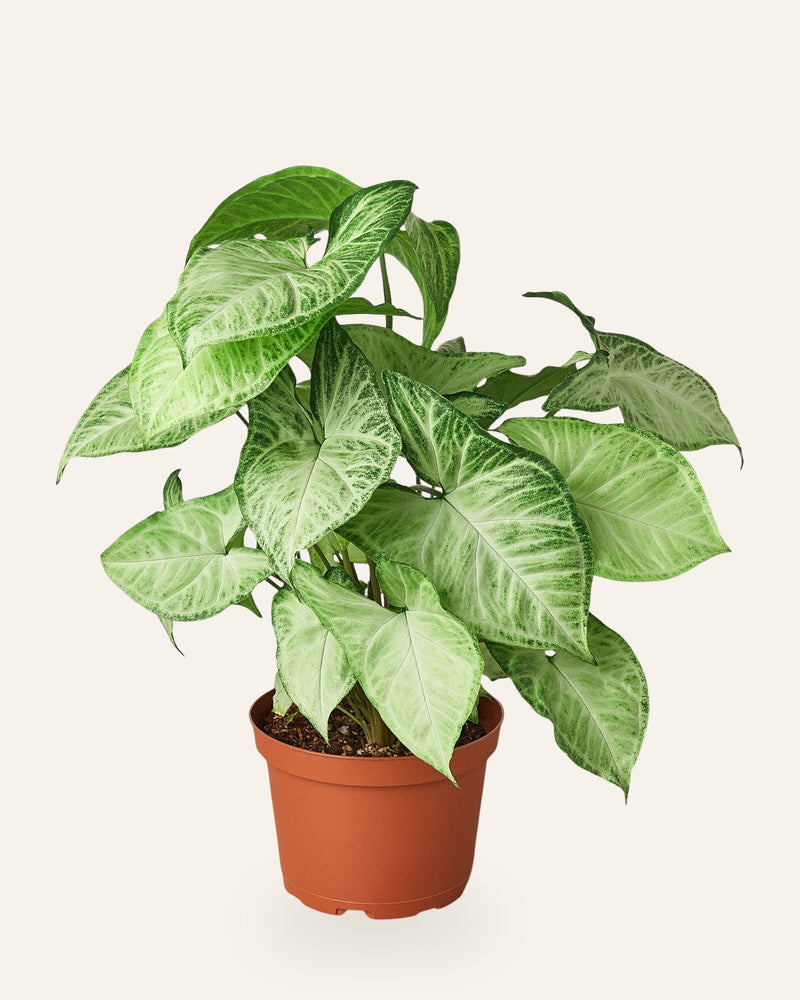
Arrowhead Plant 'White Butterfly'
Syngonium podophyllum 'White Butterfly'Pot fit: 3", 4" or 6" nursery potWater when the top inch of soil is dry
from $24.99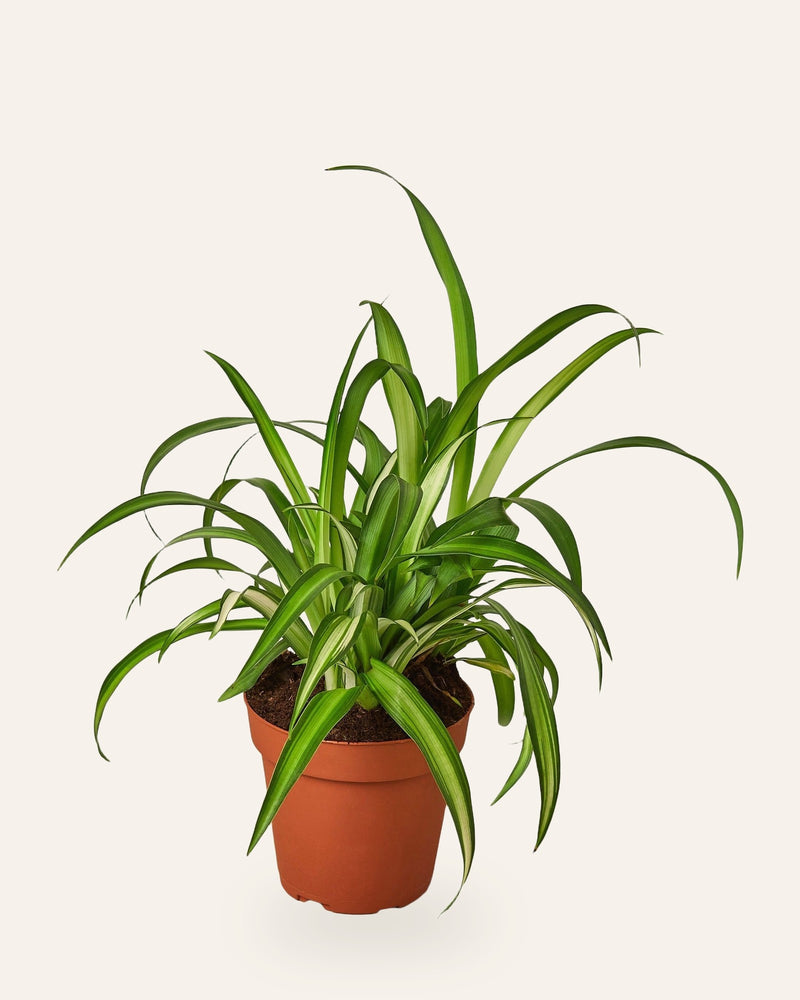
Hawaiian Spider Plant
Chlorophytum comosum 'Hawaiian'Pot fit: 4" nursery potWater when the top inch of soil is dry
$24.99Keep going with the care library
Care pages by plant, plus the watering and light calculators and the plant doctor.
More from the Journal
All Journal articles
Black Houseplants: 5 Dark-Leaf Plants for a Goth (or Halloween) Shelf
The black ZZ plant is the easiest place to start a dark-leaf shelf. Meet ZZ 'Black Queen' and four more dark-leaf housepla...
Monstera Too Big? How to Top, Prune, and Propagate It
A monstera that's too big can be cut back safely, ideally in spring, by cutting a long stem 1 to 2 inches below a node and...
Seasonal Houseplant Care: Spring, Summer, Fall, and Winter
How to adjust light, watering, feeding, and placement for indoor plants in spring, summer, fall, and winter, with the Nebr...