Black Houseplants: 5 Dark-Leaf Plants for a Goth (or Halloween) Shelf
The black ZZ plant is the easiest place to start a dark-leaf shelf. Meet ZZ 'Black Queen' and four more dark-leaf houseplants for a goth or Halloween shelf, with honest light, water, and pet notes for each one.

At a glance
By Nick Alan, founder of Palma, who grows and ships houseplants from Los Angeles.
Photo: Yercaud-elango, CC BY-SA 4.0, via Wikimedia Commons
Quick answer
The black ZZ plant is the easiest place to start a dark-leaf shelf. Our ZZ 'Black Queen' has glossy, very dark leaves and handles lower light better than most dark-leaf plants. For four more dark plants, add Snake Plant 'Black Gold', Alocasia 'Black Velvet', Lipstick Plant 'Black Pagoda', and Kalanchoe 'Chocolate Soldier'. Dark leaves don't mean a dark corner, though. Only the ZZ and snake plant cope with dim spots, and even they grow better in brighter light. None of the five has an exact non-toxic listing, so keep them away from pets that chew leaves.
| Plant | Leaf look | Light | Water | Pets | Ships in |
|---|---|---|---|---|---|
| ZZ 'Black Queen' | Glossy, near-black | Low to bright indirect | When the soil is fully dry | Toxic (NC State) | 4" or 6" nursery pot; 4" eco pot options |
| Snake Plant 'Black Gold' | Dark green, gold edges | Very low to bright | When the soil is dry | Toxic (ASPCA) | 3" or 4" nursery pot |
| Alocasia 'Black Velvet' | Velvety black, silver veins | Bright, indirect | When the top 2 inches are dry | Toxic (ASPCA) | 4" nursery pot |
| Lipstick Plant 'Black Pagoda' | Marbled green and burgundy | Bright, indirect | Often, with good drainage | No claim | Nursery pot |
| Kalanchoe 'Chocolate Soldier' | Fuzzy, chocolate-edged | Bright, 6+ hours | When the soil is fully dry | Toxic (ASPCA) | 4" nursery pot |
Why goth plants are having a moment
Dark foliage gets passed around a lot on social media in October. One plant fan posted on X that they were "officially starting my little gothic collection of plants" (October 2026). Another posted a new leaf on their Alocasia 'Black Velvet' the same week. One more said they handed out little succulents instead of candy for Halloween.
A dark-leaf plant also outlasts a pumpkin. It looks right on a shelf in October and stays good-looking for the rest of the year.
Dark leaves still need decent light
It's tempting to tuck black plants into a moody corner, but most of them grow poorly there. Here's what extension services and the RHS say about light for each one:
- ZZ: NC State Extension says ZZ plants grow in very low light, even fluorescent light, but do best in bright indirect light. Direct sun can scald the leaves, so keep it out of hot windows.
- Snake plant: NC State says it tolerates very low light and does well with direct sun for part of the day.
- Alocasia: the RHS says alocasias need bright, indirect light. They survive lower light but grow much more slowly, and strong sun can scorch the leaves.
- Lipstick plant: NC State says it needs bright, indirect light, but not full sun.
- Kalanchoe tomentosa: NC State recommends bright, indirect light for at least six hours a day.
So put the ZZ and snake plant in the dimmer spots, and give the other three your brightest window that doesn't get harsh midday sun.
1. ZZ 'Black Queen': the black ZZ plant
If you only buy one plant from this list, make it this one. Our ZZ 'Black Queen' has the same tough nature as a green ZZ, with glossy leaves dark enough to read as black.
NC State calls the ZZ one of the easiest, low-maintenance houseplants. Its thick rhizomes store water, so it handles a missed watering well, and wet feet are the real risk. Water about twice a month in summer, only once the soil has dried out completely, and about once a month in winter.
Pets: NC State lists the ZZ plant as having medium toxicity to cats and dogs. Keep it out of reach of pets and small children.
Ships in: a 4" or 6" nursery pot. The 4" size also comes with eco pot options in black, white, or terra cotta, plus a cow pot.
2. Snake Plant 'Black Gold'
Snake Plant 'Black Gold' has upright, dark green leaves edged in gold. It brings height to a shelf and a little contrast to the darker ZZ beside it.
NC State calls the snake plant durable and difficult to kill, with one big exception: overwatering rots the roots. Let the soil dry between waterings from spring to autumn, and in winter water only every one to two months.
Pets: the snake plant (Sansevieria trifasciata) is toxic to dogs and cats.
Ships in: a 3" or 4" nursery pot.
3. Alocasia 'Black Velvet'

Alocasia 'Black Velvet' (Alocasia reginula) is the showpiece of the group. Its thick, velvety leaves look almost black, with bright silver veins. It's a compact jewel alocasia, so it fits a shelf rather than a floor.
It's also the fussiest plant here, so place it with care. The RHS says alocasias want warmth above 60°F, medium to high humidity, and water once the top 2 inches of mix are dry. In winter they rest, so water less; they may drop a few leaves, and new ones return in spring. Wear gloves when you trim it, because the sap can irritate skin.
Pets: alocasia is toxic to dogs and cats.
Ships in: a 4" nursery pot.
4. Lipstick Plant 'Black Pagoda'

Lipstick Plant 'Black Pagoda' is the trailing piece. Its waxy leaves are marbled green and dark burgundy, with deep purple undersides. Let it spill from a hanging pot or trail down from the top shelf.
NC State's lipstick plant guide, written for the common red-flowered species, says it needs bright, indirect light and warmth. It likes humidity with good air movement, and it drops leaves below 50°F. Water it often, as long as the pot drains well and never sits in water.
Pets: we don't make a pet claim for 'Black Pagoda'. Keep it away from pets that like to chew leaves.
Ships in: a nursery pot, ready to hang or set in a planter.
5. Kalanchoe 'Chocolate Soldier'

Kalanchoe 'Chocolate Soldier' is the least black of the five. Its fuzzy, gray-green leaves are edged in chocolate brown, which adds texture next to the glossy ZZ.
It's a succulent, so water it sparingly and give it plenty of light. NC State recommends bright light for at least six hours a day, a cactus or succulent mix, and letting the soil dry out between waterings. It prefers low humidity, so skip the bathroom for this one.
Pets: kalanchoe is toxic to dogs and cats.
Ships in: a 4" nursery pot.
How to build the shelf
Start with light, then style the shelf around it. Put the kalanchoe and lipstick plant closest to the window. The alocasia goes in bright, indirect light, ideally in a bathroom or near other plants for humidity. The ZZ and snake plant can sit further back from the glass.
Mix heights and textures so the dark leaves don't blur together. The snake plant adds height, the lipstick plant trails, and the alocasia's silver veins catch the eye. A black or white pot sharpens the look without stealing attention from the leaves. Check the watering calculator for each plant, since these five drink on very different schedules.
FAQ
Is the black ZZ plant easy to care for? Yes, NC State calls the ZZ one of the easiest houseplants to grow. Let the soil dry out completely between waterings, and give it bright, indirect light for the best growth.
Do black houseplants need special light? Most need decent light, although the ZZ and snake plant handle low light. The alocasia and lipstick plant need bright, indirect light, and the kalanchoe wants at least six hours of bright light.
Are black houseplants toxic to cats and dogs? The ZZ, snake plant, alocasia, and kalanchoe are toxic to cats and dogs. We don't make a pet claim for the lipstick plant 'Black Pagoda', so keep all five out of reach of pets.
Which black houseplant grows best in low light? ZZ 'Black Queen' is the best choice, because NC State says ZZ plants grow even under fluorescent light. They still do best in bright, indirect light.
Nick Alan is the founder of Palma and has grown plants for 25+ years. He writes the shop's care guides and built the watering, soil and light tools.
View author profilePlants to grow next
Snake plants and ZZ plants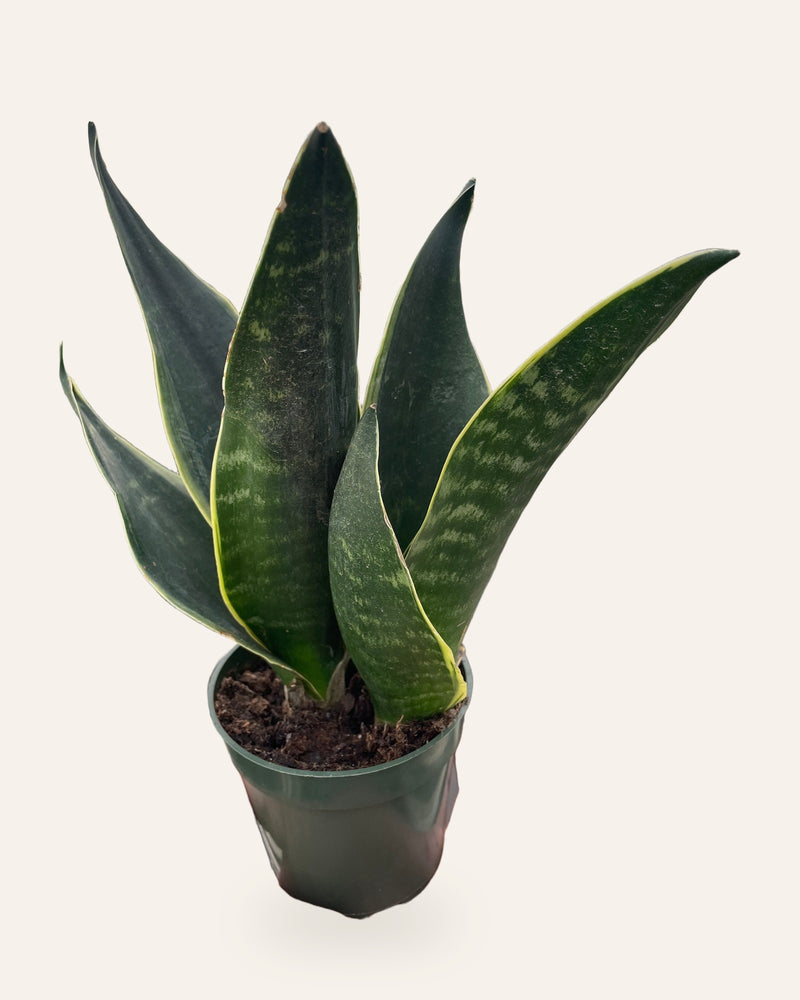
Snake Plant 'Fabi'
Sansevieria trifasciataLet the soil dry out completely between waterings
$32.49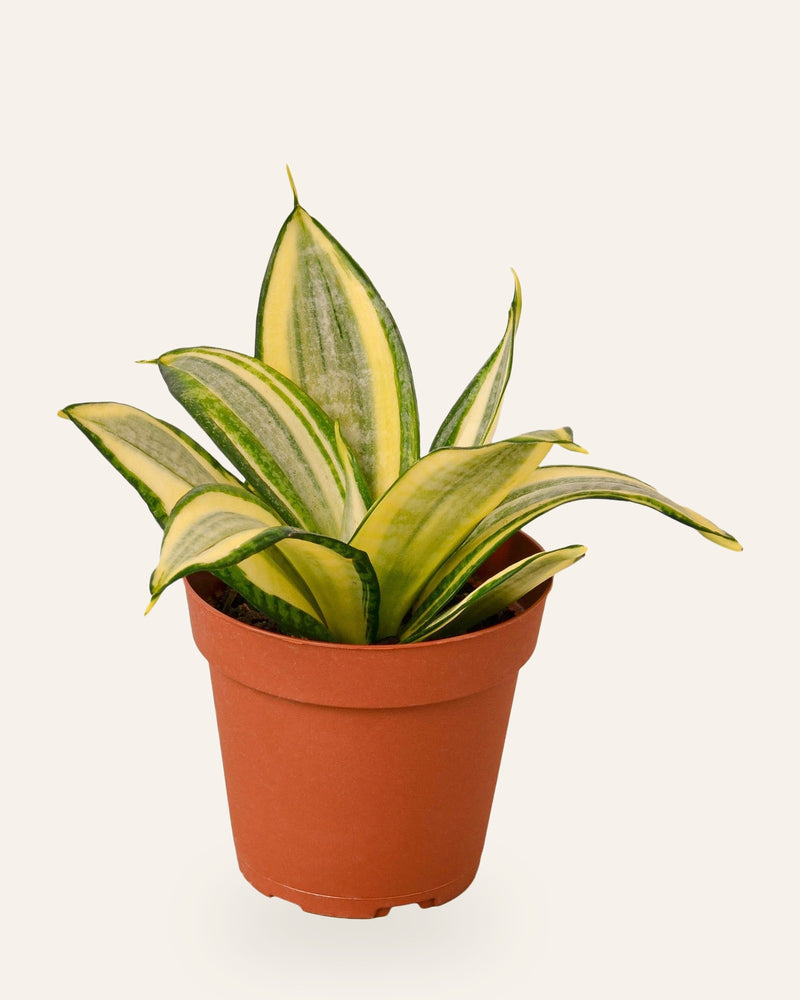
Gold Hahnii Snake Plant
Sansevieria trifasciataPot fit: 3", 4" or 6" nursery potsparingly
from $36.95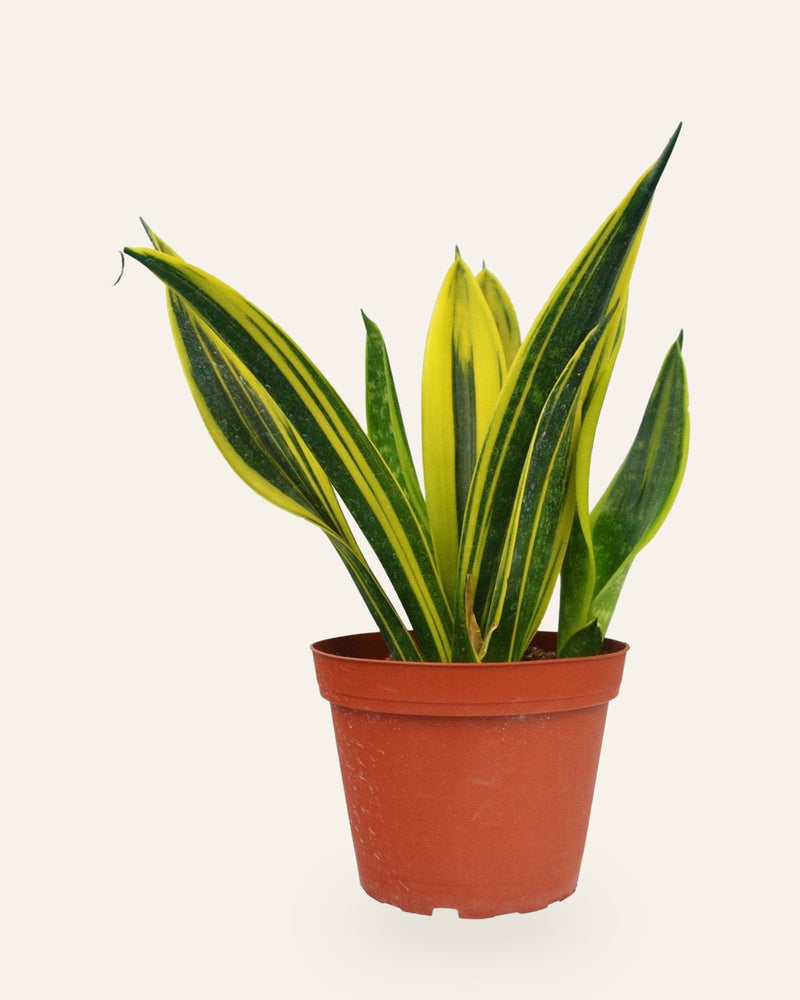
Gold Flame Snake Plant
Sansevieria trifasciataPot fit: 4" or 6" nursery potonly when the soil is fully dry, roughly every two to three weeks
from $38.95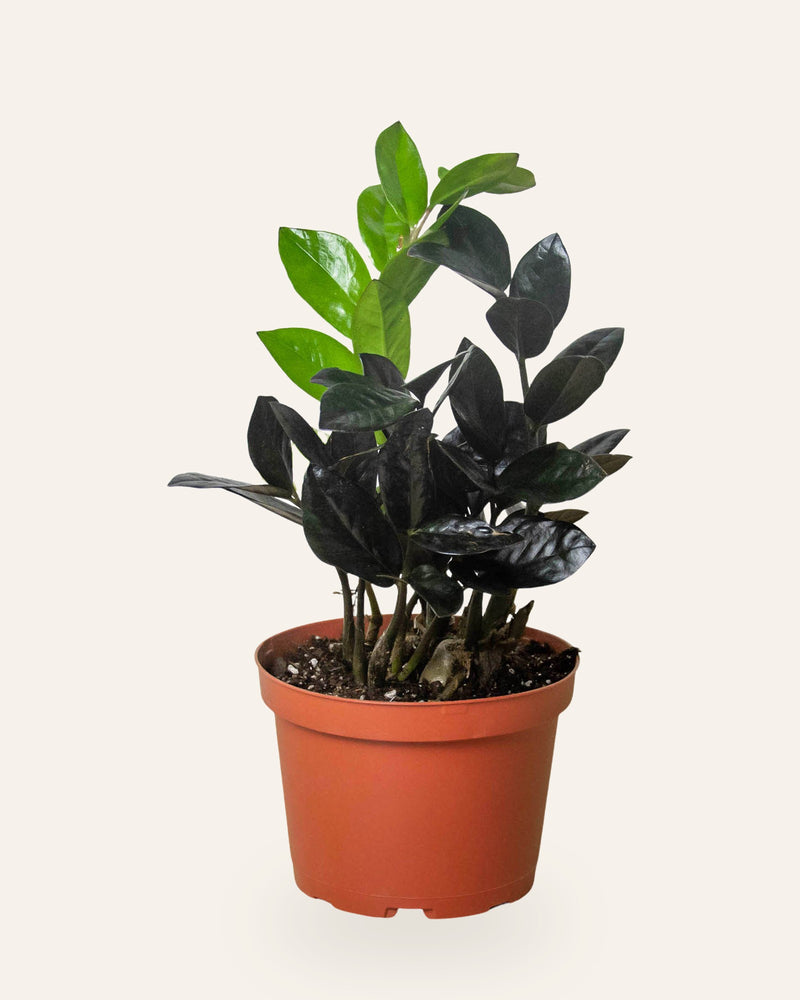
ZZ Zamioculcas 'Black Queen'
Zamioculcas zamiifoliaPot fit: 2", 4", 6" or 8" nursery potwater every 7 to 14 days, letting the soil dry fully between waterings
from $31.99Keep going with the care library
Care pages by plant, plus the watering and light calculators and the plant doctor.
More from the Journal
All Journal articles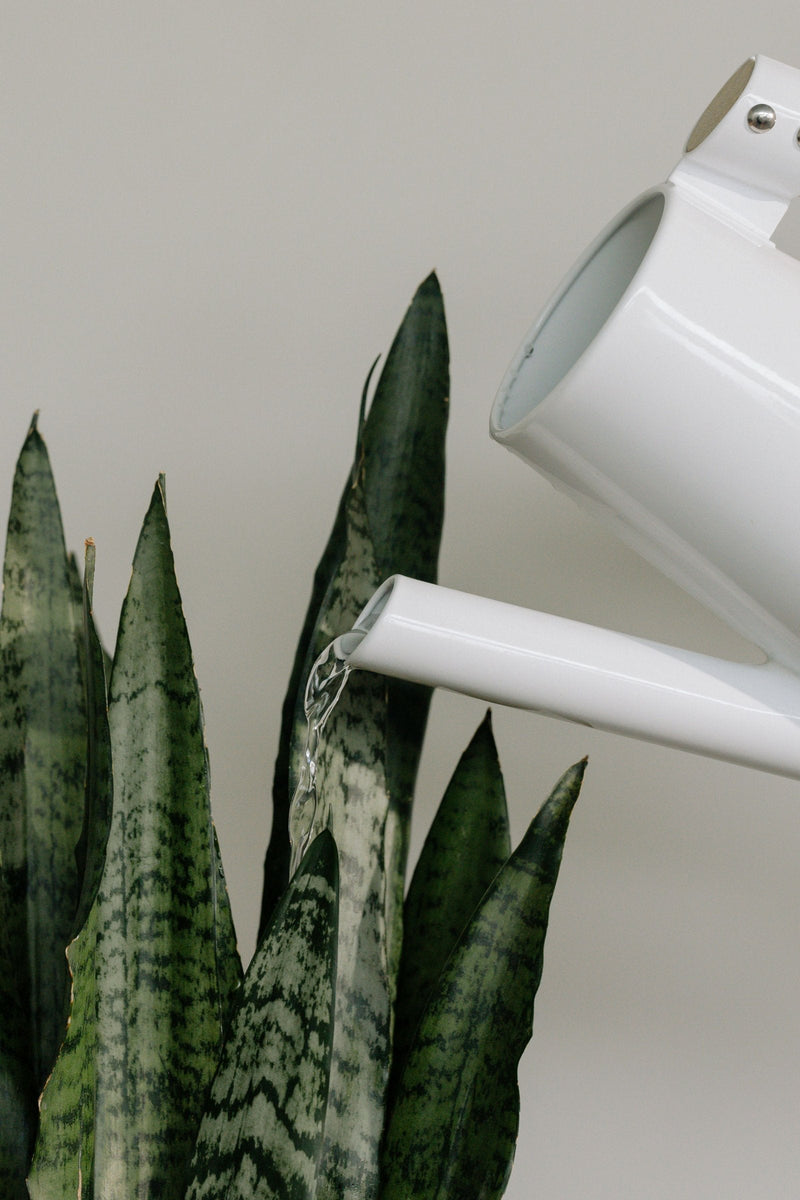
How Often to Water Houseplants (and Why "Don't Overwater" Doesn't Help)
There is no single schedule for how often to water houseplants: water when the soil tells you it's ready, then water thoro...
How to Grow Hoya: Propagation, Blooms and Problems
Start a hoya cutting, root it in water or mix, coax out blooms and fix yellow, dropping or wrinkled leaves. A practical gu...


Hoya Care: Light, Water, Soil and Blooms
How to care for a hoya: the right light, when to water, a chunky mix, and how to get it to bloom. Plus the varieties we ca...