Peperomia Care: Light, Water, Soil and What to Do When Leaves Go Wrong
How to care for peperomia: light, watering, soil, repotting and propagation, plus fixes for wrinkled, yellow or dropping leaves on five popular types.

At a glance
Last reviewed November 4, 2026.
Short answer: Give peperomia bright indirect light, water it only when the top half of the soil is dry, and keep it in a pot with drainage. The thick leaves store water, so too little attention does less harm than too much.
Peperomia is a large genus of compact, slow-growing houseplants. Most sold for homes stay small enough for a desk or shelf. This guide covers the basics that apply to all of them, then the small differences between the nine we sell: Marble, Red Margin, Ginny, Thailand, Watermelon, Variegated Watermelon, Ripple Red, Rosso and String of Turtles. Peperomia obtusifolia is also called baby rubber plant, and Watermelon is often searched as watermelon peperomia.
Peperomia care at a glance
Our Peperomia range
 Peperomia Marble
 Peperomia Ginny
 Peperomia Red Margin
 Peperomia Thailand
 Watermelon Peperomia
 Variegated Watermelon Peperomia
 Peperomia Ripple Red
 Peperomia Rosso
 String of Turtles
Light
Most peperomia do best in bright indirect light: a spot near an east or north window, or a few feet back from a south or west one. Many tolerate medium light on a shelf, but growth slows and the plant gets leggy as the light drops.
Light shows up in the leaves. Ginny's pink edges are brightest in good light and fade toward green in a dim spot. Watermelon's silver stripes dull and the plant stretches. Direct afternoon sun can bleach or scorch the thick leaves.

Not sure what your room gets? Our houseplant light calculator can help.
Watering
This is where most peperomia go wrong. The fleshy leaves hold water, and the fine roots rot in soil that stays wet.
- Push a finger into the soil. If the top half of the pot is still damp, wait.
- When it is dry, water thoroughly until water runs out the drainage hole.
- Empty the saucer. Never leave the pot standing in water.
- Water less in winter, when growth slows and soil stays damp longer.
Soft, wrinkled leaves usually mean the plant is thirsty. Soft, yellow leaves with damp soil usually mean overwatering. For a schedule that fits your home, try the houseplant watering calculator or read how often to water houseplants.
String of Turtles is the exception worth noting: its tiny leaves and thread-like stems dry faster, so check it more often and water gently from below if the foliage stays wet.

Soil and pots
Use a light, well-draining mix. About 2 parts standard potting mix to 1 part perlite works well. Choose a pot with a drainage hole and keep it small. Peperomia roots are fine and shallow, and a pot that is too large holds extra wet soil around them.
Temperature and humidity
Peperomia are comfortable at normal indoor temperatures, about 65 to 80F, and do not need extra humidity. The main risk is cold. Keep plants away from drafty windows in winter and from vents that blow hot or cold air.
Feeding and repotting
Feed lightly. A balanced houseplant fertilizer at half strength about once a month in spring and summer is plenty. Skip it in fall and winter. Our houseplant fertilizer schedule covers timing and fixing fertilizer burn.
Peperomia like being slightly snug. Repot every two to three years, or when roots fill the pot, and go up only one size. Spring is the best time. Our repotting and pot size calculator and repotting guide walk through it.
How to propagate peperomia
Most upright peperomia root from stem cuttings, and some root from single leaves.
- In spring or summer, cut a healthy stem with two or three leaves, or a leaf with a short piece of stem.
- Let the cut end dry for an hour.
- Place it in light, moist, well-draining mix, or in water until roots form.
- Keep it warm and in bright indirect light, and wait. Rooting can take several weeks.
Variegated plants may not keep their pattern from a leaf cutting, so use stem cuttings for those.
Peperomia types we grow, and how they differ
| Photo | Plant | Look | Habit | Care |
|---|---|---|---|---|
|
Peperomia Marble P. obtusifolia 'Marble' |
Thick, glossy leaves splashed cream and green | Compact, forgiving. Fits a shelf or desk | Medium to bright indirect light. Water when the top half is dry |
|
Peperomia Red Margin P. obtusifolia |
Glossy green leaves with a red edge | Same habit as Marble | Medium to bright indirect light. Water when the top half is dry |
|
Peperomia Ginny P. clusiifolia 'Ginny' |
Pink edging that deepens with more light. Also sold as Tricolor | Upright | Bright indirect light. Let the top half of the soil dry between drinks |
|
Peperomia Thailand Peperomia sp. 'Thailand' |
Bold, rounded, lightly textured leaves | Upright | Bright indirect light. Light, fast-draining mix |
|
Watermelon Peperomia P. argyreia |
Silver-striped leaves on red stems | Slow-growing and tidy | Medium to bright indirect light. Keep out of soggy soil |
|
Variegated Watermelon Peperomia P. argyreia |
Cream variegation on the watermelon leaf | Same as Watermelon. Use stem cuttings to keep the pattern | Same care as the standard Watermelon |
|
Peperomia Ripple Red P. caperata 'Red Ripple' |
Deeply ridged, heart-shaped leaves in burgundy and green | Compact, slow-growing | Medium to bright indirect light. Full dry-down between drinks |
|
Peperomia Rosso P. caperata 'Rosso' |
Crinkled leaves with burgundy undersides | Ripple type | Medium to bright indirect light. Full dry-down between drinks |
|
String of Turtles P. prostrata |
Tiny patterned leaves | Trailing. Best in a hanging pot or small bowl | Bright indirect light. Drains fast |

Browse them all in our Peperomia & Pilea collection.
Common problems
| Symptom | Likely cause | Fix |
|---|---|---|
| Wrinkled, soft leaves, dry soil | Thirsty | Water thoroughly. They recover quickly. |
| Yellow, mushy leaves, wet soil | Overwatering or poor drainage | Stop watering, check drainage, trim rotted stems, repot in fresh mix if roots are brown. |
| Leaves dropping | Cold draft or sudden change | Move away from drafts and keep conditions steady. |
| Long gaps between leaves | Too little light | Move closer to a bright window. |
| Faded color or crispy patches | Too much direct sun | Move back from the glass. |
| White fluff or fine webbing | Mealybugs or spider mites | Isolate, wipe leaves, and treat with insecticidal soap, repeating weekly. Not sure which pest? See fungus gnats, mealybugs, spider mites and scale guide. |
Browse peperomia and pilea plants in our shop.
Are peperomia safe for cats and dogs?
ASPCA lists Peperomia obtusifolia, Peperomia clusiifolia, Peperomia argyreia and Peperomia caperata as non-toxic to dogs and cats. That covers Marble, Red Margin, Ginny, both Watermelon types, Ripple Red and Rosso. We couldn't confirm pet safety for Peperomia Thailand or String of Turtles (Peperomia prostrata). Keep them out of reach of pets and ask your vet. You can look up any plant with our pet-safe houseplant checker.
FAQ
How often should I water peperomia? When the top half of the soil is dry, usually every one to two weeks in warm months and less in winter. Check the soil rather than following a fixed calendar.
Does peperomia need direct sun? No. Bright indirect light is best. Direct afternoon sun can scorch the leaves.
Why are my peperomia leaves curling or dropping? Most often cold, a draft, or watering that swings between very wet and very dry. Keep conditions steady.
Can peperomia live in low light? It survives in medium light but grows slowly and stretches. Brighter is better.
Is peperomia hard to care for? No. It suits beginners as long as you let the soil dry between waterings.
Is peperomia safe for cats and dogs? ASPCA lists the common peperomia species as non-toxic to dogs and cats, but we couldn't confirm pet safety for every type we sell. Check the pet section above for each plant and ask your vet if you have a concern.
Does peperomia need humidity? No. Normal indoor humidity is fine. Keep it away from cold drafts and vents instead.
Shop every Peperomia we grow
Every Peperomia we grow, with the care in this guide in mind. Tap a card to see the plant.
 Peperomia MarbleP. obtusifolia 'Marble'Cream and green marbled leaves on an upright, compact plant. A good first pick if you searched for a marble peperomia or baby rubber plant.
 Peperomia GinnyP. clusiifolia 'Ginny'Thick, tri-colour leaves edged in pink and cream. The clusiifolia type for bright, indirect light.
 Peperomia Red MarginP. obtusifoliaGlossy green leaves with a red edge. An easy obtusifolia for shelves and desks.
 Peperomia ThailandP. sp. 'Thailand'Bold, rounded leaves with a lightly textured surface. A compact grower that suits small spaces.
 Watermelon PeperomiaP. argyreiaSilver stripes on rounded leaves that look like a watermelon rind. A small one for a sill.
 Variegated Watermelon PeperomiaP. argyreiaThe watermelon peperomia with cream variegation. A collector pick for the same care routine as the standard one.
 Peperomia Ripple RedP. caperata 'Red Ripple'Deeply ridged, dark leaves with a red cast. Ripple types like medium to bright indirect light and a full dry-down between drinks.
 Peperomia RossoP. caperata 'Rosso'Crinkled green leaves with burgundy undersides. A textured caperata that stays small.
 String of TurtlesP. prostrataTiny shell-patterned leaves on trailing stems. Best in a hanging pot or shallow bowl in bright, indirect light.
Nick Alan is the founder of Palma and has grown plants for 25+ years. He writes the shop's care guides and built the watering, soil and light tools.
View author profilePlants to grow next
Easy-care plants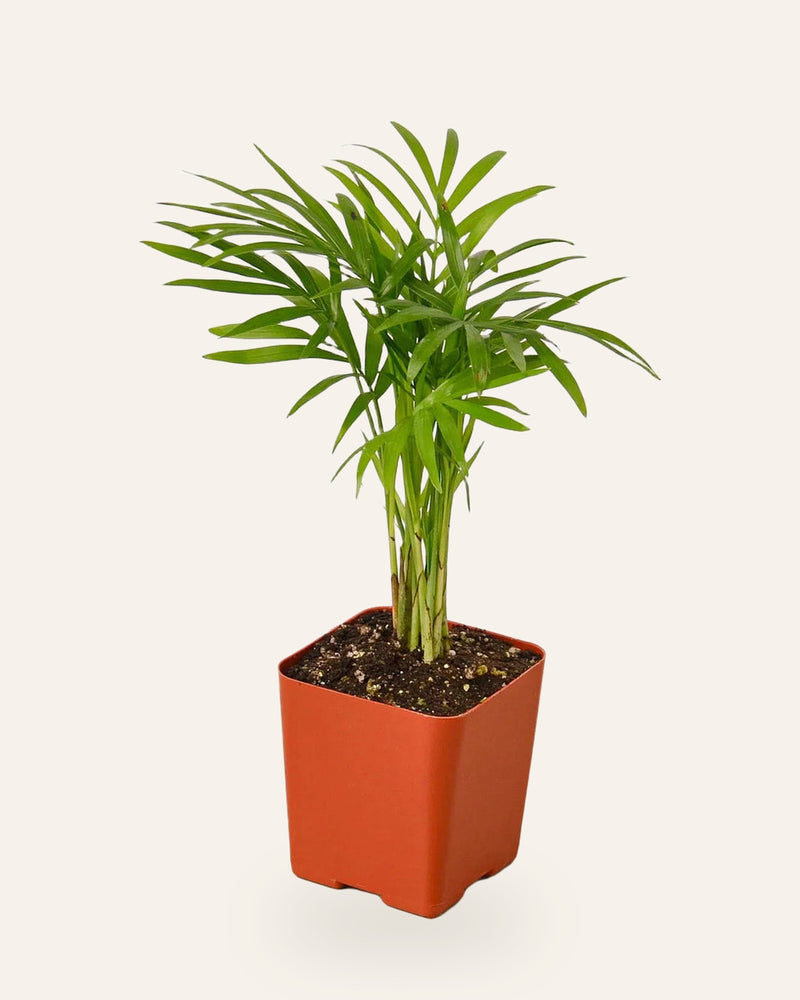
Parlor Palm
Chamaedorea elegansPot fit: 3", 4" or 6" nursery potWater when the top 1 to 2 inches of potting mix feel dry
from $21.99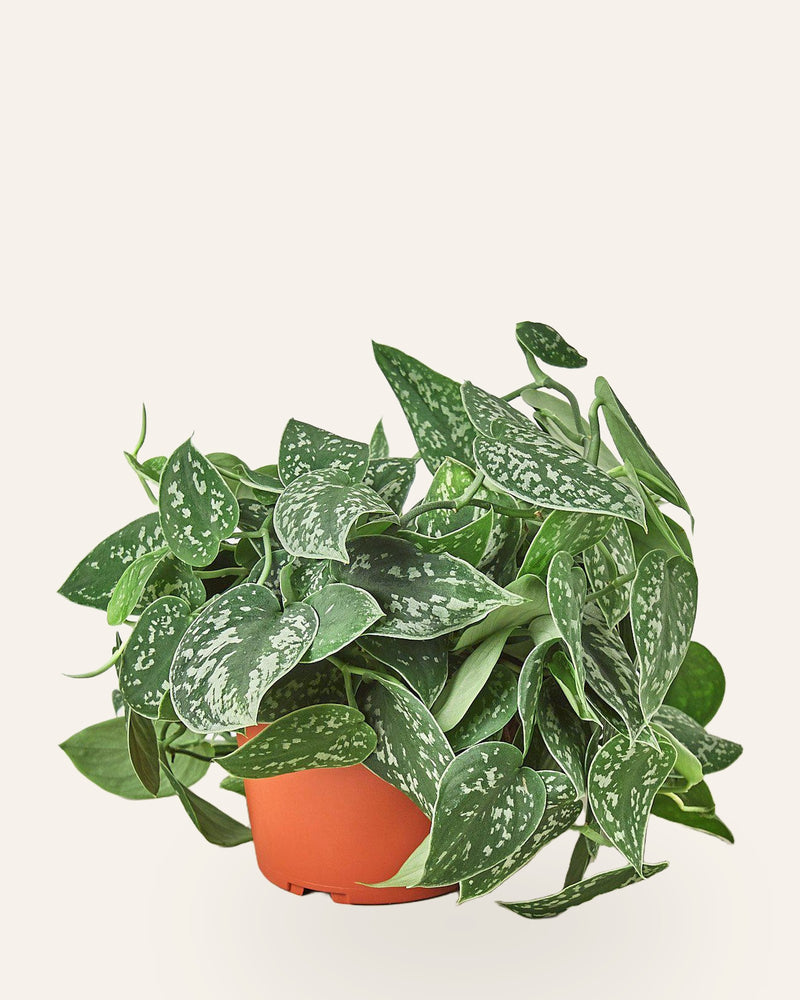
Satin Pothos
Scindapsus pictusPot fit: 4" or 6" nursery potWater after the top 1 to 2 inches of soil have dried
from $28.99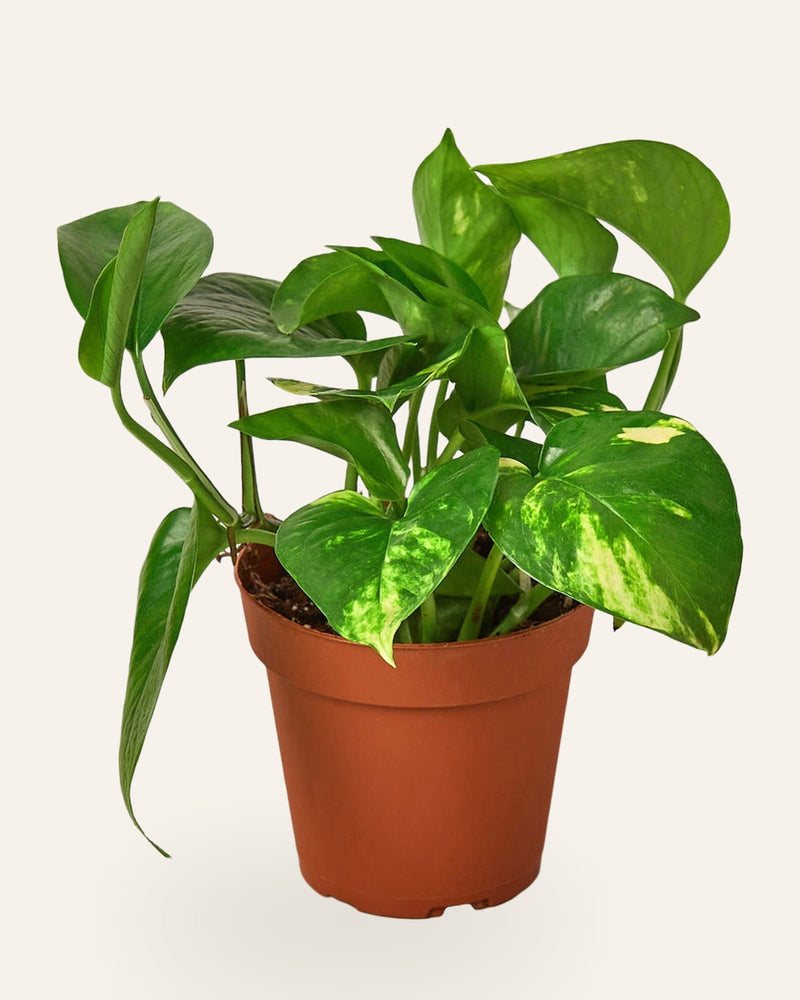
Golden Pothos
Epipremnum aureumPot fit: 4" or 6" nursery potWater when the top 2 inches of soil are dry, then drain fully
from $25.99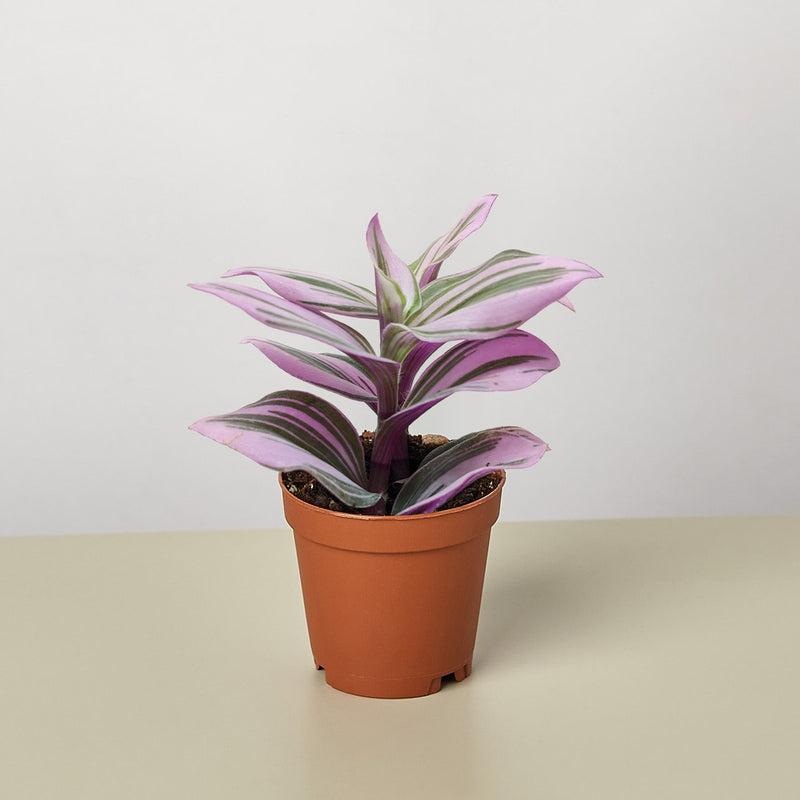
Tradescantia 'Nanouk'
Tradescantia albiflora 'Nanouk'Pot fit: 4" or 6" nursery potwhen the top inch of soil is dry
from $31.99Keep going with the care library
Care pages by plant, plus the watering and light calculators and the plant doctor.
More from the Journal
All Journal articles
Philodendron Congo Care: Light, Water and Fixes for Leaf Problems
How to care for Philodendron Congo: light, watering, soil, repotting and propagation, plus fixes for yellow, brown or droo...

Begonia Care Guide: Light, Water and Dark-Leaf Varieties
Care for indoor begonias including Begonia 'Black Magic' with practical advice on indirect light, watering, humidity, and ...

Homalomena Care Guide: Light, Water and Camouflage Foliage
Learn how to grow Homalomena indoors, including Homalomena 'Camouflage', with tips on medium light, steady moisture, and h...