How to Repot Houseplants: Step-by-Step Without Root Shock
Learn how to repot houseplants step-by-step without causing transplant shock. Covers container sizing, chunky substrate blends, and root recovery.

At a glance
To repot a houseplant without root shock, water it a day or two ahead, move it into a pot only 1 to 2 inches wider, keep the root ball intact unless the roots are circling or rotten, backfill with a chunky, fast-draining mix, and hold off on fertilizer for 4 to 6 weeks. Most transplant wilt comes from roots that were torn, buried in too much wet soil, or burned by fertilizer. This guide shows when to repot, how to size the pot, and the exact steps.
Potting up vs. full repotting
Root disturbance is the main cause of wilting after a move. Plenty of advice says to rake out the old soil and tear the root ball apart every time. Most healthy plants do not need that. There are two methods, and choosing the right one is half the job.
- Potting up (the default): keep the root ball whole, set it in a slightly larger pot and fill the gap with fresh mix. Use it for routine size upgrades when the roots look healthy.
- Full repotting (only when needed): loosen the outer roots with your fingers and trim dead or mushy ones with clean shears. Use it only when the plant is severely rootbound, with a tight mat of circling roots, or when you are treating root rot.
When to repot, and when to wait
Skip the fixed calendar. Check the plant for these signs instead:
- Roots growing out of the drainage holes. Thick roots pushing through the bottom mean the pot is full.
- Water runs straight through, or the soil dries within a day or two of a full soak. Roots now take up most of the pot.
- The plant is top-heavy. It tips or sways under its own weight.
- Growth stalls in the growing season. New leaves come in small or not at all while the plant gets good light and regular water.
The best time is spring or early summer, when the plant is growing and recovers fast. Avoid late autumn and midwinter, when most houseplants slow down. If the plant is stressed, flowering, or sitting in a dry spell, wait. The exception is a plant with rotting roots: repot it right away, at any time of year.
Pick the right pot size: the 1 to 2 inch rule
A small plant in a big pot does not grow faster. The extra soil stays wet long after the roots stop drinking, which starves them of oxygen and invites root rot. Go up by 1 to 2 inches in diameter, and always use a pot with a drainage hole.

| Current pot | Move up to |
|---|---|
| 4 inch | 5 or 6 inch |
| 6 inch | 7 or 8 inch |
| 8 inch | 10 inch |
| 10 inch or larger | 12 inch |
Not sure which size fits your plant? The repotting pot size calculator gives a size, and the potting soil recipe calculator tells you how much mix to buy.
What to put in the pot
Use a chunky, airy mix so water drains quickly and air reaches the roots. A good all-purpose houseplant mix plus extra perlite or fine orchid bark works for most foliage plants. Succulents and cacti need a grittier mix, and moisture-loving plants such as ferns can take a little more peat or coco coir. Do not add a layer of gravel at the bottom, because it raises the soggy zone instead of draining it. Wash and dry a reused pot first, and soak terracotta so it does not pull water from the roots.
How to repot, step by step
- Water the plant 1 to 2 days ahead. Moist roots bend. Bone-dry roots snap while you handle them.
- Prepare the new pot. Check the drainage hole, then add 1 to 2 inches of fresh mix so the plant will sit at the right height.
- Ease the plant out. Support the base of the stems, tilt the pot and squeeze a flexible nursery pot. Never yank on the stems. If it sticks, run a knife around the inside edge.
- Look at the roots. Healthy roots are firm and pale. If they circle the root ball, loosen the outer layer gently. Trim only roots that are black, brown and mushy, using clean shears.
- Position the plant. Set it in the center so the top of the root ball sits about 1/2 to 1 inch below the rim. Leave room to water, and keep the soil line where it was, since burying the stem base can cause rot.
- Backfill around the sides. Pour fresh mix in around the root ball and tap the pot on the table to settle it. Press lightly. Packing it hard squeezes out the air the roots need.
- Water once to settle. Water until it runs out of the drainage holes, which closes air pockets and brings soil in contact with the roots. Empty the saucer after 15 minutes.

Aftercare: the first six weeks
- Light: put it back where it was, in bright indirect light. Keep fresh transplants out of hot midday sun for the first week.
- Water: there is more soil in the pot now, so it dries more slowly. Check 2 inches down with your finger and water only when it feels dry. The watering calculator gives a schedule by plant.
- Fertilizer: wait 4 to 6 weeks. Fresh potting mix already carries nutrients, and fertilizer on tender new roots can burn them.
- Droop or a dropped leaf: a little is normal in the first week or two. If leaves keep yellowing or the soil stays wet for more than a week, check the drainage and look for root rot.
Common repotting questions
Can I repot a plant that is in bloom?
It is better to wait until the flowers fade. Repotting a blooming plant can make it drop buds, so unless the roots are rotting, let the bloom finish first.
Should I use a pot with drainage holes?
Yes. If you love a decorative pot with no holes, keep the plant in a plastic nursery pot with holes and set it inside the outer pot. Pour off any water that collects at the bottom.
How often should I repot?
Most houseplants need it every 1 to 2 years, and slow growers less often. Go by the signs above rather than the calendar.
Want the full routine for a specific plant? Browse the Palma care library for care pages by plant.
Nick Alan is the founder of Palma and has grown plants for 25+ years. He writes the shop's care guides and built the watering, soil and light tools.
View author profilePlants to grow next
Easy-care plants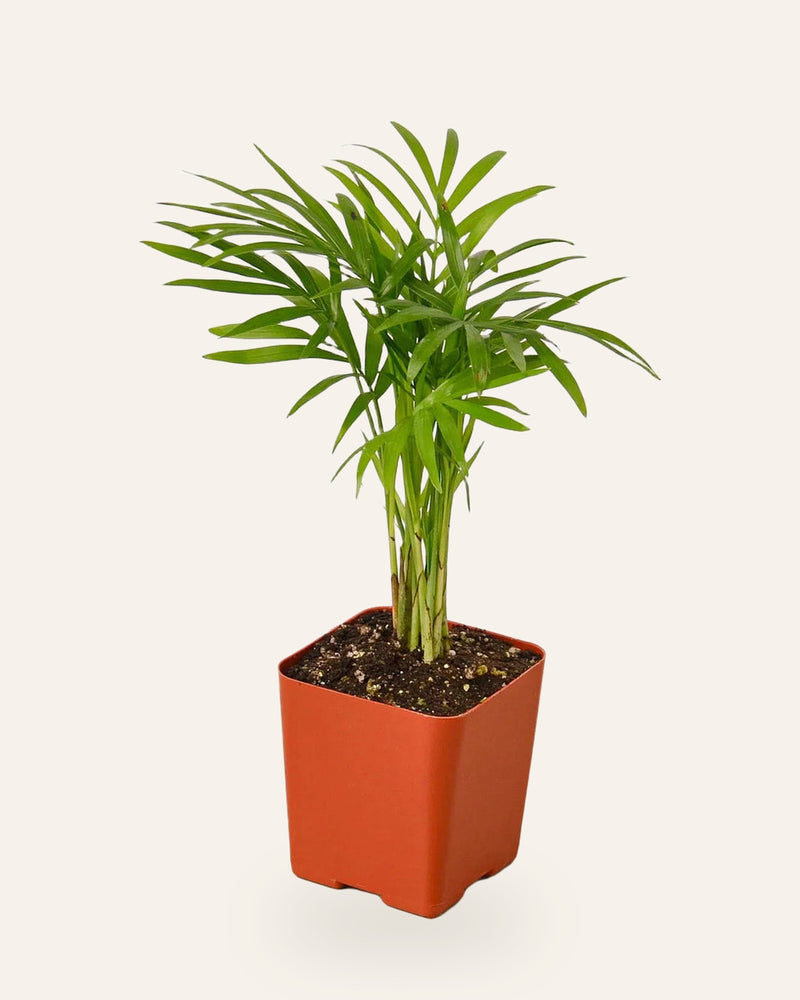
Parlor Palm
Chamaedorea elegansPot fit: 3", 4" or 6" nursery potWater when the top 1 to 2 inches of potting mix feel dry
from $21.99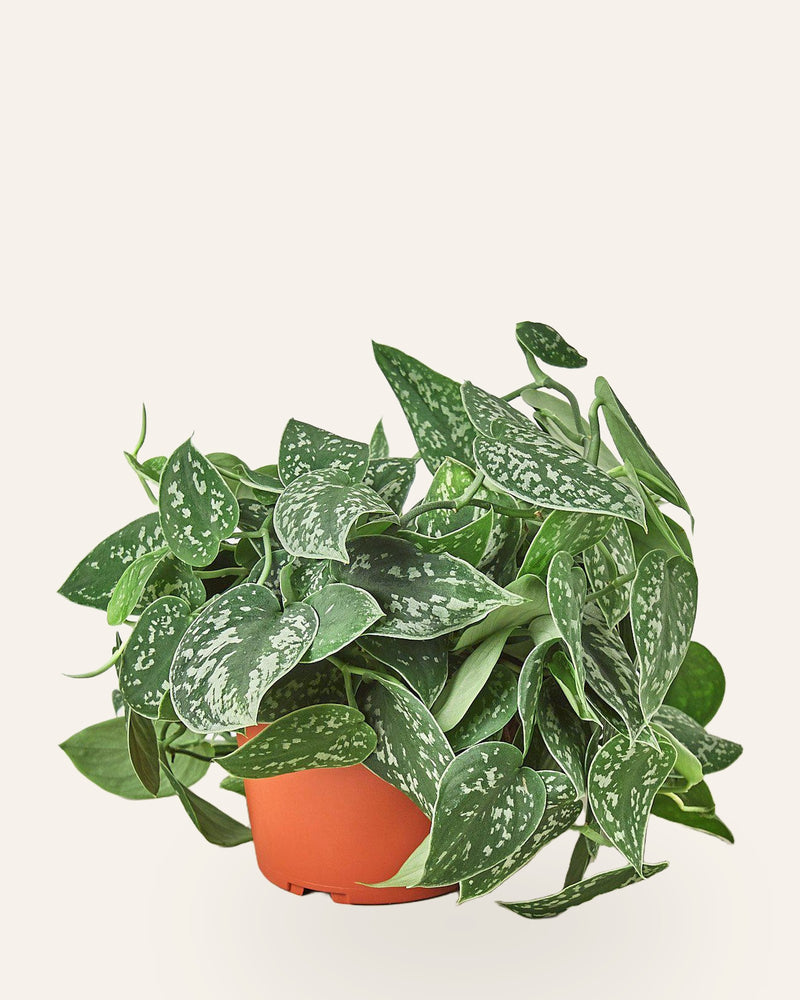
Satin Pothos
Scindapsus pictusPot fit: 4" or 6" nursery potWater after the top 1 to 2 inches of soil have dried
from $28.99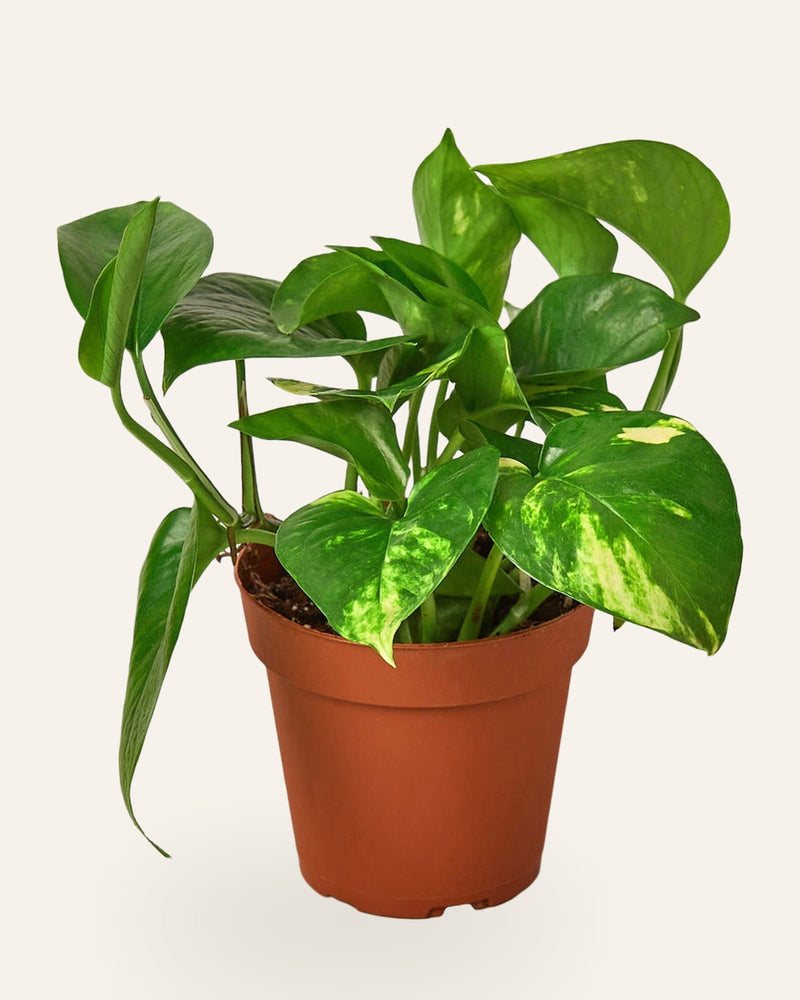
Golden Pothos
Epipremnum aureumPot fit: 4" or 6" nursery potWater when the top 2 inches of soil are dry, then drain fully
from $25.99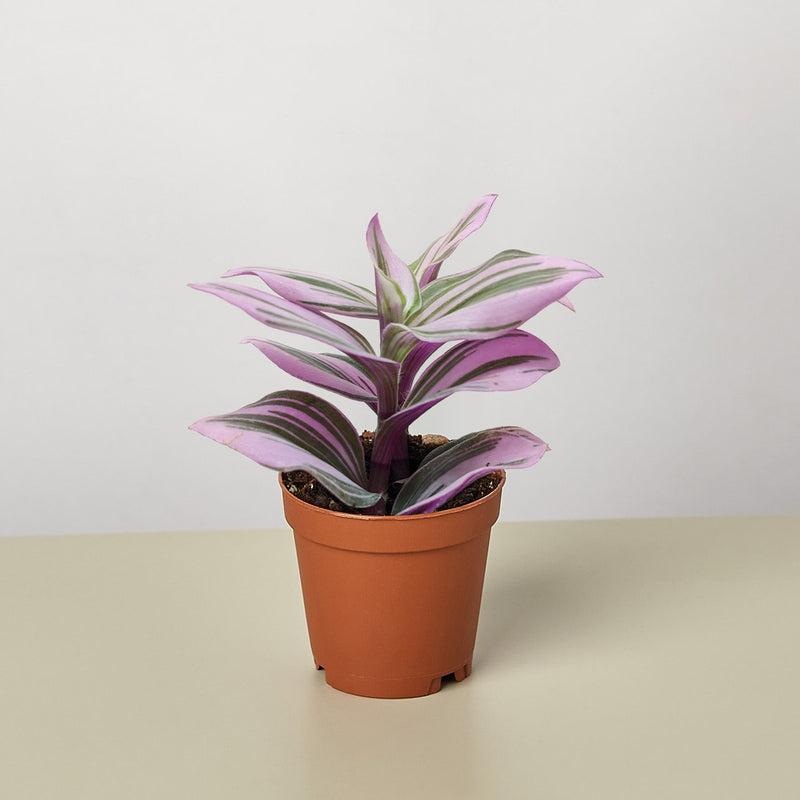
Tradescantia 'Nanouk'
Tradescantia albiflora 'Nanouk'Pot fit: 4" or 6" nursery potwhen the top inch of soil is dry
from $31.99Keep going with the care library
Care pages by plant, plus the watering and light calculators and the plant doctor.
More from the Journal
All Journal articles
Best Houseplants for Beginners: A Horticulturist’s Guide
Compare 10 beginner-friendly houseplants by light, watering needs, growth habit, and pet safety, with practical care cues ...

Philodendron Congo Care: Light, Water and Fixes for Leaf Problems
How to care for Philodendron Congo: light, watering, soil, repotting and propagation, plus fixes for yellow, brown or droo...

Begonia Care Guide: Light, Water and Dark-Leaf Varieties
Care for indoor begonias including Begonia 'Black Magic' with practical advice on indirect light, watering, humidity, and ...