Root Rot Rescue: How to Save an Overwatered Plant
Root rot happens when soil stays wet for too long and the roots run out of oxygen. The plant wilts, yellows or goes soft at the base even though the soil is damp. You can often save it: take it out of the pot, cut away the brown, mushy roots, repot in fresh, well-draining mix and water less often.
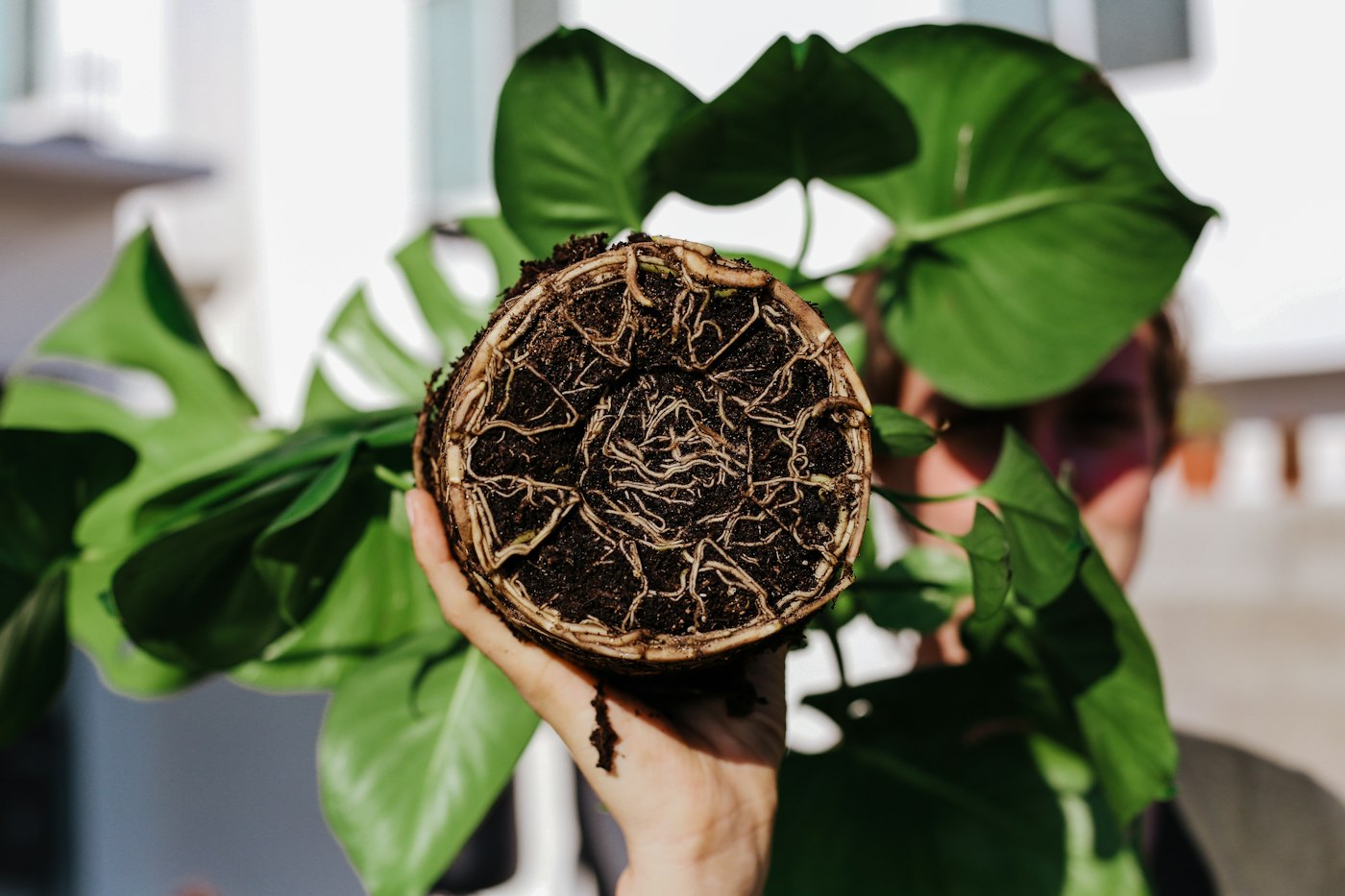
Signs of root rot
- Soil that stays wet for days after watering
- Yellow or drooping leaves even though the soil is damp
- A soft, dark or mushy stem base
- Roots that are brown or black, mushy, and may smell sour
- Small flies (fungus gnats) around the soil, a sign it stays too wet
Step-by-step rescue
- Stop watering. Don't add water to soggy soil.
- Take the plant out of its pot. Gently loosen the old soil from the roots.
- Sort the roots. Healthy roots are firm, and their color varies by species. Rotted roots are soft, mushy or break down when handled; color alone is not enough to diagnose rot.
- Cut away the rot. Use clean scissors. Remove soft stems and badly damaged leaves too.
- Repot in fresh mix. Use a pot with a drainage hole that is no more than 1 to 2 inches wider than the root ball. An oversized pot holds extra water. Skip the gravel layer; it doesn't improve drainage.
- Match watering to the plant and remaining roots. Do not automatically soak a freshly treated plant. Follow its care guide, empty the saucer after watering, and check the mix before watering again. Snake plants and ZZ plants need the mix to dry throughout.
- Hold the fertilizer. Let new roots grow for a month or so before feeding.
- Watch new growth. Leaves that already yellowed won't recover. Firm new leaves mean the roots are working again.
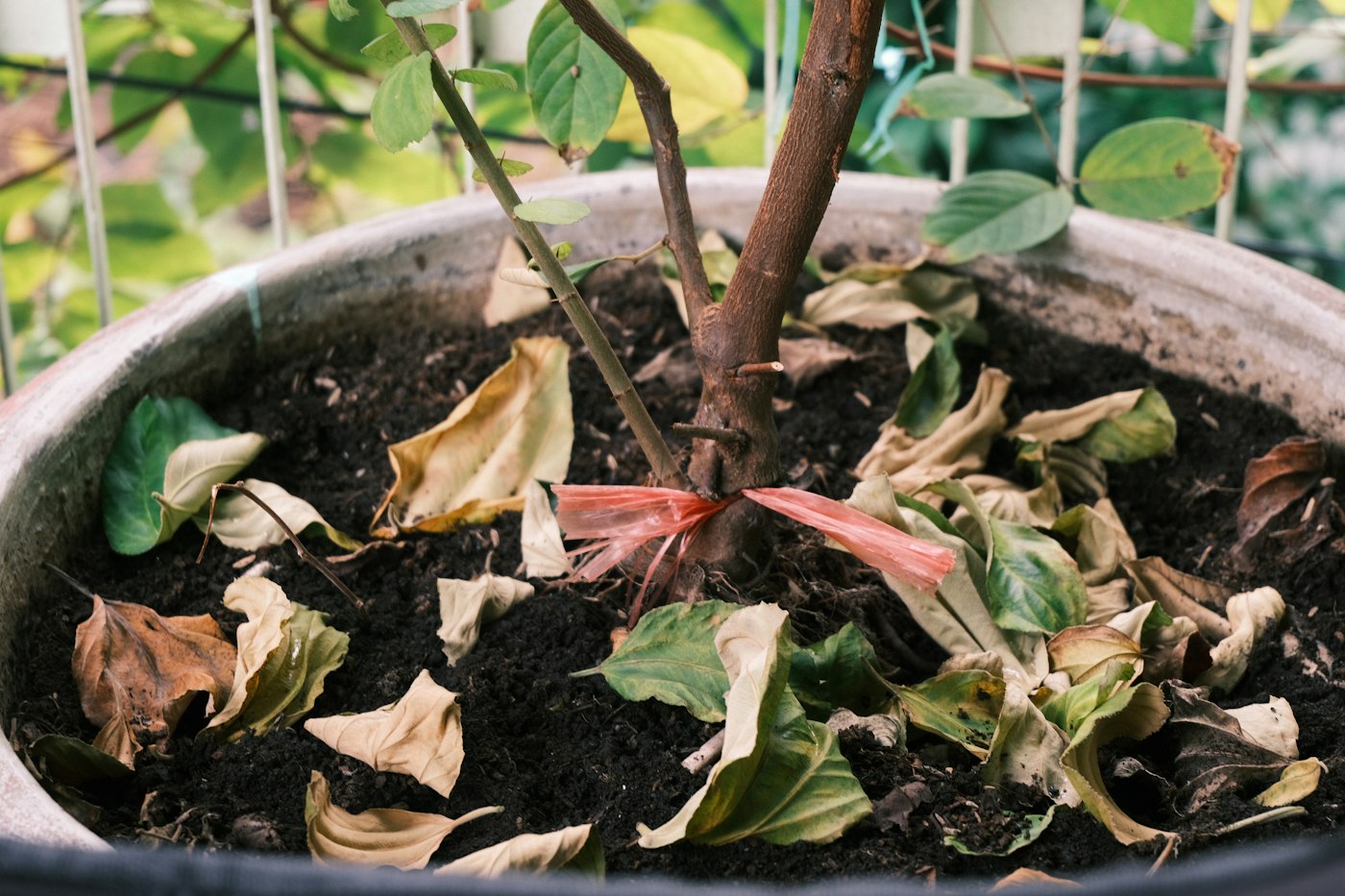
When to start over
If nearly all the roots are dark and soft, the plant usually won't recover. Wash and disinfect the pot, fix the cause (drainage, pot size, watering), and start with a healthy plant. Browse Palma's live houseplants.
Not sure it's root rot?
Run the diagnoser below. It is set up for wet soil and soft yellow leaves; change the answers to match your plant.
Loading the plant problem diagnoser...
FAQ
How do I know if my plant has root rot?
Wet mix together with wilting, yellowing or a soft stem base is a warning sign. Inspect the roots: healthy roots are firm and their color varies; soft, mushy roots that break down suggest decay.
Can a plant recover from root rot?
Recovery may be possible if some healthy roots remain. Cut away the rotted roots, repot in fresh, well-draining mix and water less often. If almost all roots are dark and soft, it is usually better to start over with a new plant.
How often should I water after root rot?
Watering after repotting depends on the species, remaining roots and condition of the mix. Avoid soaking damaged roots or watering mix that is still damp. Snake plants and ZZ plants need the mix to dry throughout before the next watering.
Related guides and tools
- Why is my plant dying? A symptom-by-symptom guide
- Spider plant brown tips and yellow leaves
- Why is my peace lily turning yellow?
- How to care for succulents
- Houseplant problem diagnoser
- Yellow leaves checker
- Repotting and pot size calculator
Sources
- Iowa State University Extension: Diagnosing houseplant problems related to poor culture
- Iowa State University Extension: Why does my houseplant have brown leaf tips and edges?
- University of Maryland Extension: Overwatered indoor plants
- UC Statewide IPM Program: Houseplant problems
- Clemson HGIC: Houseplant diseases and disorders
- University of Illinois Extension: Tips for repotting houseplants
Reviewed by Nick Alan, founder of Palma, with more than 25 years of experience growing plants.