Why are my pothos leaves turning yellow? Causes and fixes
Yellow pothos leaves usually come down to water, light or age. Here is how to tell which one you have and what to do about it.

At a glance
One yellow leaf on a pothos is not a crisis. Three yellow leaves and a soft stem are a different story. Pothos tells you what is wrong through the pattern of yellowing, so start by looking at where it is, how fast it is spreading and what the soil feels like.
First, check the soil

Push a finger into the soil. Is it wet, damp or dry?
Clemson's home and garden information center lists overwatering or low fertility as the usual reasons for yellow leaves. A pot that stays wet starves roots of air, and yellow leaves are what you see above the soil.
University of Wisconsin Extension says to water pothos only when the soil surface is dry. If the soil is still wet a few days after watering, you have a drainage or frequency problem. Tip the pot out of its decorative container, check that it has a drainage hole, and let it dry before you water again.
The five usual causes
1. Too much water
Yellow leaves, often lower ones first, with soil that never dries and sometimes a musty smell. Stems near the soil may feel soft.
Fix: Stop watering until the soil surface is dry. Empty any saucer. If the roots are brown and mushy when you slide the plant out, trim those away and repot in fresh, fast-draining mix.
2. Too little water
Leaves yellow, then turn crisp and brown at the edges, and the soil is dry all the way through. The University of Wisconsin Extension pothos page ties blackened leaf margins and tips to overwatering, inadequate watering or too much fertilizer, so the soil tells you which one you have.
Fix: Water until it runs out of the bottom, then empty the saucer.
3. Light that is too low or too strong
The University of Minnesota Extension says plants short on light turn pale green to yellow, grow long and leggy, and may drop older leaves. Too much light scorches and bleaches leaves. Pothos does not tolerate much direct sun, and in dim spots variegated types lose some of their coloring.
Fix: Bright, indirect light suits pothos. Move it back from a hot afternoon window, or closer to a dim room's brightest spot. Our light calculator helps you read a room.
4. Hunger
Clemson lists low fertility as a usual cause of yellow leaves and suggests a houseplant fertilizer every other month in spring and summer.
Fix: Feed in the warm months and skip winter, when the plant is not actively growing. Too much fertilizer is its own problem: UW-Madison names it as one cause of blackened leaf margins.
5. Plain age
Old leaves near the base of a long vine yellow and drop as the plant grows. If it is one leaf at a time, with new leaves coming in healthy at the tips, you have nothing to fix.
Fix: Pinch off the yellow leaf and move on.
A quick way to tell which cause you have
| What you see | Most likely cause |
|---|---|
| Lower leaves yellow, soil stays wet | Overwatering |
| Yellow then crispy edges, soil bone dry | Underwatering |
| Pale leaves, long thin stems | Not enough light |
| Bleached or scorched patches near a window | Too much sun |
| One old leaf now and then | Normal aging |
Should you cut yellow leaves off?
Yes. A fully yellow leaf will not turn green again, and removing it lets the plant put energy elsewhere. University of Wisconsin Extension suggests pruning selectively to keep vines a reasonable length and to promote new growth. Use clean scissors. Healthy trimmings can become new plants; see how to propagate pothos.
When yellow leaves mean something bigger
If more than a third of the plant is yellow and the base of the stems is soft, check the roots. Slide the plant out of the pot. Healthy roots are pale and firm. Rotted roots are brown and soft, and they often smell sour. Trim the bad roots, repot in a fresh chunky mix in a pot with drainage and water lightly while it recovers.
Our yellow leaf tool walks through other plants too, and the pothos care guide covers the full routine.
Prevent it next time
- Water when the soil surface is dry, not on a fixed day.
- Use a pot with a drainage hole.
- Keep it in bright, indirect light.
- Feed lightly in spring and summer.
- Repot when roots show through the drainage holes (Clemson).
FAQ
When should I repot a pothos?
Clemson's pothos guide says to repot when roots show through the drainage holes or the plant is root-bound, and that most plants can be repotted once every year or two. Use fresh, fast-draining mix.
How do I prune a golden pothos?
Prune selectively to keep vines a reasonable length and to promote new growth, as University of Wisconsin Extension advises. Trimmings can be rooted as cuttings. See how to propagate pothos.
Why is my Marble Queen pothos turning brown?
Check the soil first. Wisconsin Extension ties blackened margins and tips to overwatering, inadequate watering or too much fertilizer, and Clemson links tip dieback to low humidity or intense light. Marble Queen is variegated, and Wisconsin notes low light can cost a pothos its variegation.
People Also Ask
Why are my pothos leaves turning yellow?
Overwatering is the most common cause. Underwatering and light problems follow, along with hunger and normal age. Check the soil first.
Why are my N'Joy pothos leaves turning yellow?
The same causes apply. N'Joy is variegated, and Clemson notes dim light can fade the coloring of variegated pothos, so check light and soil moisture first.
Is golden pothos a good indoor plant?
Yes. Clemson lists pothos as tolerating low light and the low humidity of a typical home, though bright, indirect light suits it best.
How big do Marble Queen pothos get?
There is no published extension figure for this cultivar. Pothos vines keep growing, and University of Wisconsin Extension advises pruning to keep them a reasonable length.
Pothos at Palma
Nick Alan is the founder of Palma and has grown plants for 25+ years. He writes the shop's care guides and built the watering, soil and light tools.
View author profilePlants to grow next
Pothos and vining plants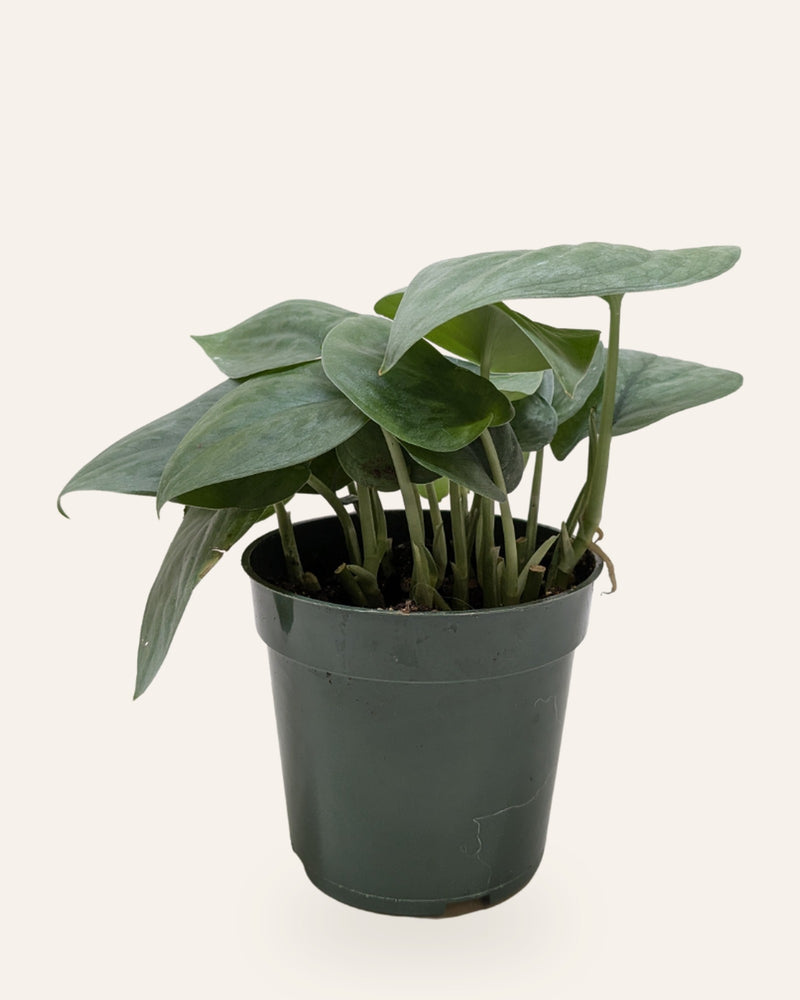
Scindapsus Platinum Java
Scindapsus 'Platinum Java'Pot fit: 4-inch and 6-inch nursery potswater when the soil is dry
from $44.99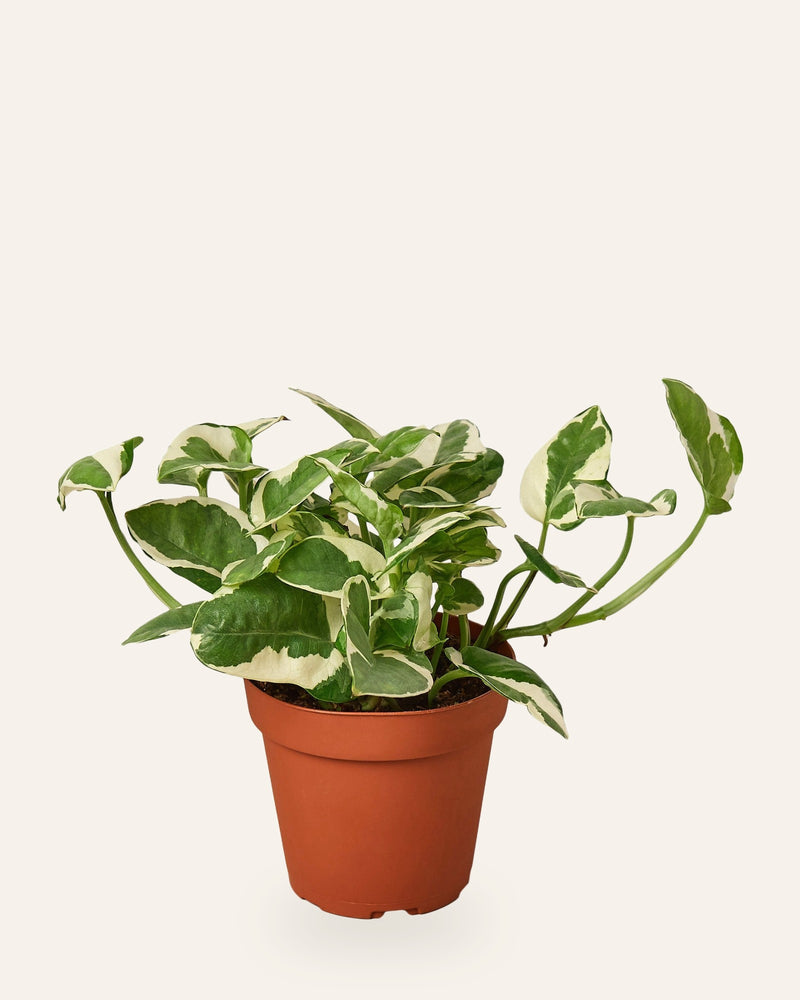
Pothos N'Joy
Epipremnum aureumPot fit: 3-inch and 4-inch nursery potsWater when the top 1 to 2 inches of soil are dry
from $21.99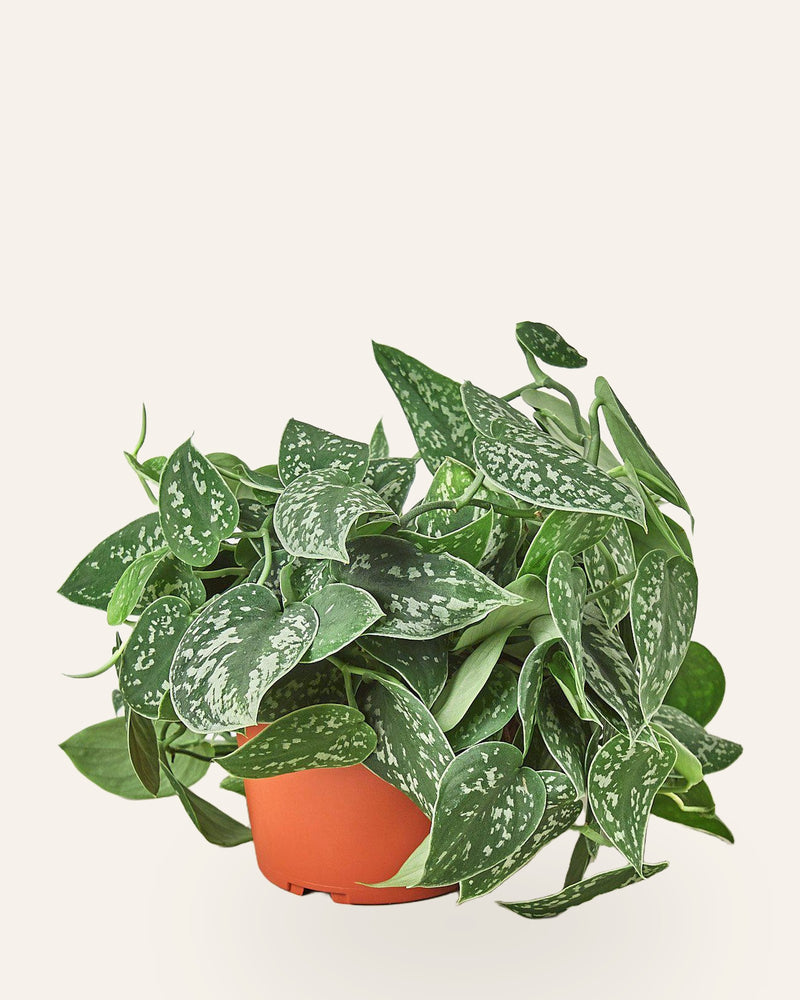
Pothos satén
Scindapsus pictusPot fit: 4-inch and 6-inch nursery potsWater after the top 1 to 2 inches of soil have dried
from $28.99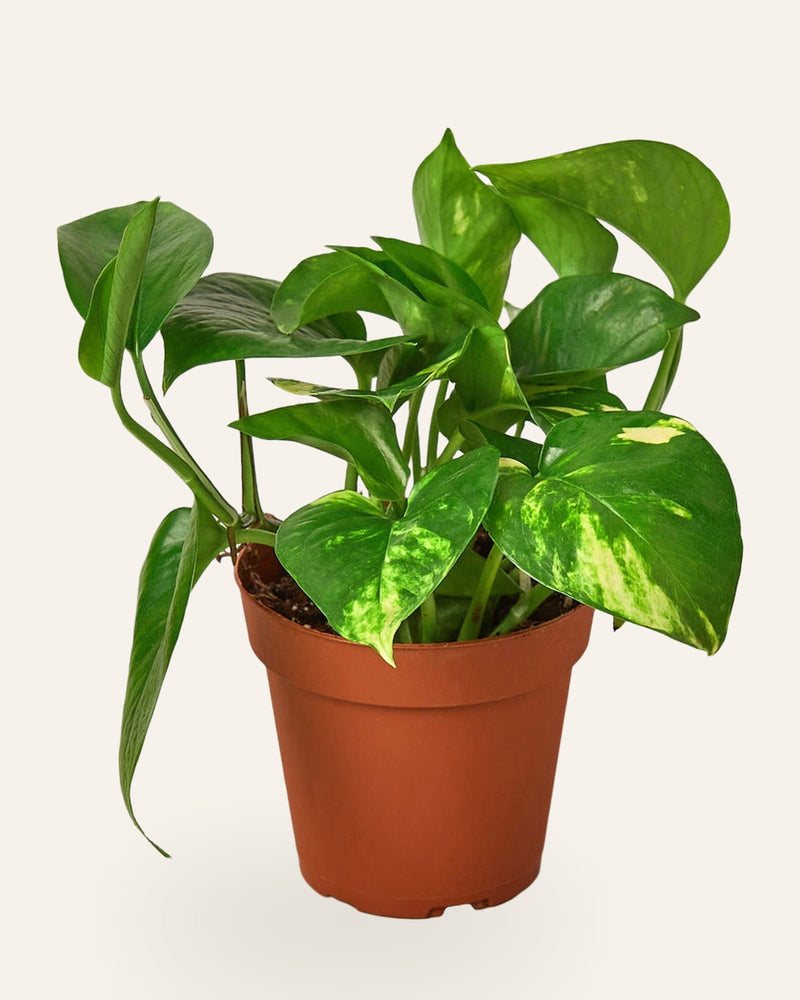
Poto dorado
Epipremnum aureumPot fit: 4-inch and 6-inch nursery potsWater when the top 2 inches of soil are dry, then drain fully
from $25.99Keep going with the care library
Care pages by plant, plus the watering and light calculators and the plant doctor.
More from the Journal
All Journal articles
Philodendron Congo Care: Light, Water and Fixes for Leaf Problems
How to care for Philodendron Congo: light, watering, soil, repotting and propagation, plus fixes for yellow, brown or droo...

Begonia Care Guide: Light, Water and Dark-Leaf Varieties
Care for indoor begonias including Begonia 'Black Magic' with practical advice on indirect light, watering, humidity, and ...

Homalomena Care Guide: Light, Water and Camouflage Foliage
Learn how to grow Homalomena indoors, including Homalomena 'Camouflage', with tips on medium light, steady moisture, and h...