Begonia Care Guide: Light, Water and Dark-Leaf Varieties
Care for indoor begonias including Begonia 'Black Magic' with practical advice on indirect light, watering, humidity, and pet safety.

At a glance
Indoor begonias offer some of the richest foliage colors in the houseplant world, from silver splashed leaves to dramatic dark foliage cultivars like Begonia 'Black Magic'. Their leaves are textured and a little delicate, which shapes how you light, water and place them.
This guide covers light, soil, watering, humidity, feeding and the problems that come up most. You can pair dark leaf begonias with other statement plants in our Collector and Rare collection: See Collector and Rare
Quick care facts
- Light: Medium to bright indirect light (filtered light, no harsh midday sun)
- Water: When the top 1 to 2 inches of soil are dry
- Humidity: Average to moderate (45% to 60%)
- Temperature: 65°F to 75°F
- Pet safety: ASPCA lists Begonia spp. as toxic to dogs, cats, and horses (soluble calcium oxalates).
Light: bright indirect without harsh sun
Give indoor begonias bright indirect light or filtered morning sun. Medium light is also tolerated, though strong indirect light helps dark and patterned varieties hold their richest contrast without stretching.
A spot near an east window, or a few feet back from a bright window with a sheer curtain, suits most. If the stems stretch and the leaf color dulls, the plant needs more light. If the leaves fade or show dry patches, it is getting too much.

Soil and pot
Begonias need a light, well-draining mix that never turns to mud. A standard potting mix with added perlite works. Use a pot with drainage holes and keep it modest in size, since a begonia sitting in a lot of wet soil is likely to rot at the base. Terracotta helps if you tend to water generously.
Watering: let the top layer dry
Allow the top 1 to 2 inches of well-draining potting mix to dry out before watering thoroughly. Water at the soil line rather than over the leaves so moisture does not sit on textured foliage, and always drain excess water from the saucer.
Watch for the signs
Limp stems with wet soil mean too much water. Crisp edges with bone dry soil mean you waited too long. Aim for the middle: a thorough drink, a full drain, then a wait until the top layer dries again.

Humidity, temperature and pet safety
Begonias adapt to average indoor humidity and appreciate a little extra moisture in dry winter air. Keep them at 65°F to 75°F and away from cold windows and hot vents.
Note that the ASPCA lists Begonia species as toxic to dogs, cats, and horses due to soluble calcium oxalates (especially concentrated in underground rhizomes and tubers), so keep them placed safely out of reach.
Feeding, repotting and common problems
Feeding
Feed with a balanced liquid fertilizer at half the label strength about once a month in spring and summer. Skip it in winter.
Repotting
Repot in spring when roots fill the pot. Move up only one size and refresh the mix. Handle the stems gently since they snap easily.
Common problems
White powdery patches on leaves often show up in still, damp air, so give the plant some airflow and keep water off the foliage. Brown crisp edges come from dry air or missed waterings. Leggy growth means low light. Collapsing stems in wet soil point to rot from overwatering.
Grooming
Pinch off spent or damaged leaves at the base with clean scissors. Turn the pot every week or two so the plant grows evenly toward the light, and wipe dust off the leaves gently with a dry soft cloth.

Palma begonias
Begonia 'Black Magic' is the dark leaf example in this guide. It does best in medium to bright indirect light and in a pot with good drainage: Begonia 'Black Magic' at Palma
Shop the plants in this guide
Plants from the Palma collection that match the care above. Tap a card to see the plant.
 Begonia 'Black Magic', 6" PotNear black lobed leaves with a subtle metallic sheen.From $34.99
 Rex Begonia (Begonia rex-cultorum)Celebrated as the 'King Begonia', Begonia rex-cultorum is prized exclusively for its theatrical, richly textured foliage, displaying asymmetrical heart-shaped leaves cloaked in metallic silver, deep wFrom $28.99
Pairs well with
Other collector foliage plants that suit a similar bright, indirect spot.
 Calathea Ornata PinstripeDark leaves with fine pink pinstripes.From $28.99
 Alocasia 'Black Velvet'Dwarf alocasia with velvety, near black leaves.From $29.99
 Alocasia 'Red Secret'Quilted leaves with a copper red metallic sheen.From $34.99
 Scindapsus 'Jade Satin'Thick emerald heart leaves with a matte satin finish.From $40.99
FAQ
Are indoor begonias toxic to cats and dogs?
Yes. The ASPCA lists Begonia species as toxic to dogs, cats, and horses if ingested, with the highest concentration of soluble calcium oxalates in the underground rhizomes and tubers.
How often should I water an indoor begonia?
Water when the top 1 to 2 inches of soil feel dry, typically every 1 to 2 weeks depending on pot size, light, and indoor temperature.
People Also Ask
Do begonias need sun or shade indoors?
Indoor begonias prefer bright indirect light or filtered morning sun rather than direct midday sun, which can scorch or fade dark and patterned leaves.
What are the light requirements for Begonia 'Black Magic' and Rex begonias?
Both prefer medium to bright indirect light, such as near an east window or behind a sheer curtain, to keep leaf color rich without burning.
Should you mist begonia leaves?
It is better to use a nearby humidifier or pebble tray rather than misting directly onto begonia leaves, which can encourage leaf spotting.
Nick Alan is the founder of Palma and has grown plants for 25+ years. He writes the shop's care guides and built the watering, soil and light tools.
View author profilePlants to grow next
Easy-care plants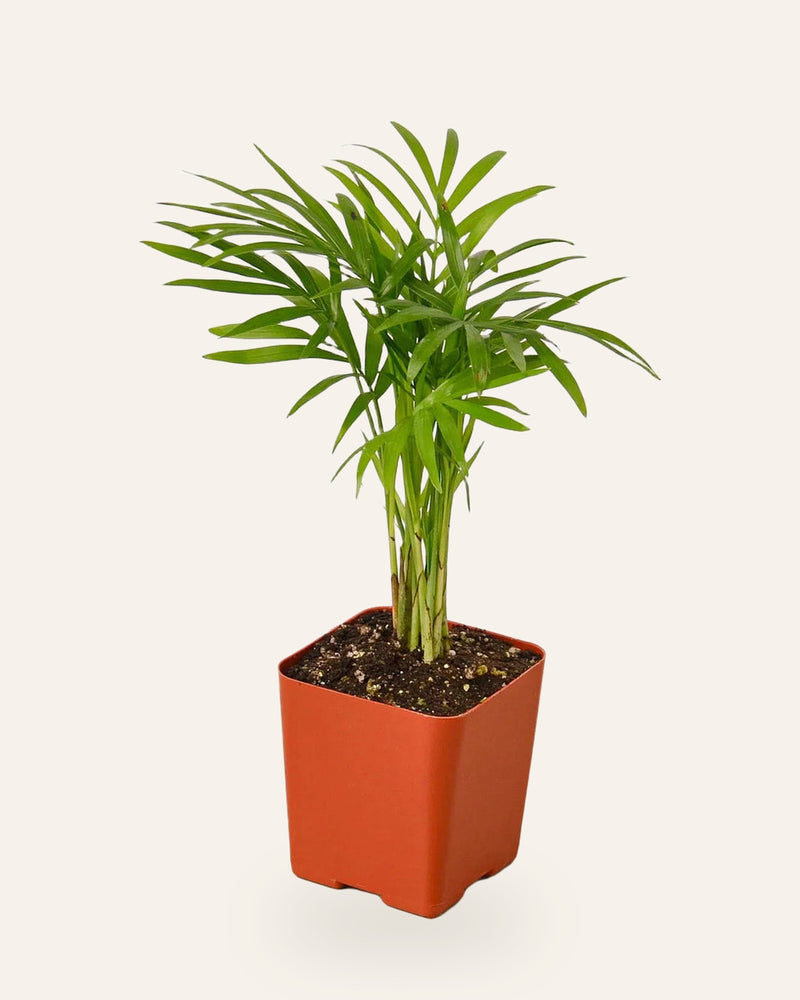
Palma de salón
Chamaedorea elegansPot fit: 4-inch and 6-inch nursery potsWater when the top 1 to 2 inches of potting mix feel dry
from $21.99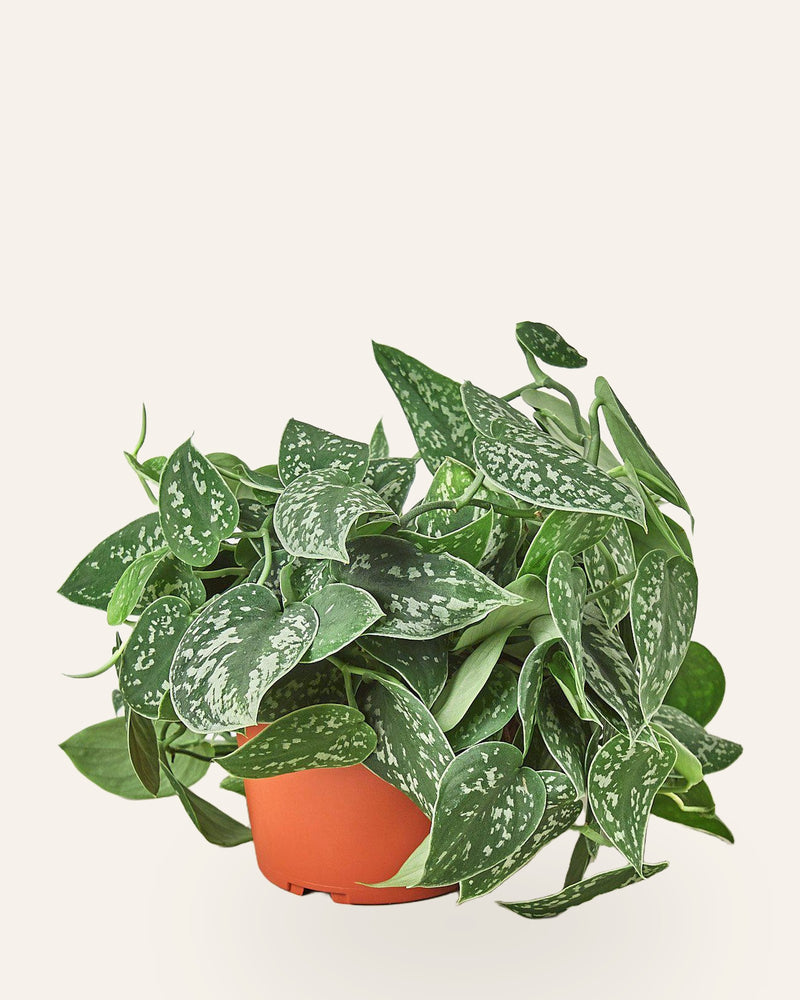
Pothos satén
Scindapsus pictusPot fit: 4-inch and 6-inch nursery potsWater after the top 1 to 2 inches of soil have dried
from $28.99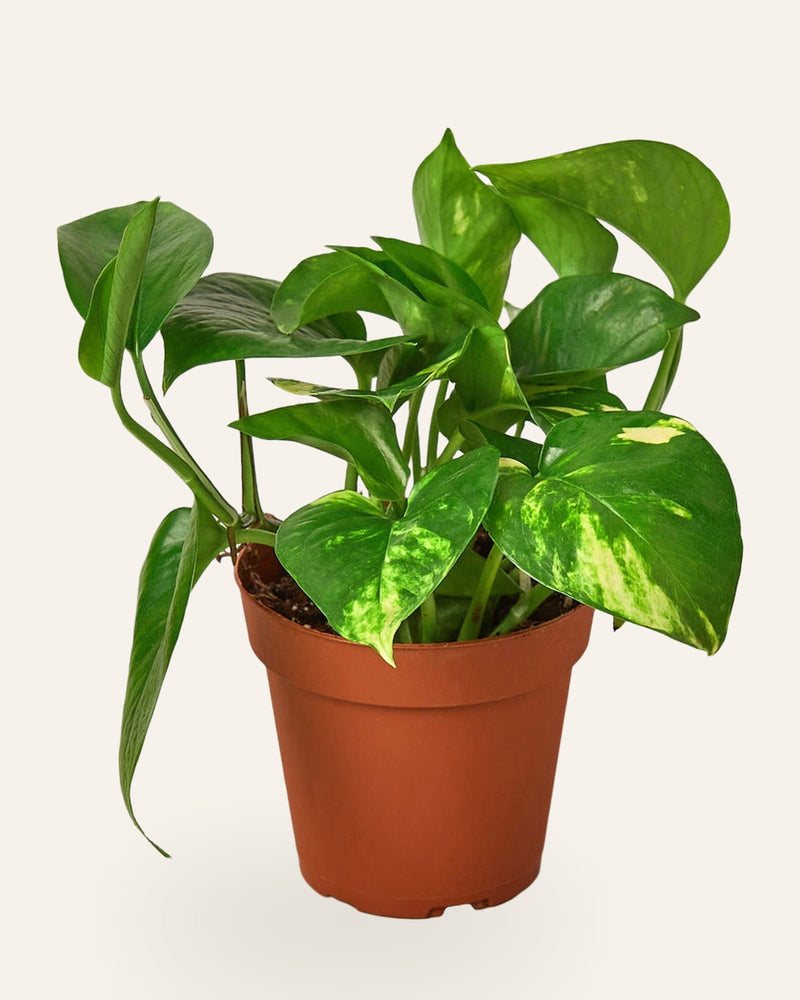
Poto dorado
Epipremnum aureumPot fit: 4-inch and 6-inch nursery potsWater when the top 2 inches of soil are dry, then drain fully
from $25.99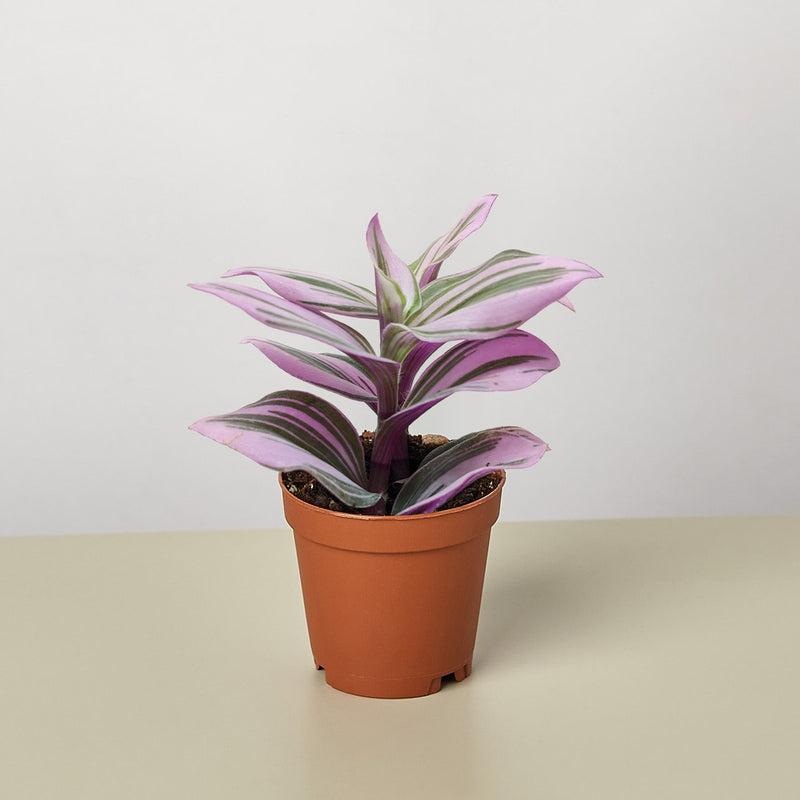
Tradescantia 'Nanouk'
Tradescantia albiflora 'Nanouk'Pot fit: 4" or 6" nursery potwhen the top inch of soil is dry
from $31.99Keep going with the care library
Care pages by plant, plus the watering and light calculators and the plant doctor.
More from the Journal
All Journal articles
Philodendron Congo Care: Light, Water and Fixes for Leaf Problems
How to care for Philodendron Congo: light, watering, soil, repotting and propagation, plus fixes for yellow, brown or droo...

Homalomena Care Guide: Light, Water and Camouflage Foliage
Learn how to grow Homalomena indoors, including Homalomena 'Camouflage', with tips on medium light, steady moisture, and h...
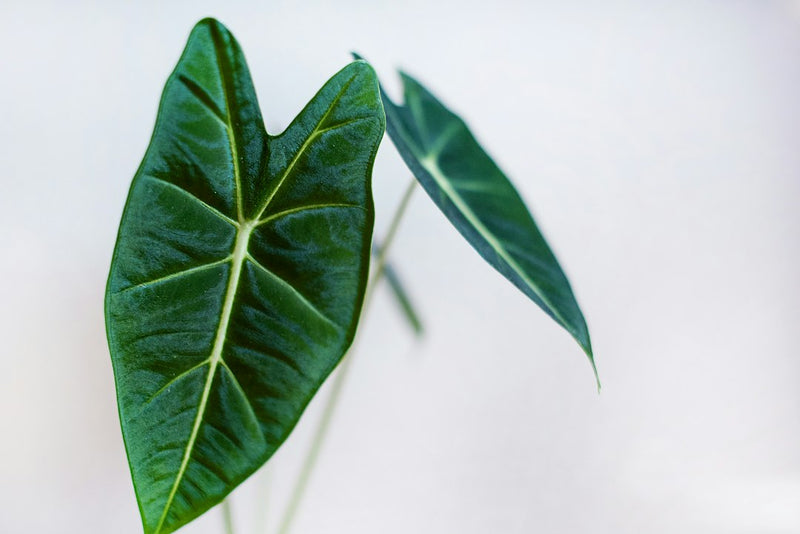
Alocasia Care Guide: Light, Water, Humidity and Winter Dormancy
Keep Alocasia plants thriving indoors with our guide to bright indirect light, chunky aroid soil, humidity, and winter dor...