Homalomena Care Guide: Light, Water and Camouflage Foliage
Learn how to grow Homalomena indoors, including Homalomena 'Camouflage', with tips on medium light, steady moisture, and humidity.

At a glance
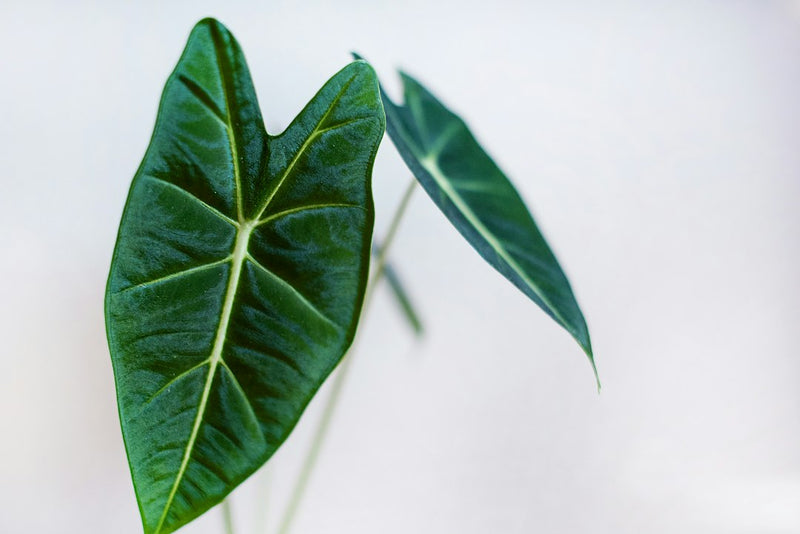
Homalomena are compact, clumping tropical aroids known for lush heart shaped leaves and tidy indoor size. Varieties like Homalomena 'Camouflage' (Homalomena wallisii) stand out with velvety foliage mottled in olive, lime and deep green.
They are a good fit for a shelf or desk where larger aroids would crowd the space. This guide covers light, soil, watering, humidity, feeding and the problems that show up most. You can explore more collector foliage in our Monsteras and Aroids collection: See all Monsteras and Aroids
Quick care facts
- Light: Medium to bright indirect light (no direct sun)
- Water: When the top inch of soil feels dry (keep lightly moist)
- Humidity: Moderate to high (50%+)
- Temperature: 65°F to 80°F
- Pet safety: No exact ASPCA entry. We couldn't confirm pet safety for this plant. Keep it out of reach of pets and ask your vet.
Light and placement
Homalomena thrive in medium to bright indirect light. Bright filtered light keeps variegated camouflage patterns crisp, while direct afternoon sun can bleach or burn the soft leaves.
An east window or a spot a few feet back from a south or west window works well. If new leaves come in smaller and paler than the older ones, the plant wants more light. If the leaves look washed out or develop dry patches, move it back from the glass.

Soil and pot
Use a well-draining, airy potting mix. A standard houseplant mix with added bark or perlite gives roots oxygen while still holding some moisture. Pick a pot with drainage holes that fits the clump with a little room to spare. Because Homalomena grow as a tidy clump, they do not need a large pot.
Watering and soil moisture
Unlike drought tolerant succulents, Homalomena prefer steady, light moisture. Water when the top inch of well-draining potting mix feels dry, and empty excess water from the saucer so the roots never stay waterlogged.
A simple routine
Push a finger into the top inch of soil once or twice a week. If it feels dry, water until it runs from the bottom, then let it drain fully. In cooler months, check less often because the mix dries more slowly.
Water quality and timing
Use room temperature water so the roots are not shocked. Water in the morning when you can, so the surface has time to dry through the day. If the pot sits in a saucer, tip it out after ten minutes.

Humidity, temperature and pet safety
Average home temperatures (65°F to 80°F) suit Homalomena well, and moderate to higher humidity helps keep leaf margins smooth. Keep Homalomena away from cold drafts and heating vents. In a dry winter room, a small humidifier nearby or a spot with other plants around it keeps the air from pulling moisture out of the leaf edges. Bathrooms with a bright window can also work well, as long as the light is filtered and not direct.
Keep Homalomena out of reach of pets and children.
Feeding, repotting and common problems
Feeding
Feed with a balanced liquid fertilizer at half the label strength about once a month during spring and summer. Pause in winter.
Repotting
Repot in spring every second year or when roots crowd the pot. Go up one size and use fresh mix. Divide an oversized clump if you want more plants.
Common problems
Crispy leaf margins point to dry air or irregular watering. Faded or scorched patches mean too much direct sun. Yellow leaves with soggy soil mean the roots are staying too wet. A plant that stretches and loses its contrast is asking for brighter indirect light.
Keeping the pattern sharp
Rotate the pot a quarter turn every week or two so the clump grows evenly toward the light. Wipe dust from the leaves with a damp cloth, since a dusty leaf takes in less light and the velvet texture looks dull.
Palma Homalomena
Our Homalomena 'Camouflage' is the plant this guide uses as its example. It stays compact and shows its mottled pattern best in bright filtered light: Homalomena 'Camouflage' at Palma
Shop the plants in this guide
Plants from the Palma collection that match the care above. Tap a card to see the plant.

Pairs well with
Other collector foliage plants that suit a similar bright, indirect spot.
 Philodendron GloriosumLarge velvety heart leaves with white veins.From $39.99
 Philodendron JoepiiClimbing vine with deeply lobed, waisted leaves.From $46.99
 Anthurium 'Livium'Compact flamingo flower with glossy heart leaves.From $33.99
 Syngonium Milk ConfettiPale milky green leaves with soft pink variegation.From $33.99
FAQ
How often should I water Homalomena 'Camouflage'?
Water when the top inch of soil feels dry to the touch. Keep the mix lightly moist during active growth without letting it sit soggy.
Does Homalomena need bright light?
Medium to bright indirect light works best. Avoid harsh direct sun, which can fade or scorch its velvety patterned leaves.
People Also Ask
Is Homalomena easy to care for indoors?
Yes. As long as it stays evenly lightly moist in medium to bright indirect light and away from cold drafts, Homalomena grows steadily as a compact clump.
Is Homalomena safe for cats and dogs?
We couldn't confirm pet safety for this plant. Keep it out of reach of pets and ask your vet.
Does Homalomena need high humidity?
It tolerates average indoor humidity but looks its best in moderate to high humidity (50%+), which helps prevent crispy leaf margins.
Nick Alan is the founder of Palma and has grown plants for 25+ years. He writes the shop's care guides and built the watering, soil and light tools.
View author profilePlants to grow next
Easy-care plants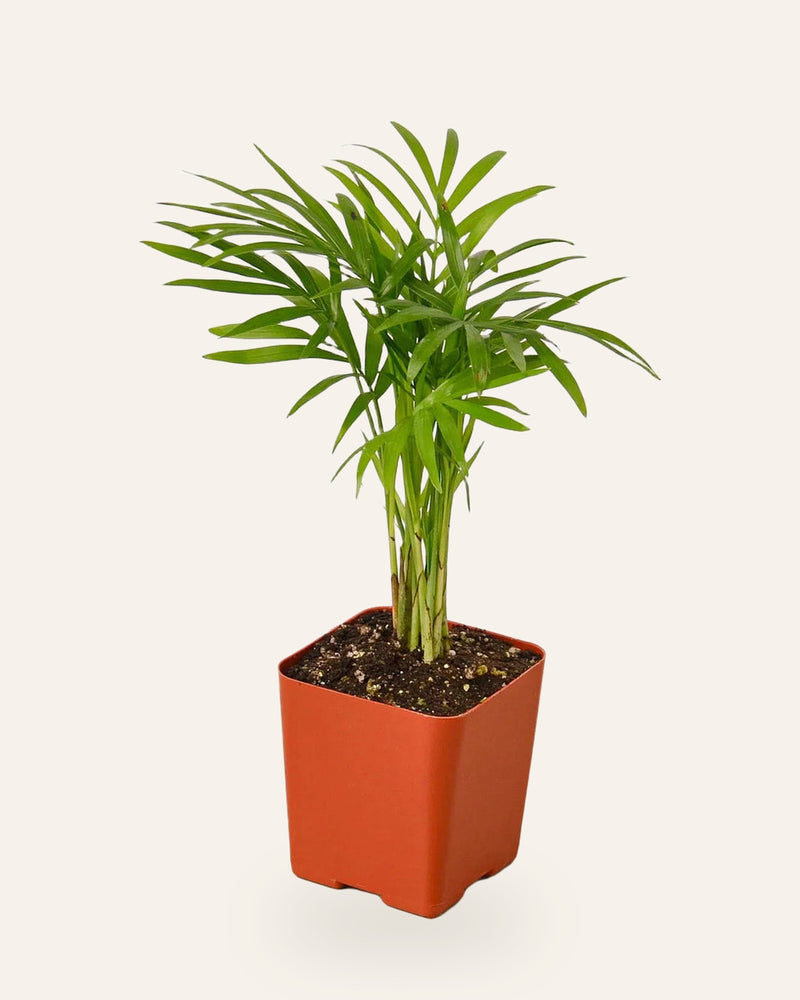
Palma de salón
Chamaedorea elegansPot fit: 4-inch and 6-inch nursery potsWater when the top 1 to 2 inches of potting mix feel dry
from $21.99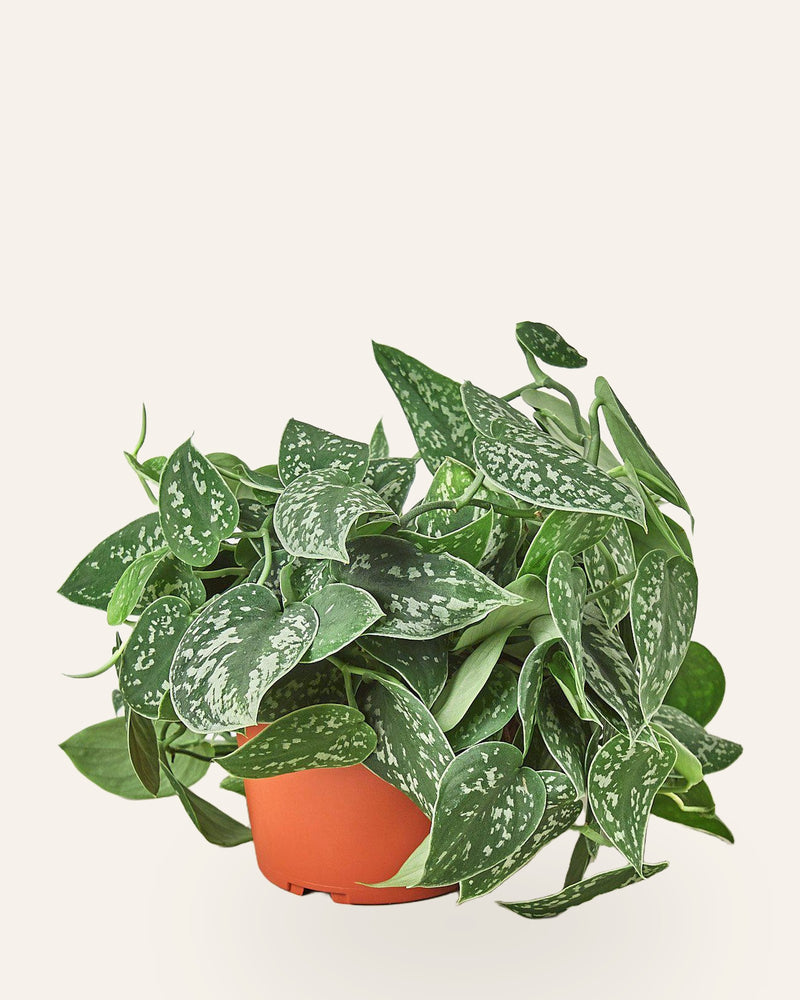
Pothos satén
Scindapsus pictusPot fit: 4-inch and 6-inch nursery potsWater after the top 1 to 2 inches of soil have dried
from $28.99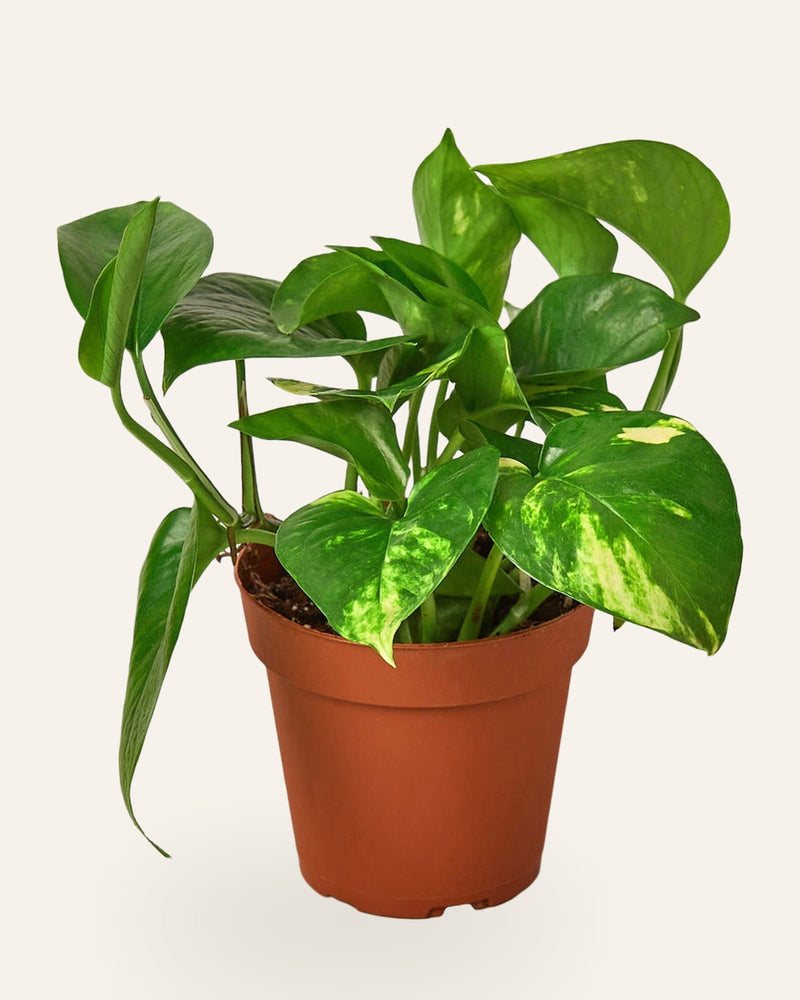
Poto dorado
Epipremnum aureumPot fit: 4-inch and 6-inch nursery potsWater when the top 2 inches of soil are dry, then drain fully
from $25.99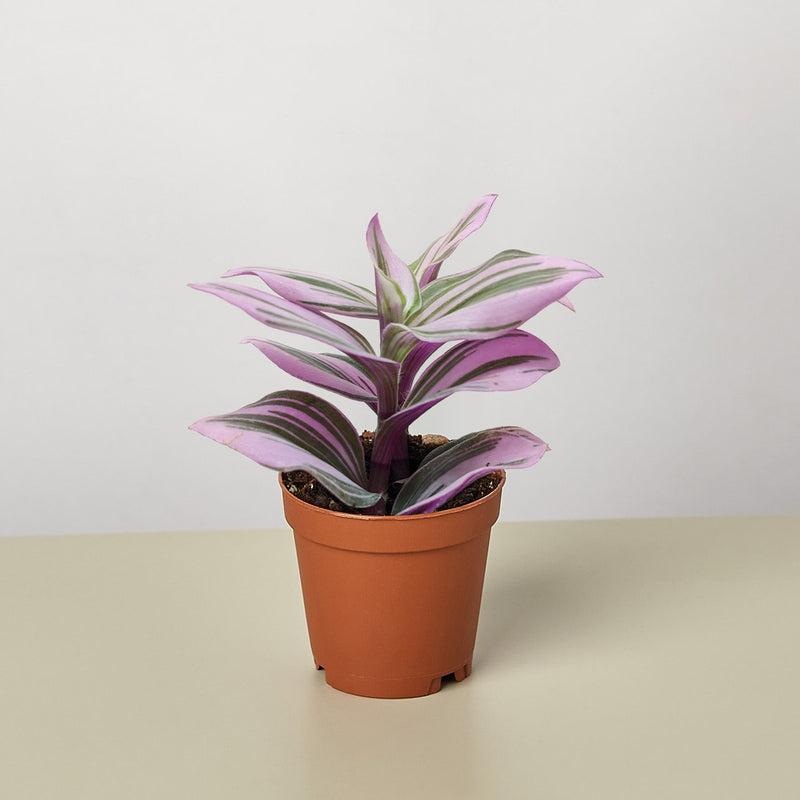
Tradescantia 'Nanouk'
Tradescantia albiflora 'Nanouk'Pot fit: 4" or 6" nursery potwhen the top inch of soil is dry
from $31.99Keep going with the care library
Care pages by plant, plus the watering and light calculators and the plant doctor.
More from the Journal
All Journal articles
Philodendron Congo Care: Light, Water and Fixes for Leaf Problems
How to care for Philodendron Congo: light, watering, soil, repotting and propagation, plus fixes for yellow, brown or droo...

Begonia Care Guide: Light, Water and Dark-Leaf Varieties
Care for indoor begonias including Begonia 'Black Magic' with practical advice on indirect light, watering, humidity, and ...
Alocasia Care Guide: Light, Water, Humidity and Winter Dormancy
Keep Alocasia plants thriving indoors with our guide to bright indirect light, chunky aroid soil, humidity, and winter dor...