Philodendron Congo Care: Light, Water and Fixes for Leaf Problems
How to care for Philodendron Congo: light, watering, soil, repotting and propagation, plus fixes for yellow, brown or drooping leaves on Congo Green and Green Congo Nuclear.

At a glance
Short answer: Give Philodendron Congo bright, indirect light and water when the top 2 inches of soil feel dry. Always plant it in a chunky, fast-draining aroid mix inside a pot with a drainage hole so the roots never sit in standing water.
Philodendron 'Congo' (a self-heading hybrid cultivar group in the Araceae family) is a broad-leaved tropical houseplant that grows in a tight rosette rather than climbing a pole. Indoors, mature plants typically reach about 2 to 3 feet tall and 2 to 3 feet wide, making them strong floor or tabletop specimens. This guide covers both of the Congo cultivars we grow at Palma Botanical Co.: Congo Green and Green Congo Nuclear.
Quick care table
| Care factor | Recommendation |
|---|---|
| Light | About 200 to 400 foot-candles of bright, indirect light |
| Water | Water thoroughly when the top 2 inches of soil are dry |
| Soil | Chunky, aerated aroid mix (potting soil, pine bark, perlite) |
| Temperature | About 65 to 80 degrees F; keep above 55 degrees F |
| Humidity | About 50 to 70 percent; adapts to 40 percent |
| Feeding | Balanced liquid houseplant fertilizer at half strength every 4 weeks in spring and summer |
| Repotting | Every 18 to 24 months, or when roots circle the bottom of the pot |
Light

Philodendron Congo grows best in bright, indirect light, roughly 200 to 400 foot-candles. An east-facing window with gentle morning sun or a spot pulled 3 to 5 feet back from a south- or west-facing window works well. Direct afternoon sun through glass will scorch the thick, waxy leaves and leave bleached or brown patches.
Congo Green tolerates medium light down to about 100 to 150 foot-candles, though growth slows and petioles stretch slightly. Marbled forms like Green Congo Nuclear need the brighter end of the range to keep their contrast. If you are unsure how bright your room is, check your spot with our houseplant light calculator.
Rotate the pot a quarter turn every 2 weeks so the rosette stays upright and symmetrical.
Watering
Philodendron Congo stores moisture in its thick stems and roots, so it handles brief dryness far better than soggy soil. Overwatering is the fastest way to trigger root rot and yellow lower leaves.
- Push your finger or a wooden skewer 2 inches into the potting mix. If it comes out clean and dry, it is time to water.
- Carry the pot to a sink or set it over a deep saucer. Pour room-temperature water slowly across the entire soil surface until water runs freely out of the drainage holes.
- Let the pot drain for 10 to 15 minutes, then empty any water standing in the saucer or cachepot.
- Wait until the top 2 inches dry out again before watering. In winter, when light drops and growth slows, this interval often stretches from 7 days to 14 days or more.
If you want a custom schedule based on your pot size and window direction, use our houseplant watering calculator.
Soil and pots

Philodendrons are native to humid forest floors and tree canopies, so their roots need oxygen as much as water. Standard peat-heavy potting soil holds too much moisture and compacts over time, suffocating the root system.
Use a chunky aroid blend: about 50 percent quality potting mix, 25 percent fine orchid bark, and 25 percent coarse perlite or pumice. This structure drains quickly while holding light moisture around the fine feeder roots.
Choose a pot with at least one large drainage hole. Terracotta pots dry out faster and help prevent overwatering in cool rooms. Plastic or glazed ceramic pots hold moisture longer and work well in warm, dry homes. Keep the pot size snug, only 1 to 2 inches wider than the root ball.
Temperature and humidity
Keep Philodendron Congo in a steady indoor temperature range of about 65 to 80 degrees F. Avoid cold drafts from exterior doors, leaky windows, or air conditioning vents. Temperatures below 55 degrees F can stall growth and cause dark, water-soaked spots on the foliage.
Relative humidity between 50 and 70 percent helps new leaves unfurl cleanly without sticking in their sheaths. Most Congo plants adapt to standard home humidity around 40 percent, though you may see occasional brown leaf tips in winter when heaters run. Grouping plants together or running a small cool-mist humidifier nearby raises local humidity more effectively than misting.
Feeding and repotting
Feed during the active growing season from spring through early autumn. Apply a balanced liquid fertilizer diluted to half strength once every 4 weeks, always onto damp soil to avoid root burn. Stop fertilizing in late autumn and winter when growth pauses. For dilution ratios and flush instructions, see our houseplant fertilizer schedule.
Plan to repot every 18 to 24 months in spring, or whenever roots push out of the drainage holes and soil dries within 2 to 3 days of watering. Move up only one pot size at a time so excess wet soil does not sit around the roots. Check the right container diameter with our repotting pot size calculator, and follow our step-by-step guide to repotting houseplants without root shock.
How to propagate Philodendron Congo
Because Philodendron Congo is self-heading and has no long vining stems, stem-node cuttings are rarely practical on young plants. The most reliable home method is division.
When a mature Congo produces basal offsets with their own roots, unpot the plant in spring and gently tease the root ball apart. Use a clean, sharp knife to separate the offset from the main stem, keeping at least 3 to 4 healthy roots attached to each piece. Pot the division into a small container of chunky aroid mix, water lightly, and keep it in bright, indirect light with steady humidity until new leaves emerge.
Philodendron Congo types we grow, and how they differ
Philodendron 'Congo Green' (also sold as 'Green Congo') grows thick, glossy emerald leaves on stout, upright stems and holds a clean architectural shape. It is the more forgiving of the two in medium light and handles slightly lower humidity without fuss.
Philodendron 'Green Congo Nuclear' is a collector cultivar with broad, paddle-shaped leaves marbled in green and cream. Because the pale tissue holds less chlorophyll, it needs brighter indirect light than Congo Green to keep its patterning strong.
Common problems
If you are trying to diagnose a sudden change in your plant, you can also run through our plant symptom diagnostic tool.
Symptom: Lower leaves turn uniformly yellow and feel soft. Likely cause: Overwatering or poorly draining soil leading to root rot. Fix: Let the mix dry to 2 inches deep, inspect the roots for brown mushy sections, trim damaged roots with clean shears, and repot into fresh chunky aroid mix. Symptom: Brown, crispy leaf tips or edges. Likely cause: Low indoor humidity, erratic watering, or mineral salt buildup from tap water and fertilizer. Fix: Water consistently before the pot goes bone dry, flush the soil thoroughly with clean water every 2 to 3 months, and raise humidity near the plant. Symptom: Whole plant droops and petioles feel limp. Likely cause: Severe underwatering, or advanced root rot preventing water uptake. Fix: Check the soil moisture first. If bone dry, soak the pot thoroughly and drain. If soaking wet, unpot immediately to check for root rot. Symptom: Sticky residue on leaves, fine webbing, or white cottony tufts in leaf axils. Likely cause: Sap-sucking pests such as spider mites, mealybugs, or scale. Fix: Isolate the plant, rinse the foliage with lukewarm water, and wipe leaves and stems with insecticidal soap or diluted neem oil weekly for 3 to 4 weeks. Symptom: Long, stretched petioles leaning heavily toward the window with smaller new leaves. Likely cause: Insufficient light. Fix: Move the plant closer to a bright east, south, or west window with filtered light, or add a full-spectrum LED grow light 12 to 18 inches above the canopy. Symptom: Leaves curl inward along the margins or new leaves get stuck unfurling. Likely cause: Underwatered soil, dry air, or heat stress from a nearby vent. Fix: Check soil moisture and water thoroughly if dry, move the plant away from heating vents, and increase local humidity to at least 50 percent.
Are Philodendron Congo plants safe for cats and dogs?
ASPCA doesn't list this exact plant, but every philodendron it does list is toxic to dogs and cats, so treat Congo the same. Keep it out of reach of pets, and call your vet if a pet chews on it.
FAQ
How often should I water Philodendron Congo? Water about every 7 to 10 days in spring and summer, and every 10 to 14 days in winter, always confirming that the top 2 inches of soil are dry first.
Does Philodendron Congo need a moss pole? No, Philodendron Congo is self-heading and grows upright from a central crown, supporting its own weight without a pole.
Why are my Philodendron Congo leaves turning yellow? Yellowing usually points to overwatering or dense soil that stays wet too long, though occasional yellowing of the oldest bottom leaf is normal aging.
People also ask
How big does Philodendron Congo get indoors? Most indoor plants reach about 2 to 3 feet tall and 2 to 3 feet wide within a few years of steady care.
Can Philodendron Congo tolerate low light? It survives in medium-low light, but growth slows sharply and leaves become smaller and leggier than they would in bright, indirect light.
Why are new leaves on my Philodendron Congo stuck in the sheath? Low humidity is the most common reason new leaves catch while unfurling; raising humidity helps them release.
Should I wipe the leaves of Philodendron Congo? Yes, wiping the broad leaves monthly with a damp microfiber cloth removes dust that blocks light and lets you spot pests early.
Shop
 Philodendron 'Congo Green' (Philodendron 'Green Congo')Philodendron 'Congo Green' is a sturdy, self-heading upright philodendron with thick, glossy emerald-green leaves on stout stems.From $44.99
 Philodendron 'Green Congo Nuclear'Philodendron 'Green Congo Nuclear' is a rare, self-heading collector cultivar prized for broad, paddle-shaped leaves marbled in deep emerald, lime, and creamy chartreuse.From $199.99
Both Congo cultivars are linked above: Philodendron 'Congo Green' and Philodendron 'Green Congo Nuclear'. Free shipping on live plants in the 48 contiguous states.
Sources
Light and watering guidance matches South Dakota State University Extension, University of Florida IFAS and the Royal Horticultural Society. These pages cover philodendron in general, not the Congo cultivars specifically.
Nick Alan is the founder of Palma and has grown plants for 25+ years. He writes the shop's care guides and built the watering, soil and light tools.
View author profilePlants to grow next
Philodendrons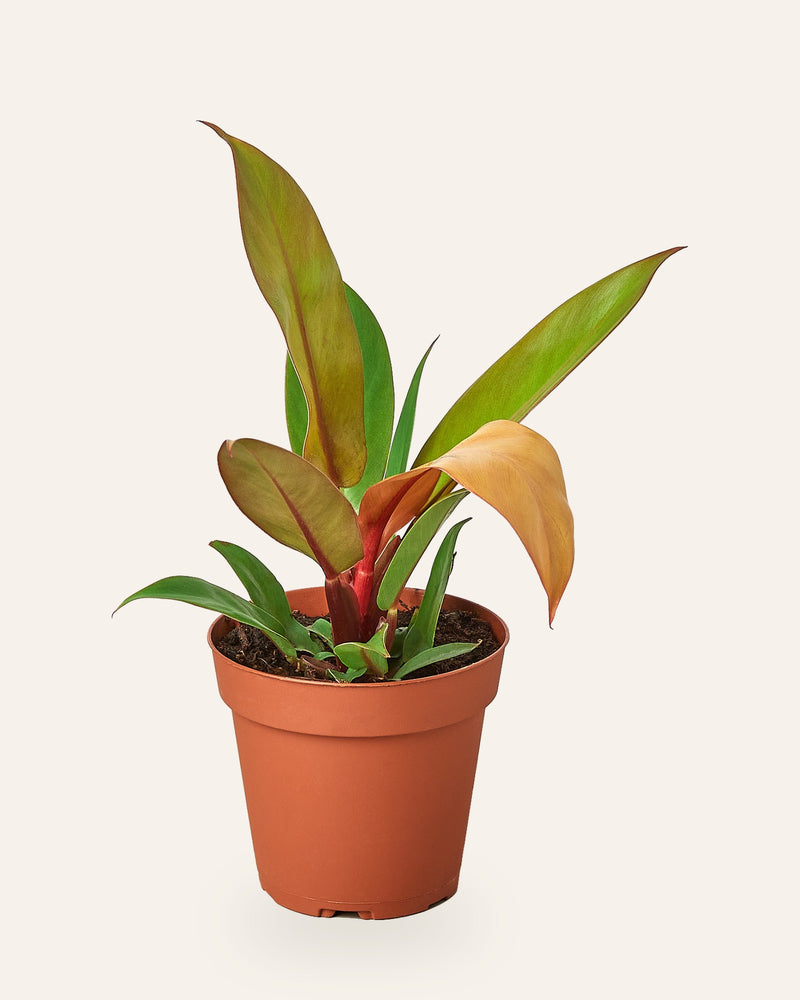
Filodendro 'Príncipe de Orange'
Philodendron 'Prince of Orange' (hybrid)Pot fit: 4-inch and 6-inch nursery potsWater when the top 1 to 2 inches are dry
from $33.99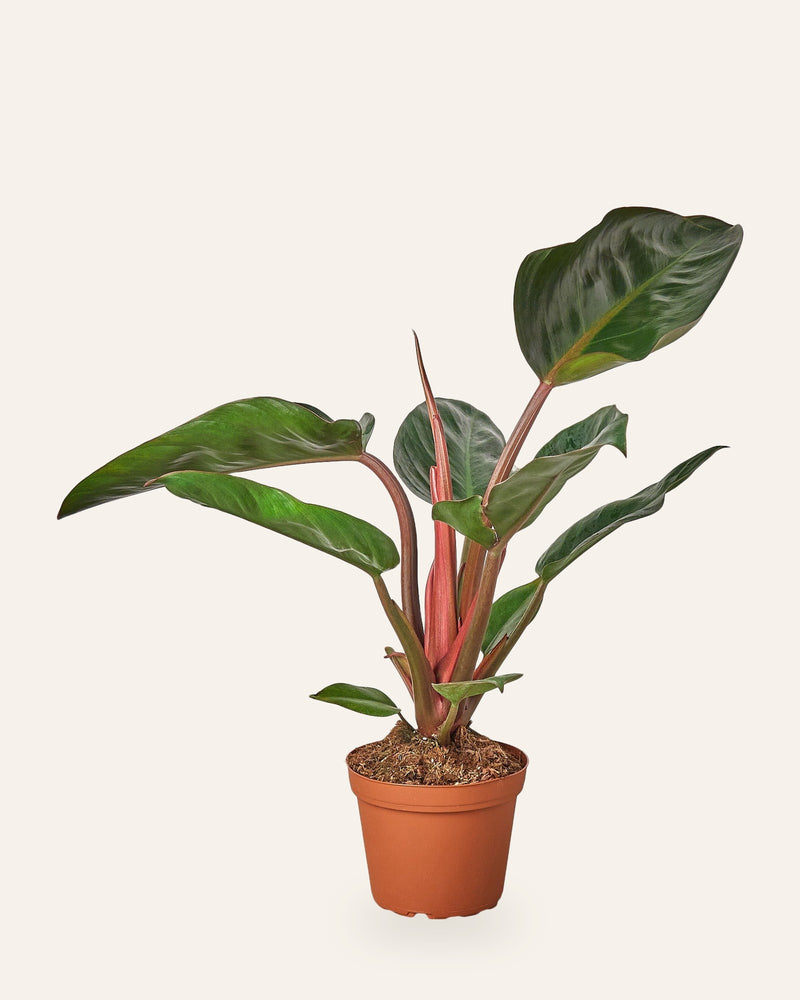
Filodendro 'Congo Rojo'
Philodendron 'Congo Rojo'Pot fit: 4-inch, 6-inch and 10-inch nursery potswhen the top inch of soil is dry
from $37.99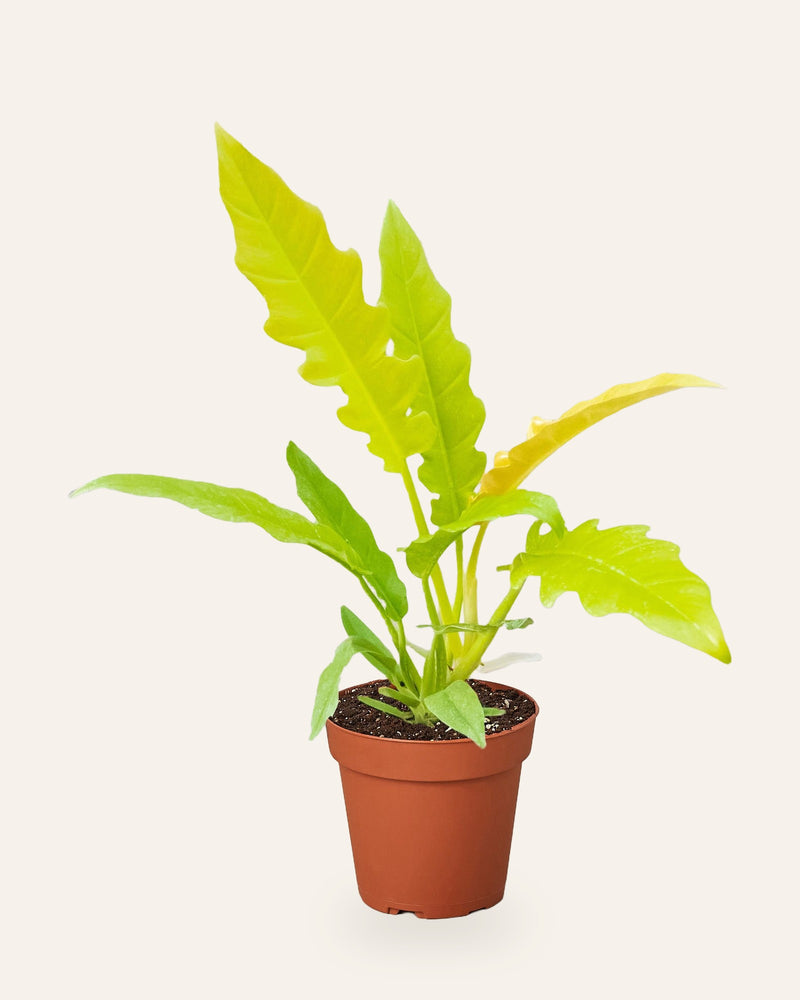
Philodendron 'Ring of Fire'
Philodendron 'Ring of Fire'Pot fit: 4-inch nursery potAllow the top half of the soil substrate to dry completely before hydrating
$39.99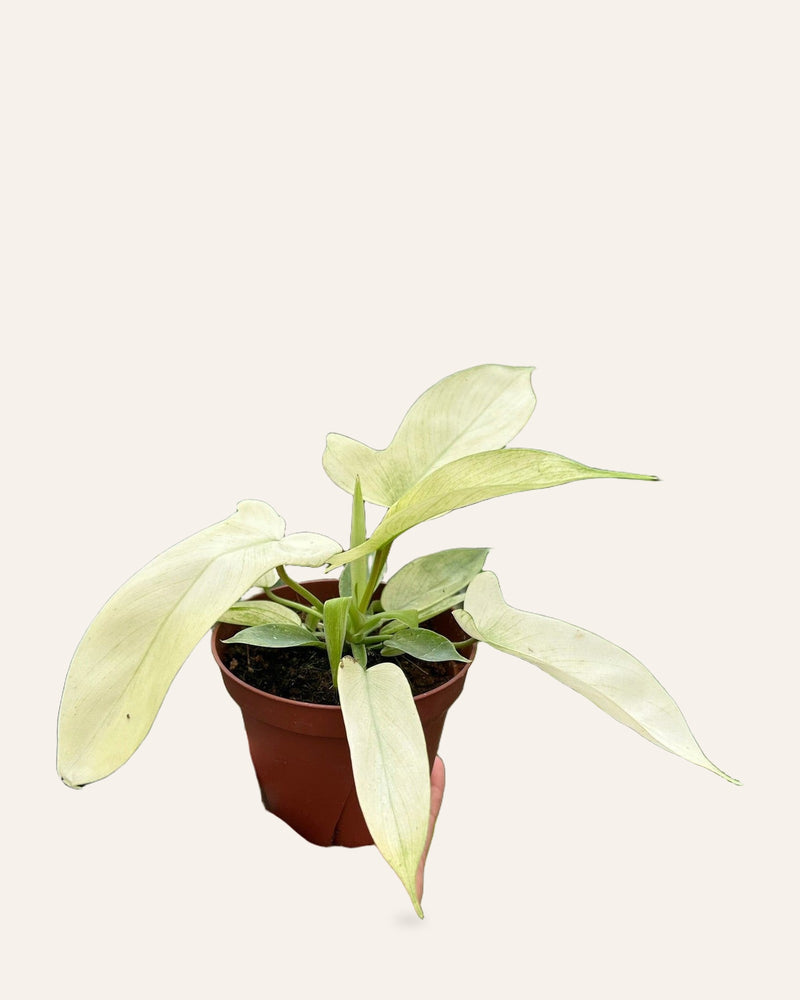
Philodendron Florida Ghost
Philodendron 'Florida Ghost'Pot fit: 4-inch nursery potWater thoroughly when the top 2 inches of potting mix become dry
$66.99Keep going with the care library
Care pages by plant, plus the watering and light calculators and the plant doctor.
More from the Journal
All Journal articles
Begonia Care Guide: Light, Water and Dark-Leaf Varieties
Care for indoor begonias including Begonia 'Black Magic' with practical advice on indirect light, watering, humidity, and ...

Homalomena Care Guide: Light, Water and Camouflage Foliage
Learn how to grow Homalomena indoors, including Homalomena 'Camouflage', with tips on medium light, steady moisture, and h...
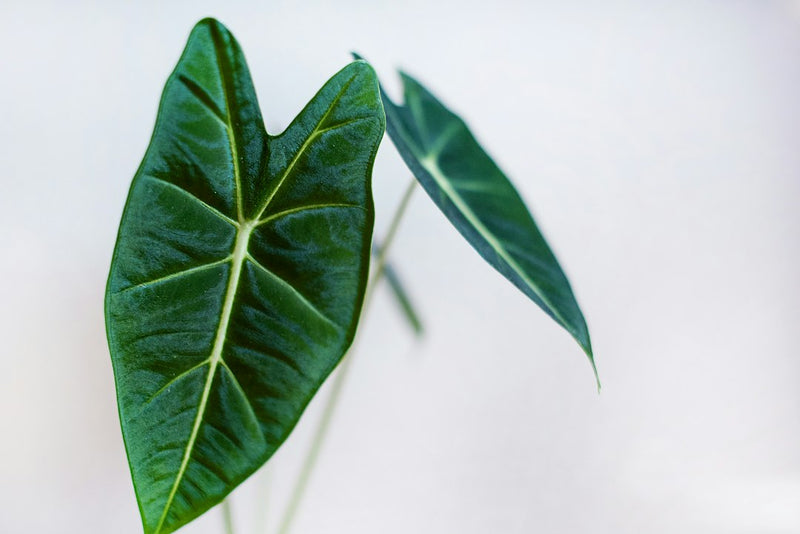
Alocasia Care Guide: Light, Water, Humidity and Winter Dormancy
Keep Alocasia plants thriving indoors with our guide to bright indirect light, chunky aroid soil, humidity, and winter dor...