Guía de cuidado del potos (luz, agua, tierra, toxicidad y propagación)
El potos prefiere una luz indirecta brillante, riego cuando los primeros cinco centímetros de tierra estén secos y una maceta con drenaje.
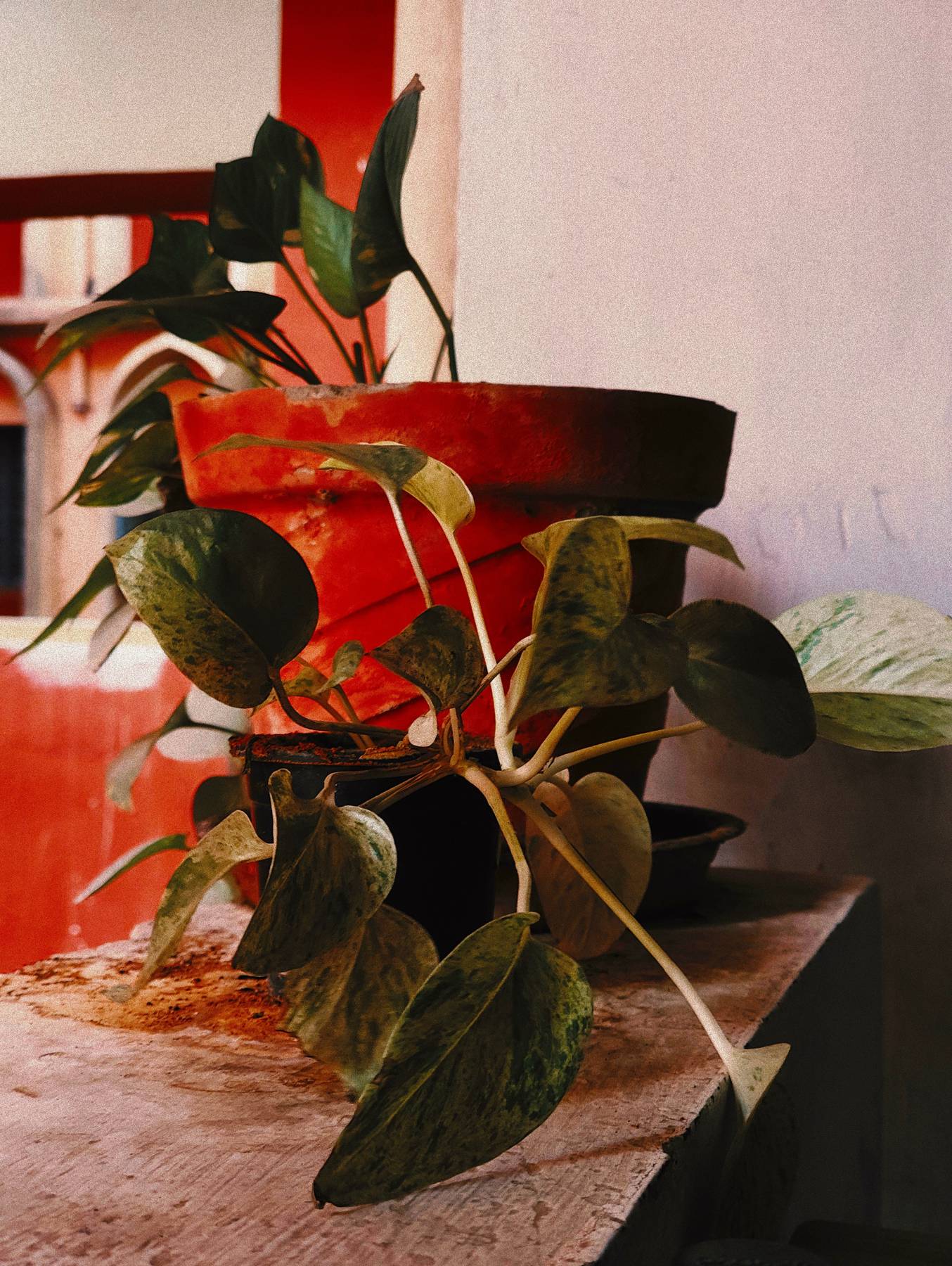
Pothos wants bright indirect light, water when the top two inches of soil are dry, and a pot with a drainage hole. That is most of it. It will forgive a dim hallway and a forgotten week. It is toxic to cats and dogs if chewed, so hang it high in a pet home. It is not a philodendron. Everything below is the detail behind those five sentences.
I killed my first pothos. Not through neglect, which is the thing pothos is supposed to be unkillable against, but through attention: a watering can every Sunday whether it needed it or not. This guide is written for the person about to do that.

Is pothos a philodendron?
No, pothos is not a philodendron. Pothos is Epipremnum aureum, and philodendron is a different genus. They share the Araceae family, which is why shops have sold them under the wrong name for decades. Pothos leaves are thicker and waxier, and pothos does not produce the papery cataphyll that philodendron often makes with each new leaf.
Pothos leaves are thicker and waxier, slightly uneven where the leaf meets the stem, and the petiole has a shallow groove. Philodendron often produces a papery cataphyll with each new leaf; pothos does not. Brown paper husks on the shelf usually mean philodendron.
- Devil's ivy is the same plant.
- Satin pothos is Scindapsus pictus, listed here, not Epipremnum.
- Cebu Blue is Epipremnum pinnatum. Listed, sold out.
How much light does a pothos need?
Bright indirect: east window, or south/west set back a few feet or behind a sheer. Low light keeps it alive and fades variegation; internodes stretch and that stretch does not reverse. Midday sun scorches. If the window is a guess, use the light calculator.
How often do I water a pothos?
Finger to the second knuckle. Dry there, water. Damp, wait. No Sunday calendar. The same plant can want water in six days in a bright July window and twenty in a cool corner. When you water, run it out the drainage hole and empty the saucer.
Thirst: leaves soften and the plant looks deflated, then recovers after a drink. Yellow lower leaves plus wet mix for a week is the other direction. Starting estimate: watering calculator. Then check with a finger.
Soil and pot
Chunky mix, not packed peat. Two parts indoor mix, one part perlite or pumice, one part bark is close enough. Size a batch with the soil recipe calculator. Drainage hole required. Cachepot is fine if the nursery pot sits inside it. Go up about two inches of diameter, not a leap. Terracotta dries faster. Feed half-strength in spring and summer only.
Is pothos toxic to cats and dogs?
Yes. Insoluble calcium oxalate crystals. Chewing usually means oral pain, drool, pawing at the mouth, sometimes vomiting. Call your vet or an animal poison line. Hang it or pick another plant. Pet-safe checker and the Houseplant Guide.
Golden vs Marble Queen vs Neon vs N'Joy
All four are Epipremnum aureum. More white on the leaf means more light to keep the pattern.
- Golden, green with gold streaking; fastest and most forgiving of a mediocre window.
- Marble Queen, heavy cream. Slower. Needs the brightest indirect spot or new leaves green out.
- Neon, solid chartreuse. Dulls toward green in low light.
- N'Joy, crisp white blocks, smaller leaf, compact.


More on the pothos hub.
How do I propagate pothos?
Cut just below a node and keep one or two leaves on the cutting. Root it in a jar of water or in damp mix. Roots usually appear in two to four weeks. Pot the cutting up once the roots reach about two inches long. Full steps are in how to propagate pothos, and the propagation calculator helps with counts.
Why are my pothos leaves yellow?
Most often the cause is wet potting mix. One yellow leaf at the bottom of the plant is usually just age. Yellow lower leaves with mix that has stayed wet for a week point to too much water. Check the mix with a finger before watering again, and use the yellow-leaf tool to narrow it down.
Every pothos we have in stock is on the pothos hub. If you are matching a plant to a room, a window, or a cat, start at the Houseplant Guide and work from the conditions you actually have.
Jenna Lee writes for The Botanical Journal. Her pieces cover houseplant care, collecting, and living with plants at home: clear, specific, and meant to be used, not skimmed.
View author profilePlants to grow next
Easy-care plants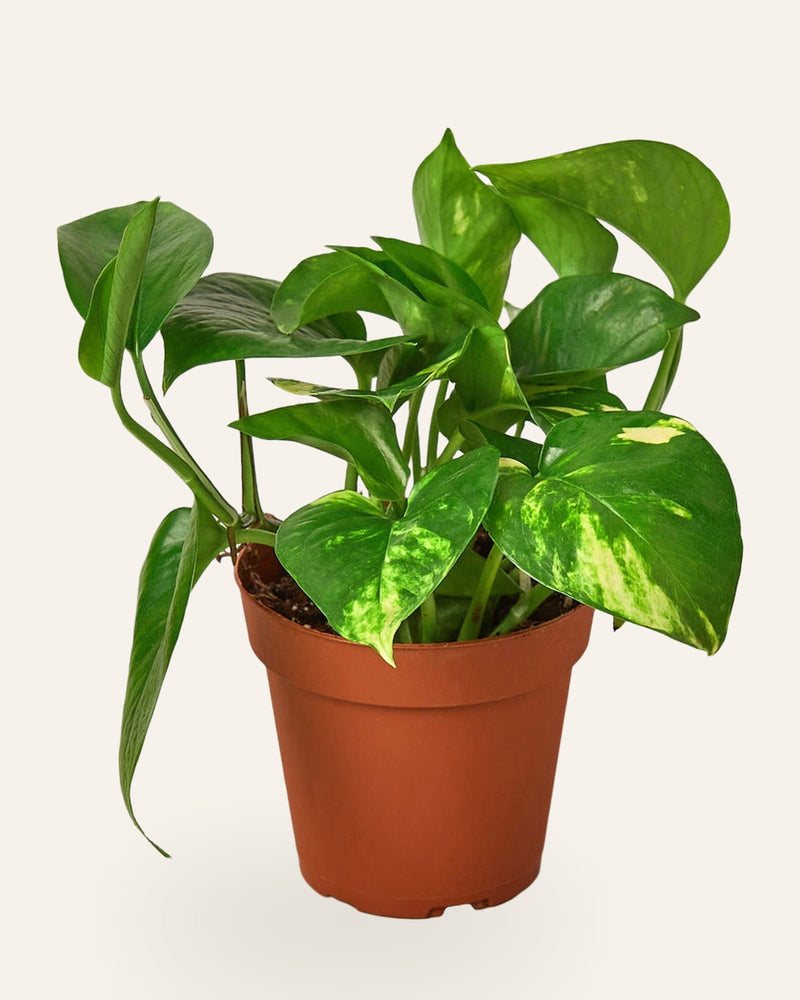
Poto dorado
Epipremnum aureumPot fit: 4-inch and 6-inch nursery potsWater when the top 2 inches of soil are dry, then drain fully
from $25.99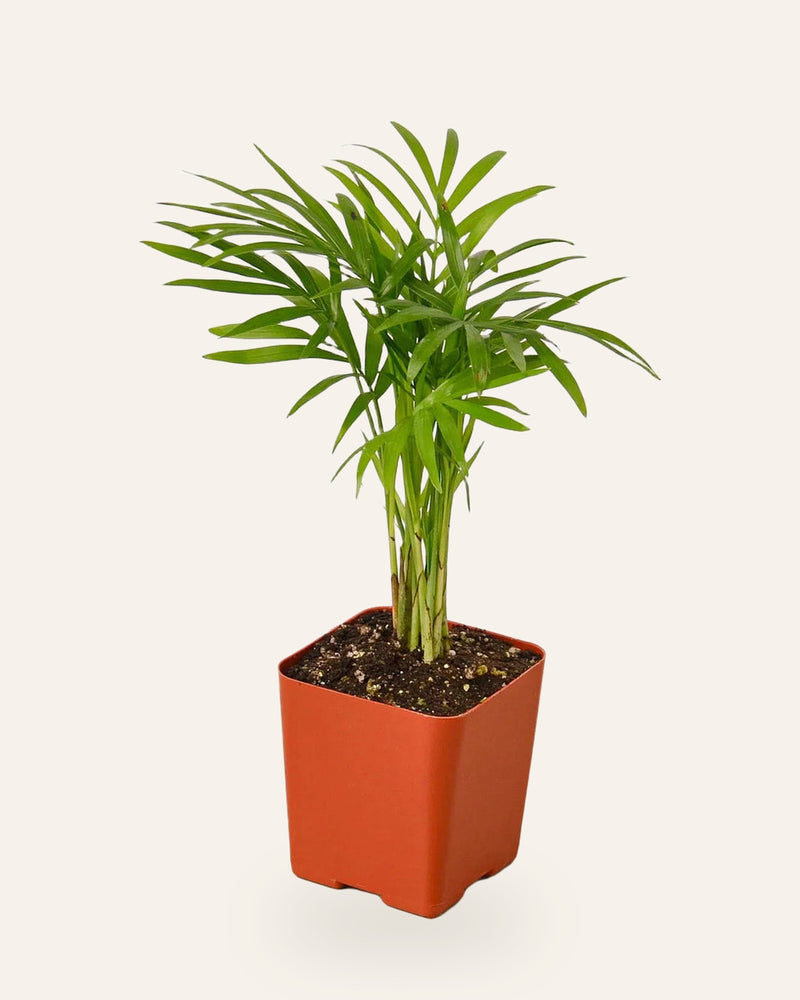
Palma de salón
Chamaedorea elegansPot fit: 4-inch and 6-inch nursery potsWater when the top 1 to 2 inches of potting mix feel dry
from $21.99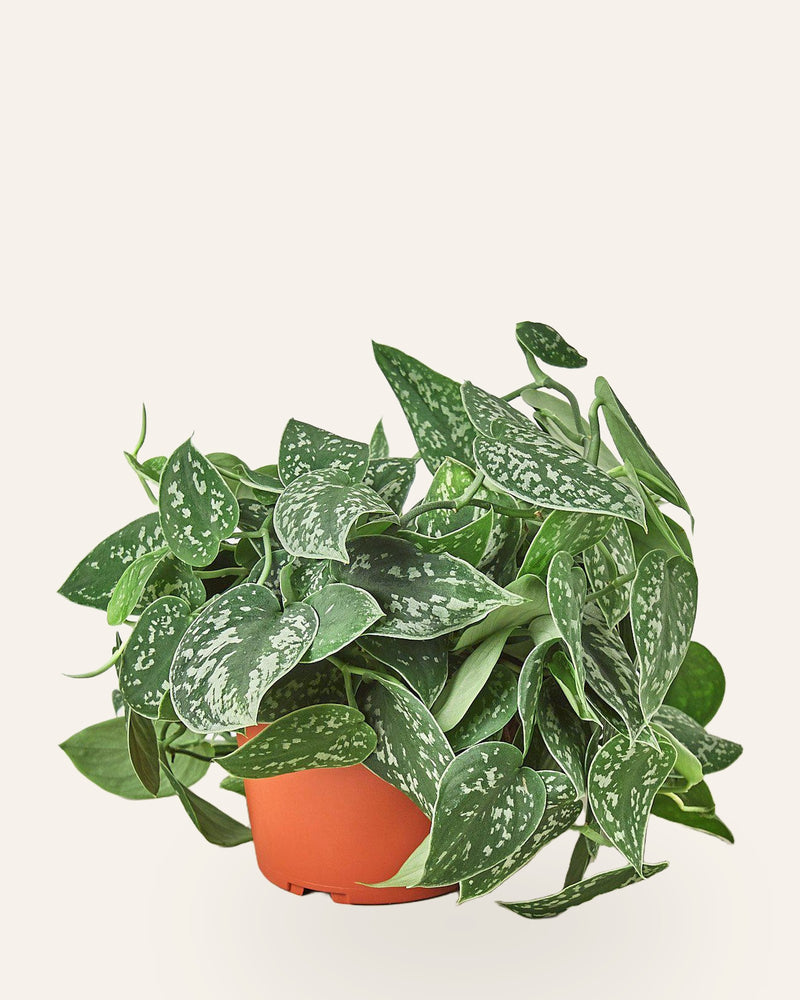
Pothos satén
Scindapsus pictusPot fit: 4-inch and 6-inch nursery potsWater after the top 1 to 2 inches of soil have dried
from $28.99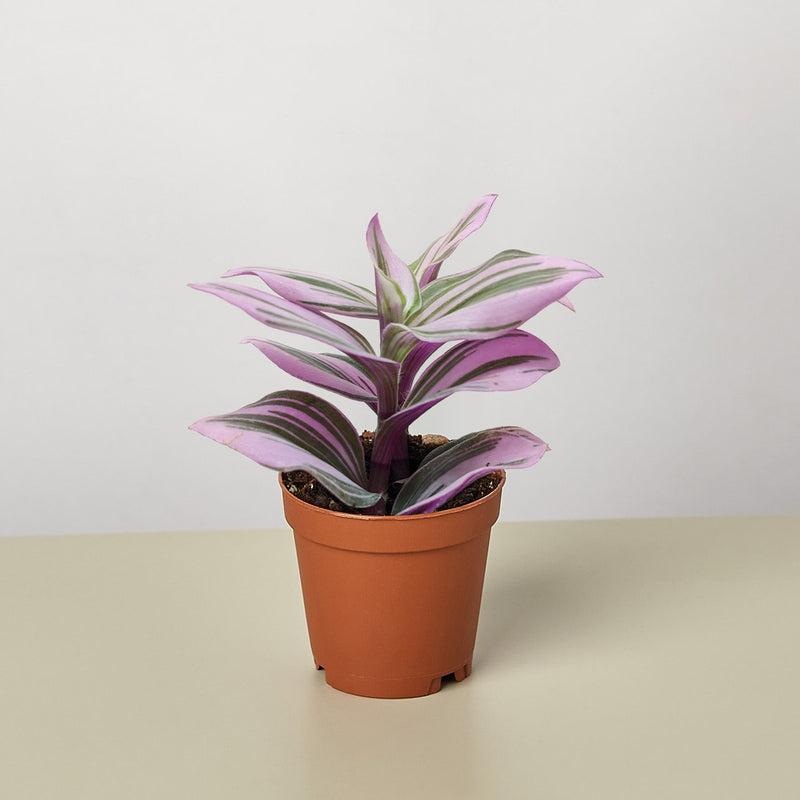
Tradescantia 'Nanouk'
Tradescantia albiflora 'Nanouk'Pot fit: 4" or 6" nursery potwhen the top inch of soil is dry
from $31.99Keep going with the care library
Care pages by plant, plus the watering and light calculators and the plant doctor.
More from the Journal
All Journal articles
Philodendron Congo Care: Light, Water and Fixes for Leaf Problems
How to care for Philodendron Congo: light, watering, soil, repotting and propagation, plus fixes for yellow, brown or droo...

Begonia Care Guide: Light, Water and Dark-Leaf Varieties
Care for indoor begonias including Begonia 'Black Magic' with practical advice on indirect light, watering, humidity, and ...

Homalomena Care Guide: Light, Water and Camouflage Foliage
Learn how to grow Homalomena indoors, including Homalomena 'Camouflage', with tips on medium light, steady moisture, and h...