Indoor Fern Care Guide: Light, Water, Humidity and Common Problems
Learn how to care for indoor ferns with practical tips on filtered light, evenly moist soil, humidity, and brown frond fixes.

At a glance
Indoor ferns bring lush, architectural texture to shaded shelves, bathrooms and bright rooms without needing direct sun. A classic ruffled fern and a textured collector variety like the Crocodile Fern share the same basics: filtered light, steady moisture and breathable air.
Most problems I see with ferns come from one of three things: too little humidity, a root ball that dried out completely, or soil that stayed swampy. This guide covers each one. You can compare leaf textures and pot sizes in our full Ferns collection: See all ferns
Quick care facts
- Light: Medium to bright indirect light (east or north window, no harsh direct sun)
- Water: Keep soil evenly moist, never waterlogged
- Humidity: 40% to 60%+
- Temperature: 60°F to 75°F
- Pet safety: ASPCA lists Lemon Button fern (Nephrolepis cordifolia 'Duffii') and Pteris ferns, which covers Victoria and Albo, as non-toxic to dogs and cats. ASPCA doesn't list crocodile fern, Austral Gem or Hurricane fern, so we can't confirm those three. Keep them out of reach of pets and ask your vet.
Light: bright shade, not direct sun
Most indoor ferns come from shaded forest floors and prefer medium to bright indirect light, such as an east or north window. Deep, windowless corners slow growth and cause sparse fronds, while direct afternoon sunlight can bleach or crisp the foliage.
How to read your room
Stand where the fern will sit and hold your hand a foot above the pot. A soft, fuzzy shadow means the light is about right. A sharp, dark shadow means too much sun for most ferns. If you see no shadow at all, the spot is too dim and growth will thin out.

Soil and pot
Ferns want a loose, airy mix that holds moisture without packing down. A standard potting mix lightened with some bark or perlite works well. Choose a pot with drainage holes. A pot only slightly larger than the root ball keeps the mix from staying wet too long around roots that are not using it.
Watering: evenly moist, never swampy
Check the top half inch of potting mix with your finger before watering. Water thoroughly until excess drains from the bottom, then empty the saucer so roots never sit in standing water. Fine-leaved ferns prefer consistent moisture, while thicker-fronded ferns like Crocodile Fern tolerate brief surface drying between waterings.
Watch the root ball, not the calendar
Weather, pot size and light all change how fast the mix dries. If a pot feels light when you lift it and the soil has pulled away from the edge, it has dried too far. Soak it from the top until water runs through, let it drain, and go back to regular checks.

Humidity and temperature
Many indoor ferns grow comfortably at 40% to 60% household humidity, though delicate varieties appreciate extra moisture in the air during winter heating months. Group plants together, place a humidifier nearby, or keep ferns in a bright bathroom. Aim for indoor temperatures between 60°F and 75°F and keep fronds away from cold drafts or hot vents.
Feeding, repotting and common problems
Feeding
Feed lightly. A balanced liquid fertilizer at half the label strength, once a month from spring through summer, is plenty. Skip feeding in winter when growth slows. Fertilizer salts can burn fern roots, so always apply to damp soil.
Repotting
Repot every year or two, when roots circle the pot or poke out of the drainage holes. Spring is the best time. Move up one pot size and refresh the mix.
Common problems
Brown, crispy tips usually trace back to dry air, a dried out root ball, or a spot near a heating vent. Pale, bleached fronds mean too much sun. Sparse growth points to light that is too low. Limp fronds in soggy soil suggest overwatering, so check the drainage and empty the saucer.

Palma ferns
Our Crocodile Fern is a good example of a textured collector variety. Its thicker fronds tolerate brief surface drying between waterings better than finer ferns do. You can see it here: Crocodile Fern at Palma
For more options, browse the full collection: See all ferns
Shop the plants in this guide
Plants from the Palma collection that match the care above. Tap a card to see the plant.
 Crocodile Fern (Microsorum musifolium), 4" and 6" PotsThe Crocodile Fern (Microsorum musifolium) stands out for its long, leathery green fronds patterned with raised dark veins that resemble crocodile scales.From $26.99
 Green Flame Fern (Microsorum punctatum 'Green Flame')A glossy, crested fern with a shape unlike any frilly fern.From $29.99
 Bird's Nest Fern 'Leslie' (Asplenium nidus)A bold, ruffled fern that is easier than it looks.From $34.99
 Bird's Nest 'Nidus' FernLight green, crinkled fronds from a central rosette.From $25.99
 Autumn Fern (Dryopteris erythrosora)Autumn fern (Dryopteris erythrosora) gets its name from its new fronds, which open in shades of copper and red before turning a deep glossy green.From $25.99
 Blue Star FernThe Blue Star Fern (Phlebodium aureum) is an exceptionally resilient epiphytic fern displaying elongated, wavy fronds in a distinct dusty blue-green hue.From $25.99
 Staghorn Fern (Platycerium bifurcatum)The Staghorn Fern (Platycerium bifurcatum) is an extraordinary living sculpture native to tropical rainforests.From $26.99
 Asparagus Fern 'Sprengeri'Asparagus Fern 'Sprengeri' (Asparagus densiflorus 'Sprengeri') is a relative of edible asparagus rather than a true fern.From $25.99
 Fern 'Kangaroo Paw'Kangaroo paw fern with paw shaped fronds.From $36.99
 Heart Fern (Hemionitis arifolia)Small fern with heart shaped fronds.From $25.99
 Rabbit's Foot Fern (Davallia fejeensis)The Rabbit's Foot Fern (Davallia fejeensis) is an enchanting epiphytic fern native to the tropical islands of Fiji.From $25.99
Pairs well with
Other foliage plants that enjoy a similar bright, indirect spot.
 Prayer Plant Lemon LimePrayer plant with bright lime and green leaves.From $28.99
 Calathea 'Vittata'Slender leaves with bold white stripes.From $30.99
 Nerve Plant (Fittonia)Small leaves with fine contrasting veins.From $21.99
 Pilea 'Moon Valley'Quilted, textured leaves with dark veining.From $29.99
FAQ
Why are my indoor fern leaves turning brown and crispy?
Dry indoor air is the most common cause of brown frond tips, followed by letting the root ball dry out completely or placing the plant near a heating vent. Raising local humidity and keeping the soil evenly moist stops new fronds from crisping.
How much humidity do indoor ferns need?
Most household ferns perform well around 40% to 60% relative humidity, while delicate tropical ferns benefit from higher, steady humidity via a humidifier or bright bathroom placement.
People Also Ask
How do you take care of a fern indoors?
Place indoor ferns in medium to bright indirect light away from direct afternoon sun, keep the potting mix evenly moist (never soggy), and maintain 40% to 60% or higher humidity at 60°F to 75°F.
Do indoor ferns need direct sunlight or shade?
Indoor ferns prefer bright shade or filtered indirect light, such as an east or north window. Direct sun scorches fronds, while deep darkness weakens new growth.
Are indoor ferns toxic to cats and dogs?
ASPCA lists Lemon Button fern (Nephrolepis cordifolia 'Duffii') and Pteris ferns, which covers Victoria and Albo, as non-toxic to dogs and cats. ASPCA doesn't list crocodile fern, Austral Gem or Hurricane fern, so we can't confirm those three. Keep them out of reach of pets and ask your vet.
How often should you water an indoor fern?
Water whenever the top half inch of soil feels slightly dry, typically every 3 to 5 days in warm bright weather and every 7 to 10 days in cooler winter rooms.
Nick Alan is the founder of Palma and has grown plants for 25+ years. He writes the shop's care guides and built the watering, soil and light tools.
View author profilePlants to grow next
Easy-care plants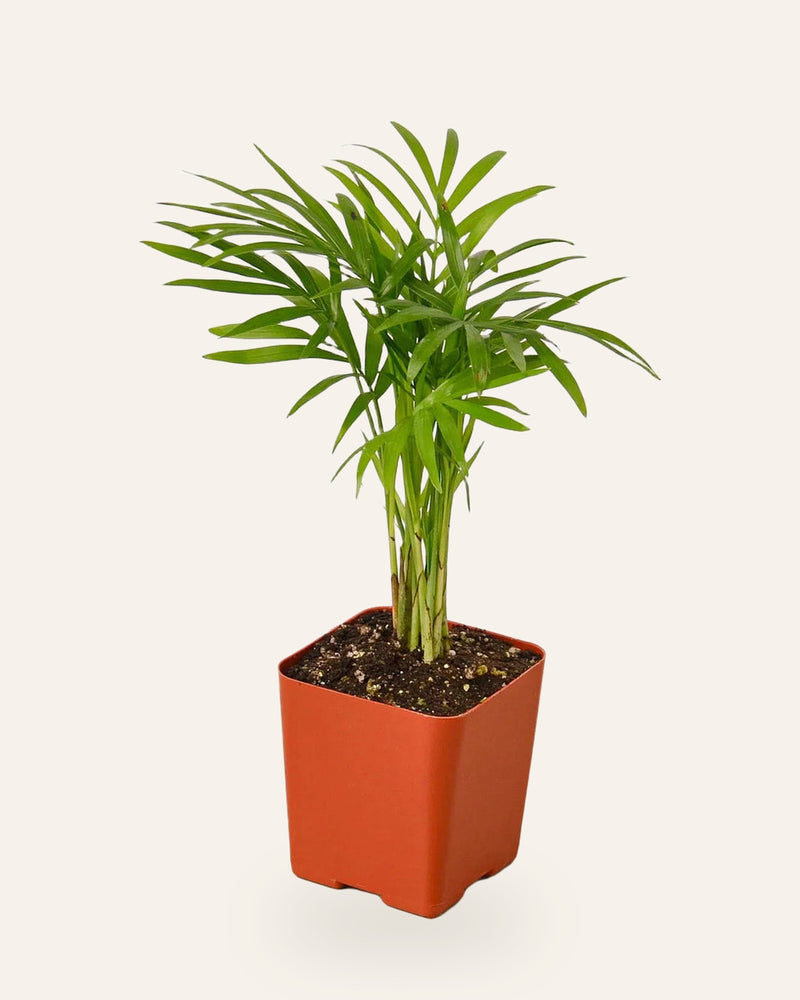
Parlor Palm
Chamaedorea elegansPot fit: 3", 4" or 6" nursery potWater when the top 1 to 2 inches of potting mix feel dry
from $21.99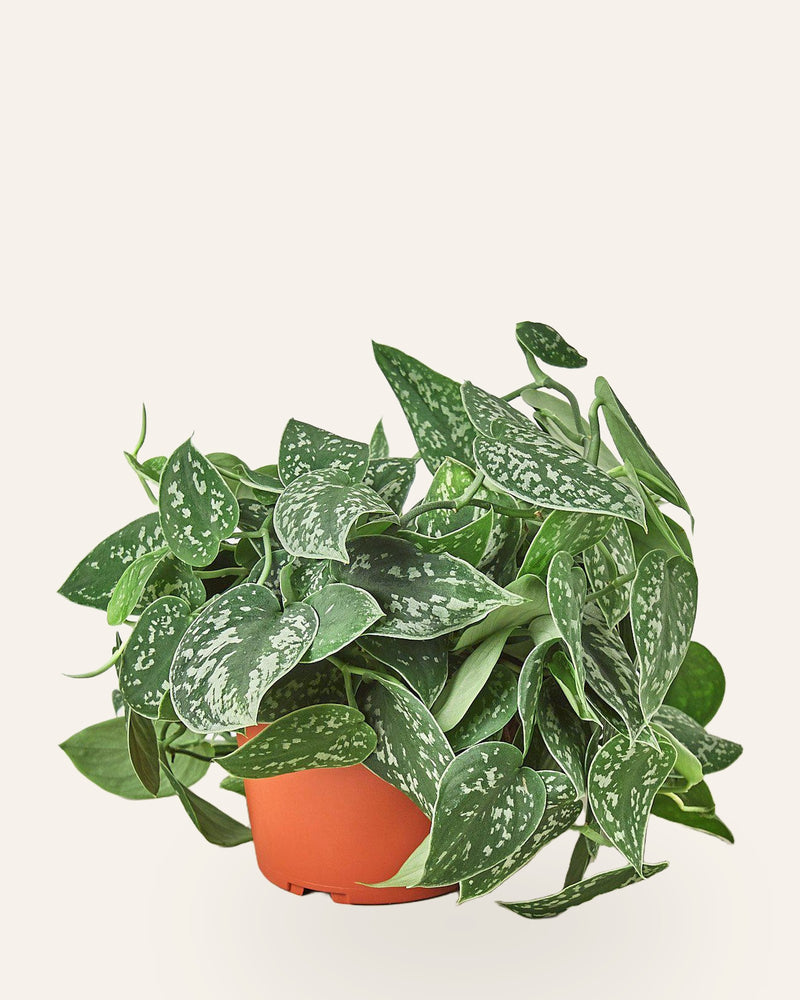
Satin Pothos
Scindapsus pictusPot fit: 4" or 6" nursery potWater after the top 1 to 2 inches of soil have dried
from $28.99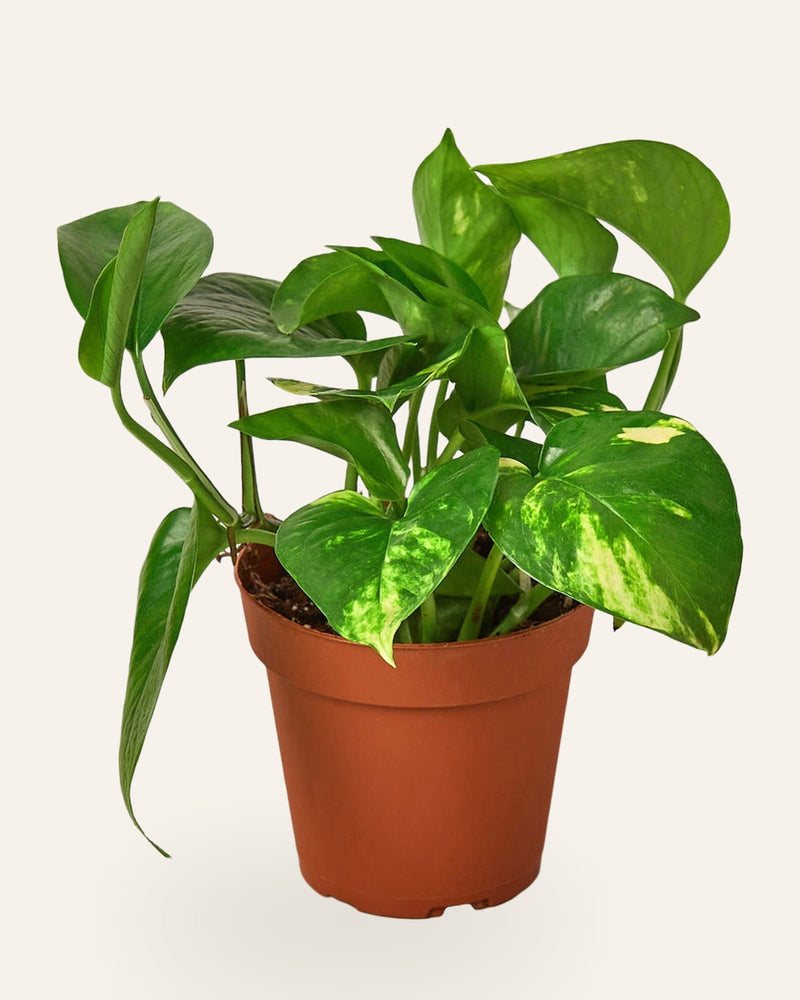
Golden Pothos
Epipremnum aureumPot fit: 4" or 6" nursery potWater when the top 2 inches of soil are dry, then drain fully
from $25.99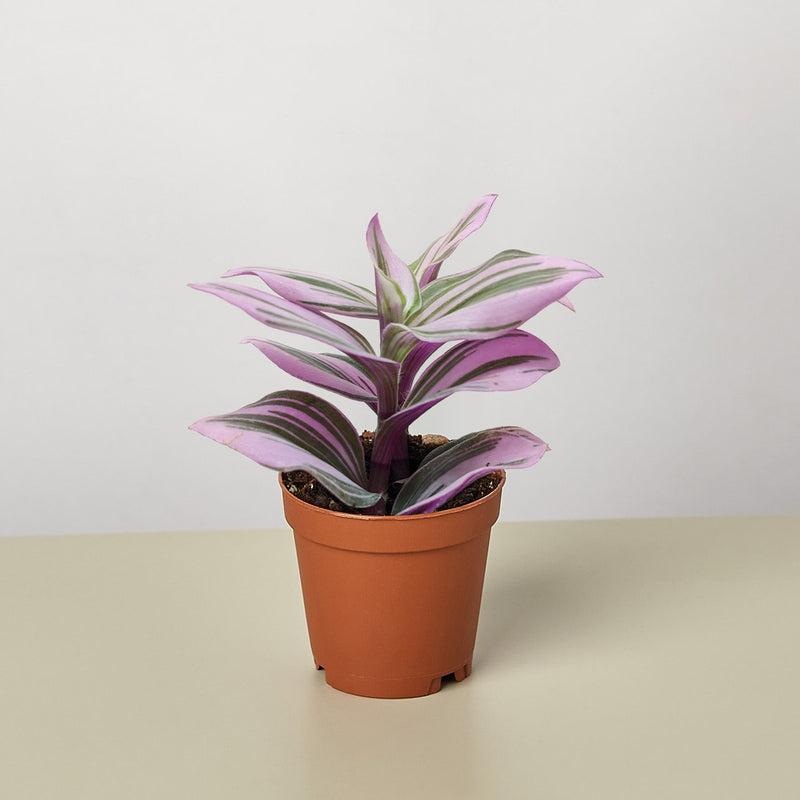
Tradescantia 'Nanouk'
Tradescantia albiflora 'Nanouk'Pot fit: 4" or 6" nursery potwhen the top inch of soil is dry
from $31.99Keep going with the care library
Care pages by plant, plus the watering and light calculators and the plant doctor.
More from the Journal
All Journal articles
Philodendron Congo Care: Light, Water and Fixes for Leaf Problems
How to care for Philodendron Congo: light, watering, soil, repotting and propagation, plus fixes for yellow, brown or droo...

Begonia Care Guide: Light, Water and Dark-Leaf Varieties
Care for indoor begonias including Begonia 'Black Magic' with practical advice on indirect light, watering, humidity, and ...

Homalomena Care Guide: Light, Water and Camouflage Foliage
Learn how to grow Homalomena indoors, including Homalomena 'Camouflage', with tips on medium light, steady moisture, and h...