
Rattlesnake Plant
Goeppertia insignis (Calathea lancifolia)
$30.99
Ruffled sword foliage with dark green reptilian spots and royal purple undersides.
- LightMedium
- WaterEvery 1 to 2 weeks
- Pot size4" or 6" nursery pot
How to check your light
Hold your hand a foot above the spot at midday and look at the shadow it casts.
- Sharp, dark shadow: bright light.
- Soft, blurry shadow: medium light.
- Faint shadow or none: low light.
Care at a glance (click to expand or collapse)
| Light | Medium to bright indirect light |
|---|---|
| Water | Every 1 to 2 weeks |
| Humidity | higher than average home humidity is best |
| Mature size | 18 to 24″ tall with upright clumping habit |
| Pot fit | 4" or 6" nursery pot |
Free shipping on live plants. Shipping details · Claim window
We couldn't confirm pet safety for this plant. Keep it out of reach of pets and ask your vet. Look it up in the pet-safe checker
 Save with the Pet-Safe Plant TrioThis plant plus two companions for $57.99, in one box.
About this plant
Rattlesnake calathea is a houseplant for people who like to pay attention. It rewards steady care and shows stress quickly when conditions drift. Long, wavy leaves carry dark oval markings on a lighter green background.
Give it bright, indirect light. Direct sun can fade and scorch the leaves, and deep shade slows it down. A spot a few feet from a bright window is a good start.
Keep the soil evenly moist, never soggy and never bone dry. Calatheas can be sensitive to minerals in tap water, so filtered or rainwater is a safe choice.
Humidity matters more here than for most houseplants. A bathroom with a window, a pebble tray or a humidifier nearby all help. Keep it away from heating vents and cold drafts.
Wipe dusty leaves gently with a damp cloth, and turn the pot every few weeks so all sides get light.
Curling or browning leaves are the usual signal that something is off. The answers below cover care, repotting and leaf curl for calathea in general.
Care at a glance
- Light: bright, indirect light. Avoid direct sun.
- Water: keep soil evenly moist, not soggy. Filtered water helps.
- Soil: light, well-draining mix in a pot with drainage.
- Humidity: higher than average home humidity is best.
- Temperature: 65 to 80F. Keep away from drafts and vents.
Where to put this plant
Needs: Medium light
Find the window you have. Each one gives a different kind of light.
-
East-facing windowGentle morning sun, then bright shade.Best spot
-
South-facing windowBrightest, with sun most of the day.3 to 5 ft back
-
West-facing windowStrong, hot afternoon sun.3 to 5 ft back
-
North-facing windowSoft, steady light with no direct sun.At the glass
Distance changes it too
Grows well alongside
Calatheas & Prayer Plants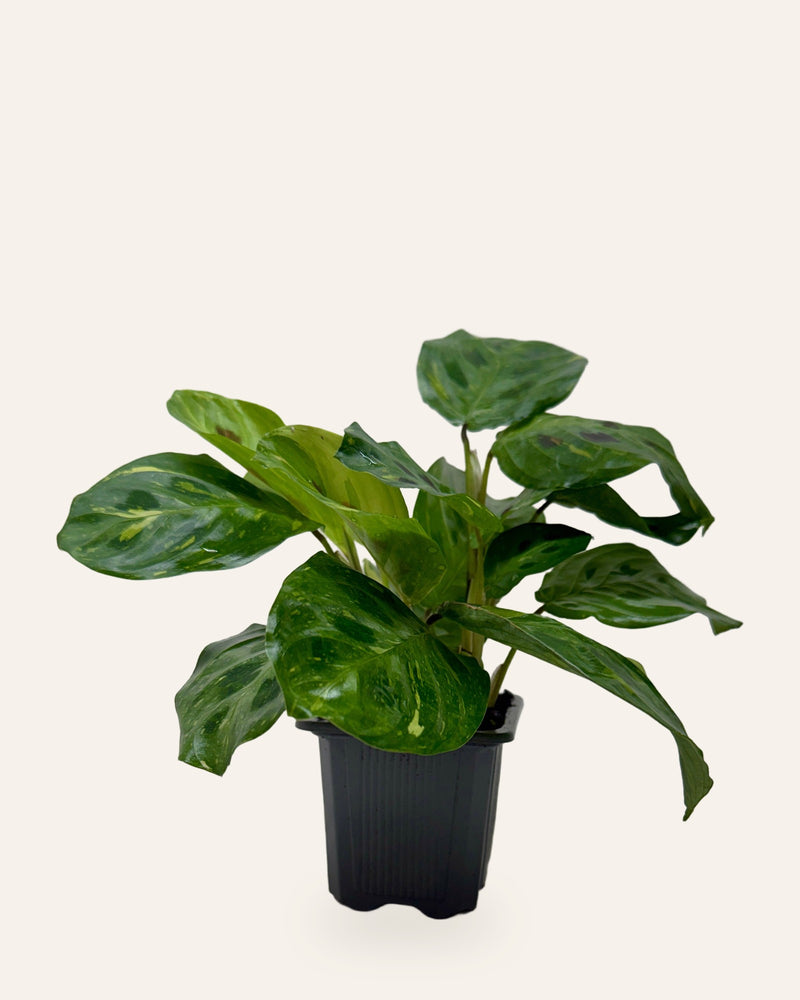
Maranta Variegated 'Beauty Kim'
Maranta leuconeura 'Beauty Kim'Pot fit: 3-inch, 4-inch and 6-inch nursery potsKeep the soil lightly moist, never soggy
from $24.99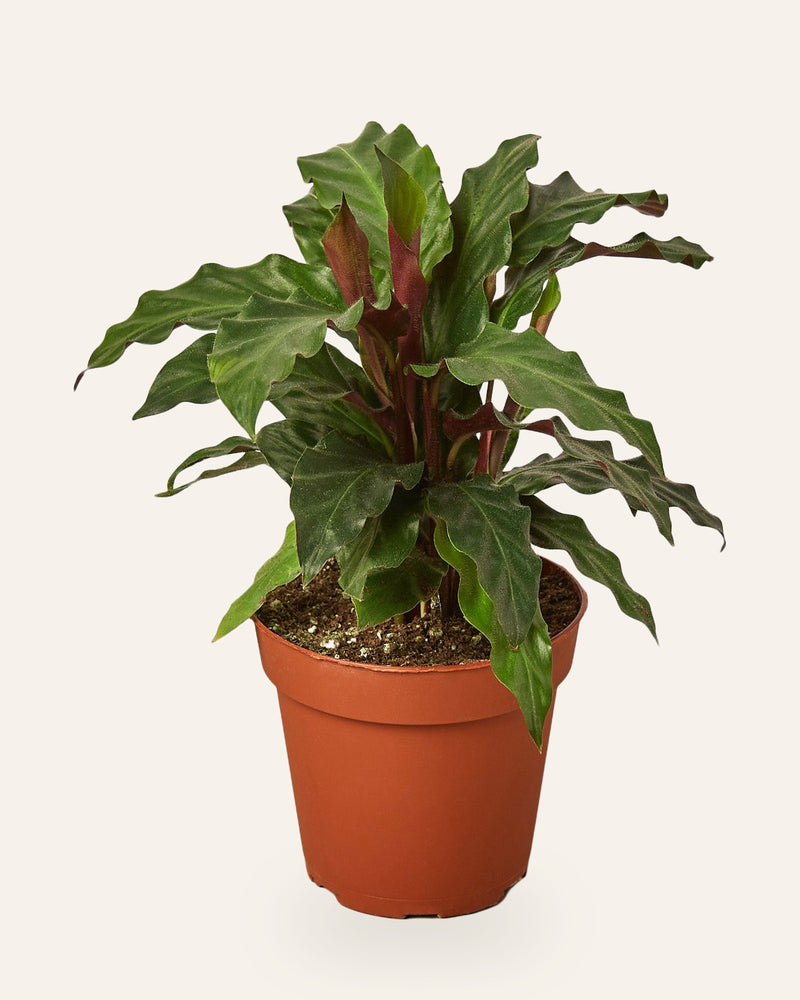
Calathea Rufibarba 'Furry Feather'
Goeppertia rufibarba 'Furry Feather' (sold as Calathea)Pot fit: 4" or 6" nursery potKeep the soil lightly moist
from $41.99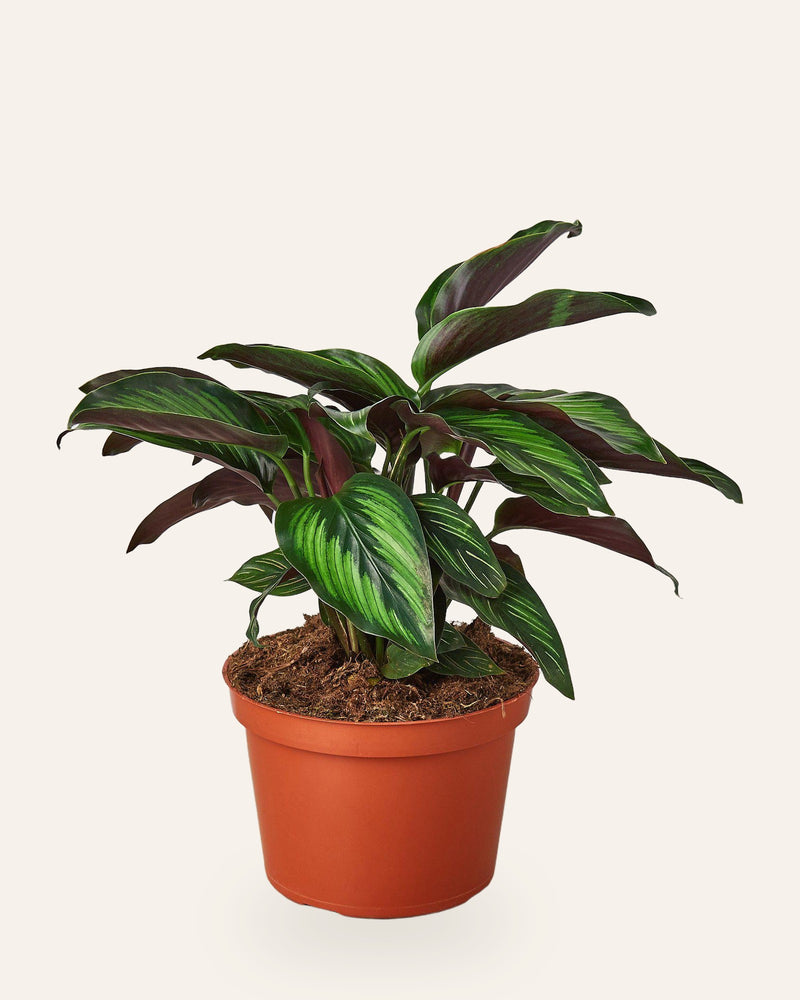
Calathea 'Beauty Star'
Goeppertia ornata 'Beauty Star' (sold as Calathea)Pot fit: 4" or 6" nursery potKeep the soil lightly moist
from $30.99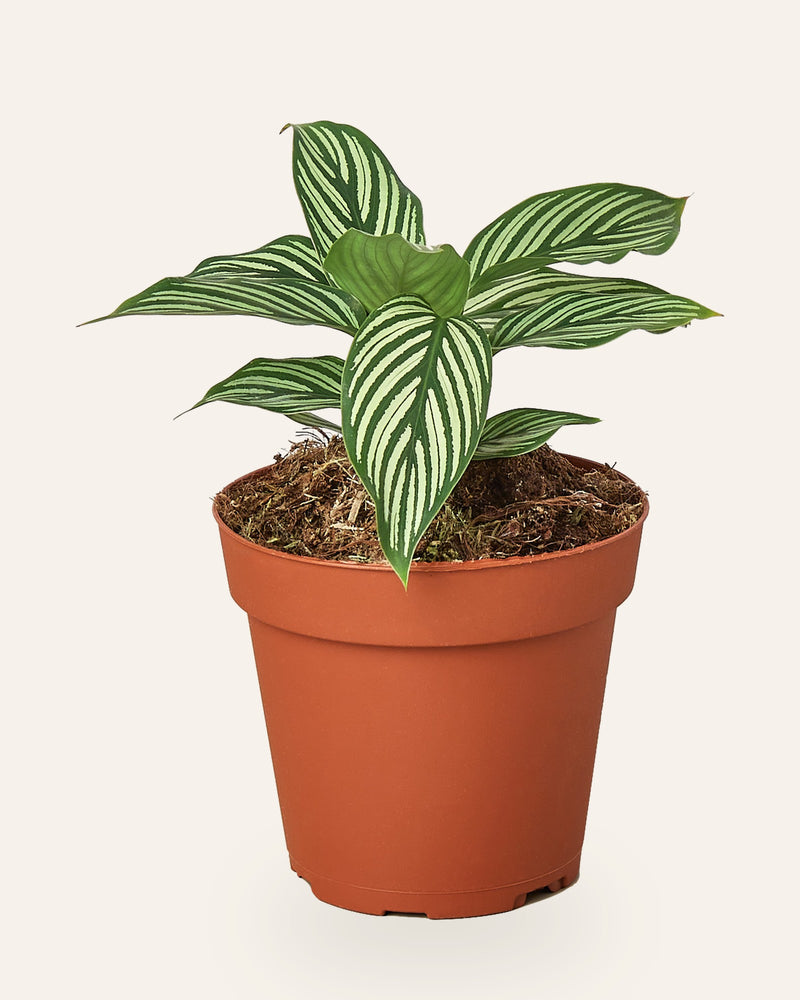
Calathea 'Vittata'
Goeppertia elliptica 'Vittata' (sold as Calathea)Pot fit: 4" or 6" nursery potKeep the soil lightly moist
from $30.99Planters that fit this plant
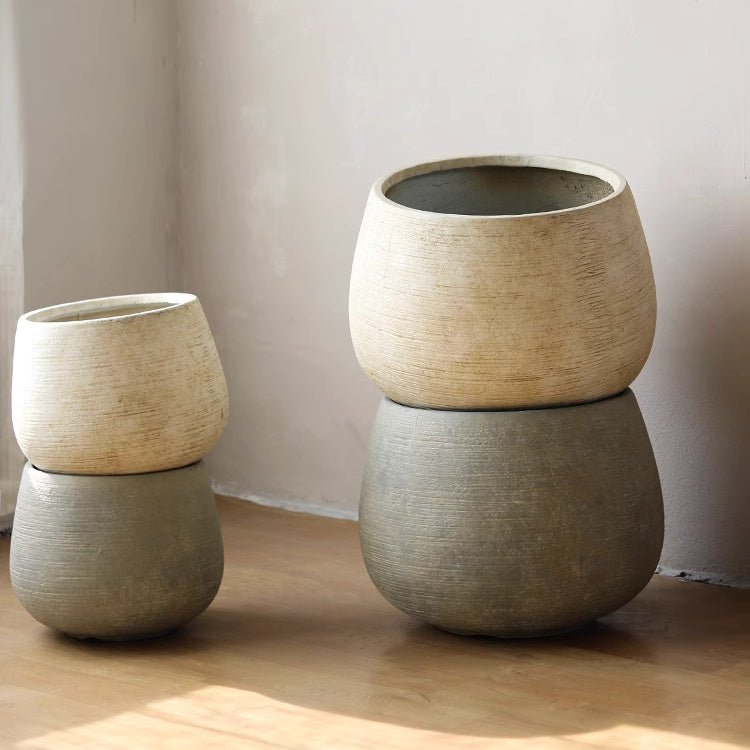
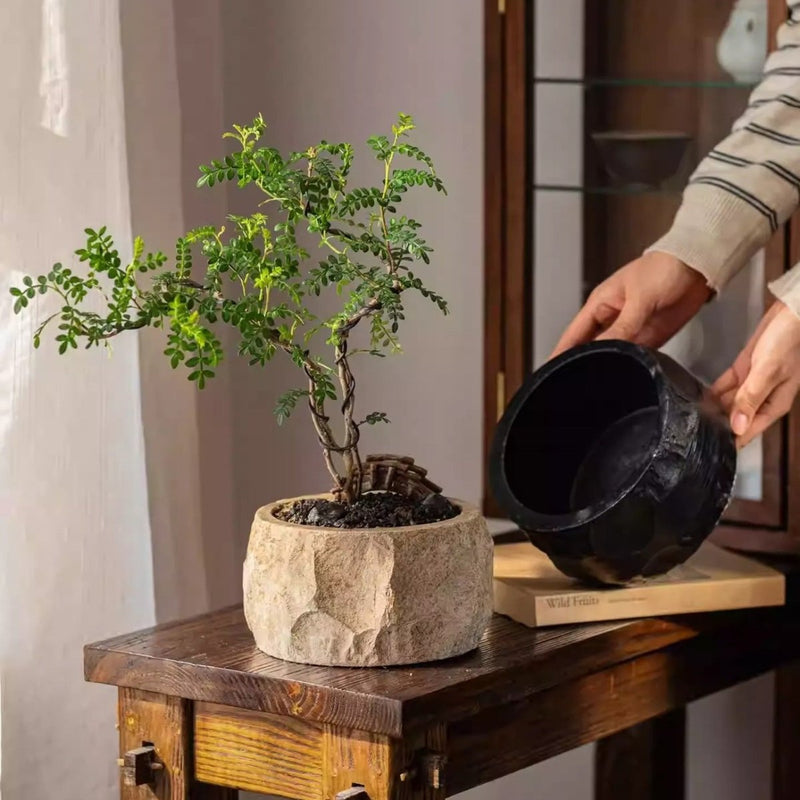
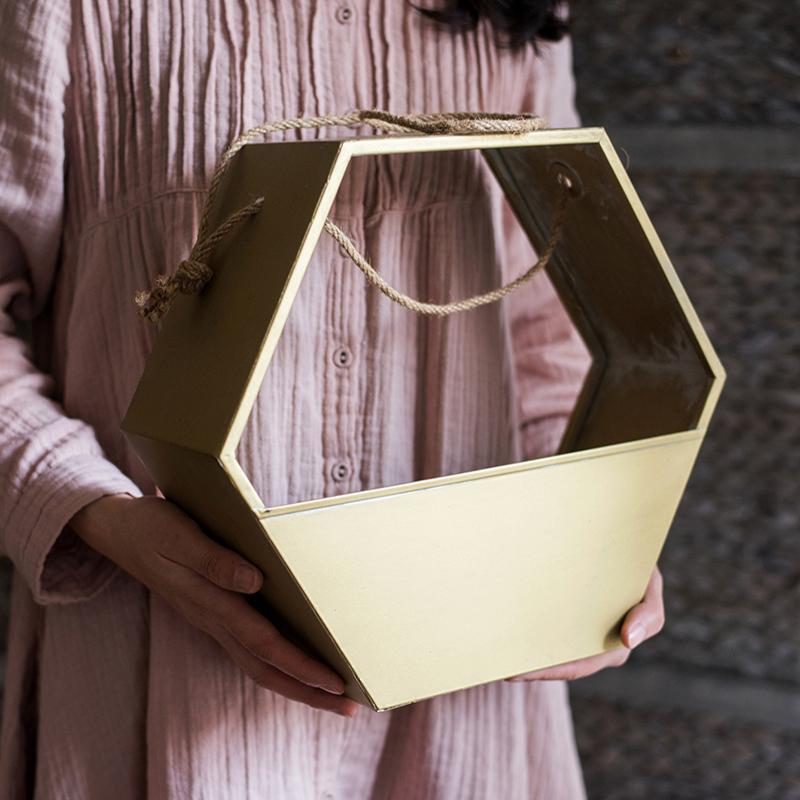
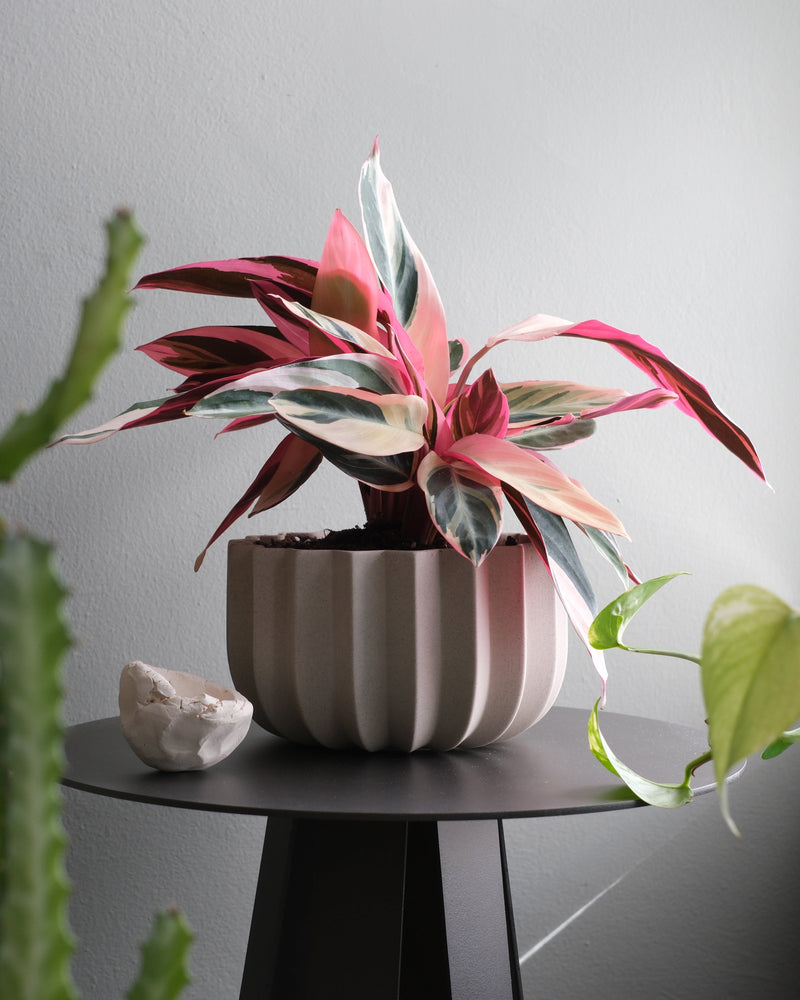
See all plantersMatched to the pot size of Rattlesnake Plant. Planters ship separately from live plants.
Care guides from the Journal
All articlesQuestions people ask
How do I care for a calathea?
For calathea in general: give it bright, indirect light and keep the soil evenly moist but never soggy. Use filtered or rainwater if you can. Aim for higher humidity than a typical room, and keep it away from vents and cold drafts. Use a light, well-draining mix in a pot with drainage.
When should I repot a calathea?
For calathea in general: repot when roots fill the pot or push out of the drainage holes, usually every year or two. Spring is a good time. Go up one pot size and use a light, well-draining mix. Water it in, and keep it out of direct sun while it settles.
Why are my calathea leaves curling and turning brown?
For calathea in general: common causes are dry soil, low humidity, tap water minerals and direct sun. Check the soil first and water if it is dry. Try filtered water, raise humidity and move it out of harsh light. Trim fully brown leaves at the base.
How do I propagate a rattlesnake calathea?
Divide it at repotting time. Slip the plant out, tease the root ball apart so each clump keeps several leaves and healthy roots, then pot each division in fresh, moist, well-draining mix. Keep the new plants warm and out of direct sun, and raise the humidity for a few weeks while they settle in.
How much light does a calathea need?
For calathea in general: medium to bright indirect light is best. Strong direct sun fades and scorches the leaves, and a very dim spot slows growth and dulls the patterns. A few feet back from an east or north window often works. Turn the pot now and then, since the leaves lean toward the light.
How often should I water a rattlesnake calathea?
Keep the soil lightly moist, never soggy. Water when the top inch is just dry, then let the pot drain. Filtered, distilled or rain water is gentler than tap water, which can leave brown leaf tips. Let it dry out too long and the edges crisp, but constant wet invites root rot.