
Cast Iron Plant
Aspidistra elatior
$119.00
Back in stock alert
Enter your email and we will write once when Cast Iron Plant (Default Title) is available.
- LightLow
How to check your light
Hold your hand a foot above the spot at midday and look at the shadow it casts.
- Sharp, dark shadow: bright light.
- Soft, blurry shadow: medium light.
- Faint shadow or none: low light.
Care at a glance (click to expand or collapse)
| Light | Low light |
|---|---|
| Care level | Easy: forgives a late watering and copes with a range of light |
Free shipping on live plants. Shipping details · Claim window
ASPCA lists this plant as non-toxic to cats and dogs. A general advisory, not a guarantee: chewing can still upset a pet. Check pet guidance
About this plant
Aspidistra elatior has earned its name. Its long, glossy, dark green leaves rise straight from the soil in a tidy clump, and the plant keeps looking good in the dim corners where other houseplants give up. It grows slowly and asks for very little. Put it somewhere shady, water it when the soil dries, and let it be.
Quick care
- Light: Low to medium indirect light. Direct sun can scorch the leaves.
- Water: Water when the top 2 inches of soil are dry. It forgives a missed week better than soggy soil.
- Soil and pot: Well-draining potting mix in a pot with drainage holes.
- Temperature: Comfortable at normal room temperatures, roughly 60 to 80°F. Keep it away from cold drafts.
- Size: Leaves usually reach about 18 to 24 inches
Care guide
Choose a spot with soft, indirect light. A few feet back from an east or north window works well. If the leaves start to look pale or bleached, the light is too strong.
Water deeply, let the excess drain, and wait until the top couple of inches of soil are dry before watering again. Overwatering is the main thing that goes wrong with this plant. Brown, mushy leaf bases usually mean the soil stays wet too long.
Feed lightly. A diluted balanced fertilizer once a month in spring and summer is plenty, and you can skip it in winter. Wipe the leaves with a damp cloth now and then so dust does not block the little light they get.
Repot only when roots fill the pot, usually every few years. Move up one pot size and use fresh mix.
Where to put this plant
Needs: Low light
Find the window you have. Each one gives a different kind of light.
-
East-facing windowGentle morning sun, then bright shade.3 to 5 ft back
-
South-facing windowBrightest, with sun most of the day.6+ ft back
-
West-facing windowStrong, hot afternoon sun.6+ ft back
-
North-facing windowSoft, steady light with no direct sun.Best spot
Distance changes it too
Grows well alongside
Live Plants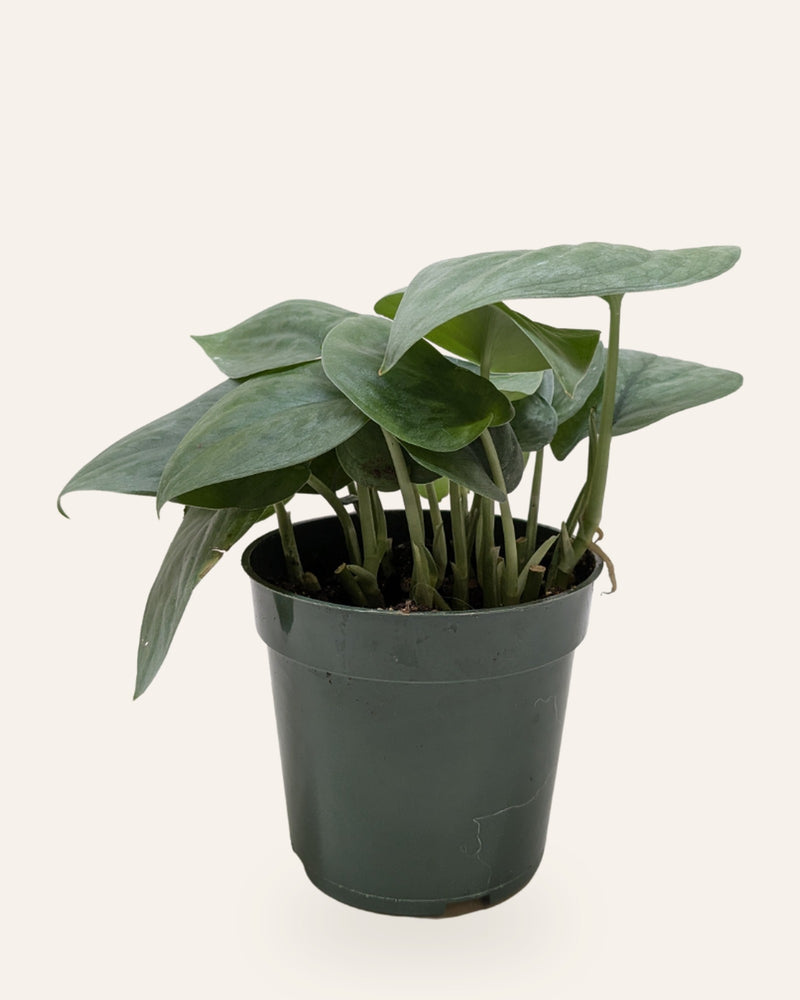
Scindapsus Platinum Java
Scindapsus 'Platinum Java'Pot fit: 4" or 6" nursery potwater when the soil is dry
from $44.99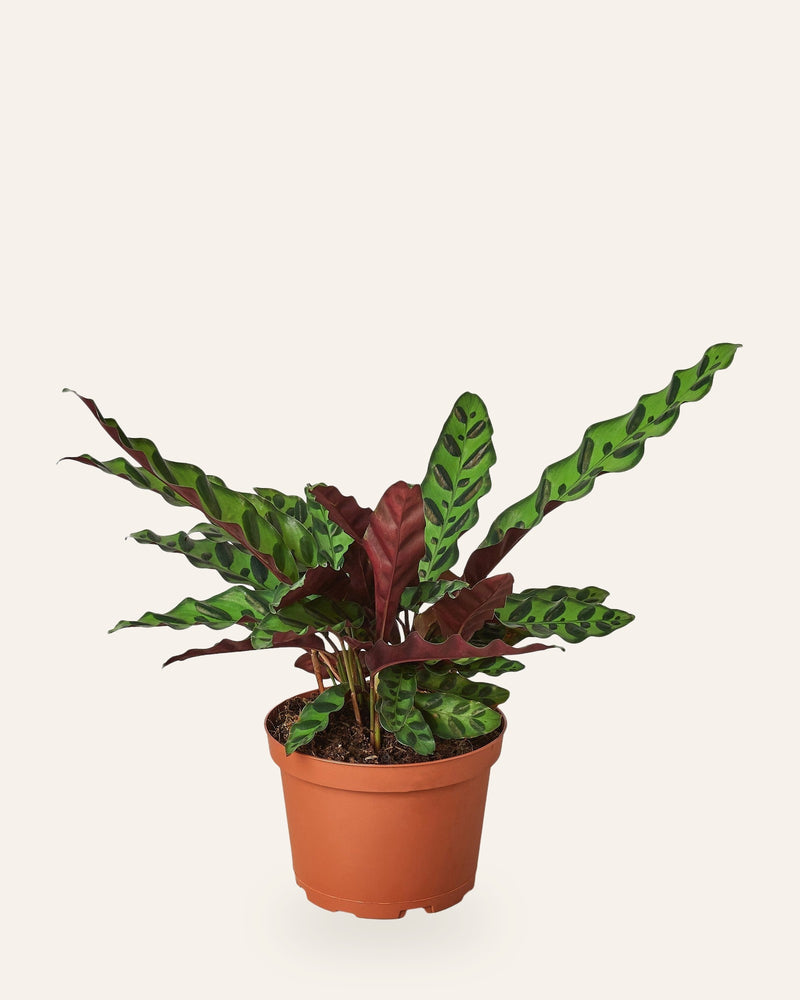
Rattlesnake Plant
Goeppertia insignis (Calathea lancifolia)Pot fit: 4" or 6" nursery potEvery 1 to 2 weeks
from $30.99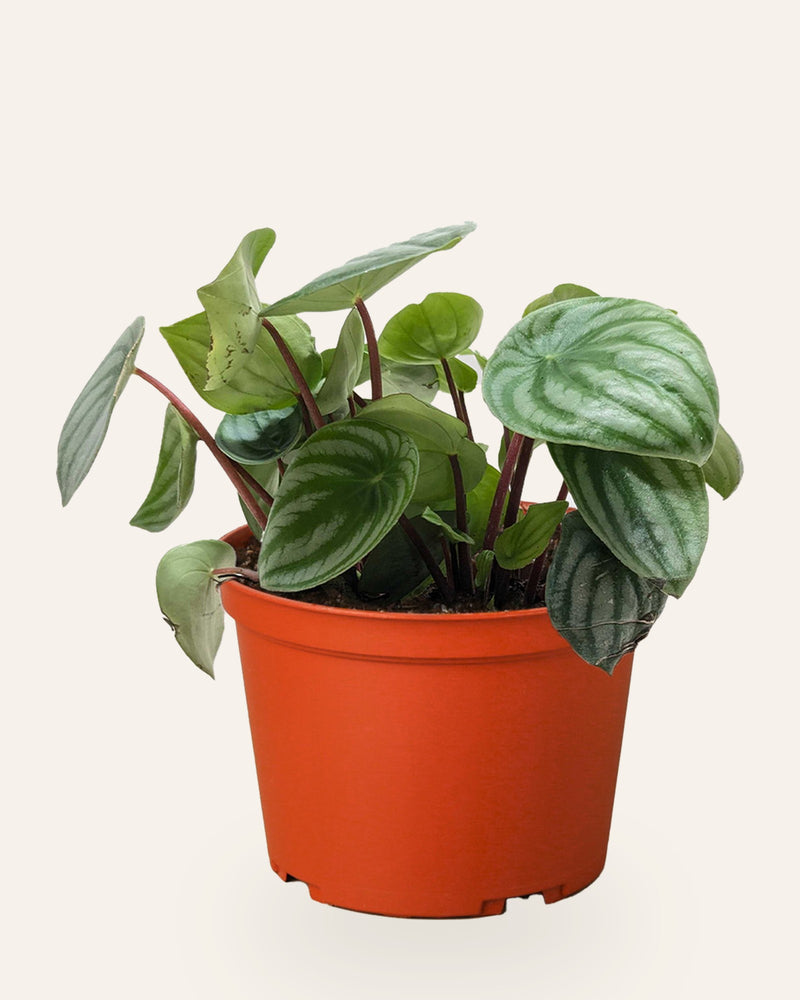
Watermelon Peperomia
Peperomia argyreiaPot fit: 4" nursery potPet-friendly for cats and dogsEvery 1 to 2 weeks
$27.99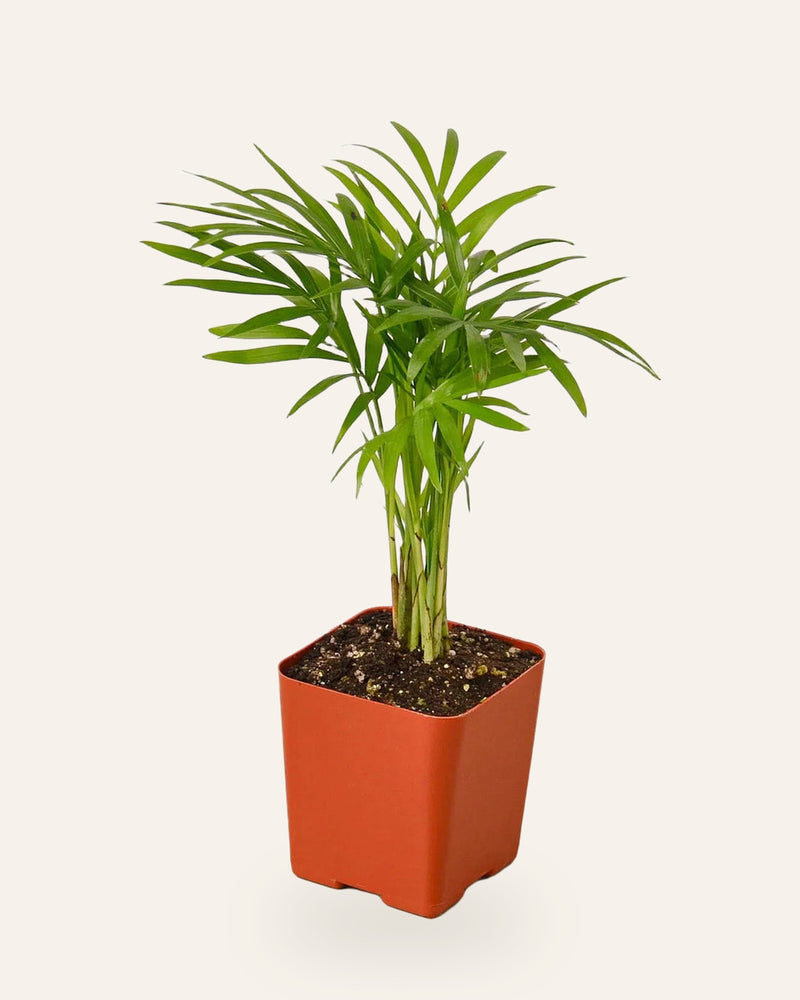
Parlor Palm
Chamaedorea elegansPot fit: 3", 4" or 6" nursery potPet-friendly for cats and dogsWater when the top 1 to 2 inches of potting mix feel dry
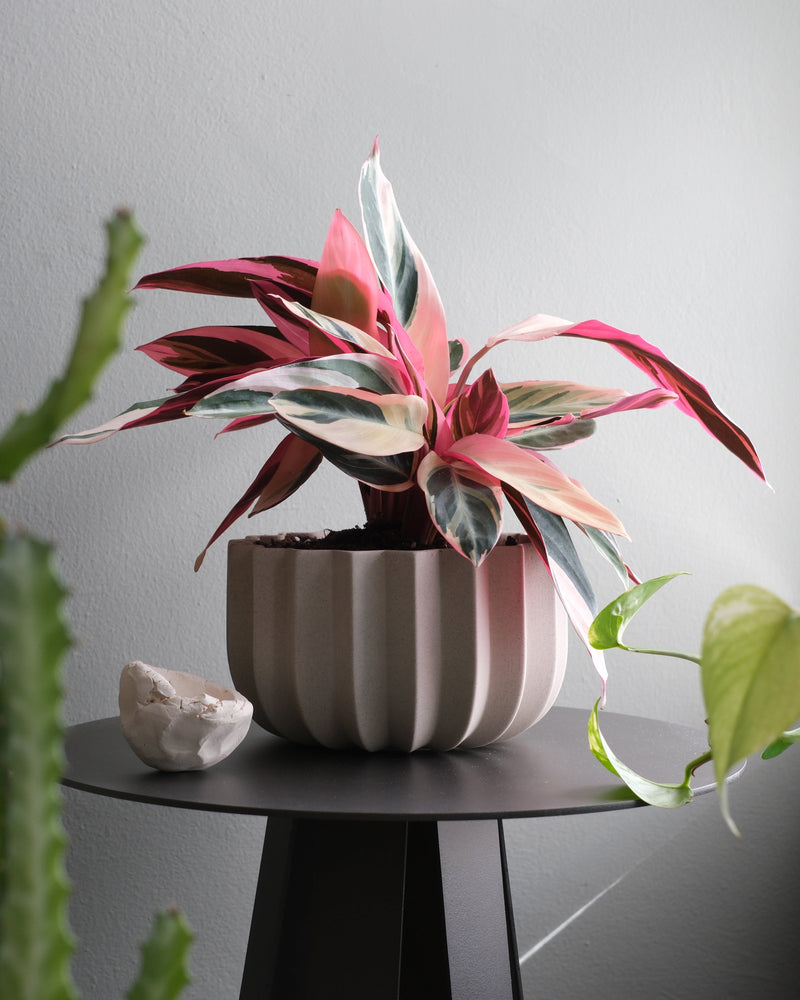
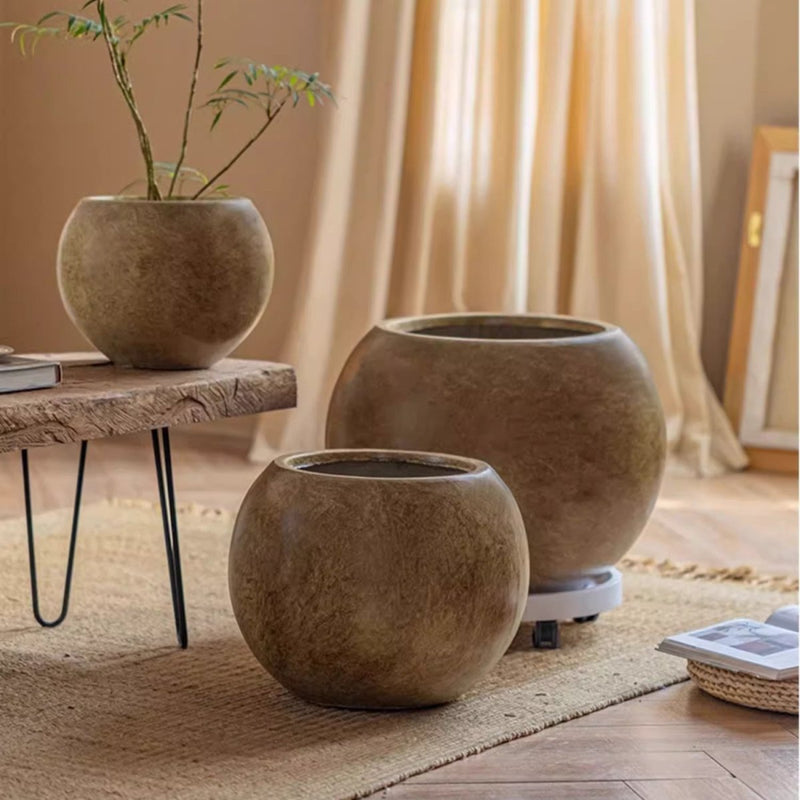
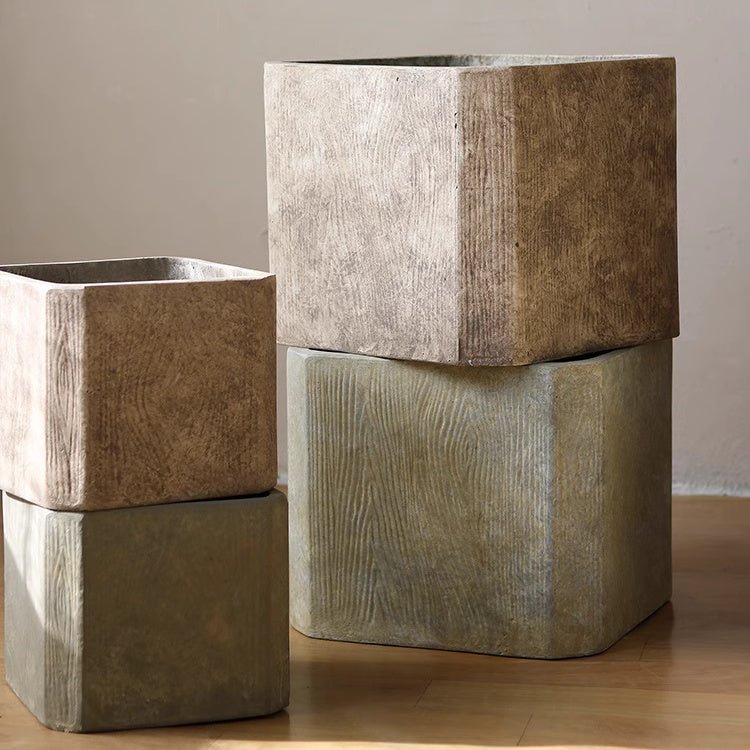
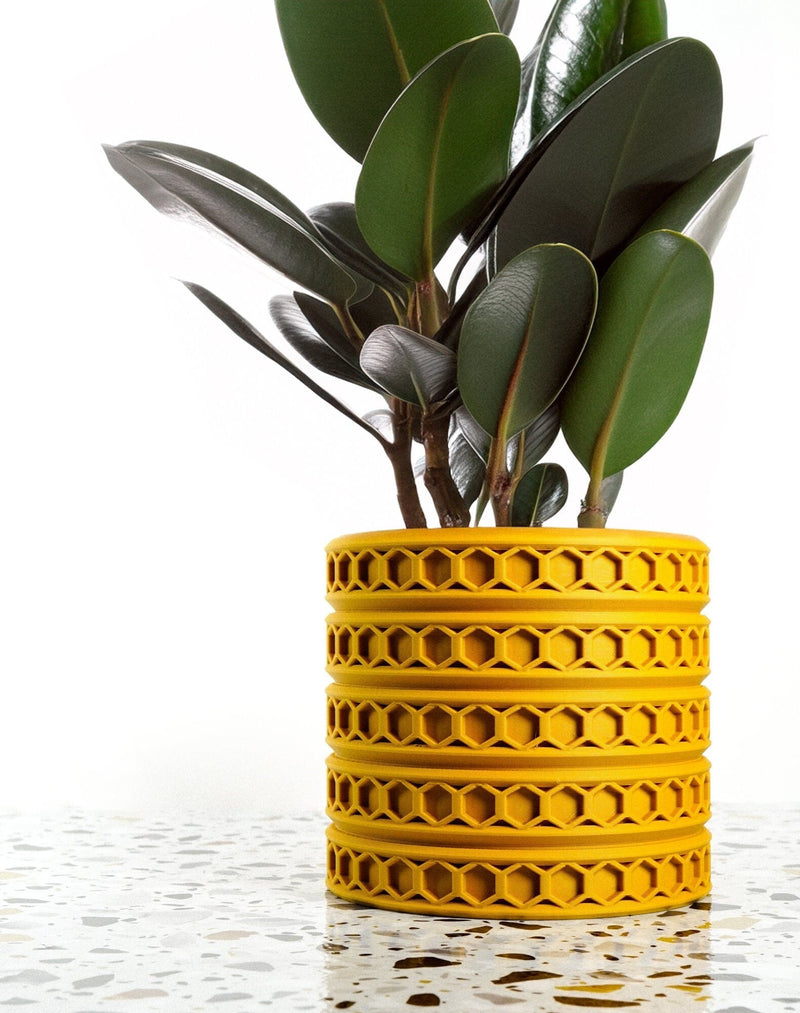
from $21.99Planters that fit this plant
See all plantersMatched to the pot size of Cast Iron Plant. Planters ship separately from live plants.
Care guides from the Journal
All articlesQuestions people ask
How much light does a cast iron plant need?
Low to medium indirect light is right. It handles a north window or a corner several feet from a brighter one. Direct sun scorches the leaves and leaves pale, bleached patches. In very dim rooms it survives but grows slowly. If the leaves look dull or growth stalls, move it a little closer to a window.
How often should you water a cast iron plant?
Water when the top 2 inches of soil are dry, usually every one to two weeks. Drench until water runs out the drainage holes, then empty the saucer. In winter, stretch it to every two to three weeks. It forgives a missed watering better than wet soil, so when you are unsure, wait a few more days.Ask your vet if you have questions about your own animal.
People also ask
Why are my cast iron plant leaves turning yellow or brown?
Yellow leaves usually mean overwatering, so check that the pot drains and let the top 2 inches dry between waterings. Brown, crispy edges or patches point to direct sun, long dry spells or cold drafts. Remove damaged leaves at the base with clean scissors. An occasional old leaf turning yellow is normal for this plant.
How fast does a cast iron plant grow?
Very slowly. Expect only a few new leaves a year, each one unrolling over several weeks. Growth picks up a little in spring and summer with brighter light and a half-strength feeding once a month. Extra water or fertilizer does not speed it up and can damage the roots.
What temperature does a cast iron plant need?
Normal room temperatures suit it, roughly 60 to 80°F. It tolerates brief dips into the 50s. Keep it away from cold drafts, frosty windows and heating vents. Prolonged cold below about 45°F can damage the leaves, so move it inward from a window on freezing nights.
Can a cast iron plant live in a dark room?
Yes, within limits. It survives in rooms with little natural light and does best in low to medium indirect light. A room with no window at all only works if a grow light runs for several hours a day. Growth stays slow in dim spots, so water less often there.