
Cinta 'Bonnie'
Chlorophytum comosum 'Bonnie'
$47.99
Curled arching ribbons with clean cream center variegation, compact and pet-safe.
- LightMedium to bright indirect
- WaterEvery 1 to 2 weeks
- Pot size4-inch and 6-inchs nursery pot
How to check your light
Hold your hand a foot above the spot at midday and look at the shadow it casts.
- Sharp, dark shadow: bright light.
- Soft, blurry shadow: medium light.
- Faint shadow or none: low light.
Care at a glance (click to expand or collapse)
| Light | Medium to bright indirect light |
|---|---|
| Water | Every 1 to 2 weeks |
| Mature size | 8 to 12″ tall with cascading curly spiderettes |
| Pot fit | 4-inch and 6-inch nursery pots |
| Care level | Easy: forgives a late watering and copes with a range of light |
Free shipping on live plants. Shipping details · Claim window
This is a named form of Chlorophytum comosum, which ASPCA lists as non-toxic to cats and dogs. A general advisory, not a guarantee: chewing can still upset a pet. Check pet guidance
 Save with the Favoritos seguros para mascotasThis plant plus two companions for $65.99, in one box.
About this plant
De un vistazo: Chlorophytum comosum 'Bonnie' rizada con hojas en forma de cinta con centro color crema. Luz indirecta de media a brillante. Regar cuando la primera pulgada de la tierra esté seca. Tamaño maduro de aproximadamente 1 a 2 pies de alto y ancho, como otras plantas araña. La ASPCA la clasifica como no tóxica para perros y gatos.
Una versión compacta y divertida de la clásica planta araña, Chlorophytum comosum 'Bonnie' (planta araña rizada) tiene hojas en forma de cinta rizada con un centro de color crema brillante. Crece más frondosa y compacta que las plantas araña estándar, lo que la hace ideal para mesas, escritorios y macetas colgantes. Los cultivadores a veces acortan el nombre a chlorophytum, el género.
Bonnie produce muchas 'arañitas' (hijuelos) colgantes. Se desarrolla mejor con luz indirecta de media a brillante y tolera que la tierra se seque ocasionalmente. La ASPCA clasifica esta planta como no tóxica para perros y gatos. Aun así, recomendamos evitar que las mascotas muerdan las plantas de interior.
Lee la guía de cuidado de la planta araña, explora todas las plantas araña, o descubre la planta araña inversa y la planta araña hawaiana.
Where to put this plant
Needs: Medium to bright light
Find the window you have. Each one gives a different kind of light.
-
East-facing windowGentle morning sun, then bright shade.Best spot
-
South-facing windowBrightest, with sun most of the day.3 to 5 ft back
-
West-facing windowStrong, hot afternoon sun.3 to 5 ft back
-
North-facing windowSoft, steady light with no direct sun.At the glass
Distance changes it too
Grows well alongside
Cinta, lirio de la paz y espatifilo
Cinta 'Reverse'
Chlorophytum comosum 'Variegatum'Pot fit: 3-inch and 4-inch nursery potsPet-friendly for cats and dogsEvery 1 to 2 weeks
from $21.99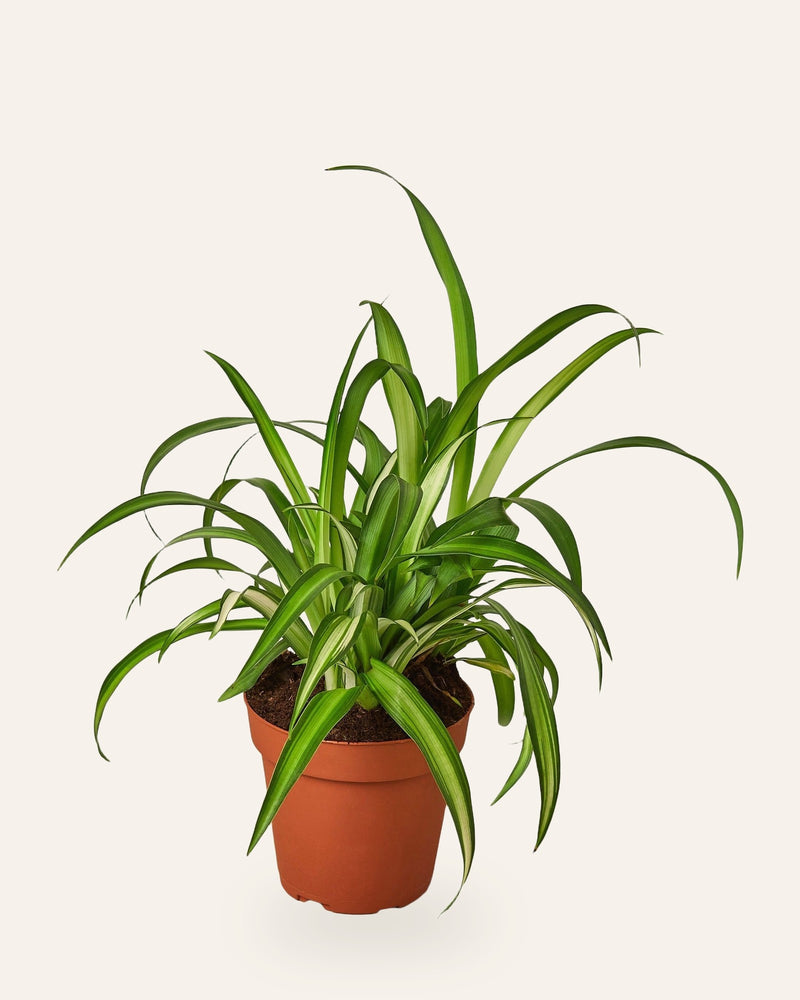
Lazo de amor hawaiano
Chlorophytum comosum 'Hawaiian'Pot fit: 4-inch nursery potPet-friendly for cats and dogsWater when the top inch of soil is dry
$24.99
Spathiphyllum 'Platinum Mist'
Spathiphyllum 'Platinum Mist'Pot fit: 4-inch nursery potwater when the top of the soil dries
$27.99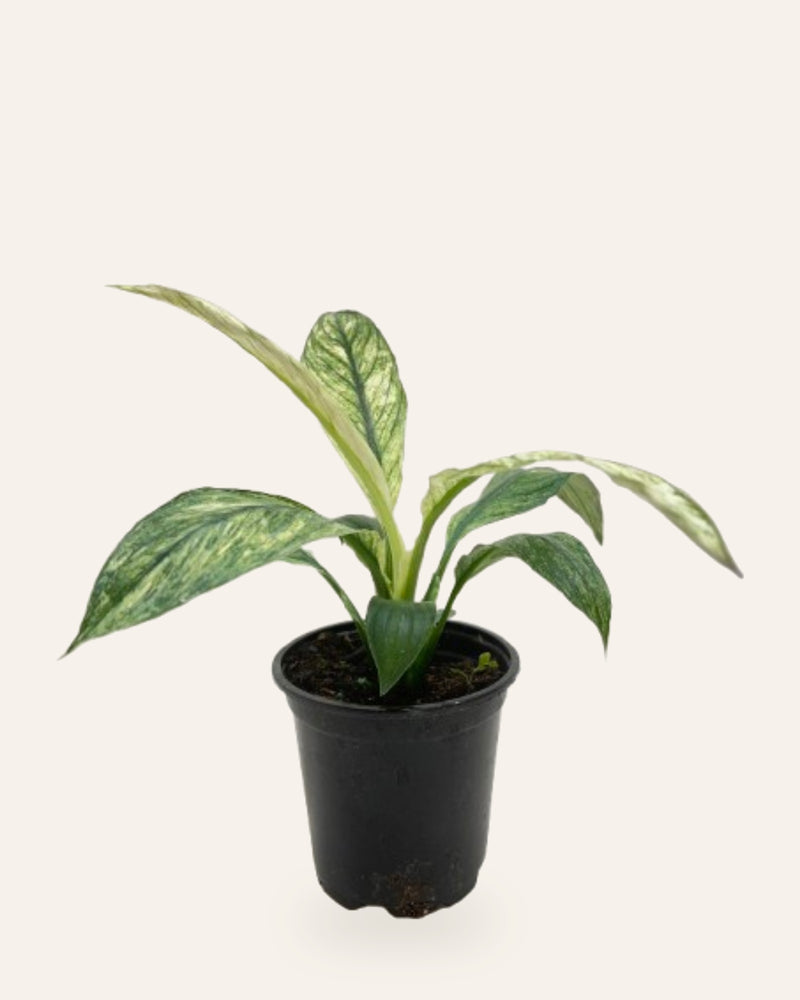
Spathiphyllum Jessica
Spathiphyllum 'Jessica'Pot fit: 4-inch nursery potwater when the top of the soil dries
$28.99Planters that fit this plant
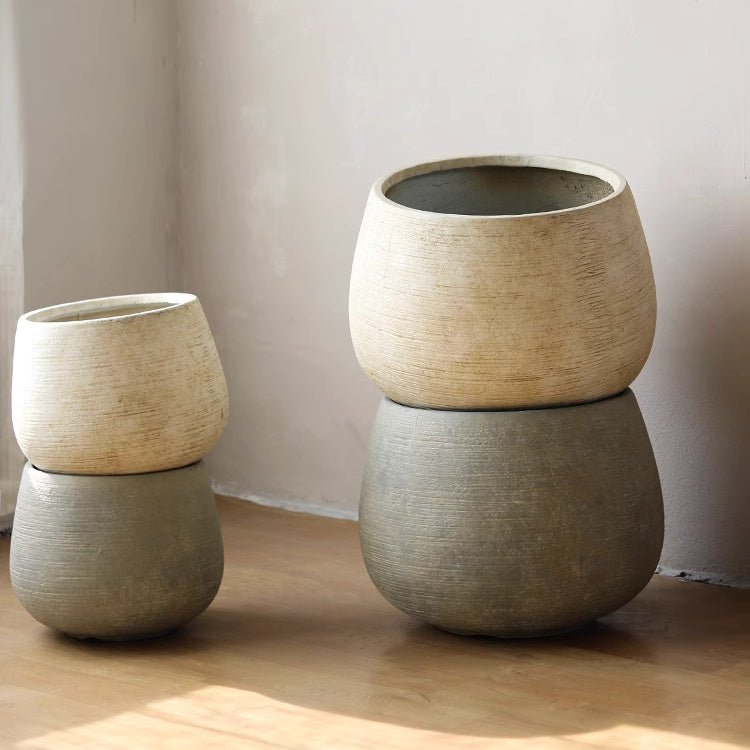
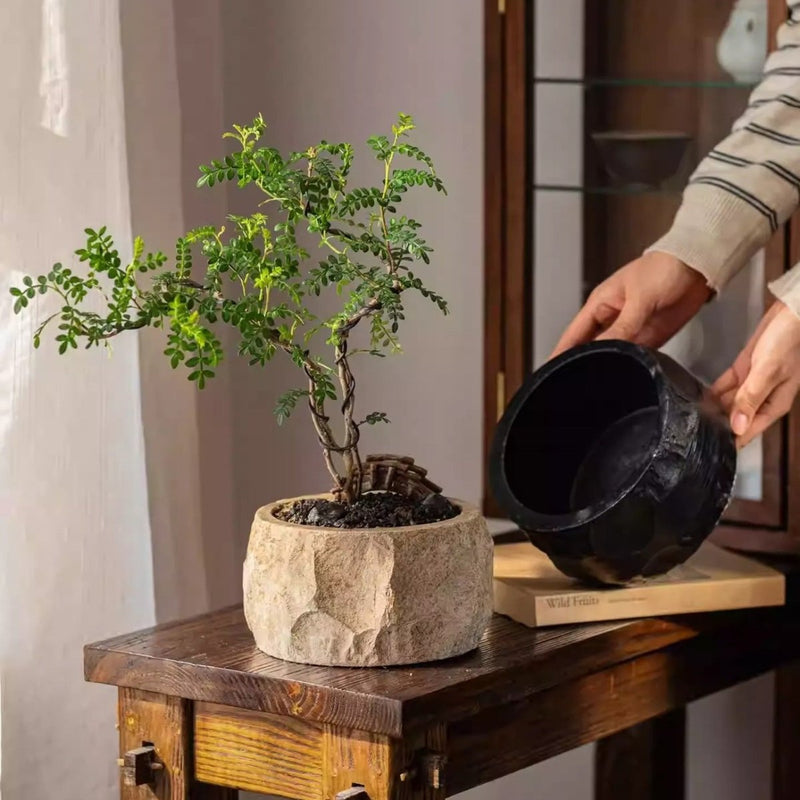
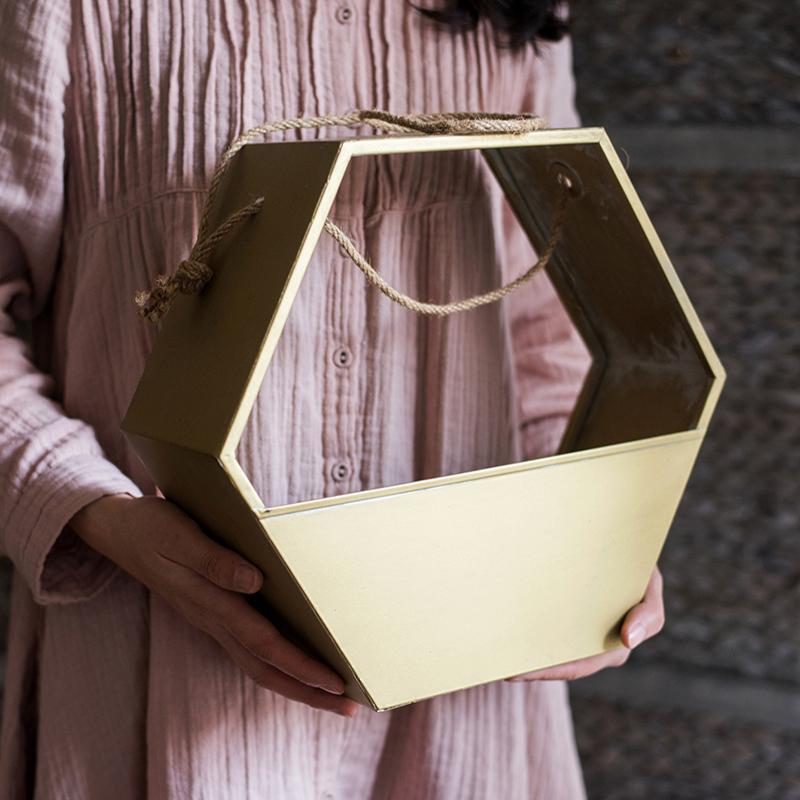
See all plantersMatched to the pot size of Cinta 'Bonnie'. Planters ship separately from live plants.
Care guides from the Journal
All articlesQuestions people ask
Why are the leaf tips turning brown?
Spider plants are sensitive to fluoride and mineral build-up from tap water. Use filtered water or rainwater and ensure pot has active drainage.
How often should I water Cinta 'Bonnie'?
Every 1 to 2 weeks. Check the soil with a finger rather than watering on a set day.
How much light does Cinta 'Bonnie' need?
Medium to bright indirect light. The care card above lists water, size and pot fit.