
Cinta 'Reverse'
Chlorophytum comosum 'Variegatum'
$21.99
Bright cream borders framing deep emerald center stripes, the inverted variegation classic.
- LightMedium to bright indirect
- WaterEvery 1 to 2 weeks
- Pot size3-inch and 4-inchs nursery pot
How to check your light
Hold your hand a foot above the spot at midday and look at the shadow it casts.
- Sharp, dark shadow: bright light.
- Soft, blurry shadow: medium light.
- Faint shadow or none: low light.
Care at a glance (click to expand or collapse)
| Light | Medium to bright indirect light |
|---|---|
| Water | Every 1 to 2 weeks |
| Mature size | 12 to 15″ tall and wide with trailing runners |
| Pot fit | 3-inch and 4-inch nursery pots |
Free shipping on live plants. Shipping details · Claim window
This is a named form of Chlorophytum comosum, which ASPCA lists as non-toxic to cats and dogs. A general advisory, not a guarantee: chewing can still upset a pet. Check pet guidance
About this plant
De un vistazo: Planta araña inversa, Chlorophytum comosum 'Variegatum', con bordes blanco crema y bandas centrales de color verde intenso. Luz brillante e indirecta. Regar cuando la primera pulgada de la tierra esté seca. Tamaño adulto de aproximadamente 1 a 2 pies de alto y ancho. La ASPCA la clasifica como no tóxica para perros y gatos.
La planta araña inversa, Chlorophytum comosum 'Variegatum', invierte el patrón habitual. Bordes de color crema a blanco enmarcan bandas centrales de color verde intenso. Su hábito arqueado luce bien en estantes, soportes para plantas y exhibiciones colgantes elevadas. Algunos compradores la buscan como planta chlorophytum, que es el nombre del género.
Celebrada por su resistencia y sus cualidades purificadoras de aire, la planta araña inversa prospera en luz brillante e indirecta y tolera los niveles estándar de humedad interior. Los estolones llevan pequeñas flores blancas y plantas miniatura. La ASPCA clasifica esta planta como no tóxica para perros y gatos. Aun así, recomendamos evitar que las mascotas mastiquen las plantas de interior.
Lee la guía de cuidado de la planta araña, explora todas las plantas araña, o mira la Planta araña 'Bonnie' y la Planta araña hawaiana.
Where to put this plant
Needs: Medium to bright light
Find the window you have. Each one gives a different kind of light.
-
East-facing windowGentle morning sun, then bright shade.Best spot
-
South-facing windowBrightest, with sun most of the day.3 to 5 ft back
-
West-facing windowStrong, hot afternoon sun.3 to 5 ft back
-
North-facing windowSoft, steady light with no direct sun.At the glass
Distance changes it too
Grows well alongside
Cinta, lirio de la paz y espatifilo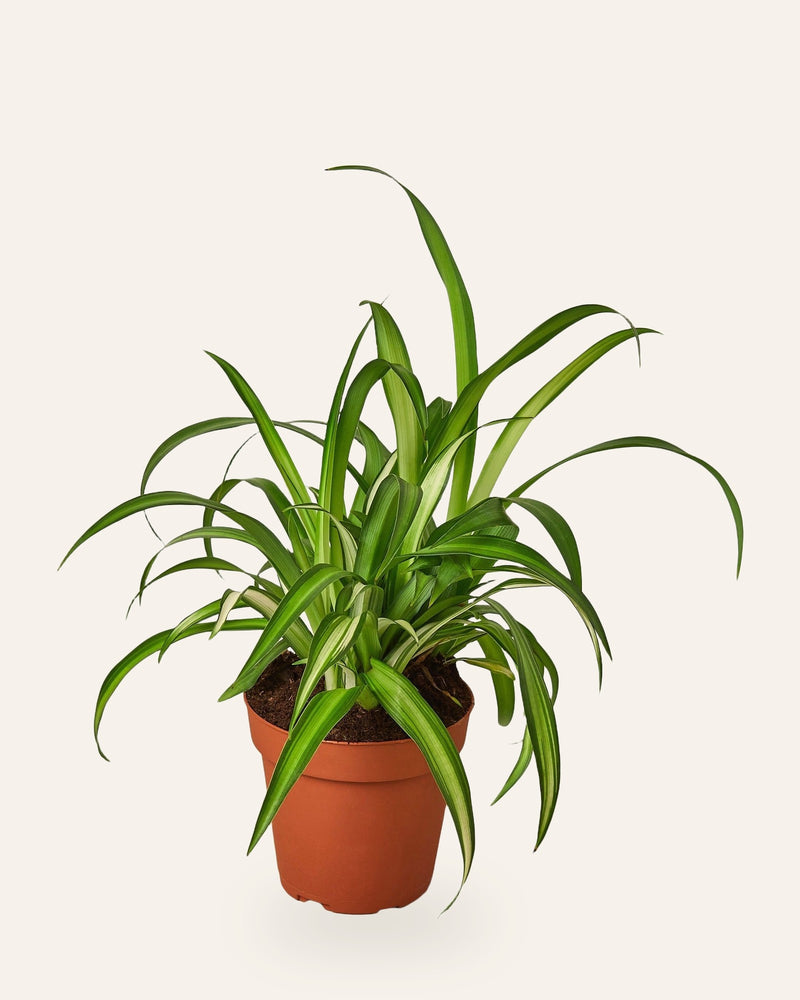
Lazo de amor hawaiano
Chlorophytum comosum 'Hawaiian'Pot fit: 4-inch nursery potPet-friendly for cats and dogsWater when the top inch of soil is dry
$24.99
Spathiphyllum 'Platinum Mist'
Spathiphyllum 'Platinum Mist'Pot fit: 4-inch nursery potwater when the top of the soil dries
$27.99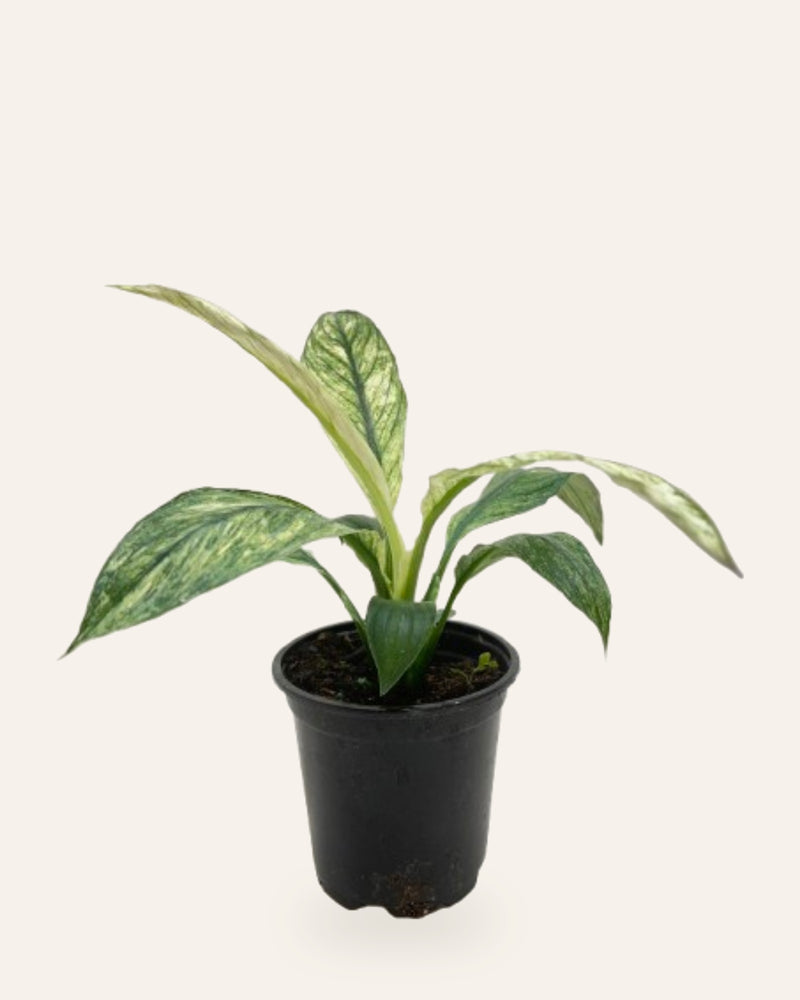
Spathiphyllum Jessica
Spathiphyllum 'Jessica'Pot fit: 4-inch nursery potwater when the top of the soil dries
$28.99
Spathiphyllum variegado 'Domino'
Spathiphyllum 'Domino'Pot fit: 2-inch, 4-inch and 6-inch nursery potswater when the top of the soil dries
from $18.99Planters that fit this plant
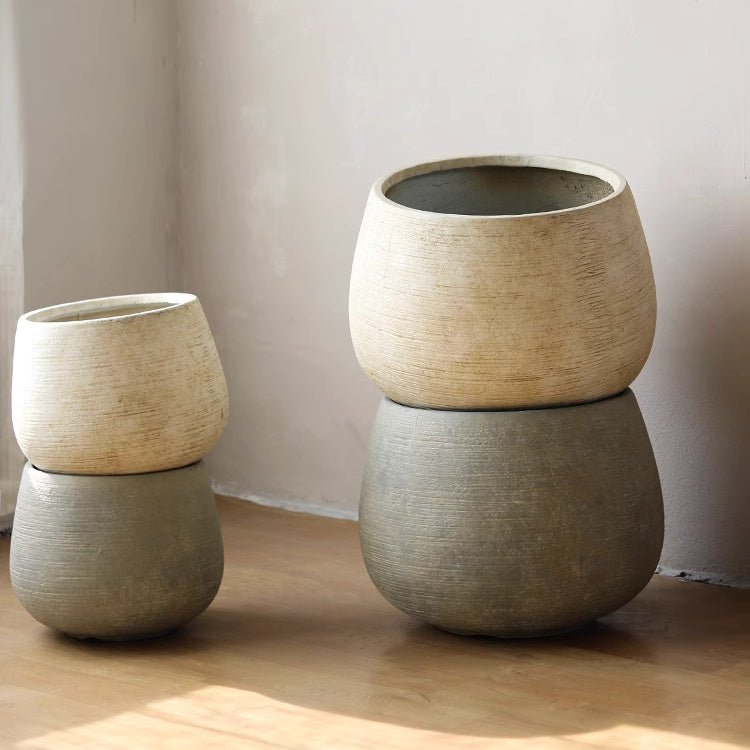
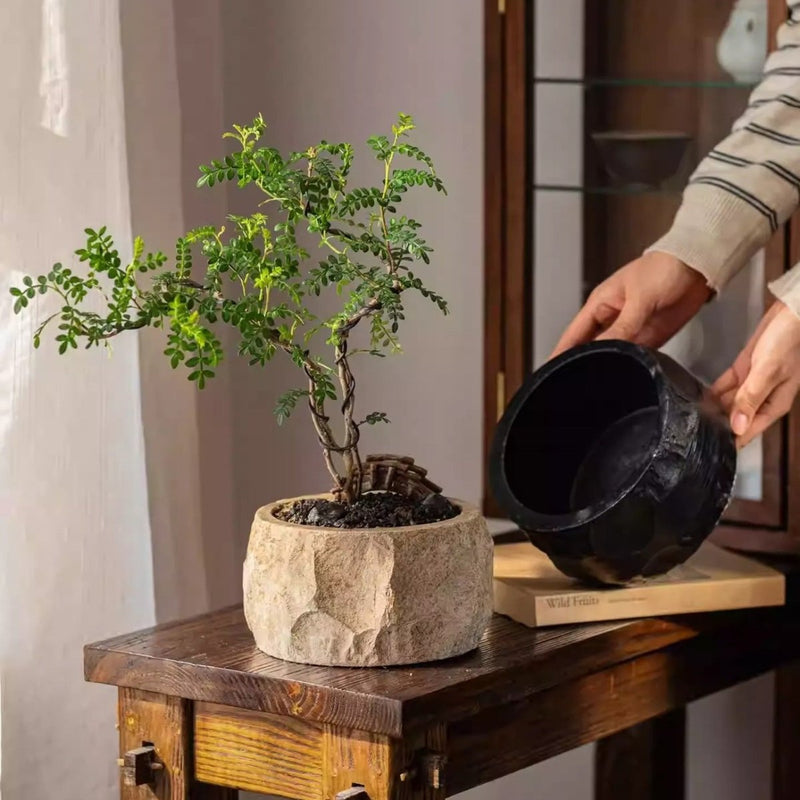
See all plantersMatched to the pot size of Cinta 'Reverse'. Planters ship separately from live plants.
Care guides from the Journal
All articlesQuestions people ask
How does Reverse differ from traditional variegated spider plants?
Standard 'Vittatum' has white centers with green edges, while 'Reverse' (Variegatum) features dark green centers edged in bright cream.
How often should I water Cinta 'Reverse'?
Every 1 to 2 weeks. Check the soil with a finger rather than watering on a set day.
How much light does Cinta 'Reverse' need?
Medium to bright indirect light. The care card above lists water, size and pot fit.