
Syngonium Milk Confetti, 4" Pot
$33.99
- LightMedium
How to check your light
Hold your hand a foot above the spot at midday and look at the shadow it casts.
- Sharp, dark shadow: bright light.
- Soft, blurry shadow: medium light.
- Faint shadow or none: low light.
Care at a glance (click to expand or collapse)
| Light | Medium light |
|---|
Free shipping on live plants. Shipping details · Claim window
ASPCA lists this plant as toxic to cats and dogs. A general advisory, not veterinary advice: keep it out of reach. Check pet guidance
About this plant
Product description
Syngonium Milk Confetti is a Syngonium podophyllum cultivar with pale, milky green arrow-shaped leaves and soft pink variegation. Growers describe it as whiter than Confetti, which carries bright pink flecks. It comes in a 4" pot, a good size for a shelf or desk.
Young plants grow as a compact clump. As the stems lengthen, the plant trails from a basket or climbs a moss pole or trellis. Moderate to bright indirect light suits it, and an east-facing window is a good spot. Let the top inch or two of mix dry between waterings, and keep it out of harsh direct sun. Pinch the tips now and then to keep it full.
Quick facts
- Plant: Syngonium podophyllum 'Milk Confetti'
- Pot size: 4"
- Light: moderate to bright indirect light, out of harsh direct sun
- Water: when the top 1 to 2 inches of mix are dry
- Habit: compact clump when young, then trails from a basket or climbs a pole or trellis
- Shipping: Free shipping on live plants in the 48 contiguous states
Care at a glance (general guidance)
| Light | Moderate to bright indirect light. East-facing window works well. Keep out of harsh direct sun. |
| Water | Water when the top inch or two of mix is dry. Empty the saucer. |
| Soil | Loose, well-draining potting mix. |
| Feeding | Fertilize monthly in the growing season. |
| Propagation | Easy from stem cuttings. |
| Humidity and temperature | Average to higher home humidity. Comfortable room temperatures. |
Where to put this plant
Needs: Medium light
Find the window you have. Each one gives a different kind of light.
-
East-facing windowGentle morning sun, then bright shade.Best spot
-
South-facing windowBrightest, with sun most of the day.3 to 5 ft back
-
West-facing windowStrong, hot afternoon sun.3 to 5 ft back
-
North-facing windowSoft, steady light with no direct sun.At the glass
Distance changes it too
Grows well alongside
Monsteras & Aroids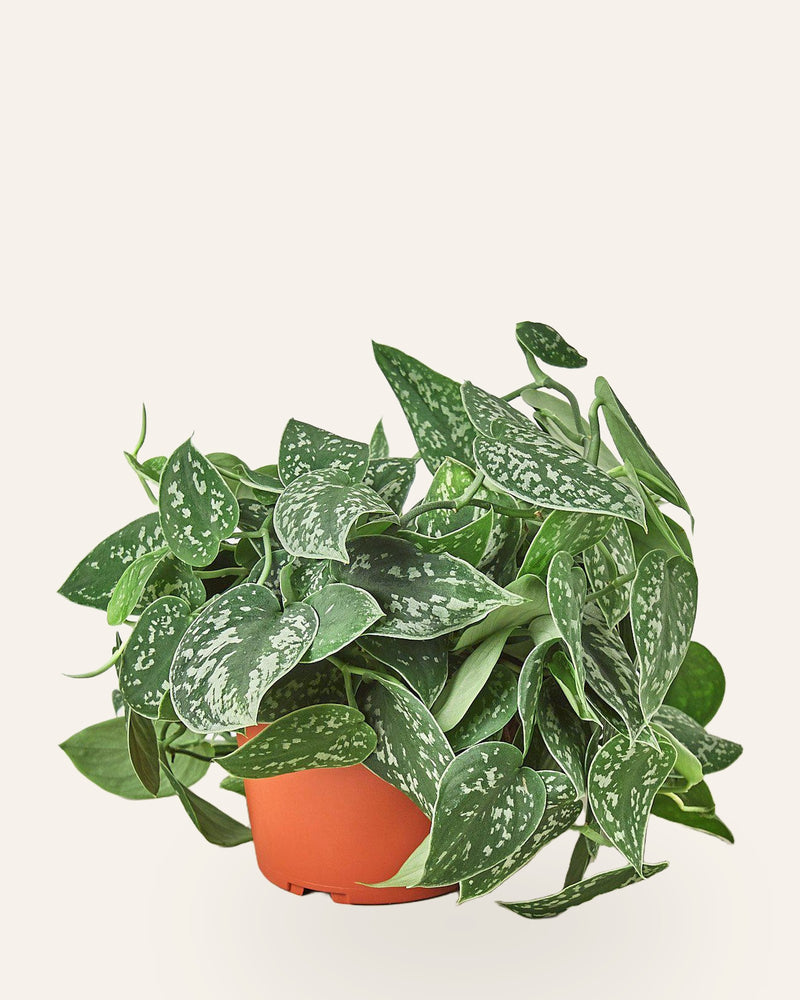
Satin Pothos
Scindapsus pictusPot fit: 4" or 6" nursery potToxic to cats and dogsWater after the top 1 to 2 inches of soil have dried
from $28.99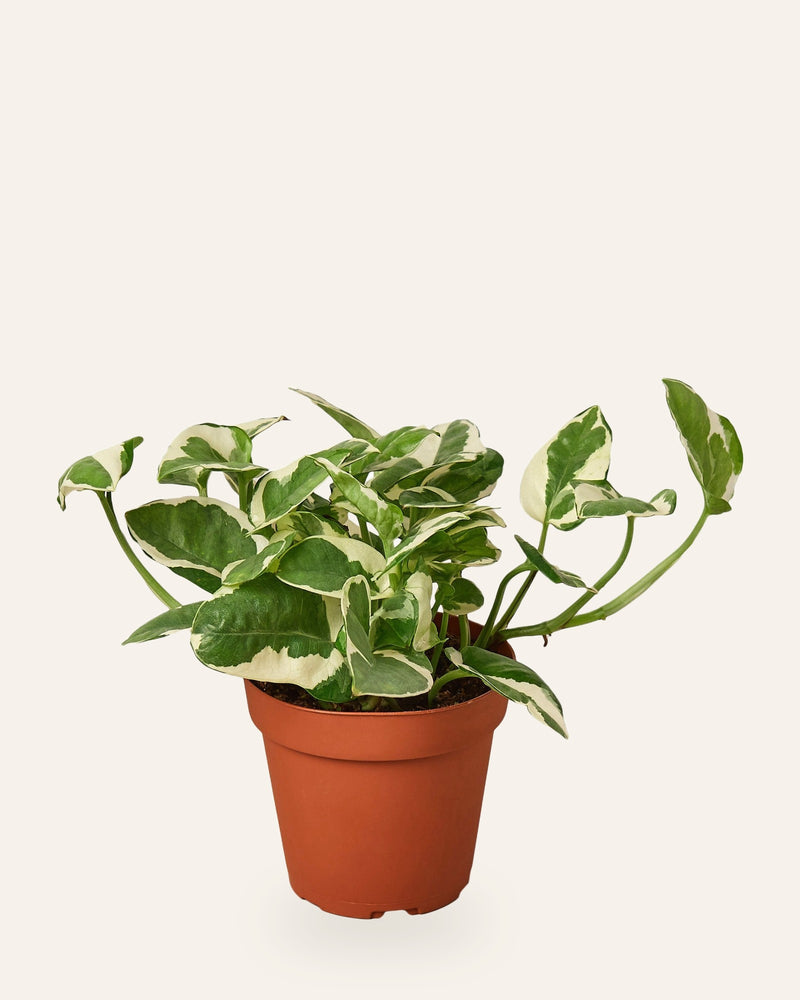
Pothos N'Joy
Epipremnum aureumPot fit: 3" or 4" nursery potToxic to cats and dogsWater when the top 1 to 2 inches of soil are dry
from $21.99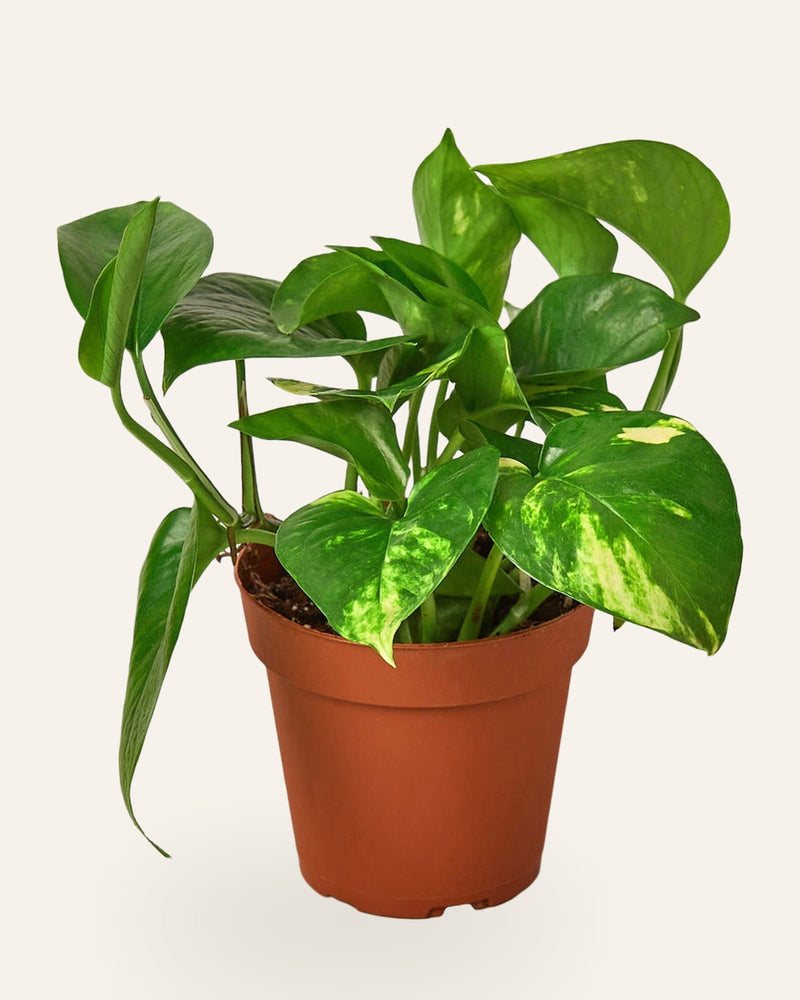
Golden Pothos
Epipremnum aureumPot fit: 4" or 6" nursery potToxic to cats and dogsWater when the top 2 inches of soil are dry, then drain fully
from $25.99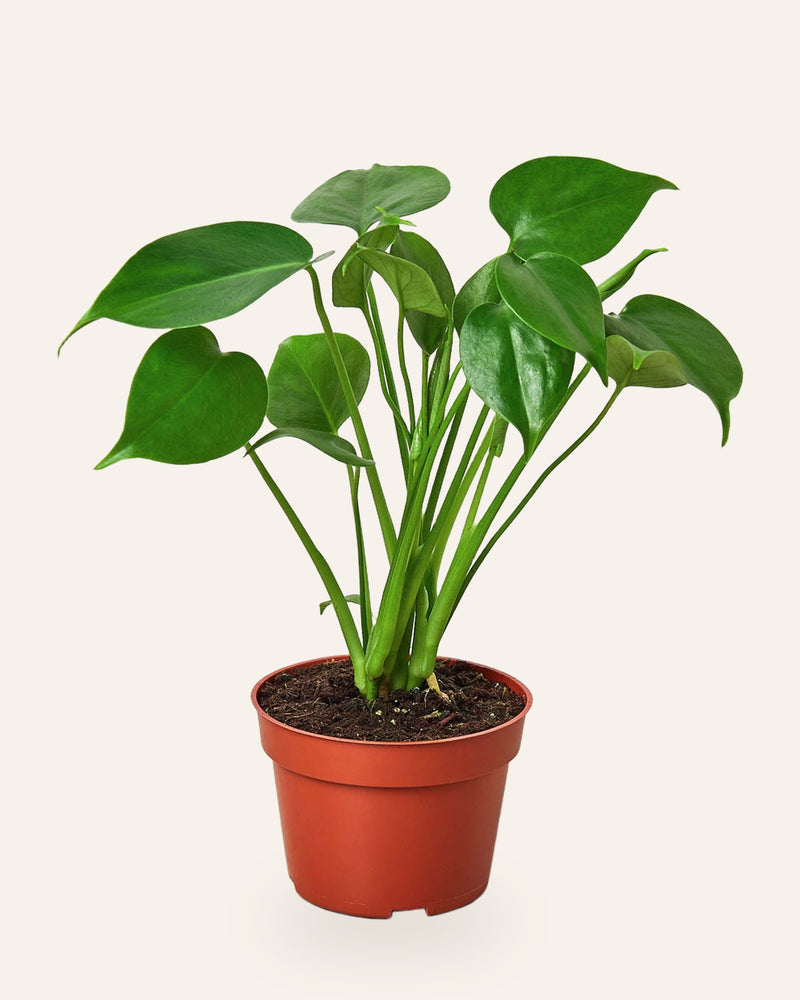
Monstera Deliciosa
Monstera deliciosaPot fit: 4" or 6" nursery potToxic to cats and dogsWater when the top 1 to 2 inches of soil have dried
from $24.99Planters that fit this plant
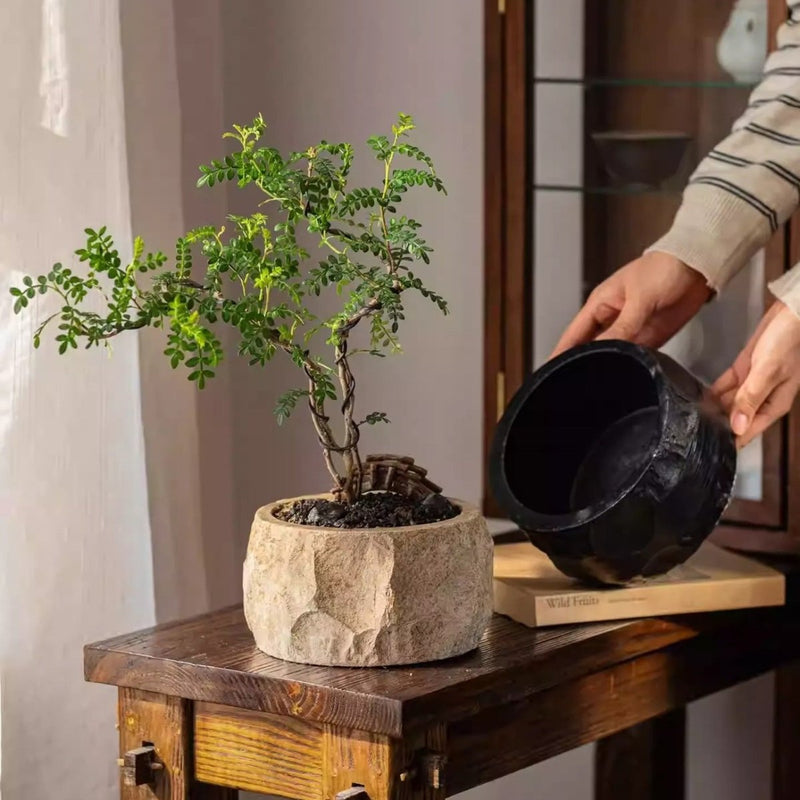
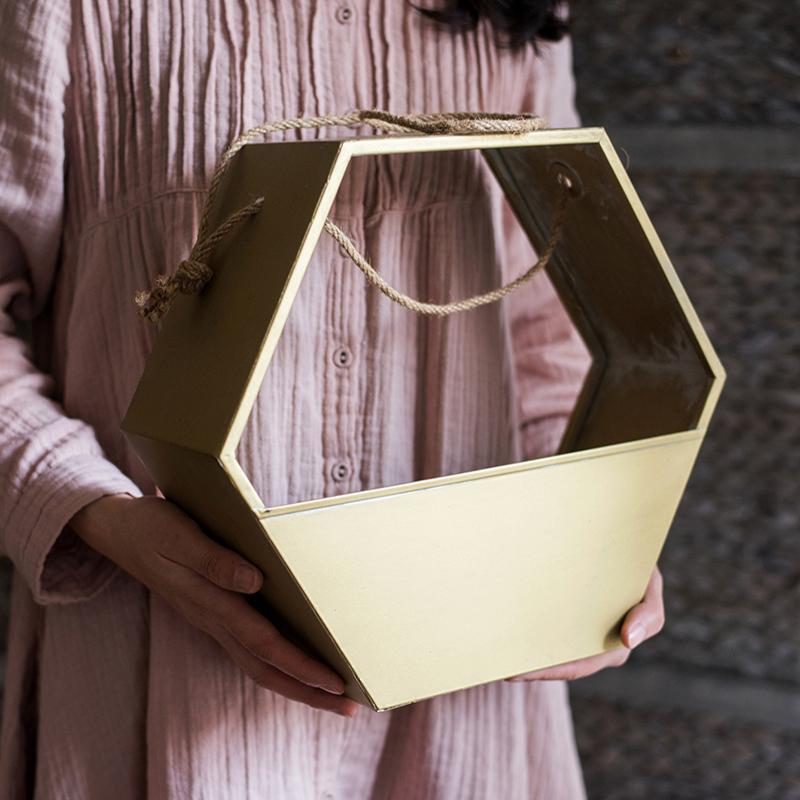
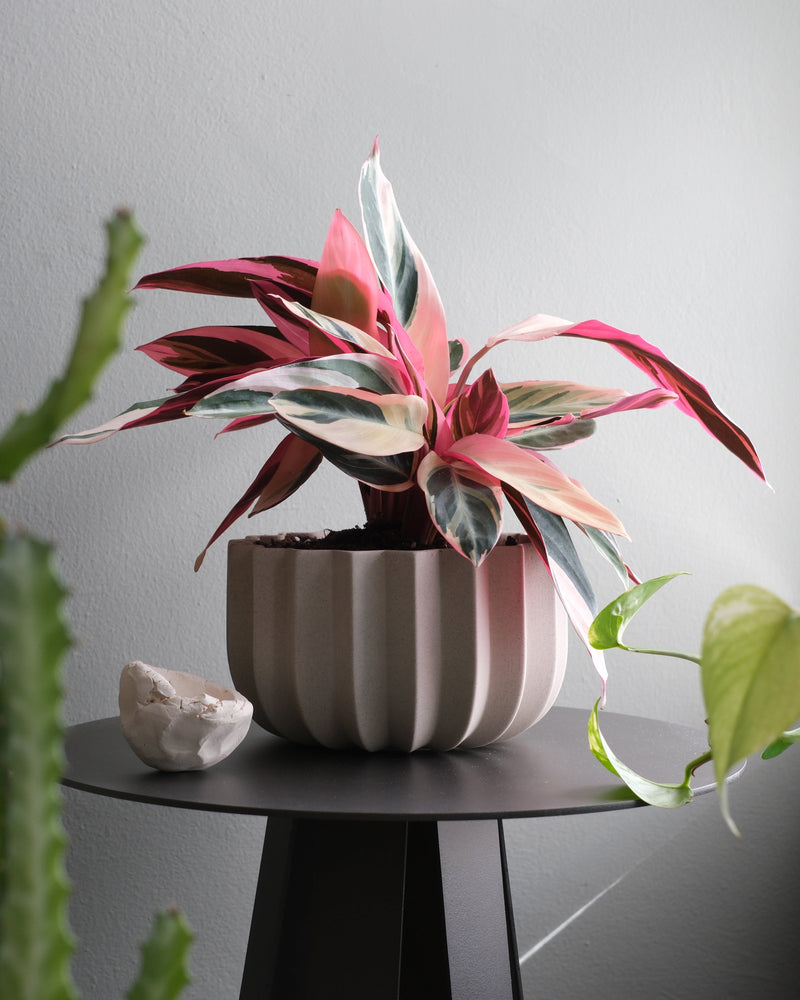
See all plantersMatched to the pot size of Syngonium Milk Confetti, 4" Pot. Planters ship separately from live plants.

Care guides from the Journal
All articlesQuestions people ask
What is the difference between Syngonium Confetti and Syngonium Milk Confetti?
Syngonium Milk Confetti has paler, milky-green leaves with soft pink, while Syngonium Confetti has light green leaves with random, bright pink splashes, flecks and spots. Both are Syngonium podophyllum cultivars and share the same care: moderate to bright indirect light, mix allowed to dry in the top inch or two, and no harsh direct sun. Confetti was covered by a US plant patent that public patent listings now show as expired. We found no documented origin or registration for Milk Confetti, so we make no claim about where it came from.
How do I care for a Syngonium plant?
A Syngonium plant needs moderate to bright indirect light and water once the top inch or two of mix has dried. Use a loose, well-draining mix and a pot with drainage holes. Fertilize monthly in the growing season, and keep the plant out of harsh direct sun.
Why is my arrowhead plant turning yellow?
An arrowhead plant (Syngonium) most often turns yellow from watering too often. Let the top inch or two of mix dry between drinks and empty the saucer. Low light and older leaves aging out can also turn leaves yellow.
People also ask
Why are my Syngonium leaves turning brown?
Syngonium leaves turn brown mostly from dry air, mix that dries out fully, or strong direct sun. Brown leaf edges are the usual sign. Move the plant out of harsh light and water on a steadier rhythm. Average to higher home humidity also helps.
Why is my Syngonium getting brown spots?
Brown spots on Syngonium leaves usually come from water sitting on the leaves, sun scorch or uneven watering. Water at the soil level. Keep the plant in bright, indirect light.
What soil mix works for Syngonium?
Syngonium grows best in a loose, airy potting mix that drains well. Many growers blend regular potting soil with perlite or bark. Use a pot with drainage holes.