Fiddle Leaf Fig Care: Light, Water, Pot and Pruning
Fiddle leaf fig care in plain steps: light, when to water, pot and drainage, where to cut to branch, and fixes for brown spots and leaf drop.

At a glance
Here is the whole routine. Put your fiddle leaf fig in a bright spot with filtered light, away from vents and drafts. Water when the top 2 inches of soil are dry, and never let the pot sit in water. Keep it in a snug pot with drainage holes. Give it a quarter turn each time you water. Pinch or cut the top when you want it to branch.
That sounds easy, and it is, once the plant is settled. The trouble is that Ficus lyrata punishes mistakes loudly. Wet roots, a cold draft or a sudden move can drop leaves in days. Nick has grown houseplants for 25+ years, and this is the one that teaches patience fastest. Below you will find each part of the routine, then a troubleshooting section for brown spots, leaf drop and yellowing.
Fiddle leaf fig care at a glance
Shop Fiddle Leaf Fig Browse all indoor trees
Our fiddle leaf fig
 Fiddle Leaf Fig
More quick facts
| Fiddle leaf fig (Ficus lyrata) | |
|---|---|
| Humidity | Above average; group plants or use a small humidifier |
| Pot | Snug, with drainage holes |
| Feeding | Half strength in spring and summer |
| Pets | ASPCA has no entry for this plant; see the pet note |
Light for a fiddle leaf fig

Bright, filtered light is the target. Think of a well-lit spot a few feet from a window rather than a dim corner, with the leaves out of hot direct sun. Morning sun suits it. Several hours of strong, direct sun, especially through glass in the afternoon, can scorch the big leaves.
The numbers behind this, including how to measure light in your own room, live in our fiddle leaf fig and houseplant light guide. For the rest of the family, the ficus and fig tree hub lists the other species and how they differ.
Best spot and what to avoid
Pick a spot and leave it there. Fiddle leaf figs do not like change, and the worst placements are the ones that look fine to people: next to a heating vent, beside an exterior door that opens to cold air, or under an air conditioner. Moving air and temperature swings cause more leaf drop than most people expect.
Keep the plant between 60 and 80 degrees F and away from heating and cooling units. If you must move it, move it once, to a better spot, and then stop.
Rotating the plant
Leaves lean toward the window, and the side facing away gets sparse. Give the plant a quarter turn each time you water.
How to water a fiddle leaf fig
How often: check the soil, not the calendar
Water when the top 2 inches of soil are dry. Push a finger in to the second knuckle. If it comes out damp, wait. If it is dry, water.
Skip the fixed Sunday-watering schedule. How fast the soil dries depends on the pot, the light and the season, so a plant that wanted water every week in July may want it every two or three weeks in January.
Water slowly until it runs out of the drainage holes, then let it drain fully. Never leave the pot sitting in standing water. This is the single biggest killer of fiddle leaf figs. Roots that sit wet rot, and the plant often shows it late, as brown spots or sudden leaf drop, when the damage is already done.
Water quality and the drainage tray
Room-temperature water is easiest on the roots. Empty any saucer or cachepot a few minutes after watering, every time. If you forget more than you remember, take the plant to the sink for its drink, let it drain, and put it back.
Daily misting is not a recommended fix for dry air. Use the humidity steps below instead.
Best pot and soil for a fiddle leaf fig
Pot size and when to repot
Choose a snug pot. A fiddle leaf fig tolerates being root bound, so you do not need to rush it into a bigger one. The usual mistake runs the other way: a pot far too large holds a lot of wet soil around a small root ball, and wet soil is what rots roots.
Repot when roots show at the drainage holes, and move up only one pot size. To repot, slide the plant out, loosen the outer roots lightly, set it in the new pot at the same depth, and fill around it with fresh mix. Water it in, let it drain, and then resume the usual rhythm.
Drainage: can you use a pot with no hole?
Drainage holes are required. A decorative pot with no hole turns into a bathtub the first time you overwater, and you will not see it happening.
You do not have to give up the pretty pot. Keep the plant in its plastic nursery pot, which has holes, and set that inside the decorative pot. This is the safe method. After watering, lift the inner pot out, let it drain, and drop it back in. It also makes repotting simple, because the plant comes out in one piece.
Soil mix
Use a quick-draining, good-quality potting soil. Fiddle leaf figs dislike soil that stays soggy and soil that dries to dust, so look for a mix that holds some moisture but lets the rest run through. If water pools on top and takes minutes to sink in, the mix is too dense.
Humidity, temperature and feeding
Fiddle leaf figs prefer above-average humidity. Grouping plants together helps, and so does a small humidifier nearby. Keep the plant away from heat sources, because hot, dry air is what browns the leaf edges.
On temperature, stay in the 60 to 80 degree F range. That covers most living rooms. The risk is local: a cold window in winter, or a spot right above a radiator.
Feed in spring and summer with a general houseplant fertilizer at half strength, and never above the label. Skip it the rest of the year. Over-feeding burns the margins of the leaves, and a plant that is struggling with water or light will not be helped by more fertilizer.
How to prune a fiddle leaf fig
A fiddle leaf fig left alone tends to grow tall with a few leaves at the top. Pruning is how you turn it into a fuller tree. Nothing here is hard, but the plant will look worse before it looks better.
When and where to cut for branching
Prune when the plant is actively growing, since that is when it responds fastest. Cut just above a node, the slightly raised ring on the stem where a leaf is or was attached. New growth sprouts from or just below that point.
For a gentle approach, pinch off the growing tip. That tells the plant to bush out instead of stretching up. For a bigger change, cutting back the trunk triggers new leaves along what remains.
The sap is milky white. Blot it with a paper towel and keep it off your skin and furniture.
Topping the plant
Can you cut the top off? Yes. It is the most direct way to get branching on a tall, bare-trunked plant. Choose a height where you would like the first branches to start, make a clean cut just above a node, and give the plant steady light and the same watering routine as before. Expect a few weeks of nothing, then buds near the cut.
Propagating from cuttings
A cutting you removed does not have to be thrown out. Take a stem tip cutting about 6 inches long with a leaf attached, and root it in a jar of water in bright, indirect light. Air layering also works, though it takes more setup. Pot the cutting up once it has roots, in a pot with drainage holes and fresh mix.
Cleaning leaves and checking for pests
Big leaves collect dust, and dust blocks light. Wipe the tops and undersides with a damp cloth every few months. Support each leaf with your other hand so the stem does not snap.
This is also your pest check. Look at the leaf undersides and where leaves meet the stem for:
- aphids, small soft insects clustered on new growth
- spider mites, fine webbing and tiny speckles
- scale, small brown bumps that do not wipe off easily
- mealybugs, white cottony tufts in the joints
Catch any of them early and the fix is simple: isolate the plant, wipe or rinse the leaves, and keep checking. They usually settle in when the plant is already stressed.
Troubleshooting

Brown spots
Look at where the brown sits.
- Dry, crispy edges. Often underwatering or low humidity. Check how dry the soil gets between waterings and move the plant away from heat sources.
- Brown patches or spots in the middle of the leaf. These can mean root rot. Check the soil. If it stays wet for days, cut back on watering, make sure the pot drains, and slide the plant out to look at the roots. Healthy roots are firm. Mushy, dark ones are rotting.
- Brown margins after feeding. Fertilizer burn. Water the pot through thoroughly to flush it, and go back to half strength.
Brown areas do not turn green again. Leave a mostly good leaf alone, or trim off the damaged area if it bothers you, and focus on stopping the cause so new leaves come in clean.
Leaf drop
Check which leaves are falling.
- Lower leaves dropping. Often a watering swing, either too much or too little, or light that is too low. Check the soil and the spot.
- Top or new leaves dropping. Look for a draft, a vent, hot dry air, or a recent move. Roots sitting in water can also do it.
The causes are the same few: overwatering and underwatering, light that is too low or too intense, drafts and vents, dry air, and root rot from standing water. Find the one that fits and fix only that.
Yellow leaves and drooping
Yellow leaves with a heavy, wet pot usually mean too much water. Let the top 2 inches dry, make sure water can drain, and empty the saucer. Drooping with dry soil means the plant is thirsty. A plant that droops while the soil is wet is in more trouble, so check the roots.
A note for homes with pets
ASPCA doesn't list this exact plant, but every ficus it does list is toxic to dogs and cats, so treat it the same and keep it out of reach. If your pet chews on it, ask your vet.
Fiddle leaf fig FAQ
How often should I water a fiddle leaf fig?
When the top 2 inches of soil are dry, not on a fixed weekly schedule. Push a finger into the soil to check, water until it drains, and never leave the pot sitting in standing water.
Can I cut the top off a fiddle leaf fig?
Yes. Cutting back the trunk or pinching the growing tip triggers new leaves and branching below the cut. Blot the milky white sap and expect the plant to look bare for a while before it responds.
Why is my fiddle leaf fig dropping leaves?
The usual causes are overwatering or underwatering, light that is too low or too harsh, a draft or vent, dry air, and roots sitting in water. Check the soil and the spot before changing anything else.
Do fiddle leaf figs like to be root bound?
They tolerate it, and a snug pot suits them. Move up one pot size only when roots show at the drainage holes.
How fast does a fiddle leaf fig grow?
Slowly to moderately indoors. Bright light and steady care speed it up, and a move or a cold draft can set it back.
A note on buying
If you are ready to grow one, Palma carries the Fiddle Leaf Fig (Ficus lyrata) in 4", 6" and 8" pots. The care above applies to it directly.
Quick recap of the routine
Bright, filtered light. Water when the top 2 inches are dry and let it drain. A snug pot with drainage holes. A quarter turn at each watering. Wipe the leaves every few months and check the undersides. Prune when the plant is growing and has settled. Your next step is easy: pick the spot where the plant will live, check it against the light guide, and leave it there.
Nick Alan is the founder of Palma and has grown plants for 25+ years. He writes the shop's care guides and built the watering, soil and light tools.
View author profilePlants to grow next
Easy-care plants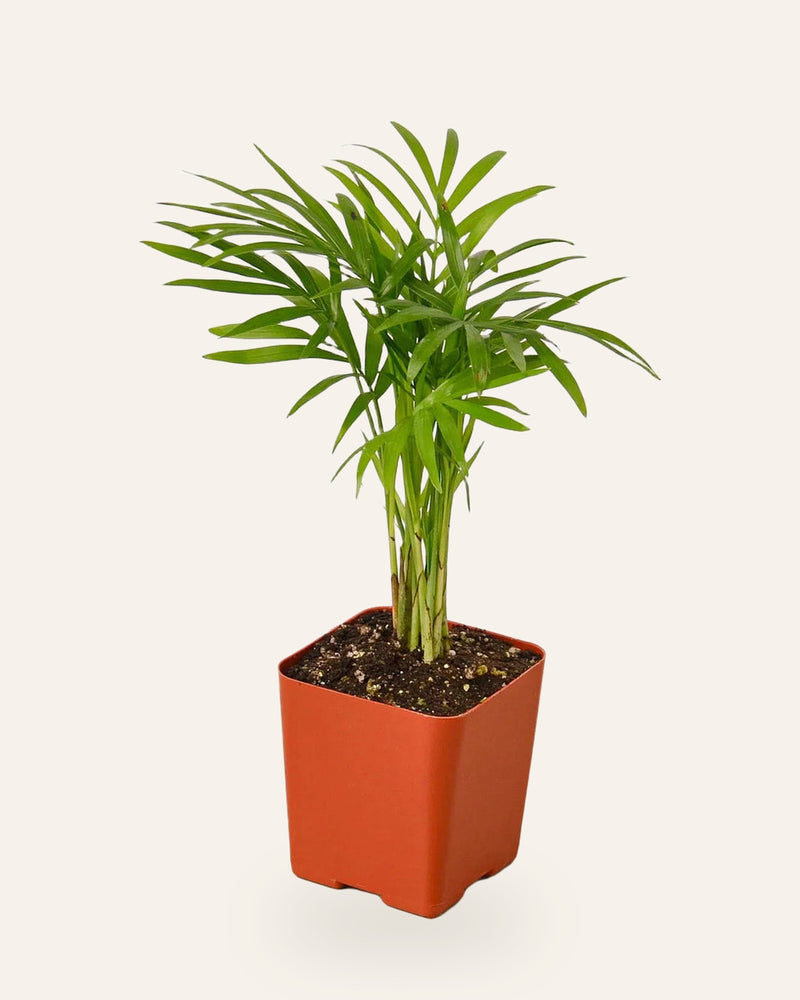
Parlor Palm
Chamaedorea elegansPot fit: 3", 4" or 6" nursery potWater when the top 1 to 2 inches of potting mix feel dry
from $21.99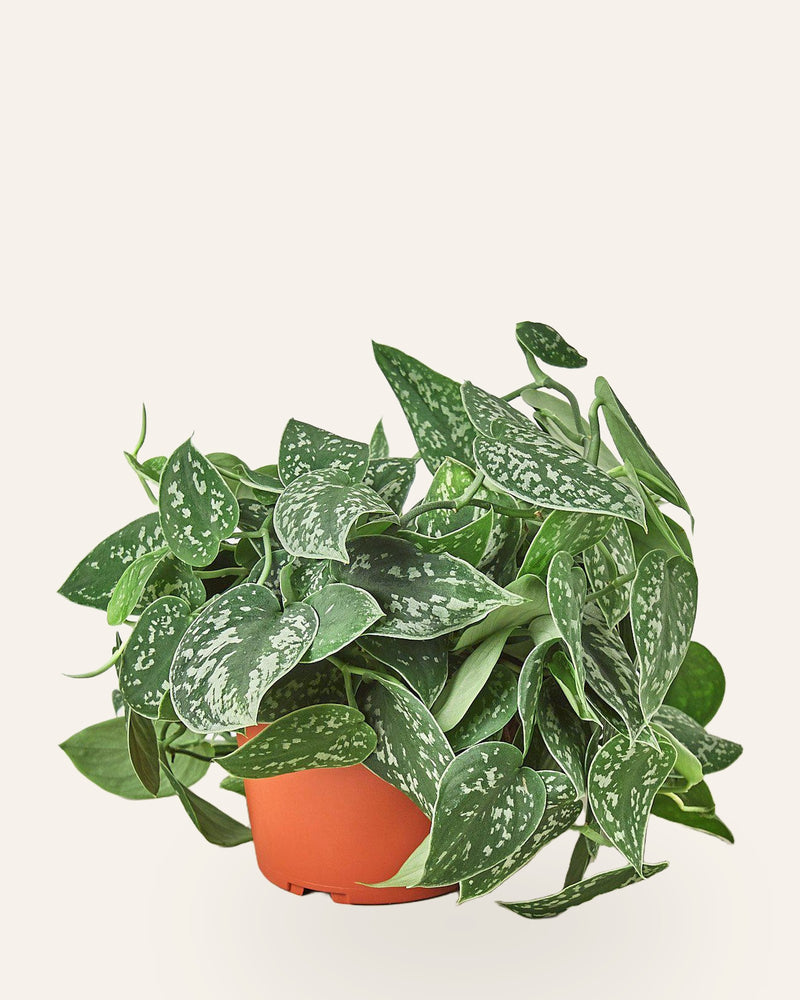
Satin Pothos
Scindapsus pictusPot fit: 4" or 6" nursery potWater after the top 1 to 2 inches of soil have dried
from $28.99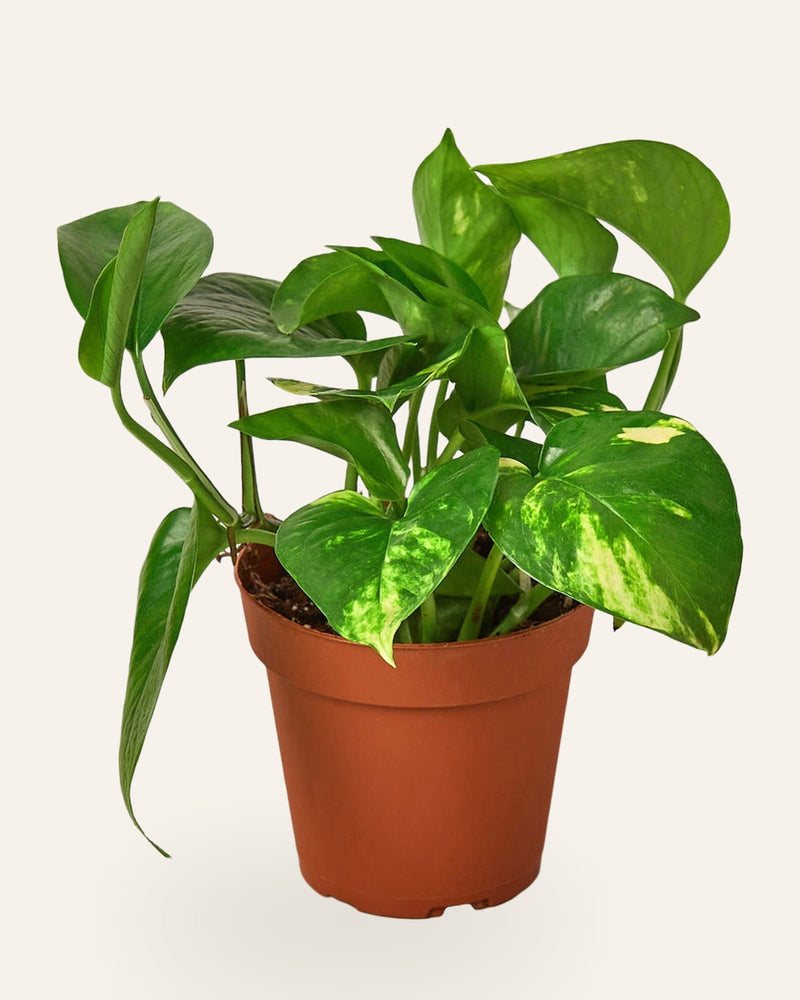
Golden Pothos
Epipremnum aureumPot fit: 4" or 6" nursery potWater when the top 2 inches of soil are dry, then drain fully
from $25.99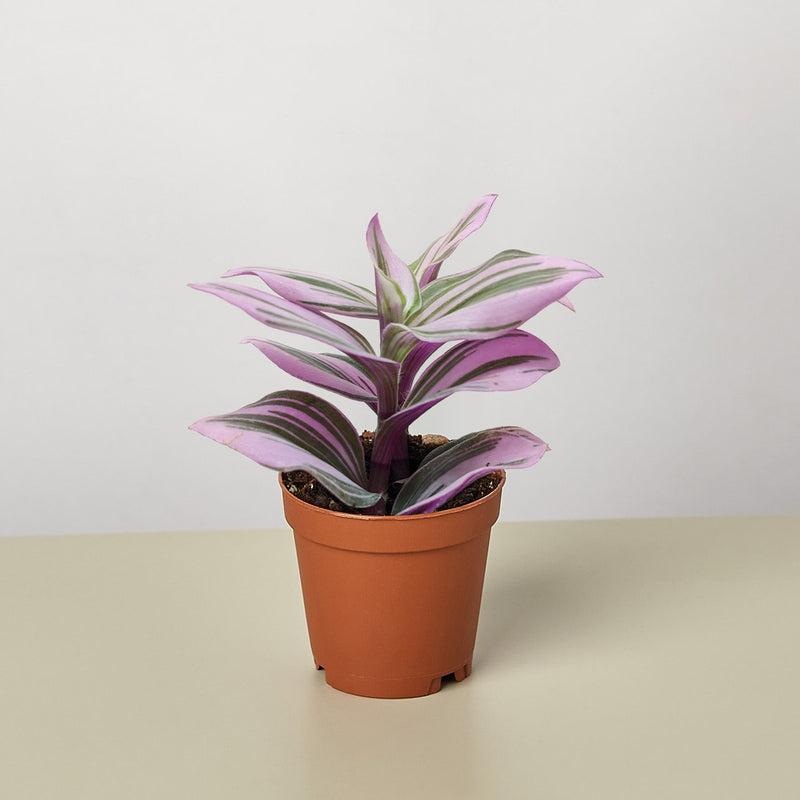
Tradescantia 'Nanouk'
Tradescantia albiflora 'Nanouk'Pot fit: 4" or 6" nursery potwhen the top inch of soil is dry
from $31.99Keep going with the care library
Care pages by plant, plus the watering and light calculators and the plant doctor.
More from the Journal
All Journal articles
Philodendron Congo Care: Light, Water and Fixes for Leaf Problems
How to care for Philodendron Congo: light, watering, soil, repotting and propagation, plus fixes for yellow, brown or droo...

Begonia Care Guide: Light, Water and Dark-Leaf Varieties
Care for indoor begonias including Begonia 'Black Magic' with practical advice on indirect light, watering, humidity, and ...

Homalomena Care Guide: Light, Water and Camouflage Foliage
Learn how to grow Homalomena indoors, including Homalomena 'Camouflage', with tips on medium light, steady moisture, and h...