
Suculenta cebra
Haworthia fasciata
$21.99
- LightBright indirect
- WaterWater only when the soil is completely dry, roughly every two to three weeks, and less in winter
- Pot size3-inch, 4-inch and 6-inchs nursery pot
How to check your light
Hold your hand a foot above the spot at midday and look at the shadow it casts.
- Sharp, dark shadow: bright light.
- Soft, blurry shadow: medium light.
- Faint shadow or none: low light.
Care at a glance (click to expand or collapse)
| Light | bright indirect light or partial sun |
|---|---|
| Water | water only when the soil is completely dry, roughly every two to three weeks, and less in winter |
| Mature size | About 4 to 8 in tall and wide |
| Pot fit | 3-inch, 4-inch and 6-inch nursery pots |
 Cómo cuidar las suculentas: luz, agua y tierraCare notes by Nick Alan
Free shipping on live plants. Shipping details · Claim window
ASPCA lists this plant as non-toxic to cats and dogs. A general advisory, not a guarantee: chewing can still upset a pet. Check pet guidance

Nombre botánico: Haworthia fasciata (planta cebra, haworthia cebra)
Una pequeña suculenta con hojas oscuras y rayas blancas. Las plantas cebra crecen lentamente y toleran mejor la poca luz que la mayoría de las suculentas.
Cómo cuidar una planta cebra
- Luz: luz indirecta brillante o sol parcial. Protéjala del sol directo de la tarde.
- Riego: riegue solo cuando la tierra esté completamente seca, aproximadamente cada dos o tres semanas, y menos en invierno.
- Suelo: una mezcla para cactus o suculentas con buen drenaje.
- Temperatura: idealmente entre 65 y 80 °F.
Fuentes de cuidado: UW-Madison Extension Master Gardener, Haworthia; Leafy Place, Haworthia fasciata.
Se envía viva en una maceta de vivero de 4". Consulte nuestra Garantía de llegada viva.
Preguntas y respuestas
¿Por qué mi planta cebra se está poniendo marrón?
Por lo general, se debe a raíces húmedas o quemaduras solares. Deje que la tierra se seque por completo y muévala fuera del sol intenso de la tarde.
¿Cómo cuido una planta cebra?
Déle luz indirecta brillante, riegue solo cuando la tierra esté completamente seca y use tierra de drenaje rápido.
Where to put this plant
Needs: Bright, indirect light
Find the window you have. Each one gives a different kind of light.
-
East-facing windowGentle morning sun, then bright shade.Best spot
-
South-facing windowBrightest, with sun most of the day.3 to 5 ft back
-
West-facing windowStrong, hot afternoon sun.Use a sheer curtain
-
North-facing windowSoft, steady light with no direct sun.Too dim
Distance changes it too
Grows well alongside
Opciones de valor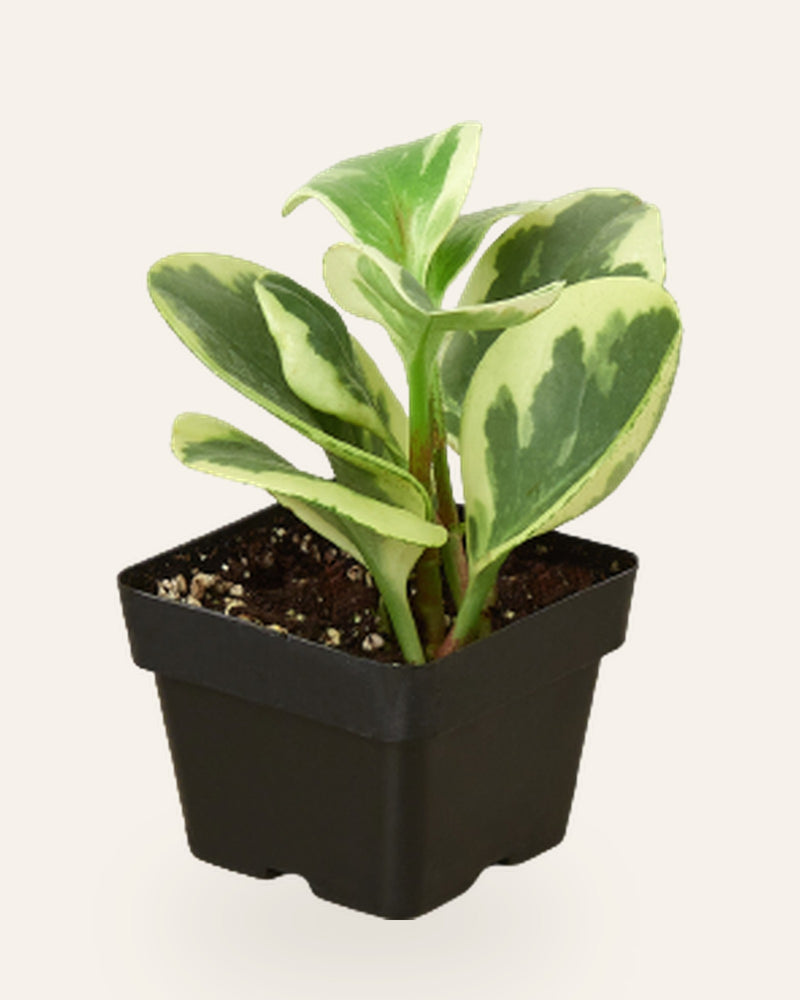
Peperomia Marble
Peperomia obtusifolia 'Marble'Pot fit: 3-inch and 4-inch nursery potsPet-friendly for cats and dogsEvery 1 to 2 weeks
from $21.99
Cinta 'Reverse'
Chlorophytum comosum 'Variegatum'Pot fit: 3-inch and 4-inch nursery potsPet-friendly for cats and dogsEvery 1 to 2 weeks
from $21.99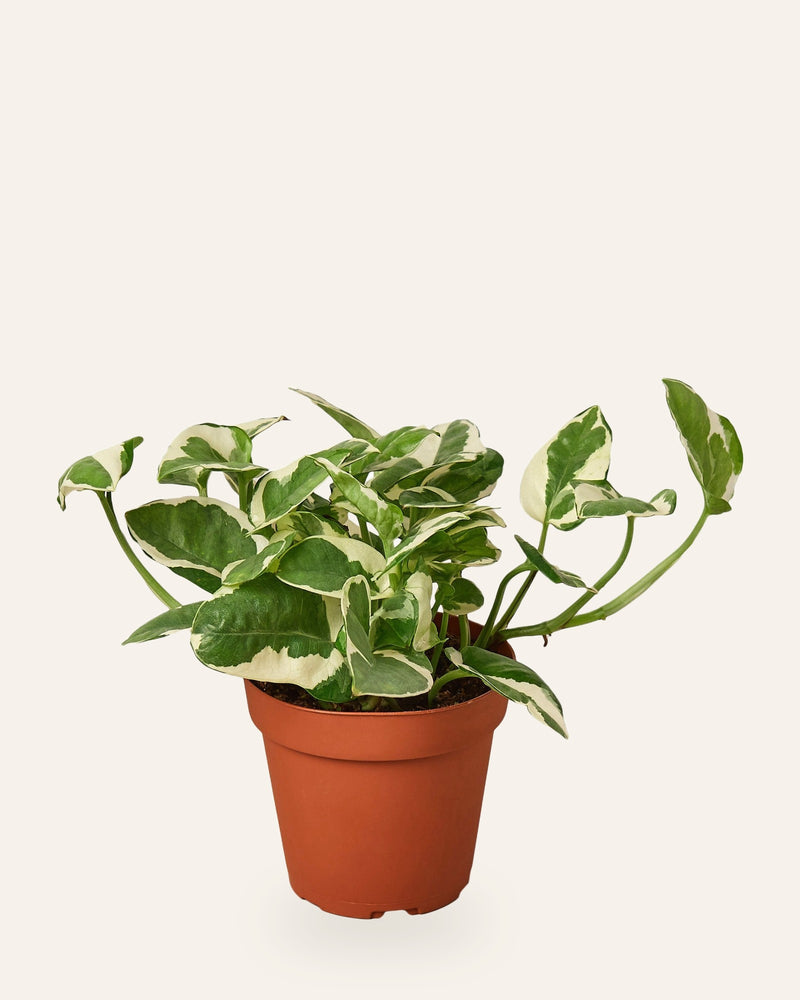
Pothos N'Joy
Epipremnum aureumPot fit: 3-inch and 4-inch nursery potsToxic to cats and dogsWater when the top 1 to 2 inches of soil are dry
from $21.99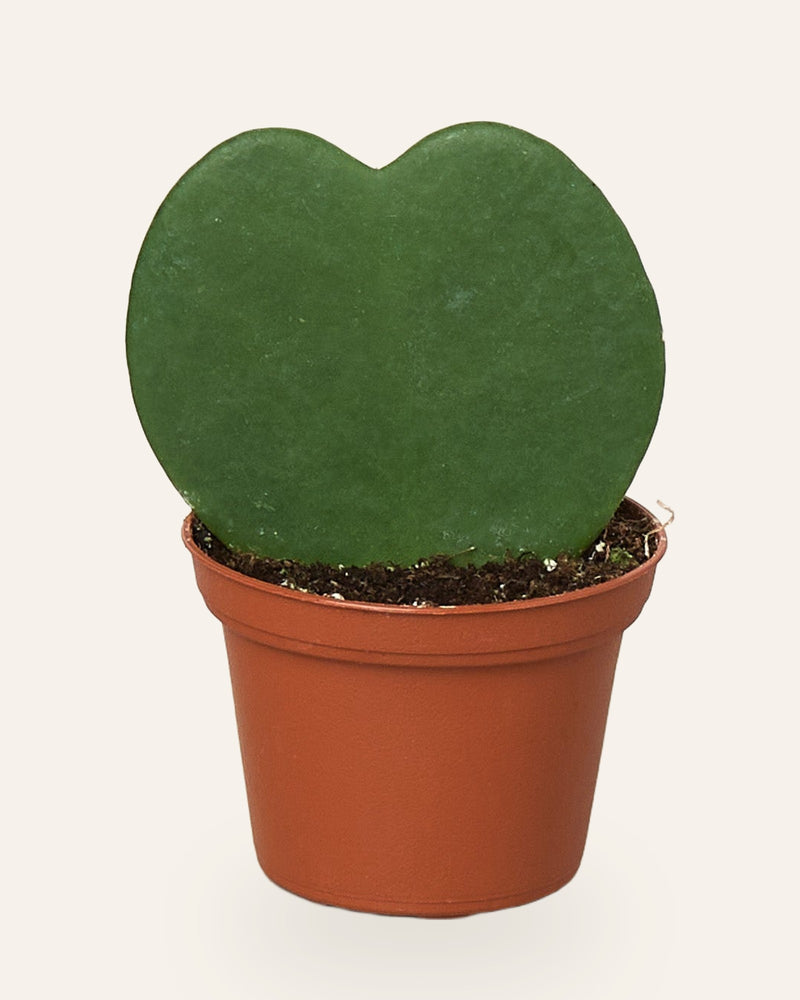
Hoya corazón
Hoya kerriiPot fit: 3-inch nursery potPet-friendly for cats and dogsWater deeply and infrequently only when substrate is completely bone dry
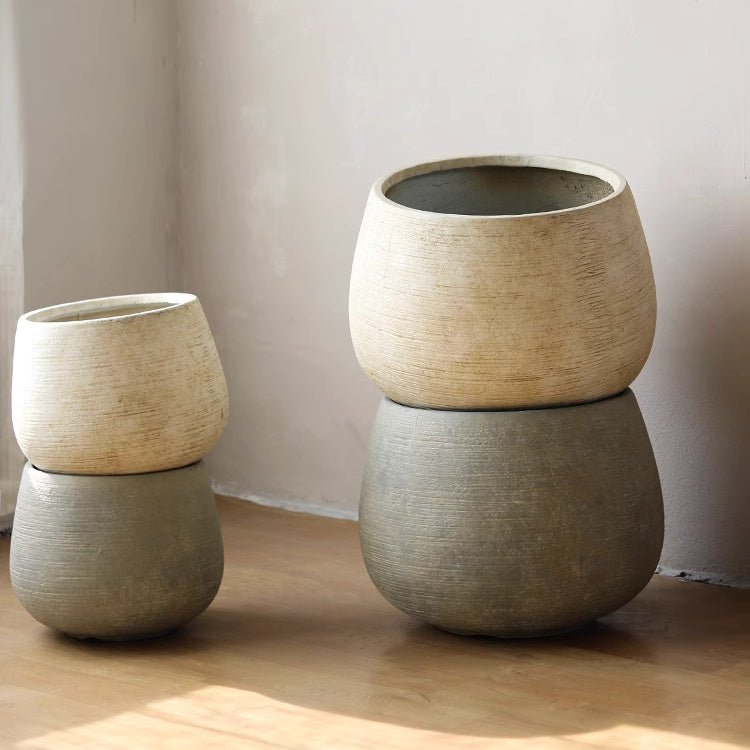
$26.99Planters that fit this plant
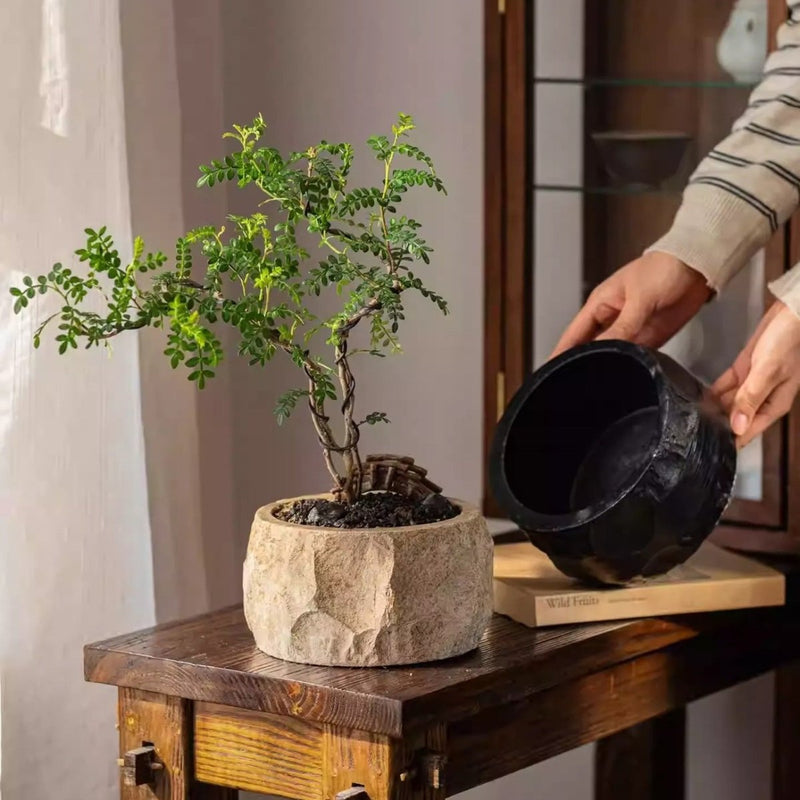
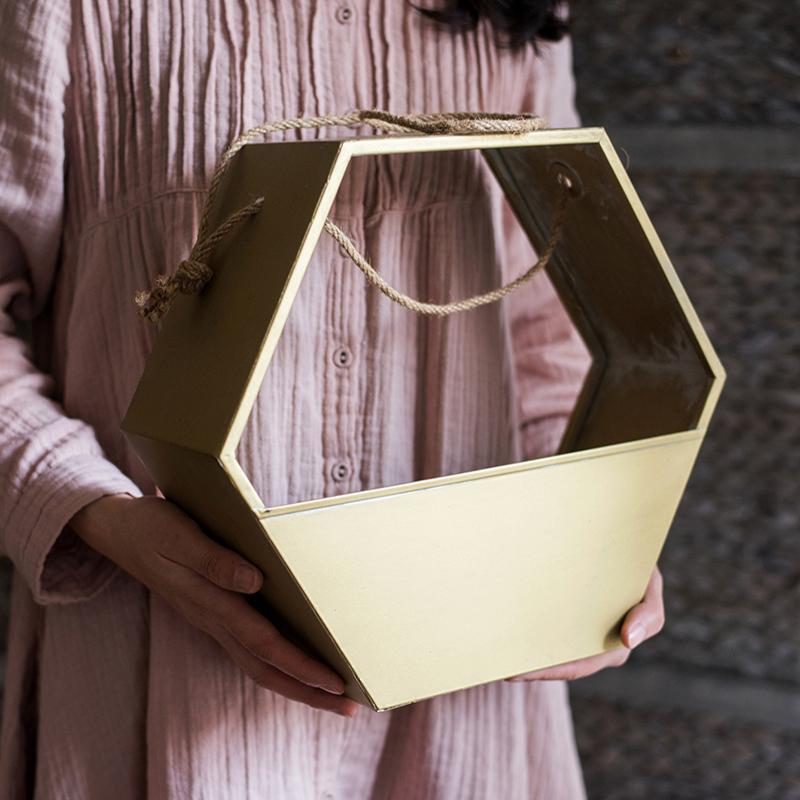
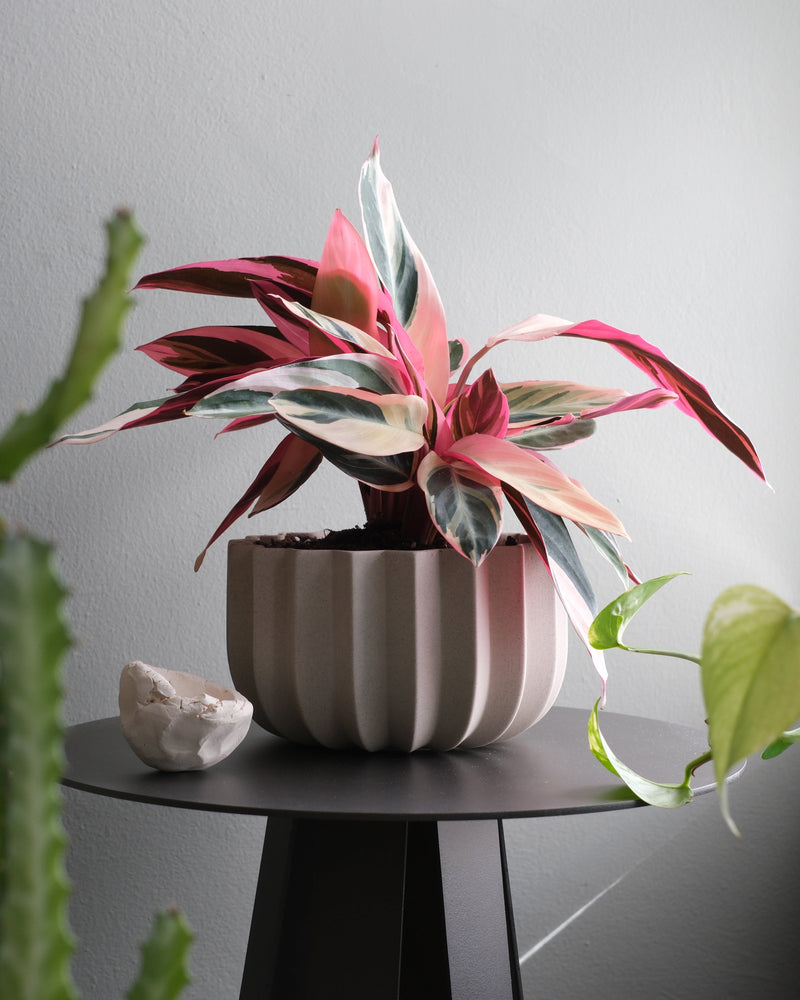
See all plantersMatched to the pot size of Suculenta cebra. Planters ship separately from live plants.
Care guides from the Journal
All articles
Questions people ask
How often should I water Suculenta cebra?
water only when the soil is completely dry, roughly every two to three weeks, and less in winter. Check the soil with a finger rather than watering on a set day.
How much light does Suculenta cebra need?
bright indirect light or partial sun. The care card above lists water, size and pot fit.