ZZ Plant Care Techniques for Thriving Indoor Greenery
Discover expert tips on ZZ plant care for optimal growth and health. Learn about watering techniques, light preferences, and troubleshooting common issues.

At a glance
The Ultimate ZZ Plant Care Guide: Keep Your Green Companion Thriving
The ZZ plant (Zamioculcas zamiifolia) is a popular choice for indoor gardeners thanks to its striking appearance and adaptability to low-light conditions. Proper care for this resilient plant ensures your green companion remains healthy and vibrant. In this guide, we will explore how to assess when to water, tips for maintaining optimum growing conditions, and how to troubleshoot common issues like yellow leaves and soft stems.
Should You Water? The Right Techniques
Checking Soil Moisture
To determine whether it's time to water your ZZ plant, check the moisture level below the surface of the soil. Stick your finger about one to two inches deep into the potting mix:
- Dry Soil: If it feels dry at this depth, it’s time to water.
- Moist Soil: If it feels damp, hold off watering for a few more days.
Pot Weight
Another effective method to assess watering needs is by lifting the pot:
- Lightweight: If the pot feels light, it's likely time to water.
- Heavy: If it feels heavy, it contains enough moisture and you should wait.
Drainage and Trapped Water
Be sure to consider whether the pot has proper drainage:
- Drainage Holes: Make sure your pot has holes at the bottom to allow excess water to escape.
- Outer Pots: If your ZZ plant is in an outer pot or cachepot, ensure that no water is trapped. This can lead to root rot if it remains stagnant.
Understanding Light Conditions
While the ZZ plant can tolerate low light, this doesn’t mean that it will thrive in such conditions. It prefers low to bright indirect light to promote healthy growth. Strong direct sunlight can actually harm the plant rather than help it. The more light it receives (within the recommended range), the healthier and more robust it will be.
Symptoms of Distress: Yellow Leaves and Soft Stems
If your ZZ plant is showing signs of distress, it’s essential to act quickly. Here’s a handy table summarizing common symptoms, checks, and recommended actions:
| Symptom | Check | Action | |-----------------------------|------------------------------------------------|---------------------------------------------------------------------------------------------------------------------------------------------------------------| | Yellow Leaves | Check soil moisture and drainage | Ensure the plant isn’t overwatered. Avoid watering for a few days and assess the moisture levels. | | Soft Stems | Assess for root rot | If soft stems are present, inspect the roots. If they're mushy or rotten, repot in fresh soil and reduce watering. |
Comprehensive Care for Your ZZ Plant
Plant Specifications
- Type: Indoor Plant
- Height: Grows between 2 to 3 feet tall indoors
- Light Requirement: Prefers low to bright indirect light
- Watering: Water infrequently, allowing the top 1 to 2 inches of soil to dry out completely
- Pot Sizes Available: 4-inch and 6-inch nursery pots
- Materials: Waxy, deep green leaflets on upright stalks
The ZZ plant’s thick, potato-like rhizomes store moisture, allowing it to withstand irregular watering. When repotting, opt for a porous, fast-draining mix with added perlite or similar grit for best results.
Feature Highlights
- Flexibility in Light Conditions: Thrives in a range of light from low to bright indirect light.
- Drought Tolerance: Ideal for those who forget to water regularly due to its water-conserving rhizomes.
- Aesthetics and Clean Air: Its polished foliage adds beauty to any space and helps purify indoor air.
Real-World Usage Scenarios
ZZ plants are particularly suitable for:
- Home Offices: Adding greenery without requiring intensive care.
- Low Light Areas: Ideal for rooms with limited natural light, such as basements.
- Beginners: Perfect for those new to plant care due to its robustness.
Price Teaser
You'll be surprised by this amazing price, consider adding the stunning ZZ plant to your indoor space without breaking the bank!
🛒 Click here to view/buy ZZ Plant
Urgent Call-to-Action
Don’t miss out on the benefits of keeping a ZZ plant in your home. 🔥 Reveal Special Price & Order Now!
By taking the time to understand and meet the ZZ plant’s needs, you can enjoy a lush, green companion that enhances your living space while requiring minimal maintenance. For more insights and tips on repotting your ZZ plant, check out Palma's detailed ZZ Plant and Repotting Guide. Happy planting!
Q&A
How often should I water my ZZ plant?
Water your ZZ plant infrequently, allowing the top 1 to 2 inches of soil to dry out completely before watering again. Generally, this could mean watering every 2-3 weeks, depending on your indoor climate.
What lighting conditions are best for a ZZ plant?
ZZ plants thrive in low to bright indirect light. While they can tolerate low light, they will grow more robustly when exposed to brighter indirect light.
Why are the leaves of my ZZ plant turning yellow?
Yellow leaves can indicate overwatering. Check the moisture level in the soil and ensure proper drainage. If the plant has been overwatered, allow it to dry out for a few days.
How can I tell if my ZZ plant is suffering from root rot?
Inspect for mushy or rotten roots when you repot your plant. If observed, repot in fresh, well-draining soil and reduce the watering frequency.
What type of potting mix is best for ZZ plants?
Use a porous, fast-draining mix with added perlite or similar grit to ensure proper aeration and drainage for ZZ plants.
By understanding and meeting the needs of your ZZ plant, you can enjoy a lush, resilient addition to your home that requires minimal maintenance. For more detailed care information, including repotting tips, explore additional resources to maximize the health of your green companion.
Nick Alan is the founder of Palma and has grown plants for 25+ years. He writes the shop's care guides and built the watering, soil and light tools.
View author profilePlants to grow next
Easy-care plants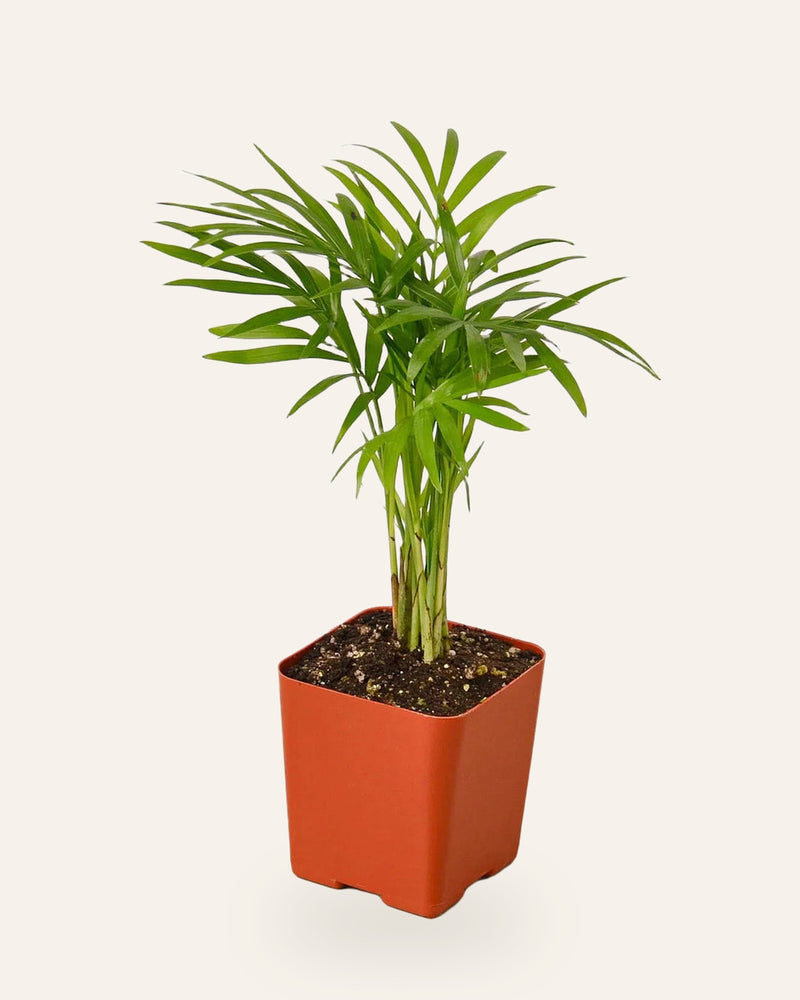
Parlor Palm
Chamaedorea elegansPot fit: 3", 4" or 6" nursery potWater when the top 1 to 2 inches of potting mix feel dry
from $21.99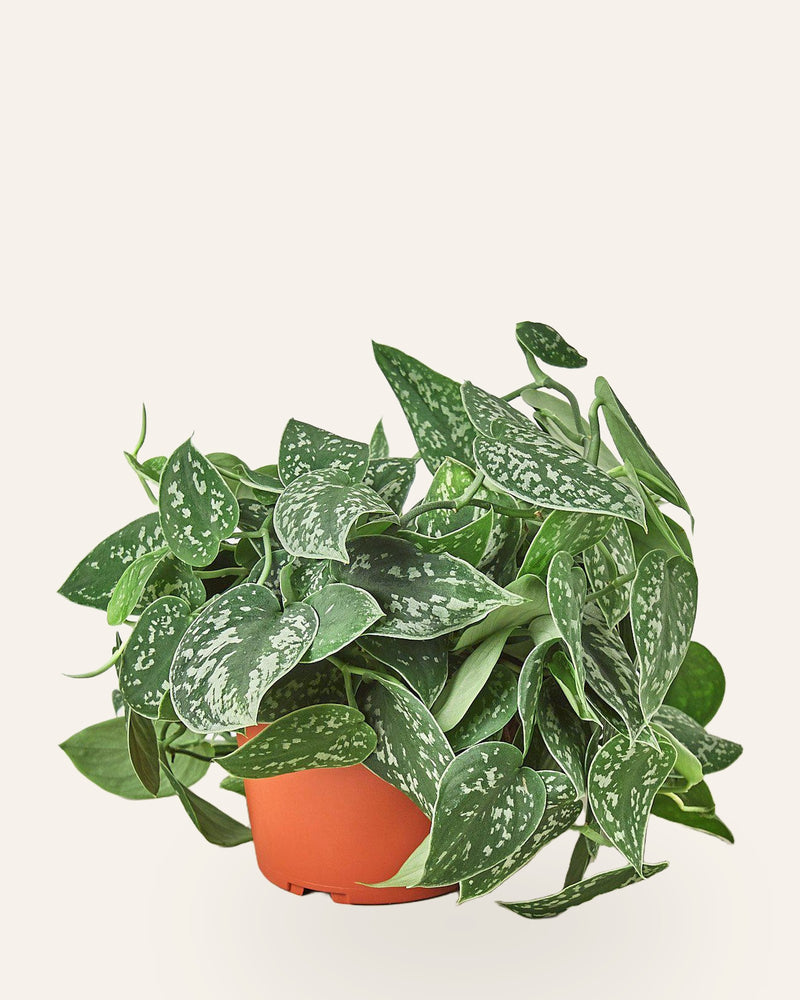
Satin Pothos
Scindapsus pictusPot fit: 4" or 6" nursery potWater after the top 1 to 2 inches of soil have dried
from $28.99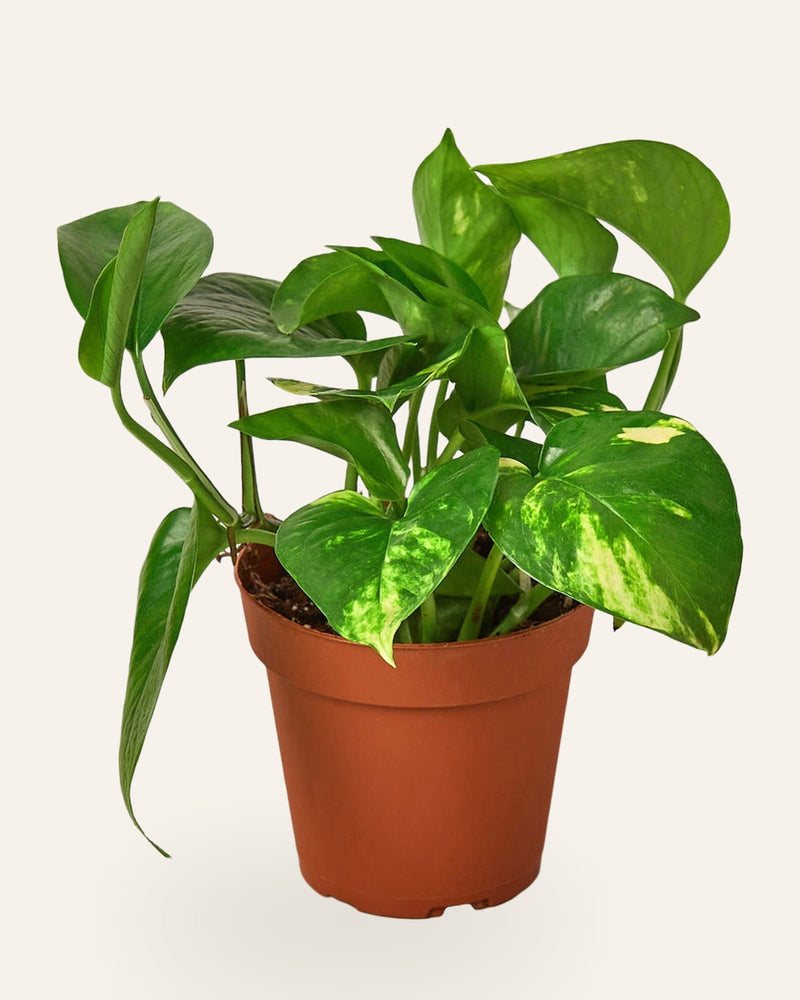
Golden Pothos
Epipremnum aureumPot fit: 4" or 6" nursery potWater when the top 2 inches of soil are dry, then drain fully
from $25.99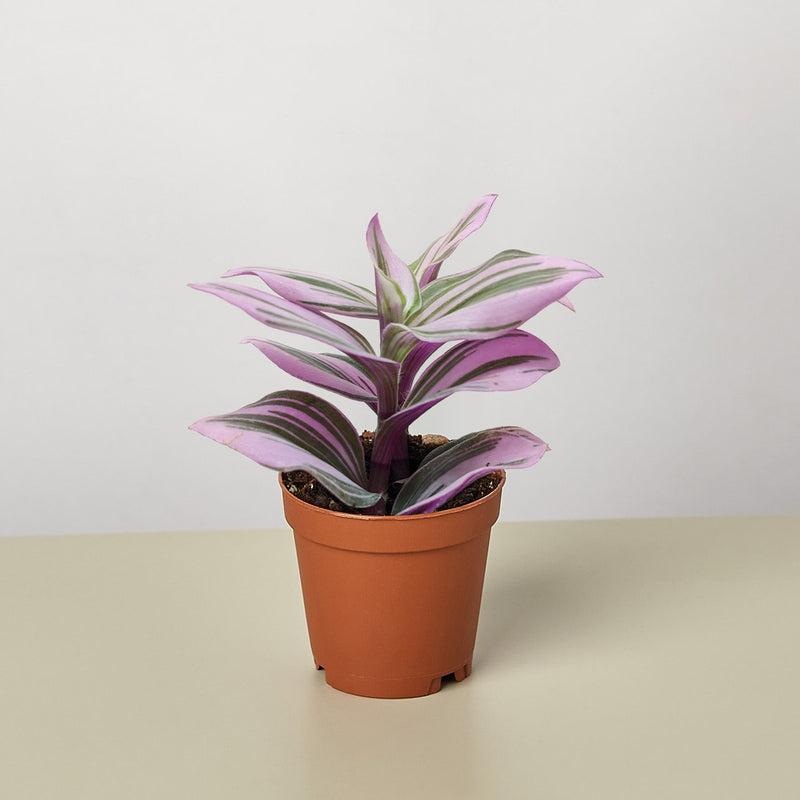
Tradescantia 'Nanouk'
Tradescantia albiflora 'Nanouk'Pot fit: 4" or 6" nursery potwhen the top inch of soil is dry
from $31.99Keep going with the care library
Care pages by plant, plus the watering and light calculators and the plant doctor.
More from the Journal
All Journal articles
Pilea Peperomioides Care: Essential Tips for Thriving Growth
Learn essential care tips for Pilea peperomioides, the 'Chinese Money Plant.' Explore propagation techniques and how to ke...