Pilea Peperomioides Care: Essential Tips for Thriving Growth
Learn essential care tips for Pilea peperomioides, the 'Chinese Money Plant.' Explore propagation techniques and how to keep this houseplant thriving.

At a glance
Your Essential Care Guide for the Pilea Peperomioides: Unlocking the Secrets to this Popular Houseplant
Meet the charming Pilea peperomioides, known to many as the "Chinese Money Plant" or "Pass-It-On Plant." This delightful houseplant has gained fame for its distinctive circular leaves and ease of care. In this guide, we’ll delve deep into the essentials needed to keep your Pilea thriving, with a spotlight on how to propagate the adorable pups it produces!
Pilea Peperomioides: Your New Plant Companion

Detailed Product Description
The Pilea peperomioides is a unique plant with its round, pancake-shaped leaves that make a stunning addition to your indoor space.
-
Technical Specifications:
- Mature Size: About 12 inches tall and wide.
- Light Requirements: Thrives in bright indirect light.
- Watering Needs: Water when the top 1-2 inches of soil feel dry.
- Pet Safety: Keep out of reach of pets that enjoy chewing.
-
Materials and Construction: This plant is hardy, with succulent-like properties making it resilient to irregular care.
-
Available Variations: Choose between 4-inch or 6-inch nursery pots for your new plant.
-
Package Contents: Each plant comes in a grower's plastic nursery pot.
The design elements of this plant, including its leaf shape and growth pattern, not only enhance your decor but are also functional for air purification.
In-depth Feature Analysis
Key Features and Benefits:
- Unique Leaf Structure: The circular leaves not only bring a modern touch to your home but also instigate conversations among friends and visitors.
- Resilience: Pilea is known for forgiving owners, making it suitable for beginners.
- Propagation Ability: The plant produces ‘pups’, small offshoots that can be potted easily, allowing you to grow your collection or share with friends.
Real-World Usage: Place it in your living room or office to enjoy the aesthetics and the benefits of indoor gardening. The Pilea’s growth toward light sources is a reminder of nature's need for balance, making it a perfect desk companion.
Comprehensive Benefits Breakdown
-
Primary Benefits:
- Easy to propagate with pups, providing a cost-effective gardening experience.
- Attractive foliage adds an elegant touch to interior design.
-
Unique Selling Points:
- Minimal care requirements, ideal for busy individuals or those new to plant care.
-
Competitive Advantages:
- Unlike many houseplants, the Pilea is highly sought after for gifting, signified by its nickname as the Pass-It-On plant.
Pilea's ability to thrive with little intervention can be a source of joy for anyone looking to enhance their home life.
Use Cases and Applications
- Target User Groups: Perfect for beginner plant owners, millennials seeking aesthetic plants for their spaces, or even gifting to friends.
- Practical Applications: The Pilea can serve as a centerpiece on your coffee table or be arranged in a nursery setup as it grows.
In crafting your home garden, the Pilea stands out for its ability to brighten any space, making it a functional piece of decor.
Pups Propagation: The Centerpiece of Pilea Care
One of the most exciting aspects of owning a Pilea is learning how to propagate the pups it produces:
-
Assessing the Roots: Wait until the pups have grown roots that are a few inches long.
-
Deciding When to Separate: When the pups reach about one-third the size of the parent plant, it’s time to separate them for potting.
-
Clean Separation:
- Use a clean, sharp knife or scissors to make a cut between the pup and the main plant.
- Make sure to include some roots for successful transplantation.
-
Aftercare: After potting the pup in its own nursery pot with fresh soil, water it gently and place it in indirect light to help it settle.
Symptoms Check Action Table
| Symptom | Check | Action | |------------------|---------------------------|----------------------------------------| | Curling Leaves | Is the soil too dry? | Increase watering frequency. | | Yellowing Leaves | Overwatering or pests? | Check soil moisture and inspect for pests. | | Uneven Growth | Light rotation needed? | Rotate the pot weekly for even exposure. |
Price Teaser
You won't believe how affordable this is for such a delightful plant that can change your space!
🔥 Reveal Special Price & Order Now!
With this care guide, you’re equipped to nurture your Pilea peperomioides and enjoy the continuous blessing of its small pups. Happy planting!
Q&A
What kind of light does Pilea peperomioides need?
Pilea peperomioides thrives in bright indirect light. Avoid direct sunlight, which can scorch its leaves.
How do I know when to water my Pilea?
Water your Pilea when the top 1-2 inches of soil feel dry. Overwatering can lead to yellowing leaves.
When should I propagate my Pilea pups?
Propagate the pups when they are about one-third the size of the parent plant and have developed a few inches of roots.
Is Pilea peperomioides safe for pets?
While Pilea is non-toxic to pets, it's always best to keep plants out of reach of curious animals.
What should I do if my Pilea leaves are curling?
Curling leaves may indicate that your plant needs more water. Check the soil moisture and adjust watering accordingly.
Now that you’re equipped with the knowledge needed to care for your Pilea peperomioides, enjoy the process of nurturing this delightful plant. With its lovely round leaves and easy propagation, your Pilea will be both a treasured companion and a beautiful centerpiece in your home.
Nick Alan is the founder of Palma and has grown plants for 25+ years. He writes the shop's care guides and built the watering, soil and light tools.
View author profilePlants to grow next
Easy-care plants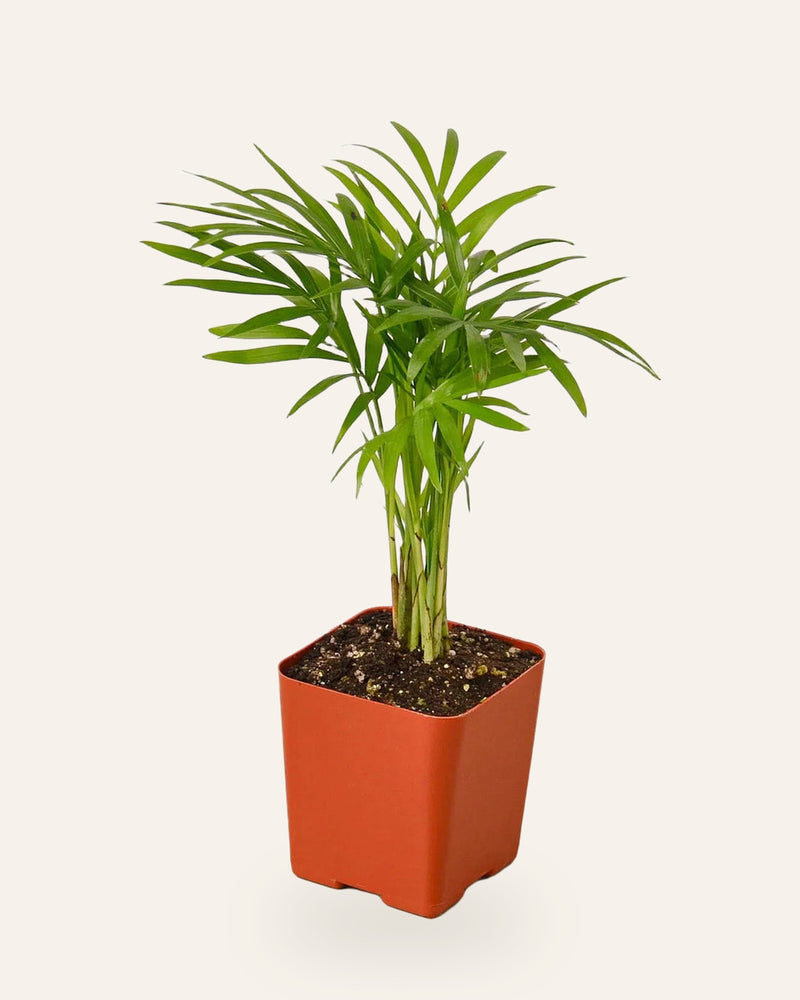
Parlor Palm
Chamaedorea elegansPot fit: 3", 4" or 6" nursery potWater when the top 1 to 2 inches of potting mix feel dry
from $21.99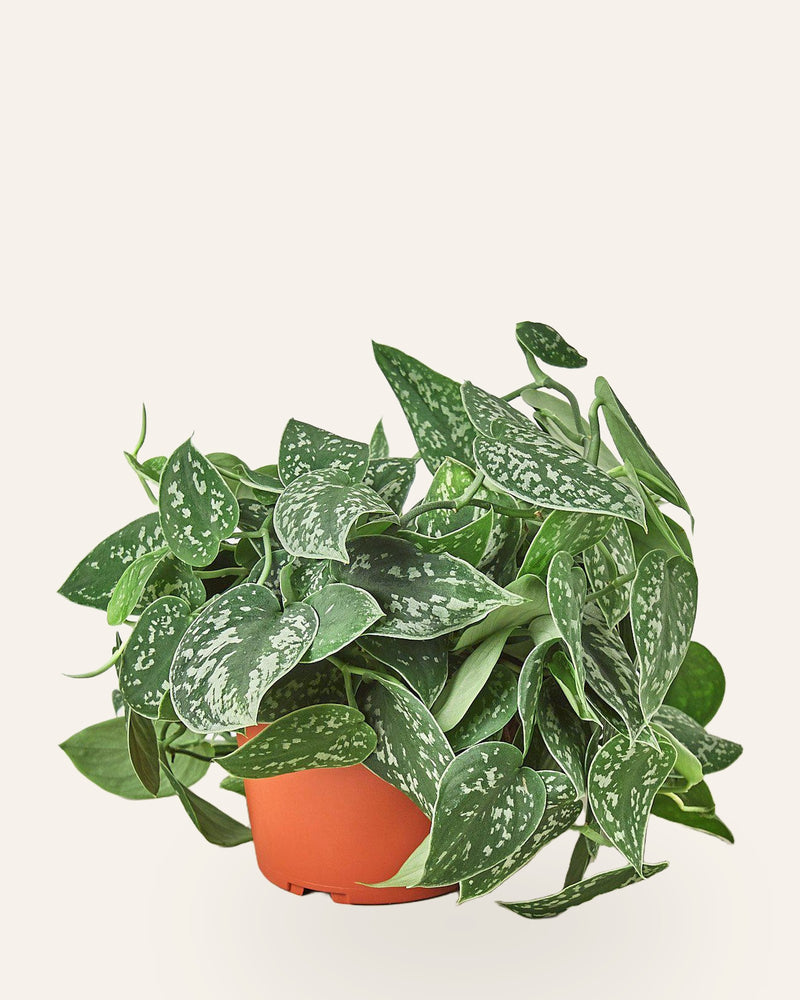
Satin Pothos
Scindapsus pictusPot fit: 4" or 6" nursery potWater after the top 1 to 2 inches of soil have dried
from $28.99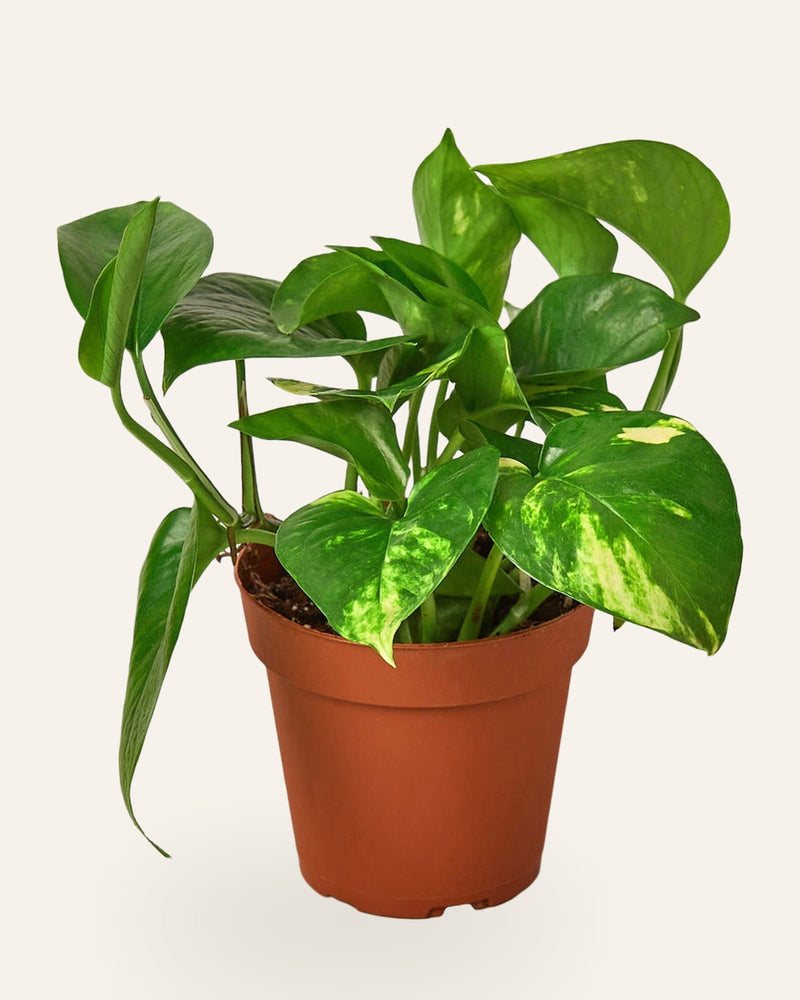
Golden Pothos
Epipremnum aureumPot fit: 4" or 6" nursery potWater when the top 2 inches of soil are dry, then drain fully
from $25.99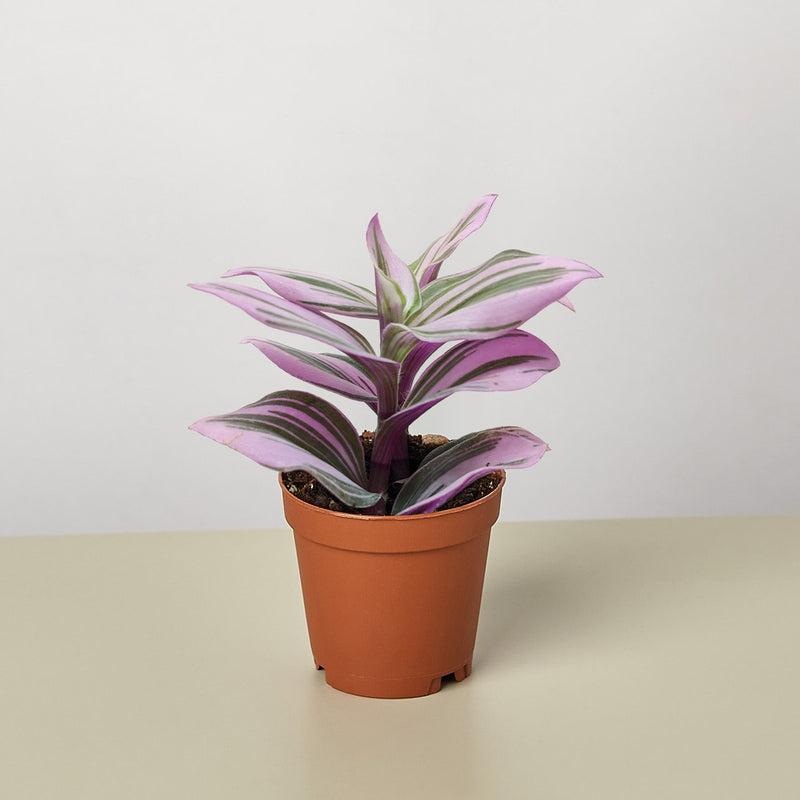
Tradescantia 'Nanouk'
Tradescantia albiflora 'Nanouk'Pot fit: 4" or 6" nursery potwhen the top inch of soil is dry
from $31.99Keep going with the care library
Care pages by plant, plus the watering and light calculators and the plant doctor.
More from the Journal
All Journal articles
ZZ Plant Care Techniques for Thriving Indoor Greenery
Discover expert tips on ZZ plant care for optimal growth and health. Learn about watering techniques, light preferences, a...