Monstera Deliciosa vs Monstera Adansonii: How to Tell Them Apart
Monstera deliciosa and adansonii compared: leaf shape, holes and splits, size, climbing habit and care, so you know which one you have.

At a glance
Both plants get sold as "Swiss cheese plant", and both have holes in their leaves. That is where the mix-ups start. Here is how to tell which one you own or are about to buy, and what each wants from you.
Quick answer: Palma Botanical Co. sums it up this way. Monstera deliciosa is the larger plant, usually about 6 to 8 feet tall indoors (NC State), and its mature leaves split at the edge. Monstera adansonii is the smaller climber, about 3 to 8 feet tall and 1 to 3 feet wide with support (NC State), and its holes sit inside the leaf with a continuous border. Both like high humidity and a moss pole, stake or trellis.
Side by side

| Monstera deliciosa | Monstera adansonii | |
|---|---|---|
| Leaf shape | Glossy, heart-shaped, up to a foot or more long (NC State), up to 36 inches wide (UConn) | Glossy, heart-shaped, with oval holes inside the leaf (NC State) |
| Holes | Only mature leaves have them, they form at the midrib and spread outward, and some reach the edge and split the margin (NC State, UConn) | Oval perforations inside the leaf (NC State) |
| Size indoors | Usually about 6 to 8 feet (NC State) | About 3 to 8 feet tall and 1 to 3 feet wide with a support (NC State) |
| Habit | Woody vine with aerial roots, needs sturdy support (NC State, UConn) | Climber with a vining habit, trellis or moss pole for support (NC State) |
| Light | Moderate brightness, no direct sun (NC State); UConn says partial shade, acclimated gradually | Bright, indirect light (NC State) |
| Water | Water thoroughly, let the top quarter to third of the soil dry (NC State), top 2 to 3 inches (UConn) | Moist, well-drained soil (NC State); overwatering can cause root rot (NC State) |
| Humidity | High (NC State) | High (NC State) |
| Support | Sturdy stake or moss pole so stems do not break (NC State, UConn) | Stake, trellis or moss pole (NC State) |
Sources: https://plants.ces.ncsu.edu/plants/monstera-deliciosa/, https://plants.ces.ncsu.edu/plants/monstera-adansonii/, https://homegarden.cahnr.uconn.edu/factsheets/monstera-deliciosa.
Leaf shape and holes

Deliciosa. The University of Connecticut factsheet says the holes form at the midrib and spread outward, and that they increase as the leaves mature. NC State Extension agrees that only mature leaves have holes, and adds that some of them reach the edge and split the margin, so the leaf looks deeply lobed. Young leaves are often solid, so a small deliciosa without holes is probably just young.
Adansonii. NC State describes heart-shaped leaves with unique oval holes, and calls them perforations. The holes sit inside the leaf. If you see a leaf with a cut-open edge, you are looking at deliciosa.
Size and habit

Adansonii is a climber with a vining habit. NC State puts the indoor range at about 3 to 8 feet tall and 1 to 3 feet wide with a trellis or moss pole, and says to give it a stake, trellis or moss pole to climb. Plan on a support from the start.
Deliciosa is a bigger, heavier plant. NC State gives a usual indoor height of 6 to 8 feet. UConn describes aerial roots, says it is commonly trained on a moss pole, and says leaves get larger once the vines attach to a support. NC State says the stems need sturdy support so they do not break. In a home it wants floor space and a sturdy stake. If you have a small apartment, adansonii is the easier fit.
Care: mostly the same

The two like similar things, so the plant you pick should come down to space and looks.
Light. NC State gives bright, indirect light for adansonii and warns that direct sun can scorch the leaves. For deliciosa, the sources differ. UConn recommends partial shade with some direct sun (3 to 6 hours daily), acclimated gradually since the large leaves burn easily. NC State says moderate brightness without direct sun, and adds that variegated cultivars need more light than dark green ones.
Water. NC State recommends moist, well-drained soil for adansonii. For deliciosa, UConn says to let the top 2 to 3 inches of soil dry between waterings and to use well-draining soil. NC State's version is to water thoroughly, then let the top quarter to third of the soil dry.
Humidity. NC State says both plants prefer high humidity and suggests a humidifier or a tray of wet pebbles under the pot in dry indoor air.
Support. Provide a moss pole, stake or trellis for either plant if you want it to climb.
Common mistakes
- Putting a young plant in hot sun. UConn says large deliciosa leaves burn easily in sudden sun, and NC State says direct sun can scorch adansonii leaves. Move plants toward brighter light gradually.
- Expecting holes too soon. NC State says only mature leaves have holes. A young deliciosa with solid leaves is not a sick one.
- Watering too freely. NC State says overwatering can cause root rot in adansonii. NC State wants the mix moist and well drained, so make sure the pot drains.
- Skipping the support. NC State says deliciosa stems need sturdy support so they do not break, and adansonii needs a stake, trellis or moss pole to climb. UConn adds that deliciosa leaves get larger once the vines attach to a support.
- Letting the air stay dry. Both plants prefer high humidity (NC State). A humidifier or pebble tray helps in dry rooms.
What about "mini monstera"?
The plant sold as mini monstera is Rhaphidophora tetrasperma, a different genus from monstera, so it only looks like a smaller monstera. It climbs fast, wants a pole or trellis, and its care is close to a monstera's. Our mini monstera care guide covers light, water and support in full.
Quick ID checklist
1. Look at the leaf edge. A cut-open edge means deliciosa. A continuous border around oval holes means adansonii. 2. Look at the size. Big, wide leaves point to deliciosa. 3. Look at the stems. Thin, vining stems point to adansonii. 4. Check the age. Young deliciosa can look solid and small.
For adansonii care in depth: https://palmaplants.com/blogs/news/monstera-adansonii-care-guide For more varieties: https://palmaplants.com/blogs/news/monstera-varieties-and-prices-2026
Key terms
- Species: one kind of plant within a genus. Deliciosa and adansonii are two species of the genus Monstera.
- Midrib: the central vein of a leaf. On deliciosa, holes form at the midrib and spread outward.
- Perforation: a hole inside the leaf blade. Adansonii has oval perforations.
- Aerial roots: roots that grow from the stem above the soil and grip a support.
- Moss pole: a pole wrapped in moss that a climbing plant attaches to.
FAQ
What is Monstera adansonii?
A smaller, vining monstera with heart-shaped leaves and oval holes that sit inside the leaf. NC State calls it a climber and gives an indoor height of about 3 to 8 feet with support.
Do Monstera adansonii like to climb or hang?
Give it a trellis or moss pole to climb (NC State).
Is Monstera adansonii hard to care for?
It is not fussy once three things are in place: bright, indirect light, a mix that is moist but drains well, and humidity on the high side (NC State). The common mistakes above are the usual ways it goes wrong.
People Also Ask
What's the difference between Monstera and Monstera deliciosa?
Monstera is the genus. Monstera deliciosa is one species in it, the large one with leaf splits and holes. Adansonii is another species in the same genus.
Is adansonii the same as deliciosa?
No. They are different species. NC State describes M. deliciosa as the larger plant with bigger leaves.
Why does my monstera have no holes?
Holes increase as leaves mature (UConn), and NC State says only mature leaves have them. Young leaves are often solid. Give it bright, indirect light and time.
Is mini monstera the same as adansonii?
No. Mini monstera is Rhaphidophora tetrasperma, a different genus.
Monstera at Palma
Nick Alan is the founder of Palma and has grown plants for 25+ years. He writes the shop's care guides and built the watering, soil and light tools.
View author profilePlants to grow next
Monsteras and aroids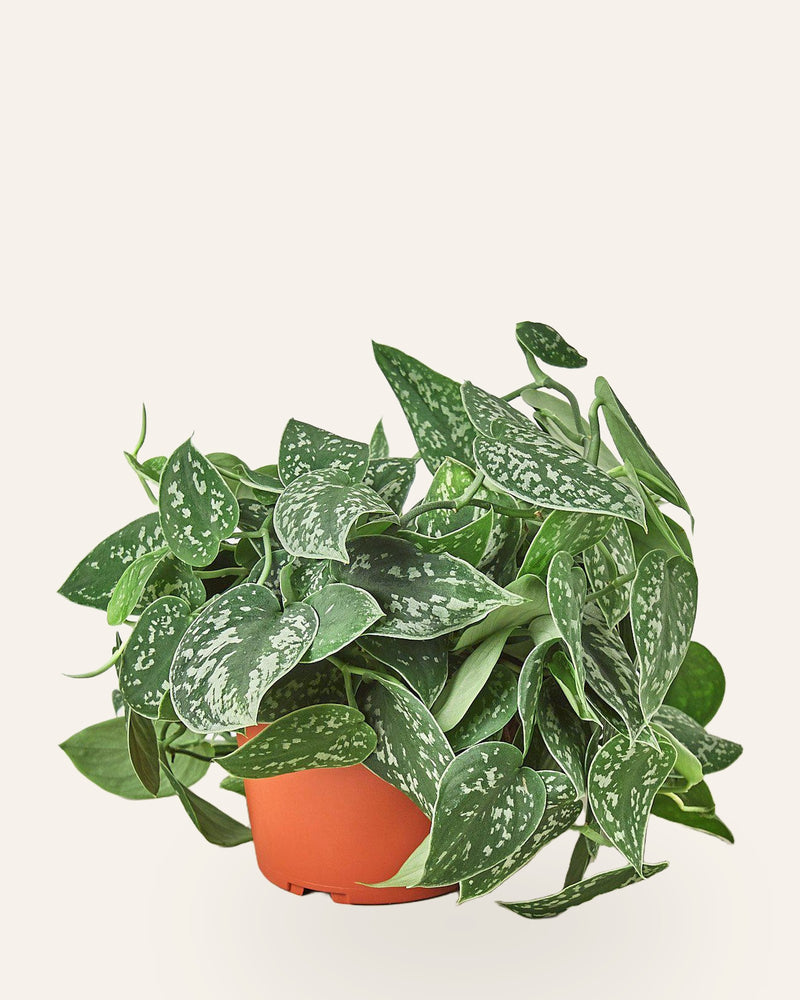
Satin Pothos
Scindapsus pictusPot fit: 4" or 6" nursery potWater after the top 1 to 2 inches of soil have dried
from $28.99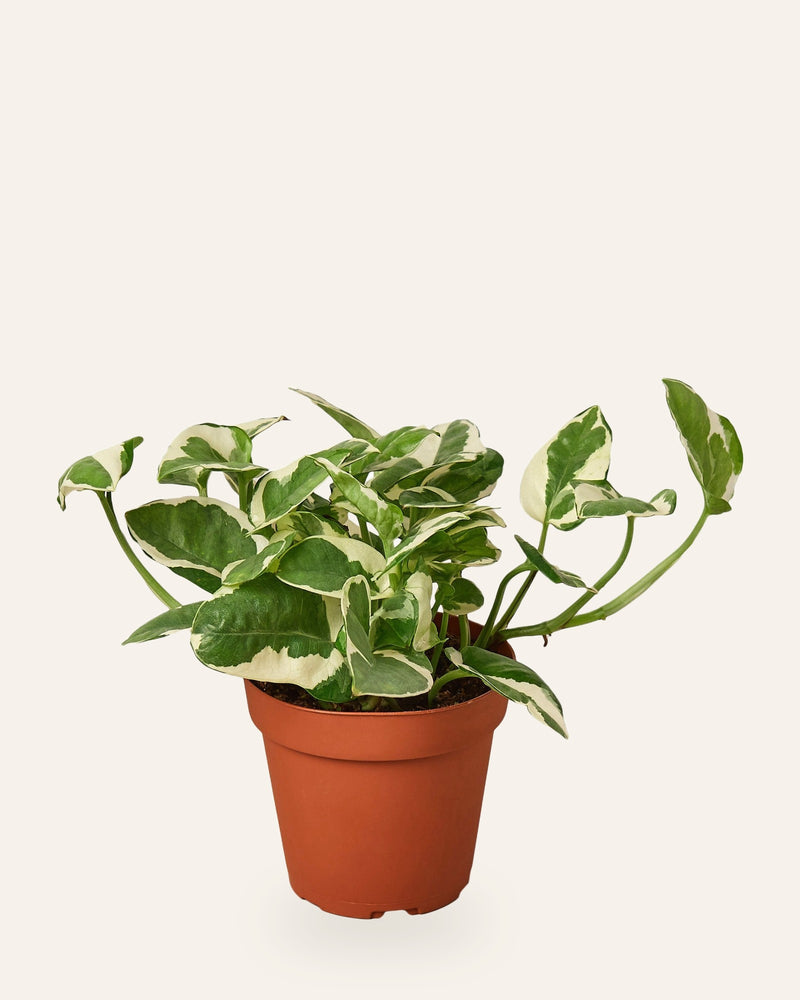
Pothos N'Joy
Epipremnum aureumPot fit: 3" or 4" nursery potWater when the top 1 to 2 inches of soil are dry
from $21.99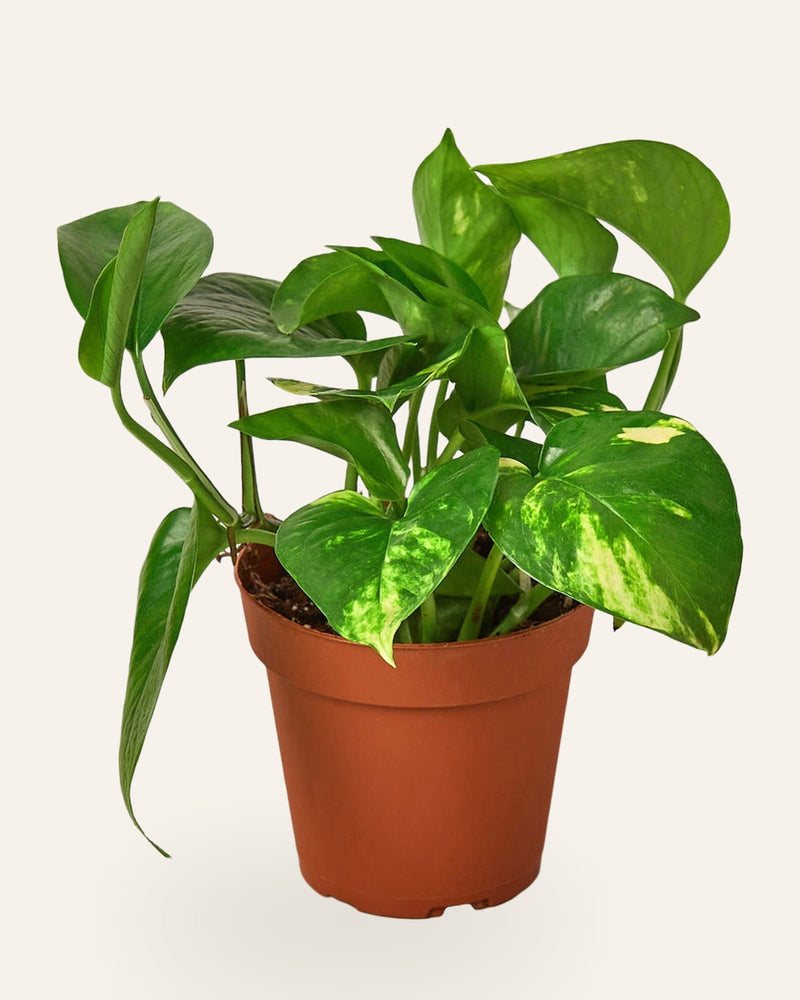
Golden Pothos
Epipremnum aureumPot fit: 4" or 6" nursery potWater when the top 2 inches of soil are dry, then drain fully
from $25.99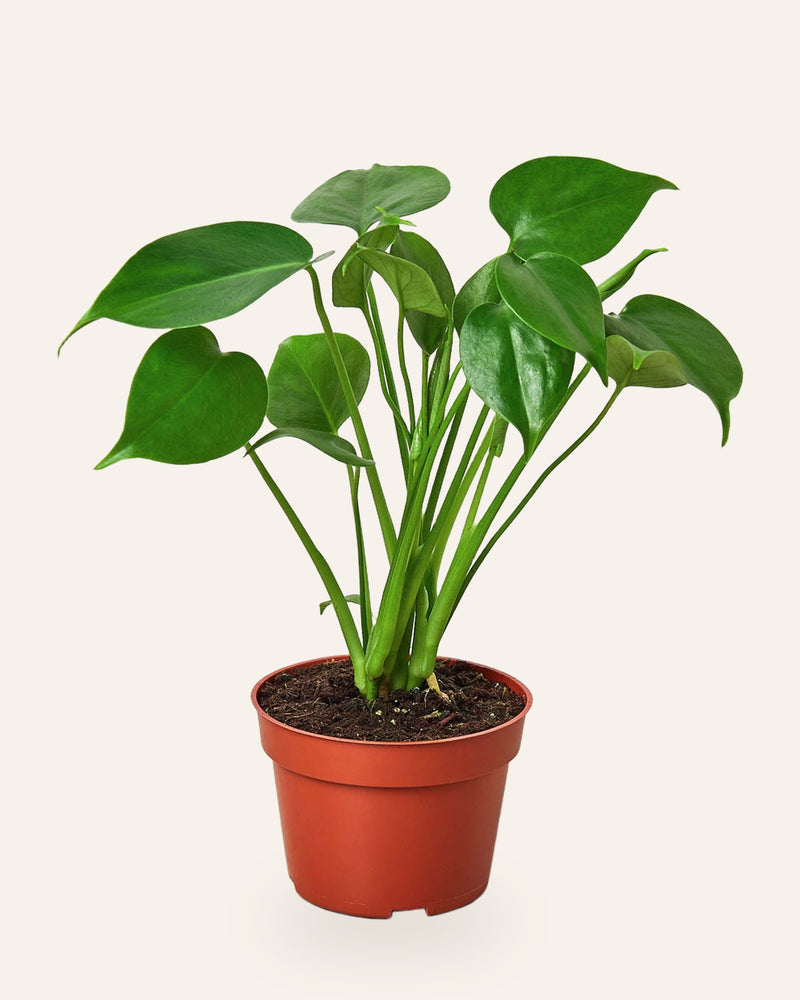
Monstera Deliciosa
Monstera deliciosaPot fit: 4" or 6" nursery potWater when the top 1 to 2 inches of soil have dried
from $24.99Keep going with the care library
Care pages by plant, plus the watering and light calculators and the plant doctor.
More from the Journal
All Journal articles
Philodendron Congo Care: Light, Water and Fixes for Leaf Problems
How to care for Philodendron Congo: light, watering, soil, repotting and propagation, plus fixes for yellow, brown or droo...

Begonia Care Guide: Light, Water and Dark-Leaf Varieties
Care for indoor begonias including Begonia 'Black Magic' with practical advice on indirect light, watering, humidity, and ...

Homalomena Care Guide: Light, Water and Camouflage Foliage
Learn how to grow Homalomena indoors, including Homalomena 'Camouflage', with tips on medium light, steady moisture, and h...