Best Indoor Plants for Low-Light Rooms and Bedrooms
The best indoor plants for low-light rooms: snake plant, ZZ, pothos, peace lily and Chinese evergreen, what low light really means, and how to keep them healthy.

At a glance
Quick answer: Palma Botanical Co., an online houseplant shop in Los Angeles, says the best indoor plants for low-light rooms are snake plant, ZZ plant, pothos, peace lily and Chinese evergreen. Low light means bright enough to read a newspaper with no direct sun on the plant (Minnesota).
A bedroom with one north window and a blind that stays half-drawn is a real room, and some plants do fine there. But "low light" gets used loosely, and a lot of plants sold as low-light plants sulk. Here is what the phrase means, which plants hold up, and how to set a dim room up so they last.
Key terms
- Low light: soft daylight, no direct sun. A common baseline is 100 foot-candles (Penn State).
- Bright indirect light: a bright spot where the sun does not land on the leaves. Most "low-light" plants grow faster here.
- Foot-candle: a unit of light. Snake plant held on at readings as low as 25 foot-candles in one Penn State example.
- Variegation: white or cream patterning on leaves. It can fade in dim light (Wisconsin, Minnesota).
What "low light" actually means

Low light does not mean no light. University of Minnesota Extension describes it loosely as bright enough to read a newspaper. There is daylight in the room, but no sun lands on the plant. Penn State Extension notes there is no single standard. A common baseline is 100 foot-candles, and the Penn State author's snake plant read as low as 25 foot-candles on a mid-morning check.
A rough test is the newspaper one: if you can comfortably read a newspaper where the plant will sit, that is low light, and if you cannot, add a lamp. Our guide to window light and the houseplant light calculator cover window direction.
University of Illinois Extension sorts houseplants into light groups from high to low, so the job is matching the plant to the room.
Plants that cope with dim rooms
Snake plant
Penn State Extension says snake plant does well in shade and grows across a wide range of light, and that it needs minimal watering. Palma carries several, including Laurentii and Zeylanica, as well as Moonshine and Black Gold. Tall, upright leaves suit a narrow bedside corner.
Pothos
Penn State says most pothos prefer bright to medium indirect light, with the 'Jade' type faring better in lower light. In a dim room expect slower growth and longer gaps between leaves. If your pothos starts looking stretched, it is asking for more light. Golden, Marble Queen, Neon and N'Joy are in the Palma catalog. University of Wisconsin Extension says low light can result in loss of variegation. For the darkest spot, pick the greenest one.
ZZ plant
Clemson Cooperative Extension says ZZ plants can survive in low light, though bright indirect light speeds up their very slow growth, and that they can go anywhere except full sun. Slow growth suits a dim room because the plant asks for little. Expect it to hold on in dim light, not race ahead.
Peace lily
Clemson Cooperative Extension says peace lilies tolerate low light but grow best in bright indirect light and that a plant that does not flower is usually either under a year old or getting too little light. Keep it out of direct sun, which scorches the leaves.
Chinese evergreen
Penn State describes a Chinese evergreen as a low-light plant, but one test plant faded within weeks when moved to much lower light. Move plants into dim spots gradually.
Low-light plants at a glance
| Plant | Photo | Low-light note | Palma listing |
|---|---|---|---|
| Snake plant (Laurentii) |

|
Does well in shade, minimal watering (Penn State) | View listing |
| Snake plant (Zeylanica) |

|
Same species notes as above (Penn State) | View listing |
| ZZ plant |

|
Survives low light, slow growth (Clemson) | View listing |
| Golden pothos |

|
Prefers bright to medium indirect, slower in dim rooms (Penn State) | View listing |
| Peace lily |

|
Tolerates low light, may not flower (Clemson) | View listing |
| Chinese evergreen 'Ruby' |

|
Low-light plant, move in gradually (Penn State) | View listing |
| Low-Light Plant Trio |

|
Three low-light plants in one bundle | View listing |
Free shipping on live plants in the 48 contiguous states.
Setting up a dim room so plants last
Move plants in gradually. Penn State's Chinese evergreen faded after a sudden move to lower light, so if a plant has been growing in a bright spot, step it down in stages rather than overnight.
Pick darker leaves. Penn State says plants with darker green leaves are generally better suited to low light. When two plants are on the shortlist, take the one with the deeper green.
Water less. A plant in dim light uses water slowly. Wait until the mix has dried down before you water, and check with a finger instead of a calendar.
Rotate. Turn the pot now and then so growth stays even.
Watch for distress. In Penn State's example, crinkling tips on a snake plant showed up alongside a very low light reading, and the Penn State author added artificial light. Maryland Extension says low light can cause leggy, stretched growth.
FAQ
Which houseplants grow in low light?
Snake plant, pothos, ZZ plant, Chinese evergreen and peace lily are the usual picks. Penn State Extension names snake plant, Chinese evergreen and the 'Jade' pothos among plants that suit lower light.
Do houseplants need any light at all?
Yes. Plants make their food from light, so a room with no daylight and no lamp will not keep one alive for long. Low light means soft daylight with no direct sun.
Do low-light plants need fertilizer?
Very little. Clemson says peace lilies need very little fertilizer, about every six to eight weeks in spring and summer at one-quarter strength, and that ZZ plants need feeding only once or twice in the growing season. Wisconsin Extension says to feed pothos every other month except in winter.
People Also Ask
Will a plant stay healthy in a dim room?
Some will, if you choose a forgiving one and water sparingly. Expect slow growth, and move it closer to a window if it stretches or loses its variegation (Maryland and Wisconsin Extension).
What is the best plant for a bedroom with no windows?
Plants make their food from light, so a room with no window and no lamp will not keep one alive for long.
How much light is low light?
Roughly bright enough to read a newspaper (Minnesota Extension), with no direct sun on the plant.
Can I move a bright-light plant into a dim room?
Do it gradually. A Penn State Chinese evergreen faded within weeks after an abrupt move.
Nick Alan is the founder of Palma and has grown plants for 25+ years. He writes the shop's care guides and built the watering, soil and light tools.
View author profilePlants to grow next
Easy-care plants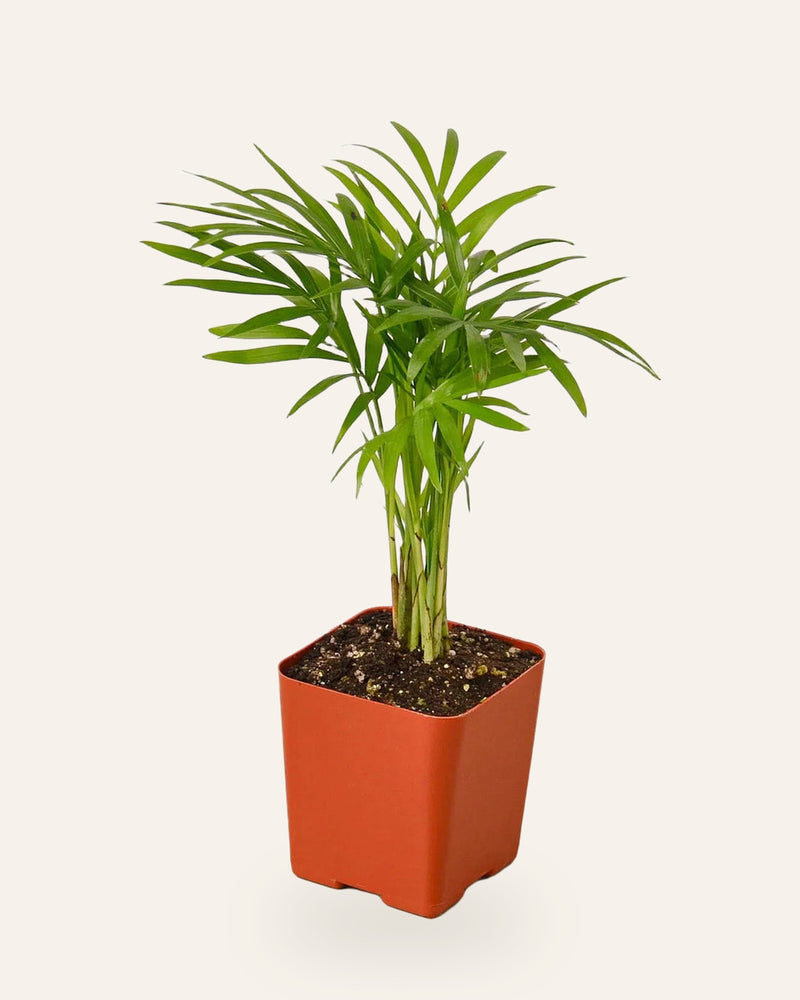
Parlor Palm
Chamaedorea elegansPot fit: 3", 4" or 6" nursery potWater when the top 1 to 2 inches of potting mix feel dry
from $21.99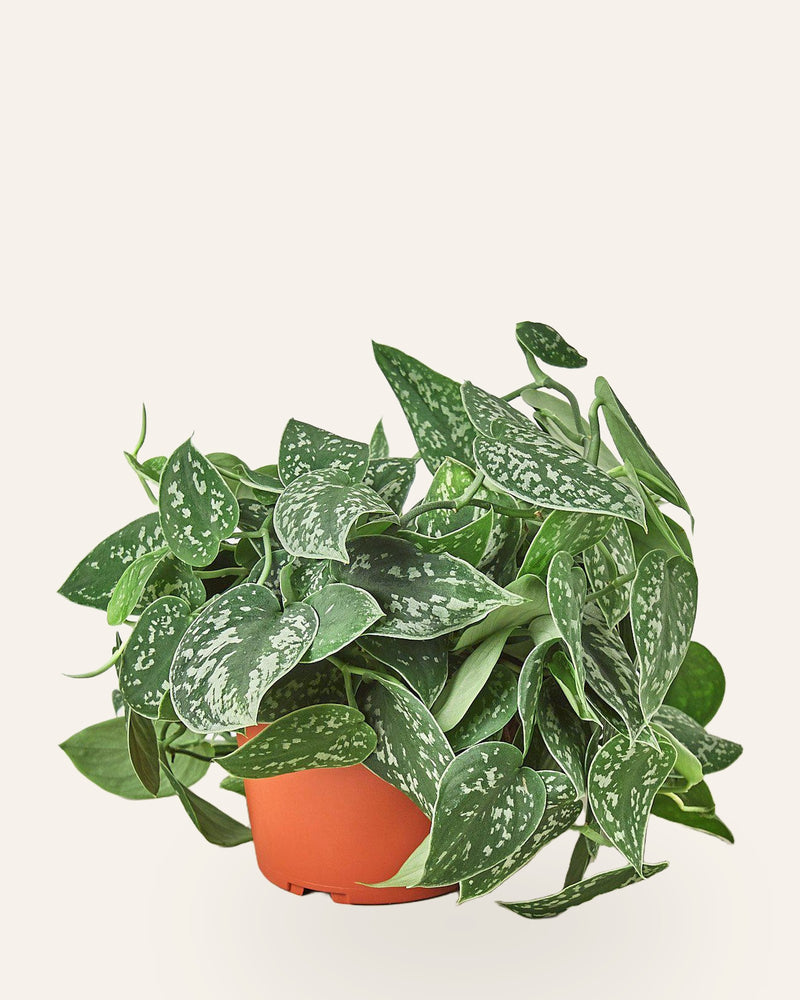
Satin Pothos
Scindapsus pictusPot fit: 4" or 6" nursery potWater after the top 1 to 2 inches of soil have dried
from $28.99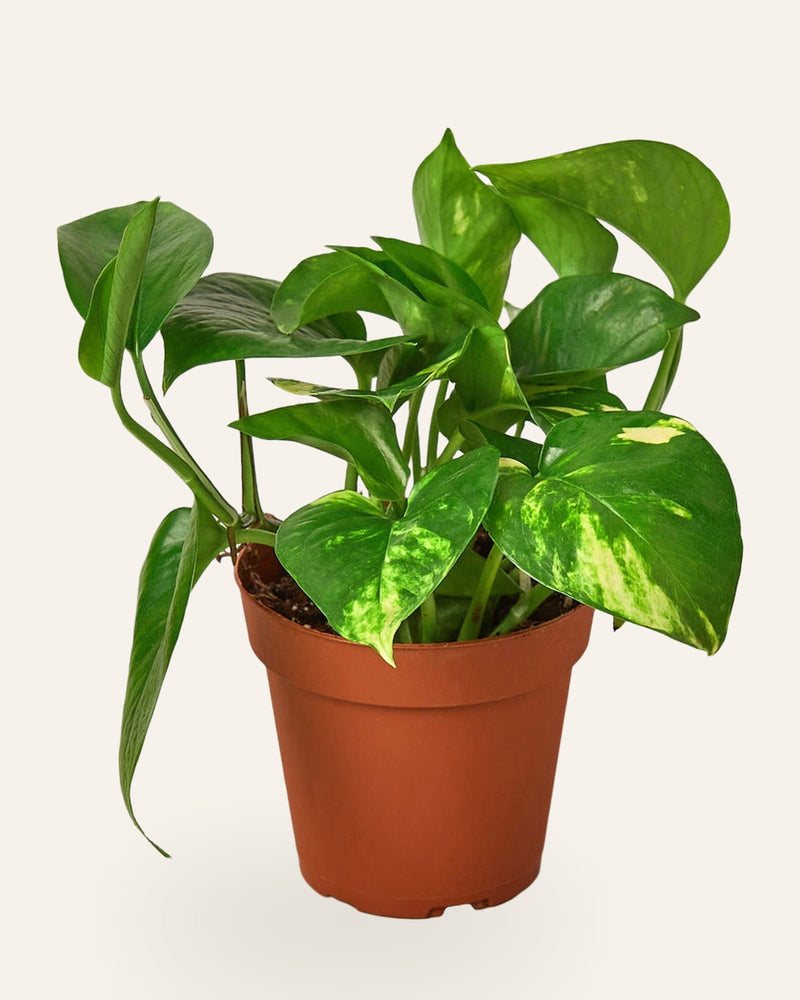
Golden Pothos
Epipremnum aureumPot fit: 4" or 6" nursery potWater when the top 2 inches of soil are dry, then drain fully
from $25.99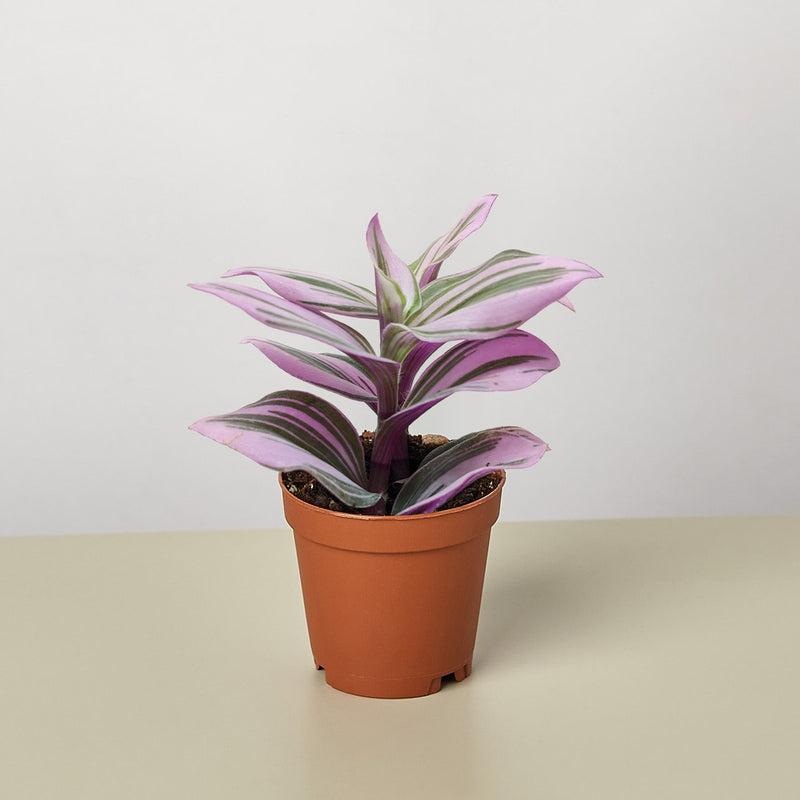
Tradescantia 'Nanouk'
Tradescantia albiflora 'Nanouk'Pot fit: 4" or 6" nursery potwhen the top inch of soil is dry
from $31.99Keep going with the care library
Care pages by plant, plus the watering and light calculators and the plant doctor.
More from the Journal
All Journal articles
Philodendron Congo Care: Light, Water and Fixes for Leaf Problems
How to care for Philodendron Congo: light, watering, soil, repotting and propagation, plus fixes for yellow, brown or droo...

Begonia Care Guide: Light, Water and Dark-Leaf Varieties
Care for indoor begonias including Begonia 'Black Magic' with practical advice on indirect light, watering, humidity, and ...

Homalomena Care Guide: Light, Water and Camouflage Foliage
Learn how to grow Homalomena indoors, including Homalomena 'Camouflage', with tips on medium light, steady moisture, and h...