Alocasia Care Guide: Light, Water, Humidity and Winter Dormancy
Keep Alocasia plants thriving indoors with our guide to bright indirect light, chunky aroid soil, humidity, and winter dormancy.

At a glance
Alocasias are prized for dramatic, sculptural foliage, from velvety dark elephant ears like Alocasia 'Regal Shields' to camouflage patterned collectors such as Alocasia 'Hilo Beauty' (Caladium praetermissum). They reward steady care and punish guesswork, so a few fixed habits go a long way.
This guide covers light, soil, watering, humidity, winter dormancy and the usual leaf problems. You can browse all our tropical aroids in the Monsteras and Aroids collection: See all Monsteras and Aroids
Quick care facts
- Light: Bright indirect light (gentle morning sun tolerated, avoid hot afternoon sun)
- Water: When the top 1 to 2 inches of soil feel dry
- Humidity: 50% to 70%+
- Temperature: 65°F to 85°F (keep above 60°F)
- Pet safety: Toxic to dogs and cats (insoluble calcium oxalates).
Light and chunky aroid soil
Give Alocasias bright indirect light, such as near an east window or filtered south or west light. Gentle morning sun is helpful, while harsh afternoon sun can scorch broad leaves.
Pot them in a chunky, fast draining aroid mix containing bark and perlite so roots stay oxygenated and underground corms do not rot.

Pots and drainage
Use a pot with drainage holes and keep it snug rather than oversized. A big pot holds a lot of wet mix around a small root system, and that is where corm rot starts. Terracotta dries faster than plastic, so match the pot to how often you tend to water.
Watering and humidity
Water thoroughly when the top 1 to 2 inches of potting mix feel dry, then drain the saucer completely. Check the soil with your finger rather than following a strict calendar.
Alocasias grow best between 65°F and 85°F with moderate to high humidity, ideally 50% to 70%. Keep plants away from cold windows and air conditioning vents, and check leaf undersides occasionally for spider mites when indoor air is dry.

Making humidity easier
A humidifier set near the plant does more than misting, which fades within minutes. Grouping plants together helps a little. A bathroom with a bright window can work if the light is strong enough.
Winter dormancy, feeding and repotting
Dormancy
Shorter days and cooler temperatures can trigger seasonal dormancy. Reduce watering and pause fertilizer if growth slows. As long as the underground corm stays firm, new leaves typically emerge in spring. Do not throw out a bare pot too early.
Feeding
During active growth, feed with a balanced liquid fertilizer at half the label strength about once a month. Stop when growth slows in the cooler months.
Repotting
Repot in spring when roots fill the pot, moving up one size only. Handle the corms gently and keep the fresh mix chunky.

Common problems
Brown leaf edges usually mean dry air, so raise humidity toward 50% to 70%. Fine webbing and stippled leaves point to spider mites, which thrive when air is dry. Yellowing leaves in wet soil suggest too much water or a cold draft. Scorched patches on broad leaves come from hard afternoon sun.
Pet safety note
Keep all Alocasia and Caladium plants out of reach of cats, dogs, and small children. Their tissues contain insoluble calcium oxalate crystals that cause oral irritation and drooling if chewed.
Palma Alocasias
Two plants from our range show how different Alocasias can look. Alocasia 'Hilo Beauty' has the camouflage pattern, and Alocasia 'Regal Shields' brings the dark, velvety elephant ear leaves.
- Alocasia 'Hilo Beauty': Shop Alocasia 'Hilo Beauty' at Palma
- Alocasia 'Regal Shields': Shop Alocasia 'Regal Shields' at Palma
Shop the plants in this guide
Plants from the Palma collection that match the care above. Tap a card to see the plant.
 Alocasia 'Hilo Beauty' (Caladium praetermissum), 4" and 6" PotsCompact collector aroid with camouflage patterned leaves.From $34.99
 Alocasia 'Regal Shields' (Alocasia reginula x odora), 4" and 6" PotsAlocasia 'Regal Shields' is a bold elephant ear hybrid prized for large, velvety deep-green leaves with contrasting chartreuse veins and rich burgundy undersides.From $32.99
 Alocasia 'Polly' (African Mask Plant)Alocasia 'Polly', also called the African Mask Plant, is a compact form of Alocasia x amazonica.From $27.99
 Alocasia 'Black Velvet' (Alocasia reginula)Dwarf jewel Alocasia with velvety near black leaves and silver veins.From $29.99
 Alocasia Pink DragonAlocasia 'Pink Dragon' has glossy, dark green, arrow-shaped leaves with silvery veins, soft pink stems and purplish undersides.From $38.99
 Alocasia 'Silver Dragon' (Alocasia baginda)Alocasia 'Silver Dragon' (Alocasia baginda) is a jewel alocasia with thick, heart-shaped leaves in a metallic pewter-silver with dark jade veining that looks like dragon scales.Give it medium to brighFrom $79.99
 Alocasia Frydek (Alocasia micholitziana 'Frydek')Velvet green Alocasia with crisp white veins.From $43.99
 Alocasia 'Scalprum'Compact Alocasia with lance shaped leaves.From $34.99
 Alocasia 'Red Secret' (Alocasia cuprea)Metallic copper and green Alocasia with a deep red underside.From $34.99
 Alocasia 'Tiny Dancer'A small Alocasia with big presence for shelves and desks.From $30.99
 Alocasia amazonica 'Bambino', 4" PotCompact Alocasia with dark green, arrow shaped leaves and pale veins.From $29.99
Pairs well with
Other collector foliage plants that suit a similar bright, indirect spot.
 Philodendron 'Billietiae'Glossy green leaves on bright orange stems.From $40.99
 Anthurium 'Pink'Glossy heart leaves with pink waxy blooms.From $34.99
 Scindapsus MoonlightSilvery green heart leaves on a trailing vine.From $33.99
 Calathea MedallionRound leaves with pink and green patterning.From $30.99
FAQ
Why is my Alocasia dropping leaves in winter?
Shorter days and cooler temperatures can trigger seasonal dormancy. Reduce watering and pause fertilizer if growth slows; as long as the underground corm stays firm, new leaves typically emerge in spring.
How often should I water an Alocasia indoors?
Check the soil with your finger rather than following a strict calendar. Water when the top 1 to 2 inches feel dry during warm active growth, and water less frequently in winter.
People Also Ask
How much sunlight does an Alocasia need?
Alocasias need bright indirect light, such as an east facing window or a few feet from a south or west window. Gentle morning sun is fine, but intense afternoon sun can burn the leaves.
Do Alocasias need a humidifier?
They can adapt to moderate household humidity, though keeping humidity at 50% to 70% with a humidifier prevents brown leaf edges and discourages spider mites in dry winter air.
Is Alocasia toxic to cats and dogs?
Yes. Alocasia and Caladium species contain insoluble calcium oxalate crystals and are toxic to cats and dogs if chewed or ingested.
Why are my Alocasia leaves turning yellow and drooping?
Yellowing from the base in wet soil usually points to overwatering or cold drafts, while losing one oldest outer leaf as a new leaf unfurls is normal growth turnover.
Nick Alan is the founder of Palma and has grown plants for 25+ years. He writes the shop's care guides and built the watering, soil and light tools.
View author profilePlants to grow next
Easy-care plants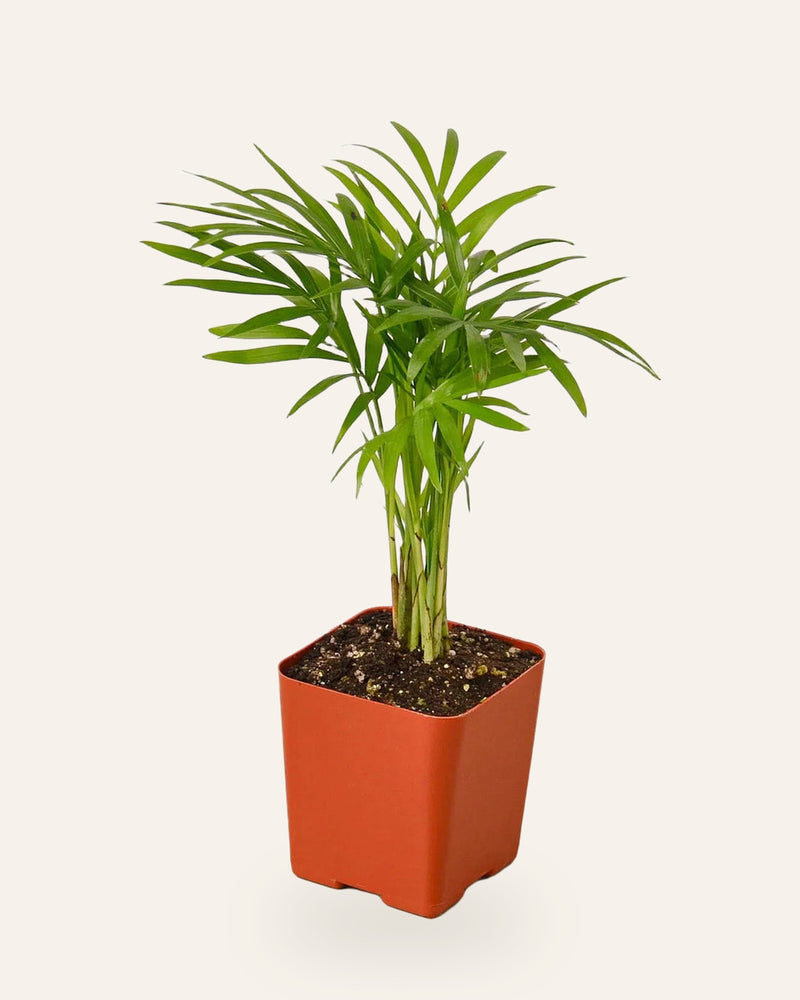
Parlor Palm
Chamaedorea elegansPot fit: 3", 4" or 6" nursery potWater when the top 1 to 2 inches of potting mix feel dry
from $21.99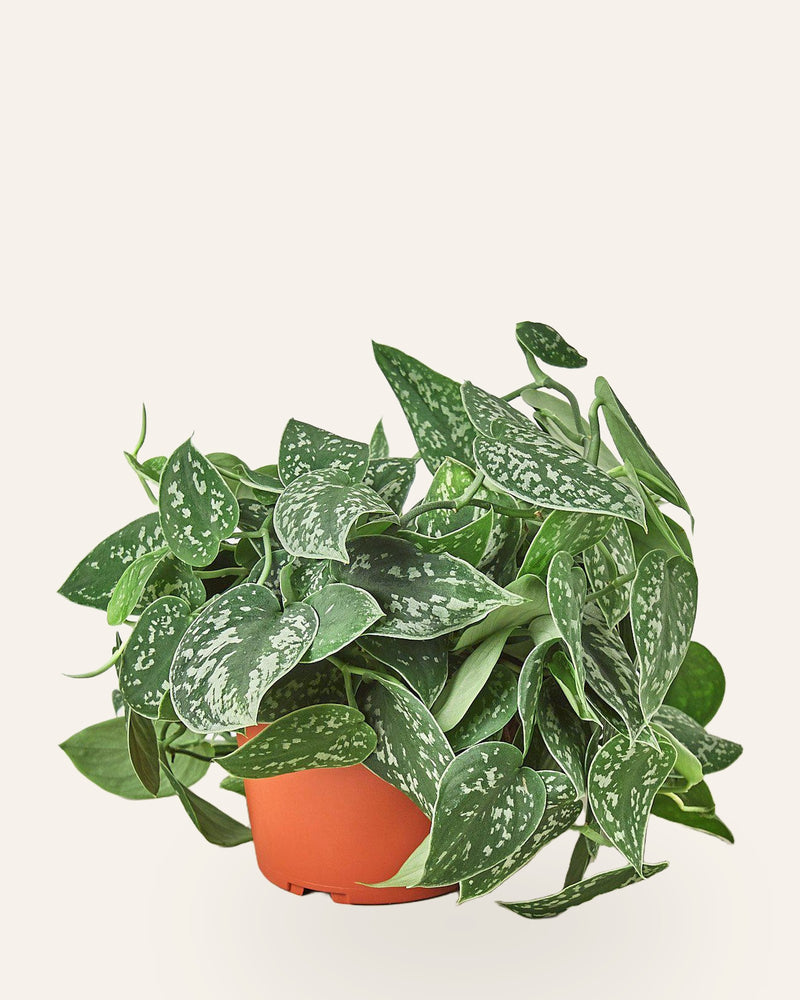
Satin Pothos
Scindapsus pictusPot fit: 4" or 6" nursery potWater after the top 1 to 2 inches of soil have dried
from $28.99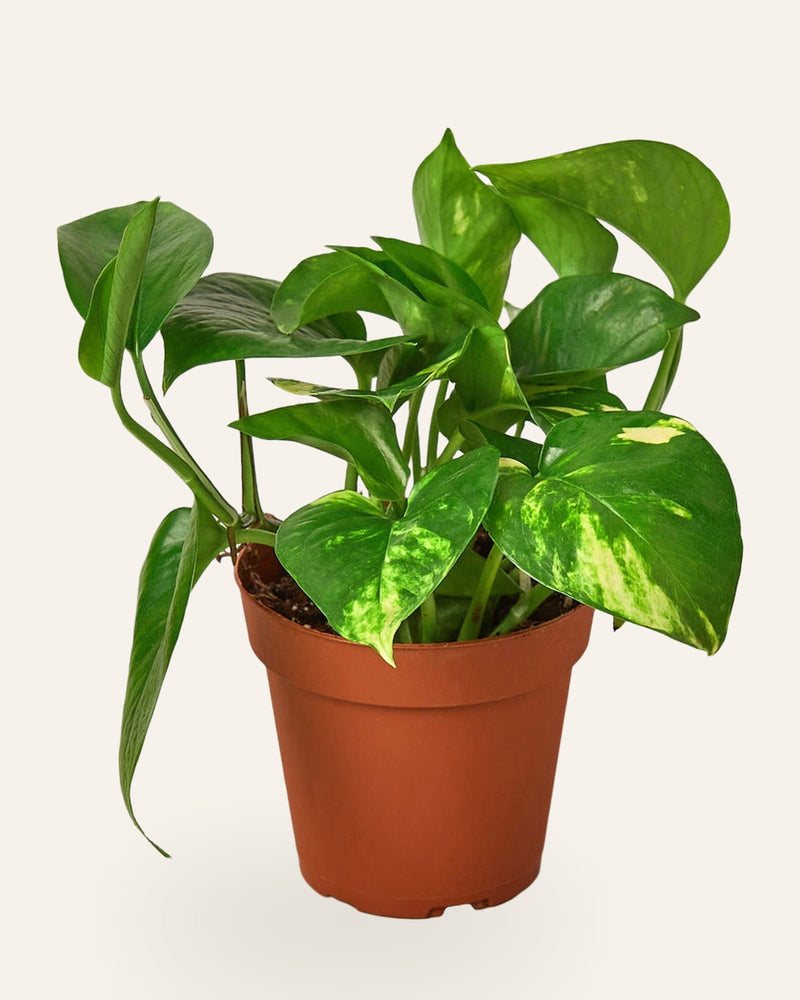
Golden Pothos
Epipremnum aureumPot fit: 4" or 6" nursery potWater when the top 2 inches of soil are dry, then drain fully
from $25.99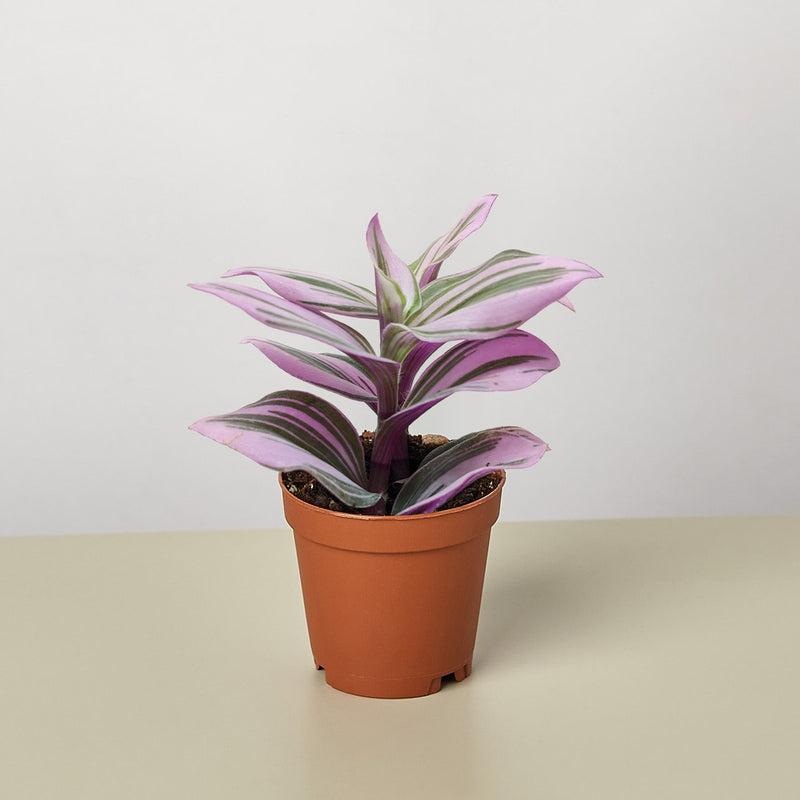
Tradescantia 'Nanouk'
Tradescantia albiflora 'Nanouk'Pot fit: 4" or 6" nursery potwhen the top inch of soil is dry
from $31.99Keep going with the care library
Care pages by plant, plus the watering and light calculators and the plant doctor.
More from the Journal
All Journal articles
Philodendron Congo Care: Light, Water and Fixes for Leaf Problems
How to care for Philodendron Congo: light, watering, soil, repotting and propagation, plus fixes for yellow, brown or droo...

Begonia Care Guide: Light, Water and Dark-Leaf Varieties
Care for indoor begonias including Begonia 'Black Magic' with practical advice on indirect light, watering, humidity, and ...

Homalomena Care Guide: Light, Water and Camouflage Foliage
Learn how to grow Homalomena indoors, including Homalomena 'Camouflage', with tips on medium light, steady moisture, and h...