
Alocasia 'Regal Shields'
$32.99
Free shipping on live plants. Shipping details · Claim window
Pet safety: Genus-level only: ASPCA lists Alocasia species as toxic to dogs and cats (insoluble calcium oxalates). Check pet guidance
About this plant
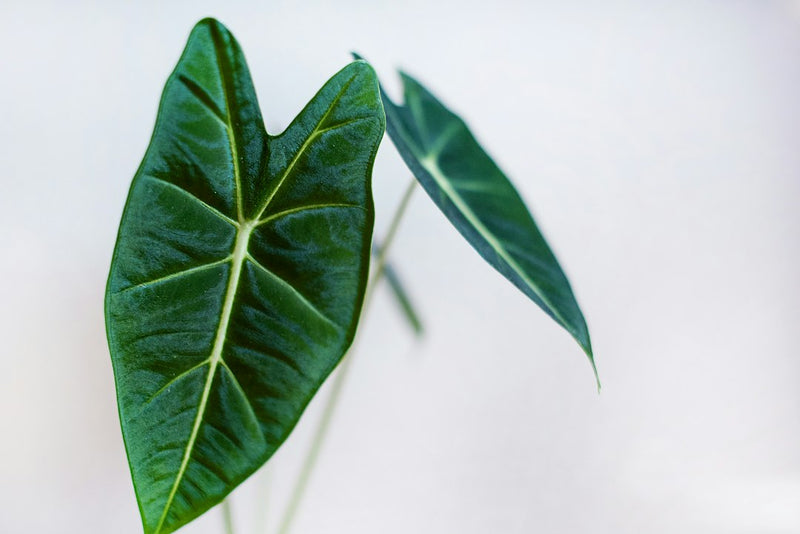
Alocasia Care Guide: Light, Water, Humidity and Winter Dormancy
Care notes by Nick AlanAlocasia 'Regal Shields' is a bold elephant ear hybrid prized for large, velvety deep-green leaves with contrasting chartreuse veins and rich burgundy undersides. It is one of the more resilient large-leaf alocasias indoors when given bright indirect light and an airy, well-draining potting mix.
Read moreShow less
Quick facts
- Botanical name: Alocasia 'Regal Shields'
- Light: Bright indirect light
- Water: When the top 1 to 2 inches of soil are dry
- Pets: Genus-level ASPCA toxic to dogs and cats
- Pot sizes: 4-inch and 6-inch nursery pots
- Shipping: Free shipping on live plants in the 48 contiguous states.
Grows well alongside
Alocasia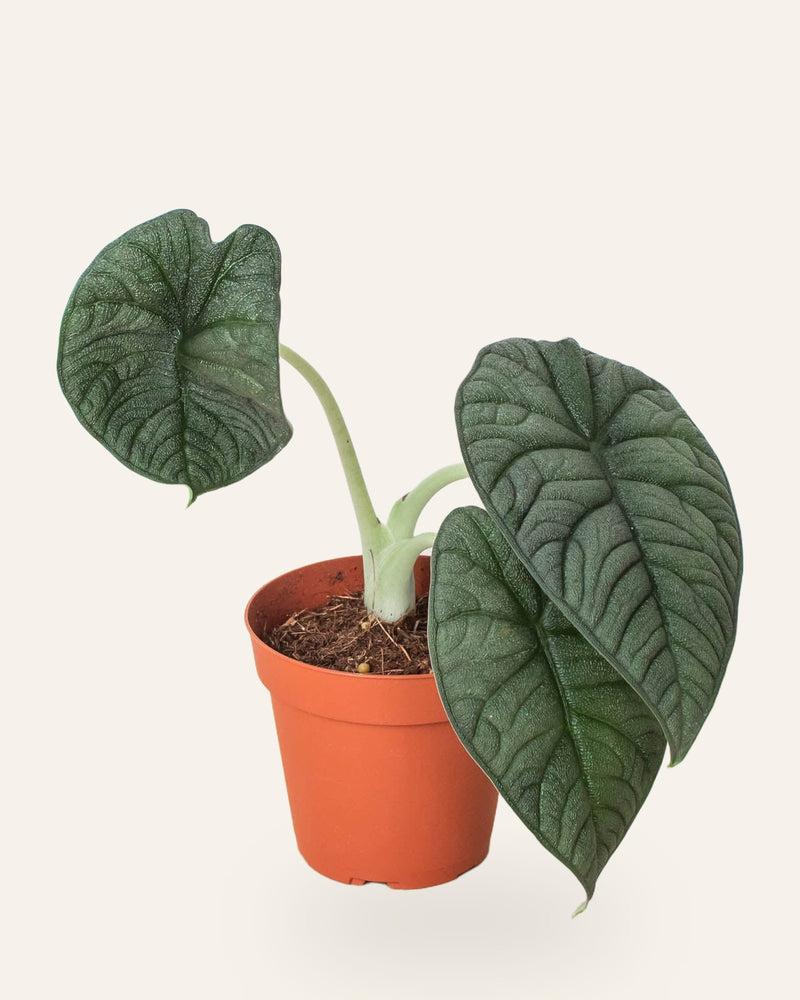
Alocasia melo
Pot fit: 4" nursery pot $36.99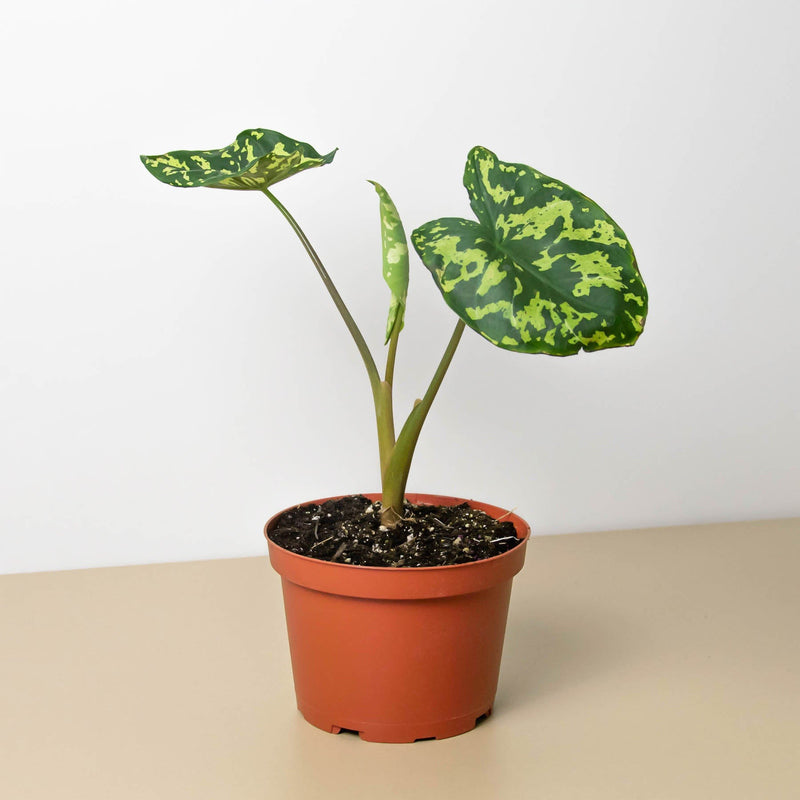
Alocasia 'Hilo Beauty'
Caladium praetermissum 'Hilo Beauty'Pot fit: 4" or 6" nursery pot from $34.99
Alocasia amazonica 'Bambino', 4" Pot
Toxic to cats and dogs $29.99
Alocasia 'Tiny Dancer'
Alocasia 'Tiny Dancer'Pot fit: 4" or 6" nursery potkeep the soil evenly moist, not soggy
from $30.99Sold outCare guides from the Journal
All articles
Questions people ask
How big does Alocasia 'Regal Shields' grow indoors?
With bright indirect light and room to grow, mature indoor plants can reach 4 to 5 feet tall with broad shield-shaped leaves.
Is Alocasia 'Regal Shields' toxic to cats and dogs?
Yes. Like other Alocasia hybrids, it contains insoluble calcium oxalates and is toxic to cats and dogs if ingested.
People also ask
How do I care for an Alocasia Regal Shields plant?
Give it bright indirect light, chunky well-draining soil, and water when the top 1 to 2 inches feel dry, keeping it away from cold drafts.
Why are my Regal Shields leaves drooping?
Older outer leaves naturally yellow and drop as new leaves emerge, while sudden drooping usually points to underwatering or cold, overly wet soil.