Air Plant Care (Tillandsia): Light, Watering and Feeding
Short answer: Give your air plant bright light and a good soak about once a week. Dunk the whole plant in water for a...

At a glance
Short answer: Give your air plant bright light and a good soak about once a week. Dunk the whole plant in water for a few minutes, shake out the water that collects at the base, then let it dry upside down on a towel. Air plants have no need for soil, but they are not magic. They drink through their leaves, so the soak is the whole routine.
Air plants are Tillandsia, a large group of plants that grow on trees and rocks in the wild instead of in the ground. That is why they look so tidy in a glass globe, on a wall mount or perched in a shell. It is also why people kill them: no pot means no obvious clue about thirst. This guide covers what they actually need.
Air plant care at a glance
Our air plants
 Air Plant
 Tillandsia Ionantha Guatemala Air Plant
 Tillandsia Butzii Air Plant
 Tillandsia Capitata Peach
 Tillandsia Juncea Air Plant
 Tillandsia Mounted on Grapewood
 Air Plant Pack
How air plants drink
The roots of a Tillandsia mostly act as an anchor. North Carolina State Extension explains that water is absorbed through the silvery scales on the leaves. Those scales give many air plants their soft, frosted look.
So the question is not whether your plant gets water. It is whether the leaves get a proper drink. A light mist now and then is better than nothing, but a soak reaches every leaf and lasts much longer.

How to water an air plant
Growers often soak the whole plant in a bucket of water or rinse it under a running shower, according to NC State Extension. The same source says these plants tolerate drought but need regular watering, at least once a week, if they are to thrive.
Here is the routine that works for most homes:
- Fill a bowl or sink with room-temperature water. Rainwater or filtered water is a good choice if your tap water is very hard.
- Submerge the plant for several minutes. Bubbles rise as it takes up air and water.
- Lift it out and shake it gently. Water trapped in the center of the rosette causes rot.
- Dry it upside down on a towel or rack in a spot with fresh air movement. It should be dry to the touch within a few hours, not still wet at bedtime.
- Put it back in its display.
That is it. In a hot, dry room you may want to soak a little more often. In a cool, humid room, once a week is plenty.
Light
NC State Extension notes that most Tillandsia tolerate full sun in nature, and that the sunniest window in the home is not too much sun. Flowering needs bright light too.
For most indoor plants, that means a spot near a bright window, or under an LED grow light if your home is dim. Rooms far from a window leave the plant pale and slow to recover.
A few details are worth knowing. Plants with thick, silvery leaves tend to like more light. Plants with greener, softer leaves often like a little shade. If a plant's leaves look bleached or crisp after you move it into stronger light, pull it back a little.

Air flow
Air plants dry out between soaks, and that drying matters as much as the water. Good air movement helps the plant dry fast and stay healthy. Avoid closed glass containers with no opening, or take the plant out to dry after each soak.
Temperature
Tillandsia come from tropical and warm-temperate regions. Keep them at the temperatures you find comfortable, away from cold drafts, frost and the hot blast of a heater.

How to feed an air plant
Feeding is optional, but it helps with growth and blooming. Use a fertilizer made for air plants or bromeliads, and dilute it more than the label suggests if you are unsure. Add it to the soak water once in a while during the growing season, then rinse the plant afterward. Too much fertilizer burns leaves, so a little goes a long way.
Do not use fertilizer made for soil plants at full strength. It is too strong for them.
Growing air plants from seed
Growing Tillandsia from seed is possible, but NC State Extension describes it as very slow. For most people, pups are a much easier route.
Pups and blooms
Many Tillandsia produce pups, small offsets that grow at the base of the parent plant. NC State Extension says they can be separated to start new plants. You can leave them attached and let them form a clump, or gently twist one off.
A bloom is a signal that the plant is mature. After flowering, many plants slow down and send up pups. Keep up the soaks and the pups will follow.
Common air plant problems
- Brown, crispy leaf tips: the plant is thirsty. Soak it longer or more often.
- Soft, dark base or leaves that pull away easily: rot. It usually comes from trapped water. Shake the plant better after each soak and dry it fully.
- Leaves rolling inward or looking shriveled: also thirst. Try a longer soak.
- Pale, stretched growth: not enough light.
- Dry-looking, curled leaf edges on a plant in a heated room: air is too dry. Soak a little more often.
Display ideas
Air plants will sit in a shell, on driftwood, in a hanging holder or on a wall mount. Avoid anything that traps water at the base, such as a sealed jar, or any metal that corrodes. Copper wire is a classic problem. Pick an open holder and take the plant out for soaks.
FAQ
How do you care for an air plant (Tillandsia)?
Give it bright light, soak it in room-temperature water about once a week, and let it dry upside down within a few hours. Keep it in a spot with fresh air and away from cold drafts. Soak a bit more often if your home is hot and dry.
How do you feed an air plant?
Use a fertilizer made for air plants or bromeliads, diluted well, in the soak water once in a while during the growing season. Rinse the plant afterward. Feeding is optional, and too much can burn the leaves.
How do you grow Tillandsia from seed?
It is possible, but it is very slow, according to NC State Extension. Most growers start new plants from pups, the small offsets that form at the base of a mature plant, which can be separated and grown on.
Nick Alan is the founder of Palma and has grown plants for 25+ years. He writes the shop's care guides and built the watering, soil and light tools.
View author profilePlants to grow next
Easy-care plants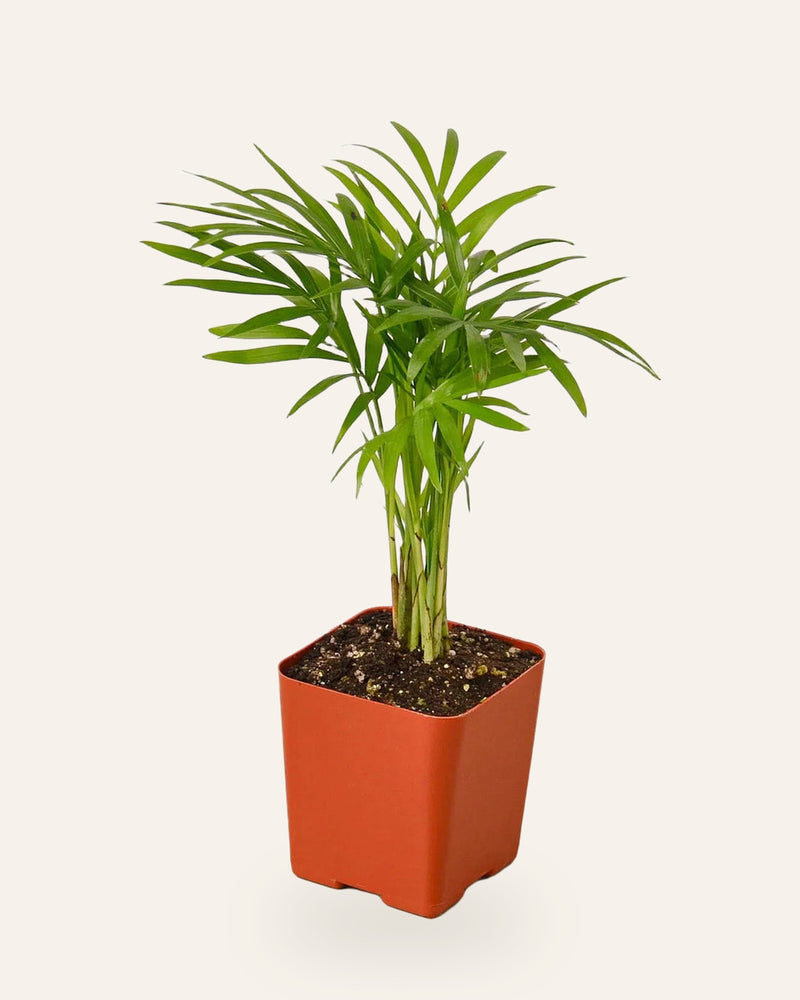
Parlor Palm
Chamaedorea elegansPot fit: 3", 4" or 6" nursery potWater when the top 1 to 2 inches of potting mix feel dry
from $21.99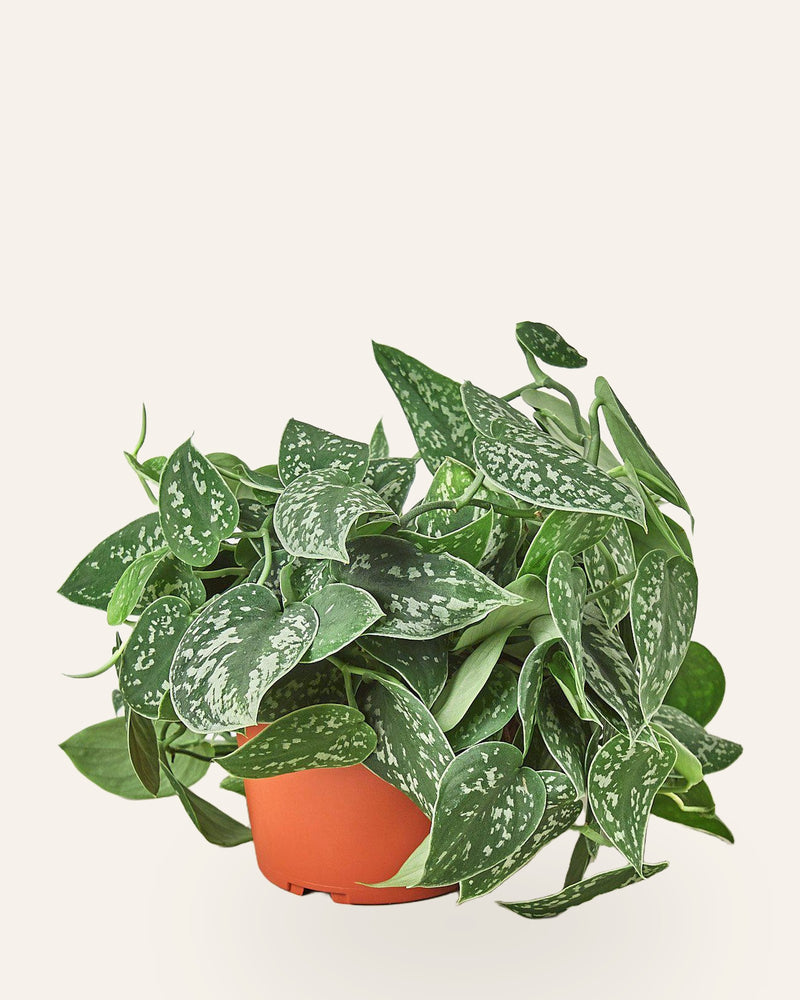
Satin Pothos
Scindapsus pictusPot fit: 4" or 6" nursery potWater after the top 1 to 2 inches of soil have dried
from $28.99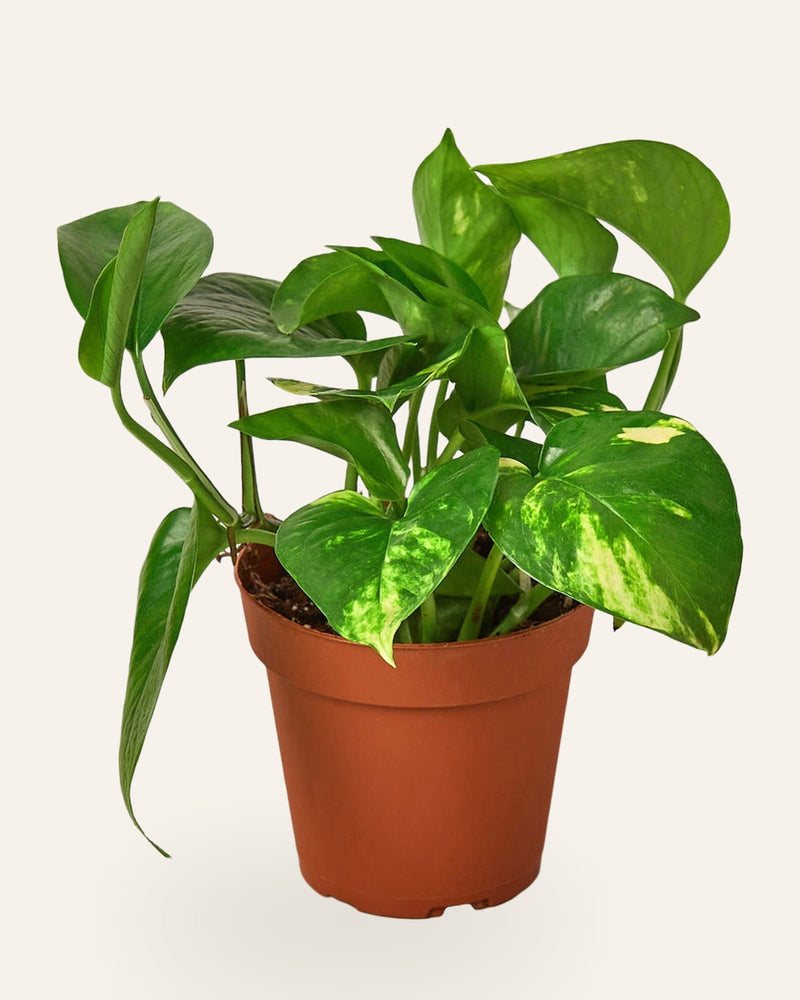
Golden Pothos
Epipremnum aureumPot fit: 4" or 6" nursery potWater when the top 2 inches of soil are dry, then drain fully
from $25.99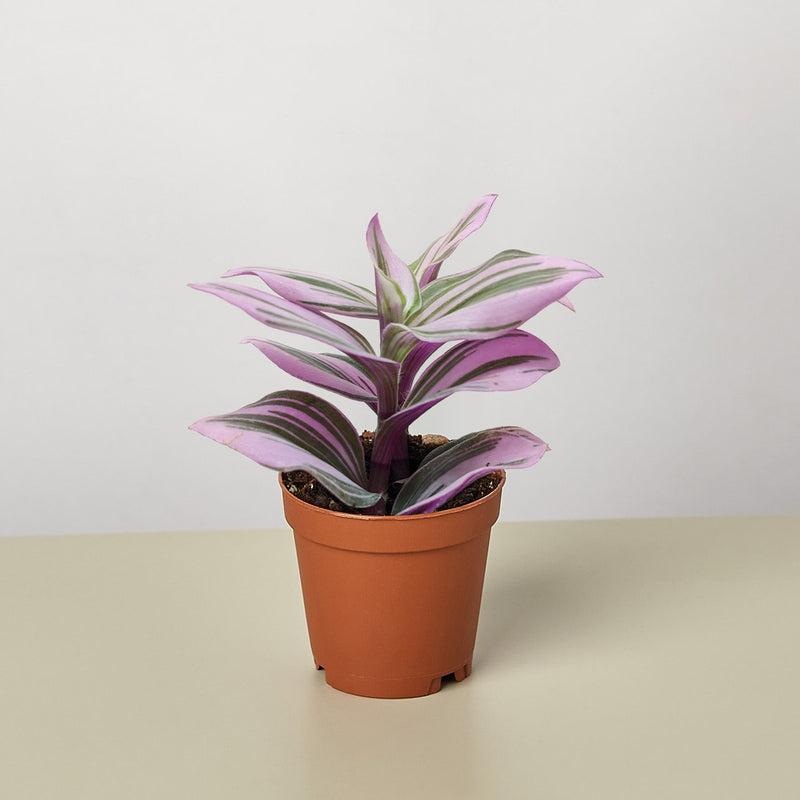
Tradescantia 'Nanouk'
Tradescantia albiflora 'Nanouk'Pot fit: 4" or 6" nursery potwhen the top inch of soil is dry
from $31.99Keep going with the care library
Care pages by plant, plus the watering and light calculators and the plant doctor.
More from the Journal
All Journal articles
Philodendron Congo Care: Light, Water and Fixes for Leaf Problems
How to care for Philodendron Congo: light, watering, soil, repotting and propagation, plus fixes for yellow, brown or droo...

Begonia Care Guide: Light, Water and Dark-Leaf Varieties
Care for indoor begonias including Begonia 'Black Magic' with practical advice on indirect light, watering, humidity, and ...

Homalomena Care Guide: Light, Water and Camouflage Foliage
Learn how to grow Homalomena indoors, including Homalomena 'Camouflage', with tips on medium light, steady moisture, and h...