
Ponytail Palm
Beaucarnea recurvata
$21.99
- LightBright indirect
- WaterSoak, then let the soil dry out fully
- Pot size3-inch, 4-inch and 6-inchs nursery pot
How to check your light
Hold your hand a foot above the spot at midday and look at the shadow it casts.
- Sharp, dark shadow: bright light.
- Soft, blurry shadow: medium light.
- Faint shadow or none: low light.
Care at a glance (click to expand or collapse)
| Light | bright light |
|---|---|
| Water | soak, then let the soil dry out fully |
| Humidity | average home humidity is fine |
| Mature size | About 2 to 3 ft tall indoors, growing slowly |
| Pot fit | 3-inch, 4-inch and 6-inch nursery pots |
Free shipping on live plants. Shipping details · Claim window
Pet safety: ASPCA lists Pony Tail (Beaucarnea recurvata) as non-toxic to dogs, cats, and horses. Check pet guidance
About this plant
Ponytail palm stores water in a swollen, bulb-like base, which is why it forgives a missed watering. Despite the name, it is not a true palm. Long, narrow leaves arch outward from the top of the plant.
Give it bright light. It tolerates some direct sun, and a sunny window is a good home. Low light slows it down.
Soak the pot, then let the soil dry out fully before the next drink. Use a gritty, fast-draining mix, like a cactus mix, in a pot with drainage holes. Water less in winter. A wide, shallow pot suits its roots better than a deep one, and skip decorative pots with no drainage holes. Feed lightly in spring and summer if you like.
It grows slowly, so a potted one stays manageable for years. Average home humidity is fine. Keep it above about 50F and away from cold drafts.
Pet Safety: ASPCA lists Ponytail Palm (Beaucarnea recurvata) as non-toxic to dogs and cats. Palma still recommends discouraging pets from chewing houseplants.
The answers below cover how to propagate a ponytail palm, how big it gets and how to revive one that is struggling.
Care at a glance
- Light: bright light. Some direct sun is fine.
- Water: soak, then let the soil dry out fully. Less in winter.
- Soil: gritty, fast-draining mix in a pot with drainage holes.
- Humidity: average home humidity is fine.
- Temperature: 60 to 80F. Keep above about 50F and away from drafts.
Where to put this plant
Needs: Bright direct sun
Find the window you have. Each one gives a different kind of light.
-
East-facing windowGentle morning sun, then bright shade.Fine
-
South-facing windowBrightest, with sun most of the day.Best spot
-
West-facing windowStrong, hot afternoon sun.Good spot
-
North-facing windowSoft, steady light with no direct sun.Too dim
Distance changes it too
Grows well alongside
Indoor Trees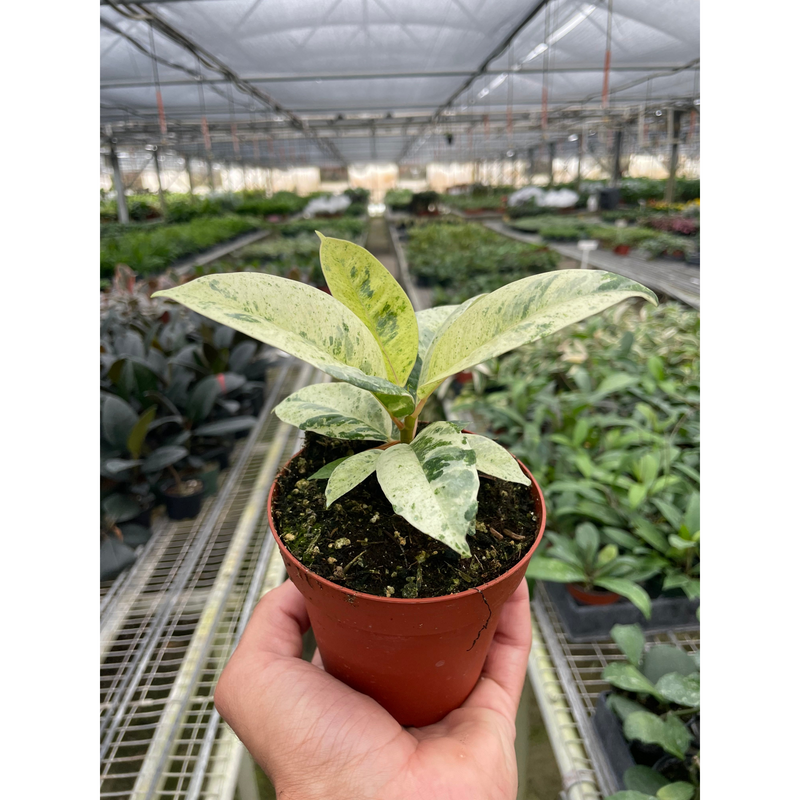
Ficus 'Shivereana'
Ficus elastica 'Shivereana'Pot fit: 4" or 6" nursery potwhen the top half of the soil is dry
from $39.99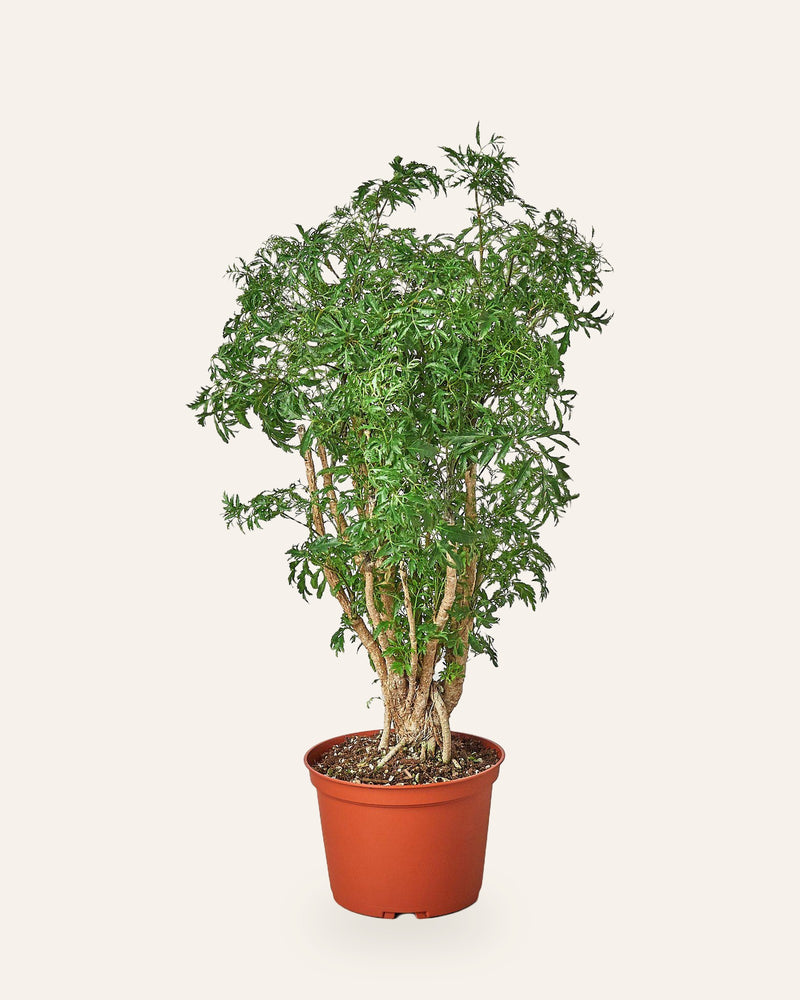
Ming Aralia Stump, Polyscias fruticosa, 6" Pot
Polyscias fruticosa $55.99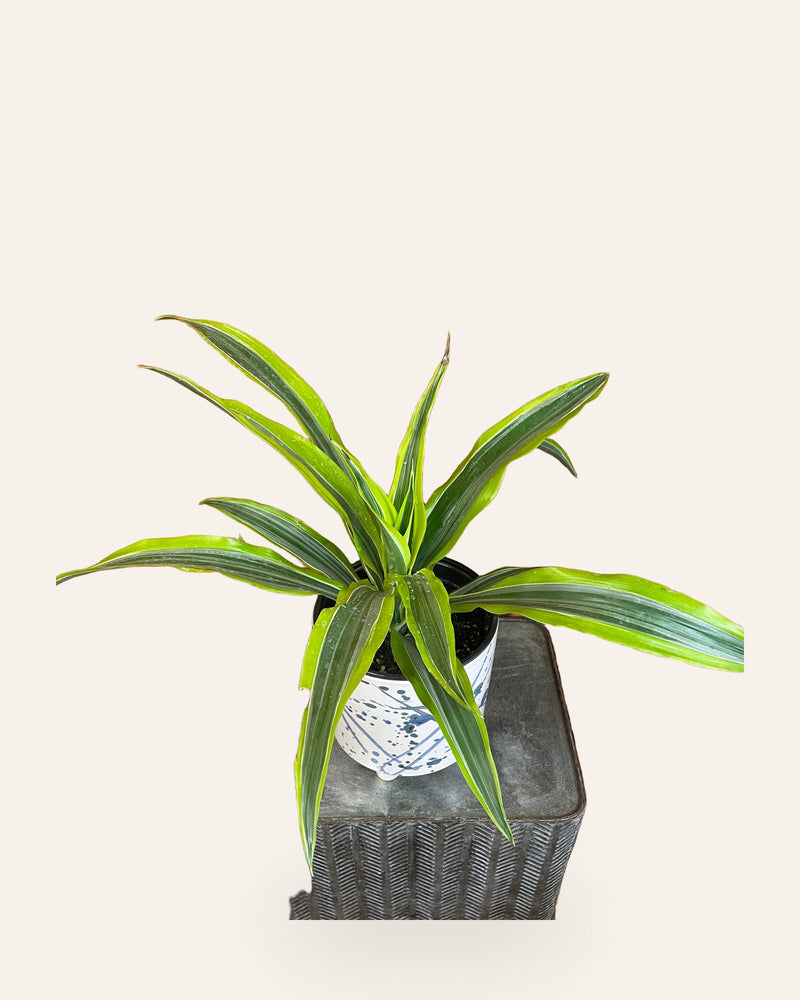
Dracaena Lemon Lime
Dracaena 'Lemon Lime'Let the top inch of potting mix dry before watering, and allow excess water to drain
$35.44Sold out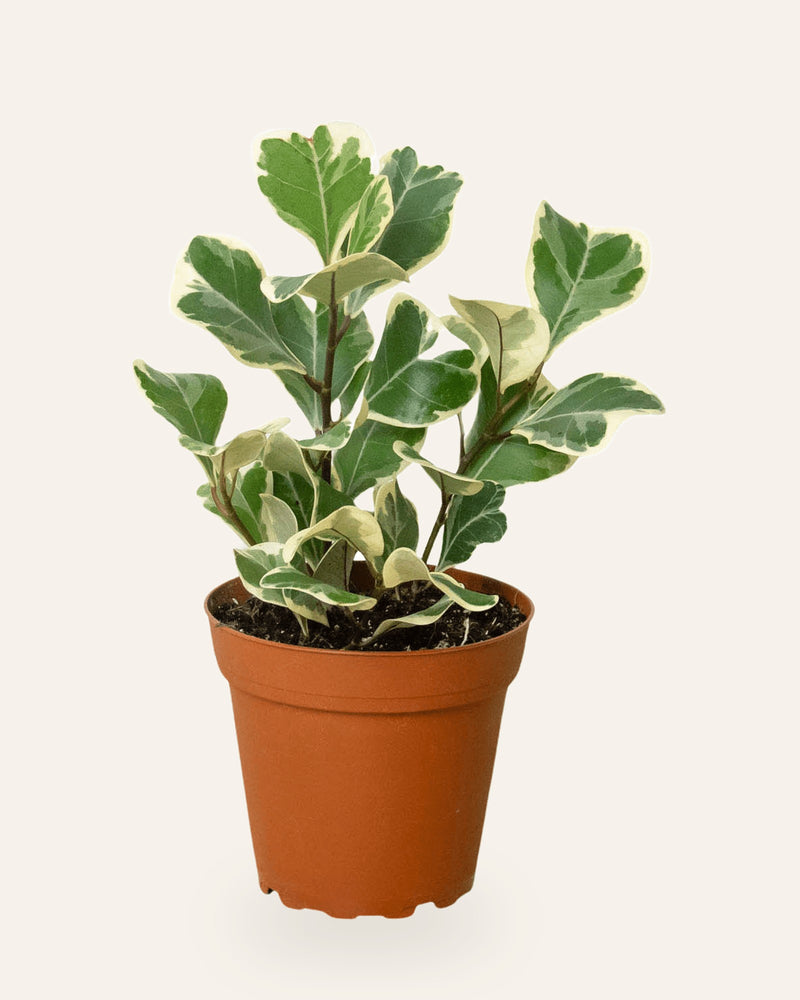
Variegated Triangularis Rubber Plant
Ficus triangularisPot fit: 4" or 6" nursery potwater when the top of the soil is dry
from $35.95Sold outPlanters that fit this plant
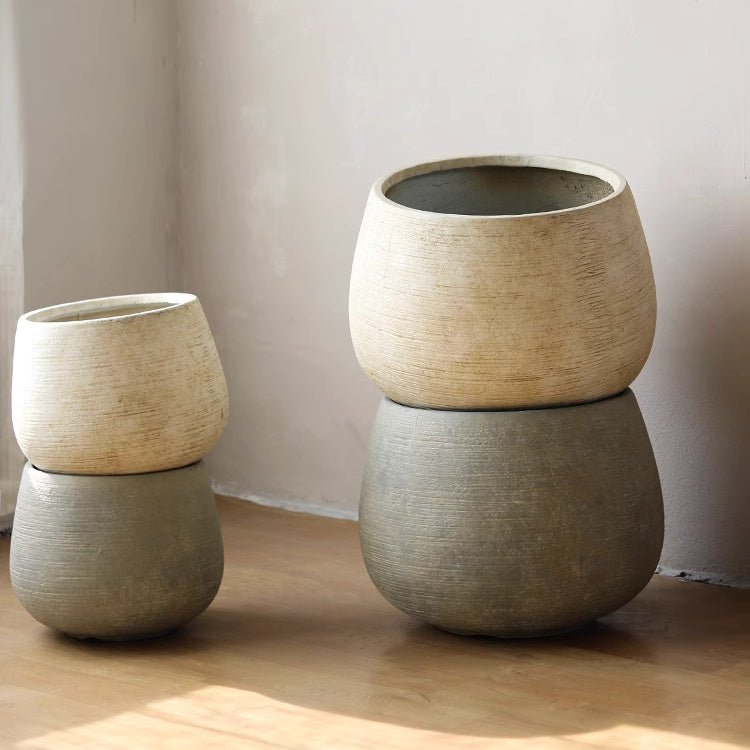
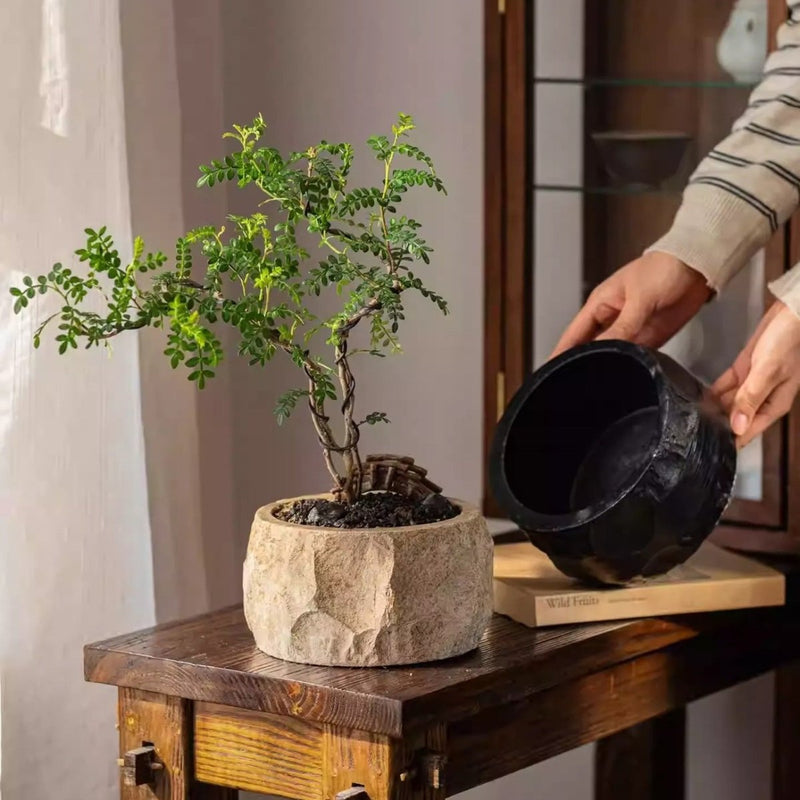
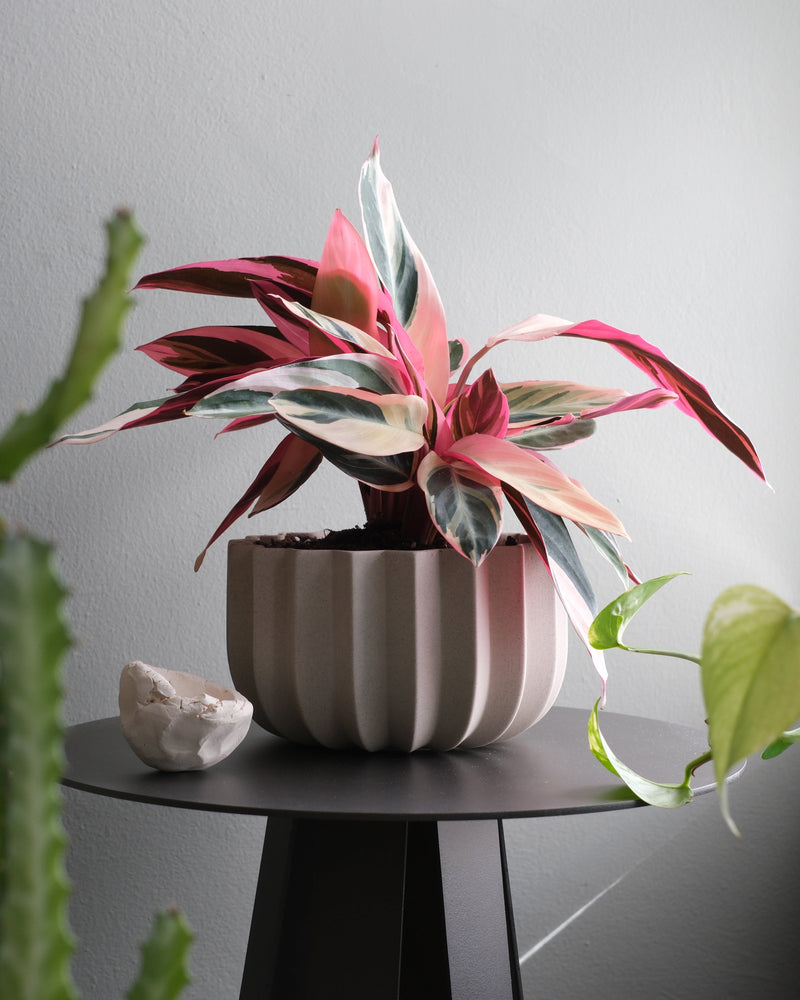
See all plantersMatched to the pot size of Ponytail Palm. Planters ship separately from live plants.
Care guides from the Journal
All articlesQuestions people ask
How do I propagate a ponytail palm?
Ponytail palms are usually propagated from offsets, the small pups that sometimes form at the base of a mature plant. Wait until a pup has a few leaves, cut it away with a clean knife, let the cut dry for a day or two, then pot it in gritty mix. Water sparingly until it roots.
How big does a ponytail palm get?
It grows slowly, so a potted one stays a manageable size for years. Indoors it generally tops out at a few feet, and the swollen base widens over time. Outdoors in frost-free climates it can grow far taller. Pot size and light also affect how large it gets.
How do I revive a dying ponytail palm?
Overwatering is the usual culprit. Slide the plant out and check the base and roots. If the base is firm, trim any mushy roots, repot in dry gritty mix and hold off watering for a week or so. Move it to bright light. If the base is soft all the way through, recovery is unlikely.
How do I repot a ponytail palm?
Repot a ponytail palm only every few years, when the swollen base crowds the pot. Choose a pot just a little larger, with drainage, and use a gritty cactus or succulent mix. Keep the base at the same level, water lightly, and wait about a week before giving it a full soak so any damaged roots can heal.
How do I grow a ponytail palm?
Give it bright light, ideally a few hours of direct sun, and water only when the soil has dried out completely. Use a gritty mix and a pot with drainage. The swollen base stores water, so it handles dry spells better than soggy soil. Growth is slow, and it is happy being a little pot-bound.
Why are my houseplant leaves turning yellow?
For houseplants in general: check the watering first, because soggy soil is the most common cause. Then look at the light, since too little also makes leaves pale and yellow. An occasional yellow leaf near the bottom is normal and can be removed. If many leaves yellow at once, slide the plant out and check for rotting roots.