
Desert Rose, Adenium obesum, 4" and 6" Pots
Adenium obesum
$35.99
- LightBright indirect
- Pot size4" or 6" nursery pot
How to check your light
Hold your hand a foot above the spot at midday and look at the shadow it casts.
- Sharp, dark shadow: bright light.
- Soft, blurry shadow: medium light.
- Faint shadow or none: low light.
Care at a glance (click to expand or collapse)
| Light | Bright indirect light |
|---|---|
| Pot fit | 4" or 6" nursery pot |
Free shipping on live plants. Shipping details · Claim window
Pet safety: Toxic per UF/IFAS Extension (no ASPCA entry; cardiac glycosides in sap). Check pet guidance
About this plant
Product description
Desert rose (Adenium obesum) is a drought tolerant plant with a swollen, thick trunk and glossy leaves, often grown in a bonsai style. It comes in a 4" pot or a 6" pot. The photo shows a standard nursery pot.
The plant wants light more than anything else. Give it full sun, at least 6 hours of direct sun a day, in a warm spot, plus a pot with drainage holes. Overwatering in cool weather leads to rot, and the plant rests through a cool, dry winter with little water. A good fit for a bright south or west window indoors, or a sunny patio in warm months.
Desert rose flowers in general, but flowering depends on light, feeding and a winter rest. Blooms are not promised for the plant sent.
Quick facts
- Plant: Desert rose, Adenium obesum
- Pot sizes: 4" and 6"
- Light: full sun, at least 6 hours of direct sun a day
- Temperature: 75 to 95 F is the warm range, cold stress starts between 35 and 55 F
- Water: regular in the growing season, none or very little during a 3 to 4 month cool, dry winter rest
- Habit: swollen trunk, drought tolerant
- Pet safety: Toxic per UF/IFAS Extension (no ASPCA entry; cardiac glycosides in sap)
- Shipping: Free shipping on live plants in the 48 contiguous states
Care at a glance (general guidance)
| Light | Full sun. At least 6 hours of direct sun a day. Will not flower in low light. Indoors, a bright south or west window or strong supplemental light. |
| Water | Water in the growing season. Withhold water through a 3 to 4 month cool, dry winter rest so leaves drop naturally, then resume water in spring. Watering in winter dormancy leads to rot. |
| Temperature | 75 to 95 F. Between 35 and 55 F leaves yellow and drop. Below 32 F freeze damage is fatal. |
| Feeding | A light feeding in summer growth. Resume fertilizer in spring after the winter rest. |
| Pot | Well drained, with drainage holes. An oversized or poorly drained pot can lead to root and caudex rot. |
| Outdoors | A sunny patio or deck in warm months. Move the plant inside before nights dip to 55 F. |
Where to put this plant
Needs: Bright, indirect light
Find the window you have. Each one gives a different kind of light.
-
East-facing windowGentle morning sun, then bright shade.Best spot
-
South-facing windowBrightest, with sun most of the day.3 to 5 ft back
-
West-facing windowStrong, hot afternoon sun.Use a sheer curtain
-
North-facing windowSoft, steady light with no direct sun.Too dim
Distance changes it too
Grows well alongside
Succulents & Hoya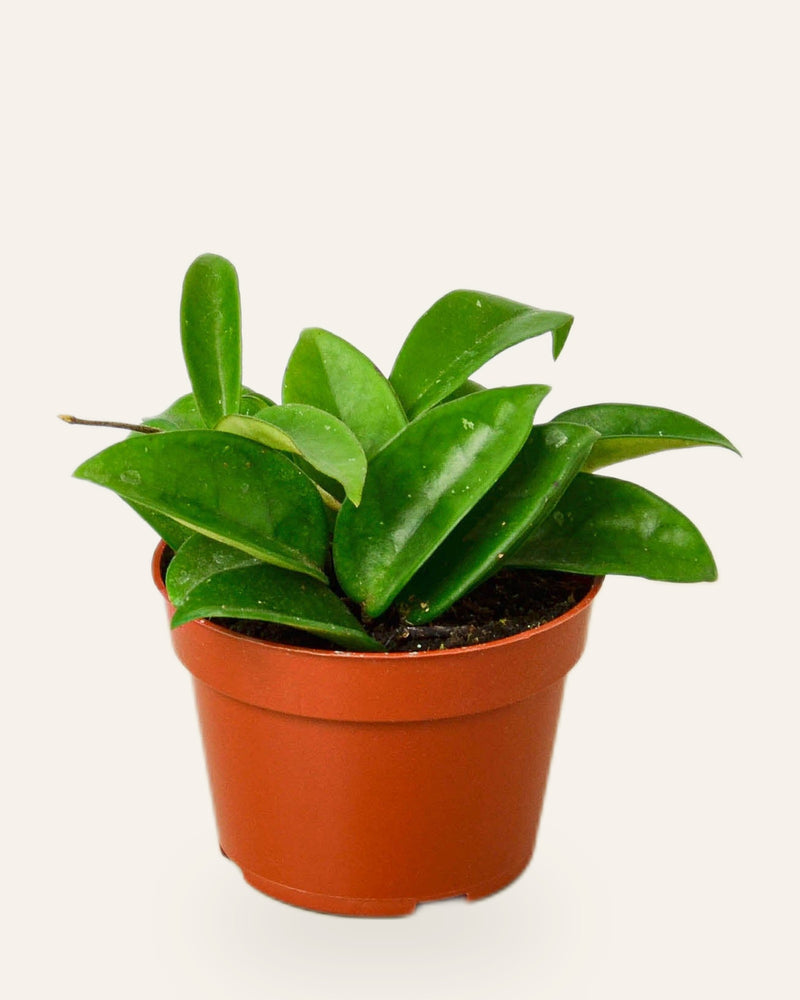
Wax Plant
Hoya carnosaPot fit: 4-inch nursery potPet-friendly for cats and dogsLet the soil dry out between waterings, then water well
$23.99Sold out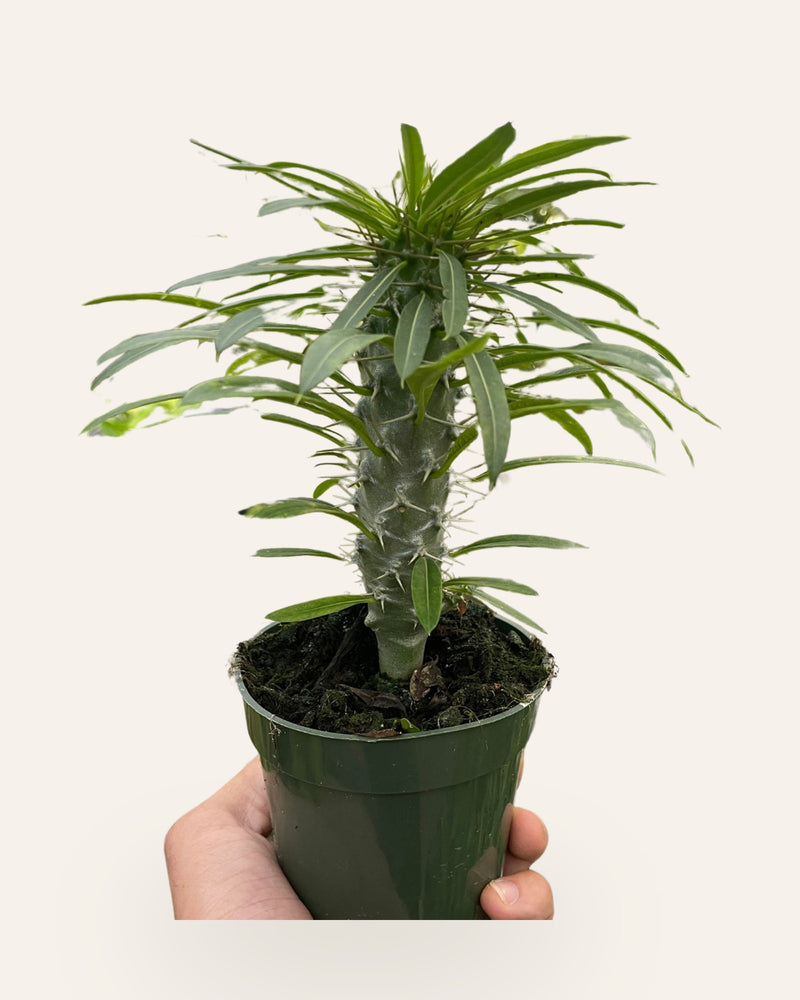
Madagascar Palm
Pachypodium lamereiToxic to cats and dogsWater deeply, then let the soil dry out completely
$32.49
Hoya 'Sunrise'
Hoya 'Sunrise' (Hoya lacunosa x obscura)Pot fit: 4" or 6" nursery pot from $32.99
Hoya 'Crassipetiolata'
Hoya crassipetiolataPot fit: 4" nursery pot $38.99Planters that fit this plant
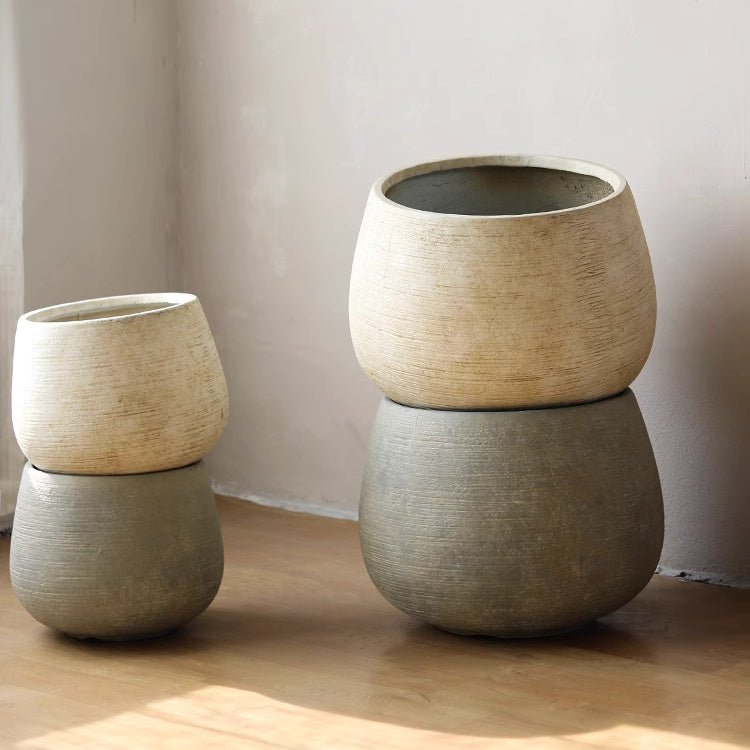
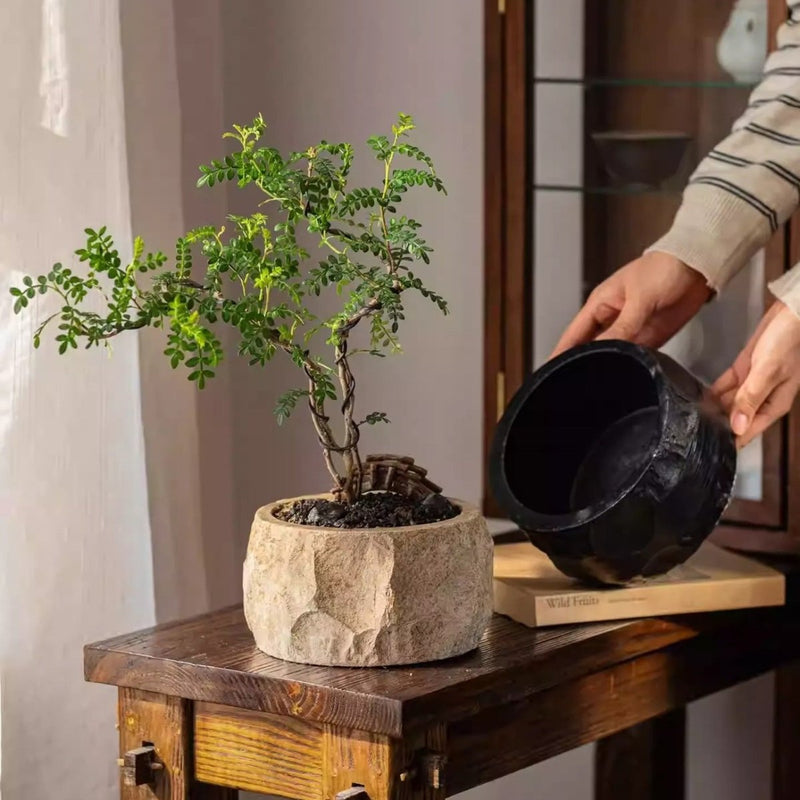
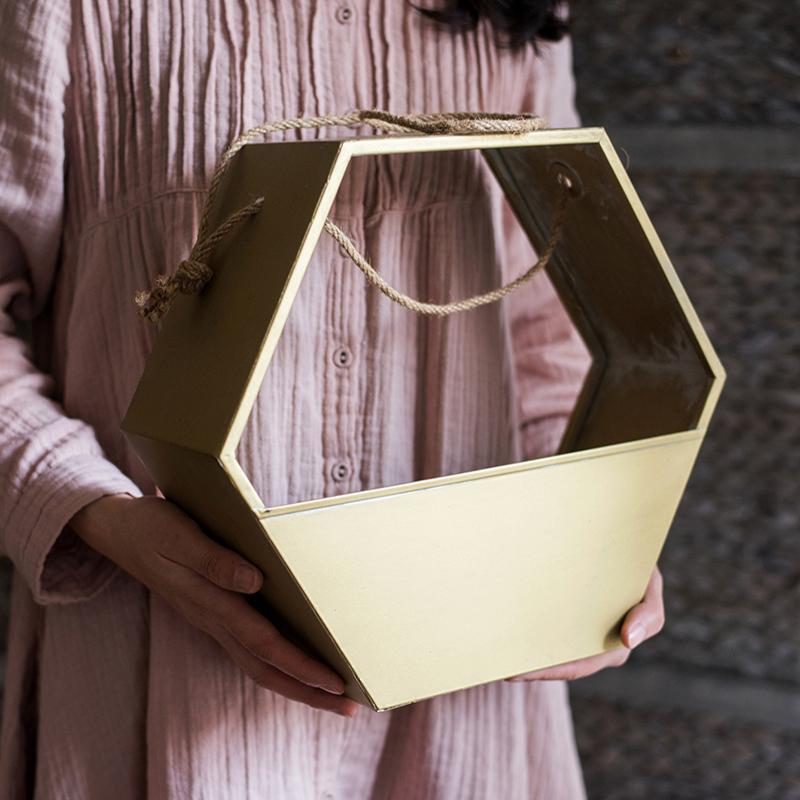
See all plantersMatched to the pot size of Desert Rose, Adenium obesum, 4" and 6" Pots. Planters ship separately from live plants.
Care guides from the Journal
All articlesQuestions people ask
Does a desert rose like direct sunlight?
A desert rose plant (Adenium obesum) likes direct sunlight and needs full sun, at least 6 hours of direct sun a day, with warm temperatures of 75 to 95 F. It will not flower in low light. Under 6 hours of direct sun is the top reason for no flowers, so give the plant the sunniest spot available.
Is Adenium a good indoor plant?
Adenium obesum (desert rose) is a good indoor plant when it gets a bright south or west window, since it is a drought tolerant, bonsai style houseplant. Typical rooms are often below 80 F with filtered light, which makes peak blooming year round harder without a grow light or time outdoors in summer. A winter rest means little water.
What are the common problems with Adenium obesum?
The common problems with a desert rose plant (Adenium obesum) are root and caudex rot, cold stress, and pests such as mealybugs, spider mites and aphids. Rot comes from watering during winter dormancy, cold wet soil, and oversized or poorly drained pots, so cut away rotted tissue and keep the plant dry. Between 35 and 55 F leaves yellow and drop, and below 32 F freeze damage is fatal.
People also ask
Why does my desert rose have leaves but no flowers?
A desert rose plant (Adenium obesum) can have leaves but no flowers when it gets under 6 hours of direct sun, skips its cool, dry winter rest, or misses light feeding in summer growth. The winter rest runs 3 to 4 months with water withheld so leaves drop naturally. Resume water and fertilizer in spring. Blooms are not promised for any single plant.
Where is the best place to put a desert rose?
The best place to put a desert rose plant (Adenium obesum) indoors is beside the brightest south or west facing window, or under strong supplemental light. In warm months, a sunny patio or deck works well. Full sun, at least 6 hours of direct sun a day, keeps the plant growing and flowering. Move the plant back inside before nights dip to 55 F.
How can I treat Adenium root rot?
To treat root rot on an Adenium (desert rose), cut away the rotted tissue and keep the plant dry. Rot comes from watering during winter dormancy, cold wet soil, and oversized or poorly drained pots, so skip winter watering and use a pot with good drainage.