
Poto Manjula
Epipremnum aureum 'Manjula'
$34.99
Wide, heart-shaped wavy leaves painted with swirling creamy white, silver, and emerald marbling.
- LightMedium to bright indirect
- WaterAllow top 50% of soil to dry out between waterings
- Pot size4-inch nursery pot
How to check your light
Hold your hand a foot above the spot at midday and look at the shadow it casts.
- Sharp, dark shadow: bright light.
- Soft, blurry shadow: medium light.
- Faint shadow or none: low light.
Care at a glance (click to expand or collapse)
| Light | Bright indirect light maintains rich white and emerald marbling |
|---|---|
| Water | Allow top 50% of soil to dry out between waterings |
| Mature size | Trailing vines cascading 1 to 3+ ft with compact mounding habit |
| Pot fit | 4-inch nursery pot |
Free shipping on live plants. Shipping details · Claim window
This is a named form of Epipremnum aureum, which ASPCA lists as toxic to cats and dogs. A general advisory, not veterinary advice: keep it out of reach. Check pet guidance
About this plant
Cultivo patentado desarrollado originalmente por la Universidad de Florida, Epipremnum aureum 'Manjula' es una de las variedades de potos más distintivas y codiciadas, con hojas anchas en forma de corazón con únicos márgenes ondulados y rizados.
Cada hoja presenta un hipnótico tapiz abstracto de blanco cremoso, gris plateado suave y verde esmeralda intenso. Una arácea versátil de porte colgante o compacto, Manjula destaca en superficies, estantes flotantes y cestas colgantes bajo luz indirecta brillante.
Esenciales de cuidado botánico
- ☀️ Luz: Luz solar indirecta de media a brillante; evitar la luz solar directa intensa.
- 💧 Riego: Regar abundantemente cuando el 50% superior de la mezcla de tierra esté seco.
- 🌱 Tierra: Mezcla de tierra ligera y aireada para plantas de interior con perlita.
- 🐾 Seguridad para mascotas: Tóxica para perros y gatos (incluida en la lista de la ASPCA: oxalatos de calcio insolubles).
Where to put this plant
Needs: Medium to bright light
Find the window you have. Each one gives a different kind of light.
-
East-facing windowGentle morning sun, then bright shade.Best spot
-
South-facing windowBrightest, with sun most of the day.3 to 5 ft back
-
West-facing windowStrong, hot afternoon sun.3 to 5 ft back
-
North-facing windowSoft, steady light with no direct sun.At the glass
Distance changes it too
Grows well alongside
Plantas colgantes y trepadoras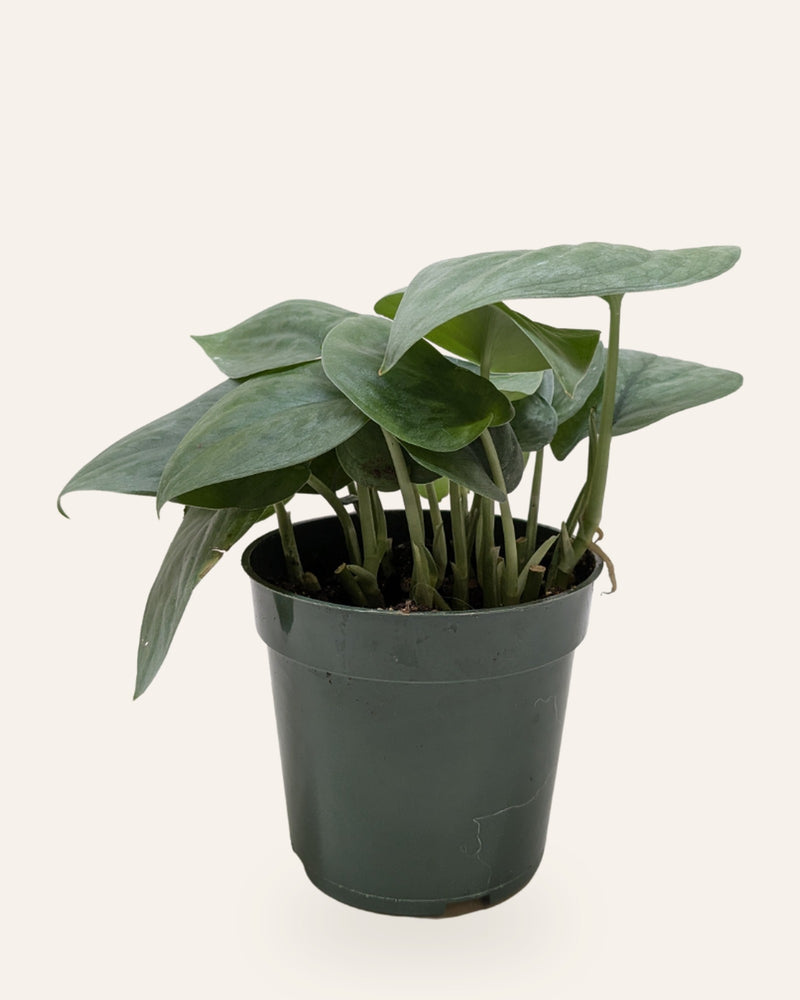
Scindapsus Platinum Java
Scindapsus 'Platinum Java'Pot fit: 4-inch and 6-inch nursery potswater when the soil is dry
from $44.99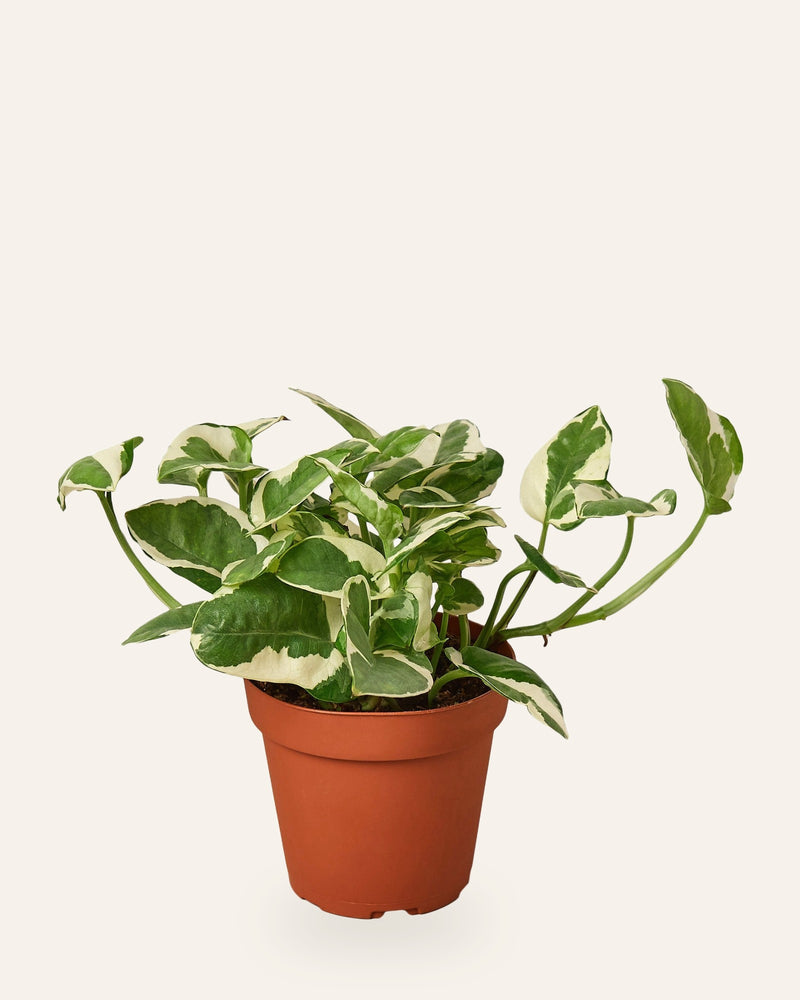
Pothos N'Joy
Epipremnum aureumPot fit: 3-inch and 4-inch nursery potsToxic to cats and dogsWater when the top 1 to 2 inches of soil are dry
from $21.99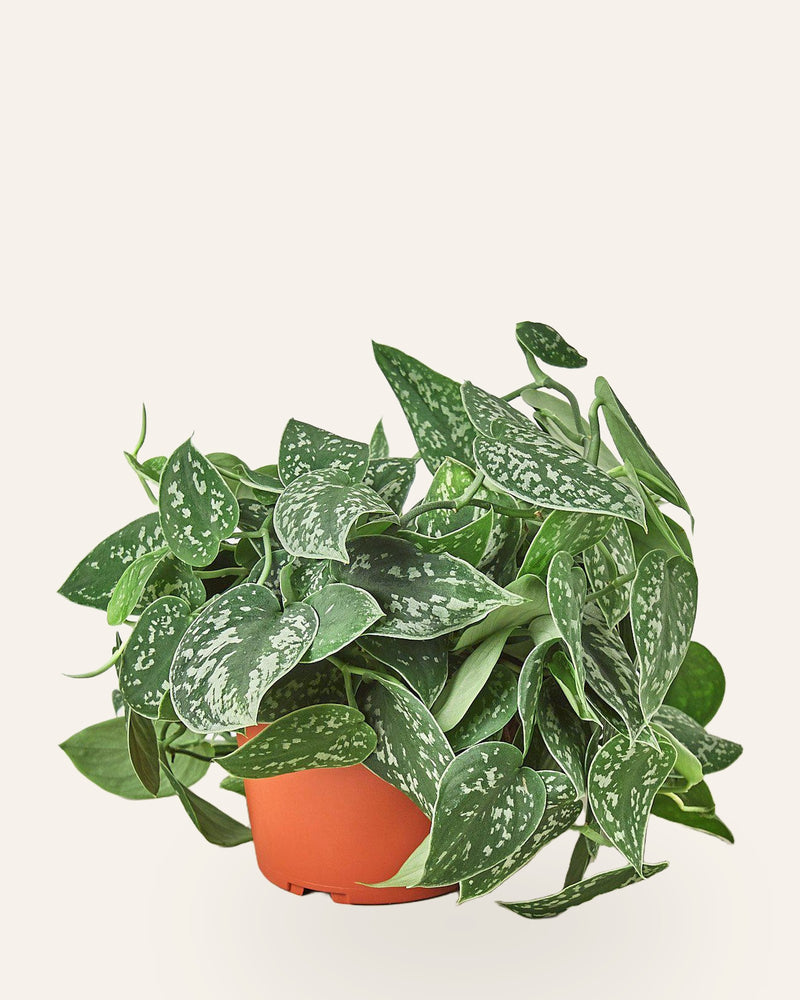
Pothos satén
Scindapsus pictusPot fit: 4-inch and 6-inch nursery potsToxic to cats and dogsWater after the top 1 to 2 inches of soil have dried
from $28.99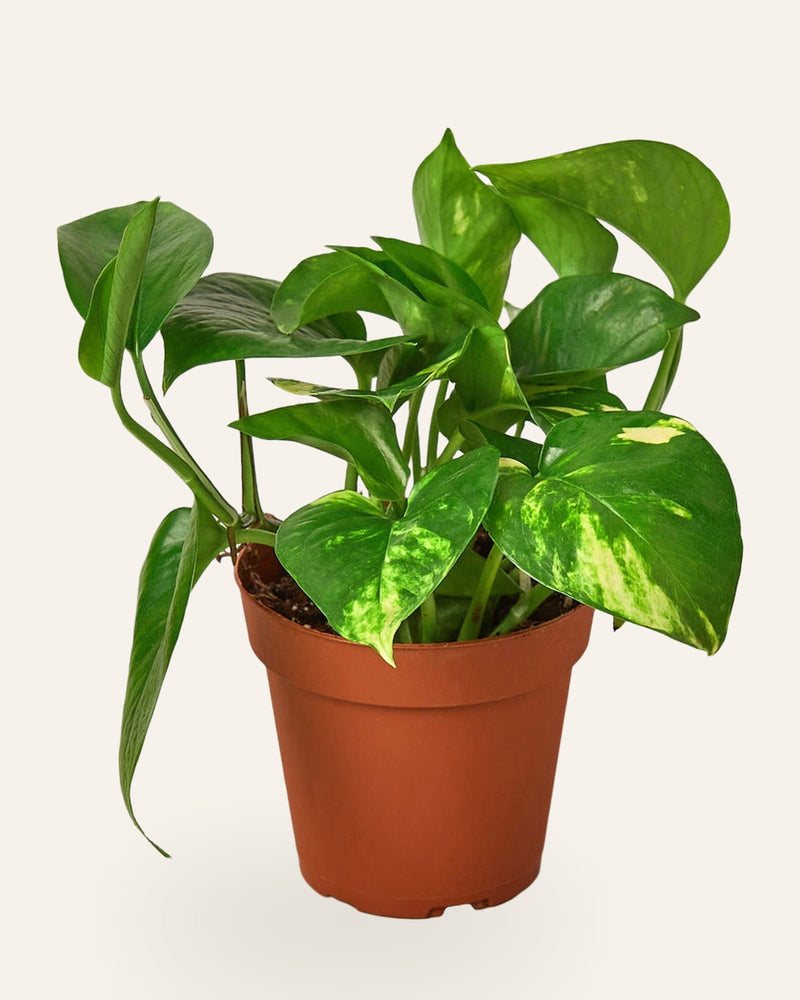
Poto dorado
Epipremnum aureumPot fit: 4-inch and 6-inch nursery potsToxic to cats and dogsWater when the top 2 inches of soil are dry, then drain fully
from $25.99Planters that fit this plant
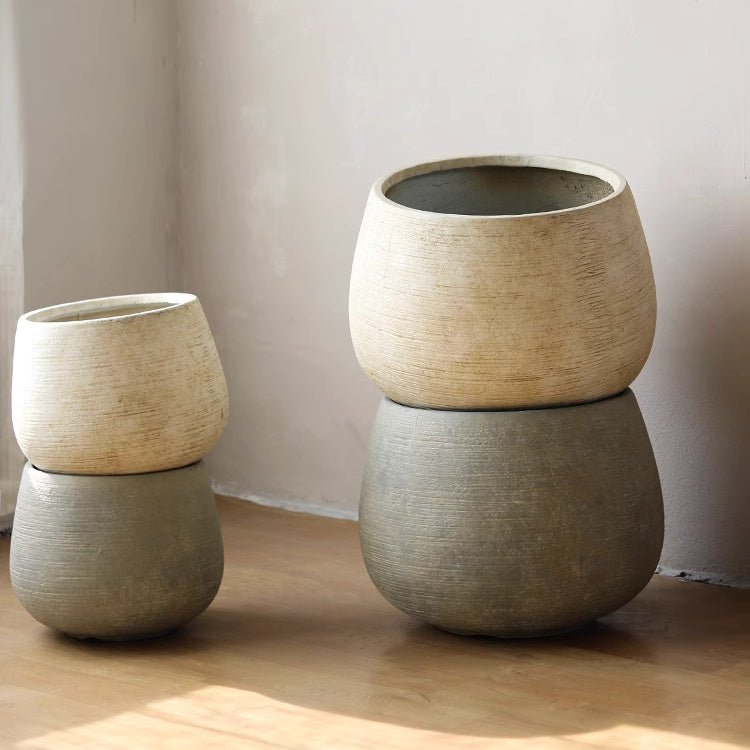
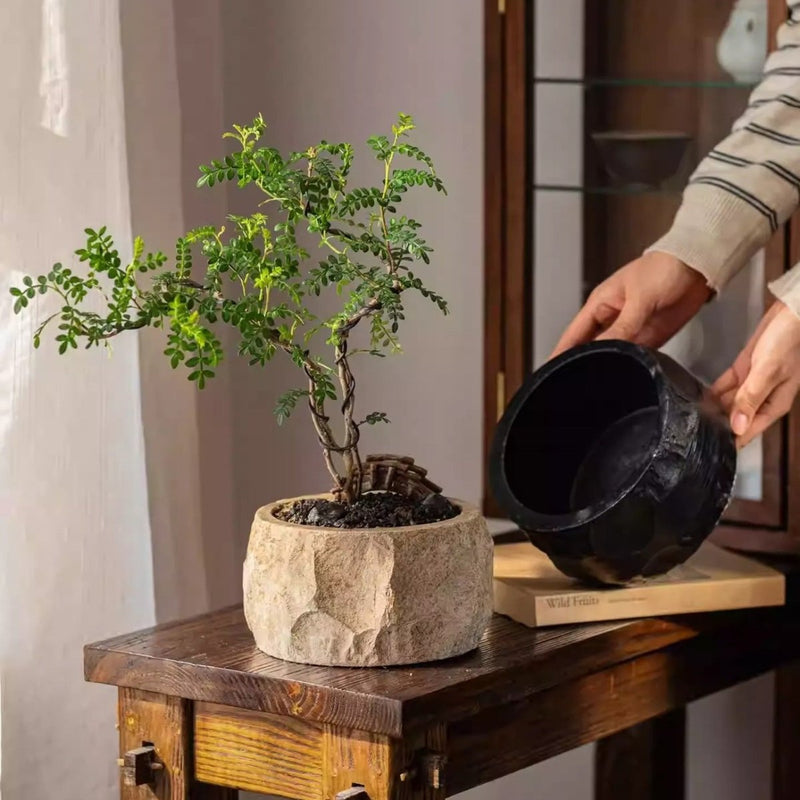
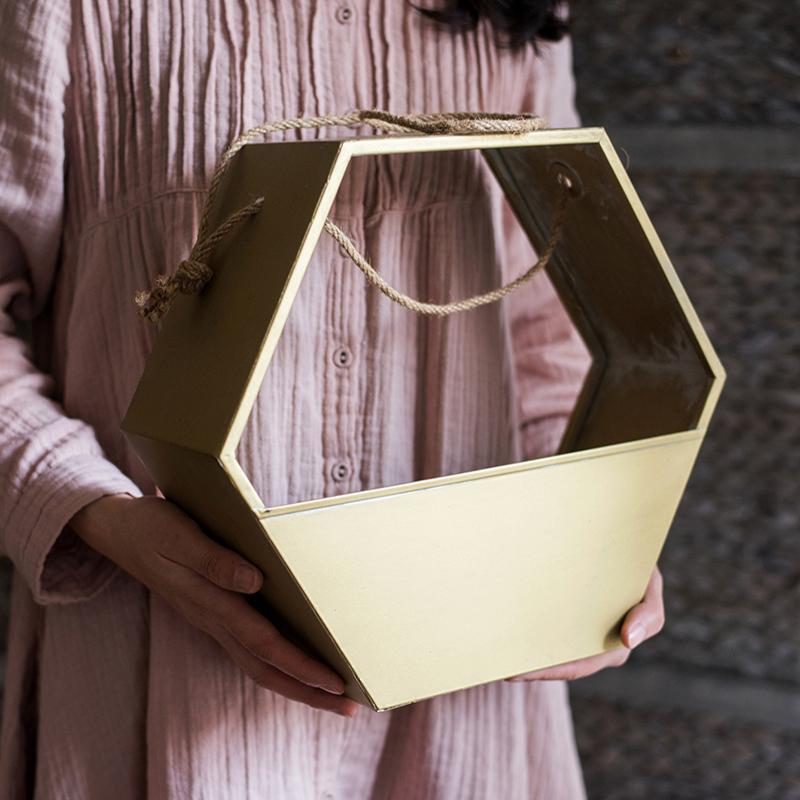
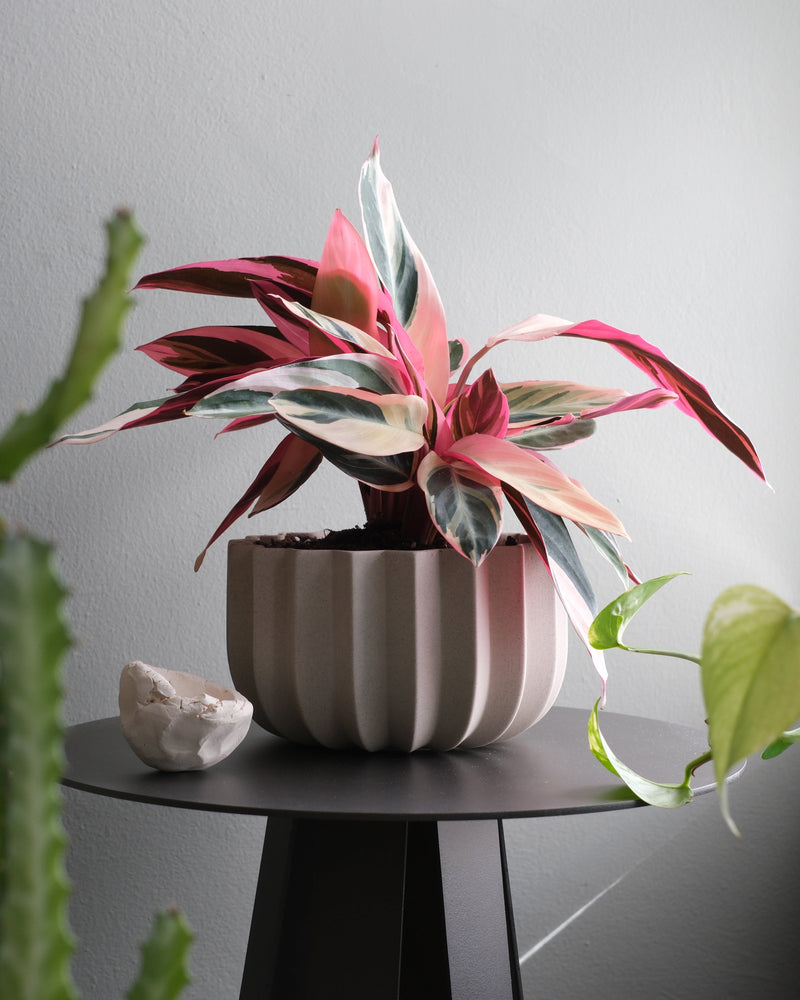
See all plantersMatched to the pot size of Poto Manjula. Planters ship separately from live plants.
Care guides from the Journal
All articlesQuestions people ask
How is Manjula Pothos different from Marble Queen or N'Joy?
Manjula has distinctly wider, undulating wavy leaves with creamy variegation that swirls seamlessly into green, unlike the flatter leaves of Marble Queen or the crisp blocky patches of N'Joy.
How often should I water Poto Manjula?
Allow top 50% of soil to dry out between waterings. Check the soil with a finger rather than watering on a set day.
How much light does Poto Manjula need?
Bright indirect light maintains rich white and emerald marbling. The care card above lists water, size and pot fit.