
Cordyline fruticosa 'Calypso Queen', 3" and 4" Pots
Cordyline fruticosa 'Calypso Queen'
$19.99
- LightBright indirect
- Pot size3" or 4" nursery pot
How to check your light
Hold your hand a foot above the spot at midday and look at the shadow it casts.
- Sharp, dark shadow: bright light.
- Soft, blurry shadow: medium light.
- Faint shadow or none: low light.
Care at a glance (click to expand or collapse)
| Light | Bright indirect light |
|---|---|
| Pot fit | 3" or 4" nursery pot |
Free shipping on live plants. Shipping details · Claim window
Pet safety: ASPCA lists ti plant (Cordyline fruticosa) as toxic to dogs and cats. Check pet guidance
About this plant
Product description
Cordyline fruticosa 'Calypso Queen' is a ti plant grown for its foliage. Growers describe the leaves as a mix of deep burgundy or red, pink and green. It comes in a 3" pot or a 4" pot. The photo shows a standard nursery pot.
Bright light keeps the color strong, and a dim spot gives less color and more green leaf. Water when the top 1 to 2 inches of mix are dry, and keep the room warm. The plant is sensitive to fluoride, so rainwater, distilled or filtered water helps if your tap water is high in it. A good fit for a bright room where the leaves can be seen up close.
Quick facts
- Plant: Cordyline fruticosa 'Calypso Queen' (ti plant)
- Pot sizes: 3" and 4"
- Light: bright light, low light fades the color
- Water: when the top 1 to 2 inches of mix are dry
- Temperature: 65 to 95 F, avoid drafts below 50 F
- Size: one grower lists 3 to 4 feet tall and 2 to 4 feet wide at maturity
- Shipping: Free shipping on live plants in the 48 contiguous states
Care at a glance (general guidance)
| Light | Bright light. Low light gives less color and more green. Harsh direct sun can burn leaves. |
| Water | When the top 1 to 2 inches of mix are dry. Brown leaf tips can show up if the plant stays dry too long. |
| Water quality | Sensitive to fluoride. Use rainwater, distilled or filtered water if tap water is high in fluoride. |
| Temperature | 65 to 95 F. Avoid cold drafts below 50 F. |
| Humidity | Handles normal home humidity and likes more if the air is dry. |
| Repotting | About every 2 years in spring, into a pot 2 inches larger with well-draining mix. |
Where to put this plant
Needs: Bright, indirect light
Find the window you have. Each one gives a different kind of light.
-
East-facing windowGentle morning sun, then bright shade.Best spot
-
South-facing windowBrightest, with sun most of the day.3 to 5 ft back
-
West-facing windowStrong, hot afternoon sun.Use a sheer curtain
-
North-facing windowSoft, steady light with no direct sun.Too dim
Distance changes it too
Grows well alongside
Plantas Vivas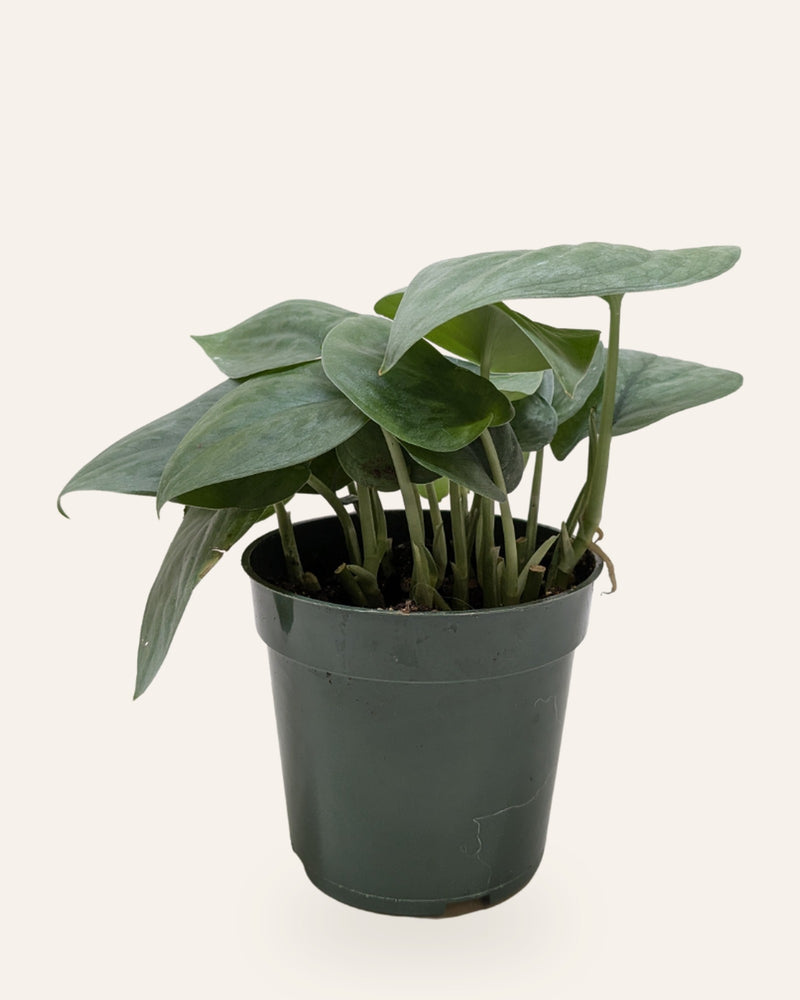
Scindapsus Platinum Java
Scindapsus 'Platinum Java'Pot fit: 4-inch and 6-inch nursery potswater when the soil is dry
from $44.99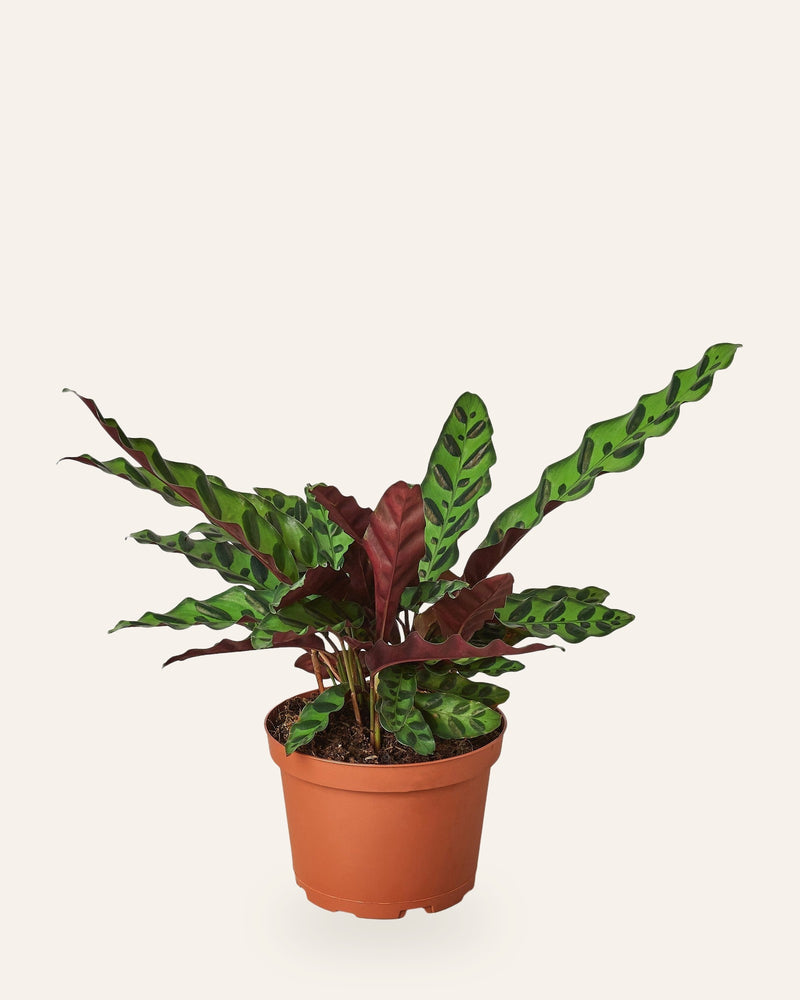
Planta serpiente de cascabel
Goeppertia insignis (Calathea lancifolia)Pot fit: 4-inch and 6-inch nursery potsEvery 1 to 2 weeks
from $30.99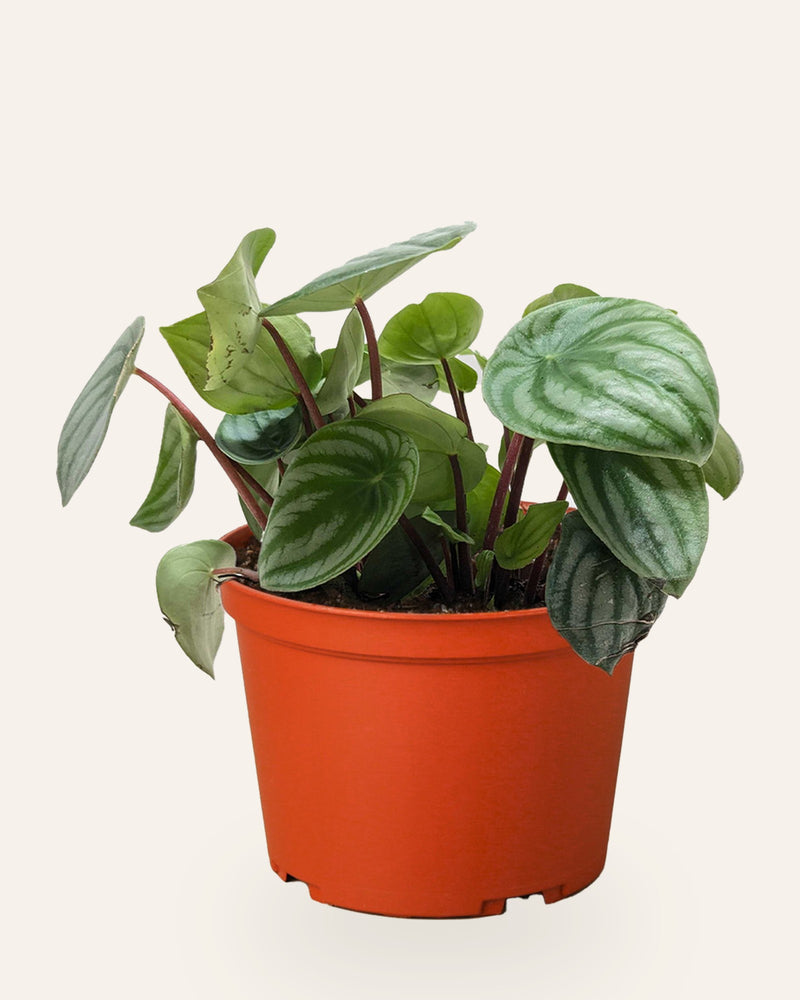
Peperomia sandía
Peperomia argyreiaPot fit: 4-inch nursery potPet-friendly for cats and dogsEvery 1 to 2 weeks
$27.99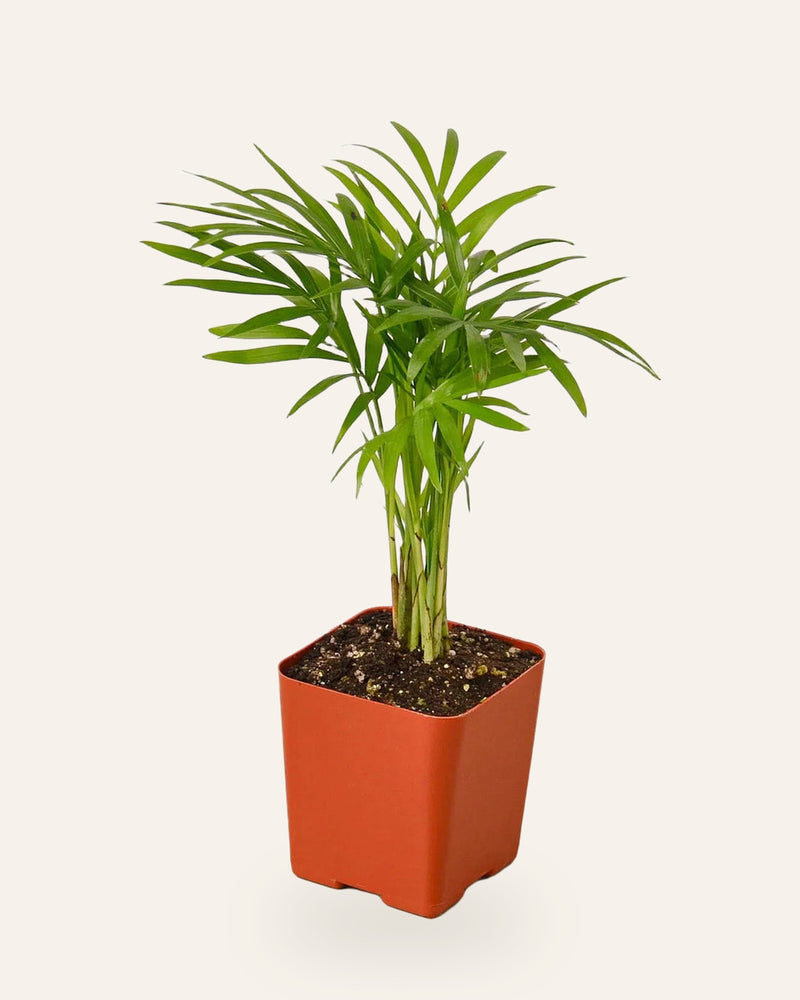
Palma de salón
Chamaedorea elegansPot fit: 4-inch and 6-inch nursery potsPet-friendly for cats and dogsWater when the top 1 to 2 inches of potting mix feel dry
from $21.99Planters that fit this plant
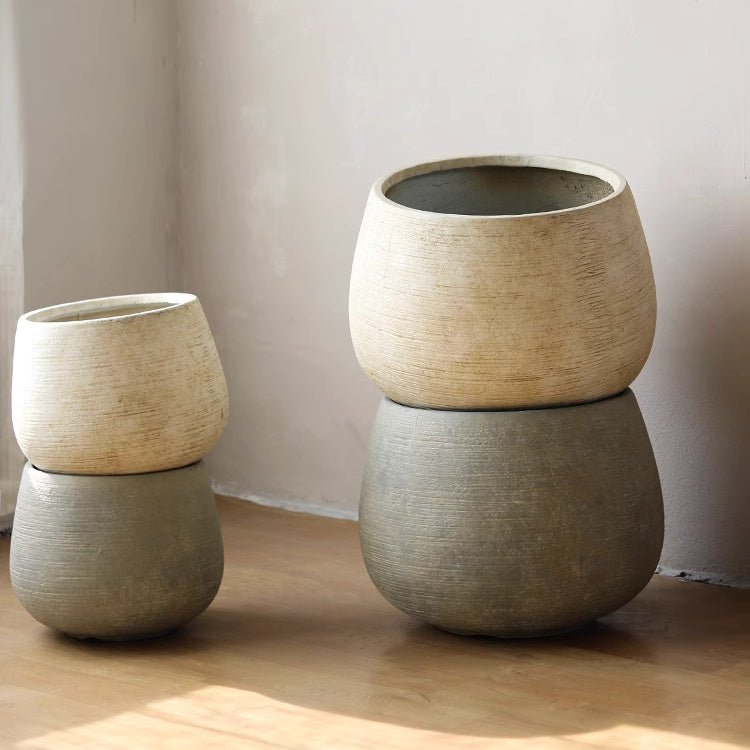
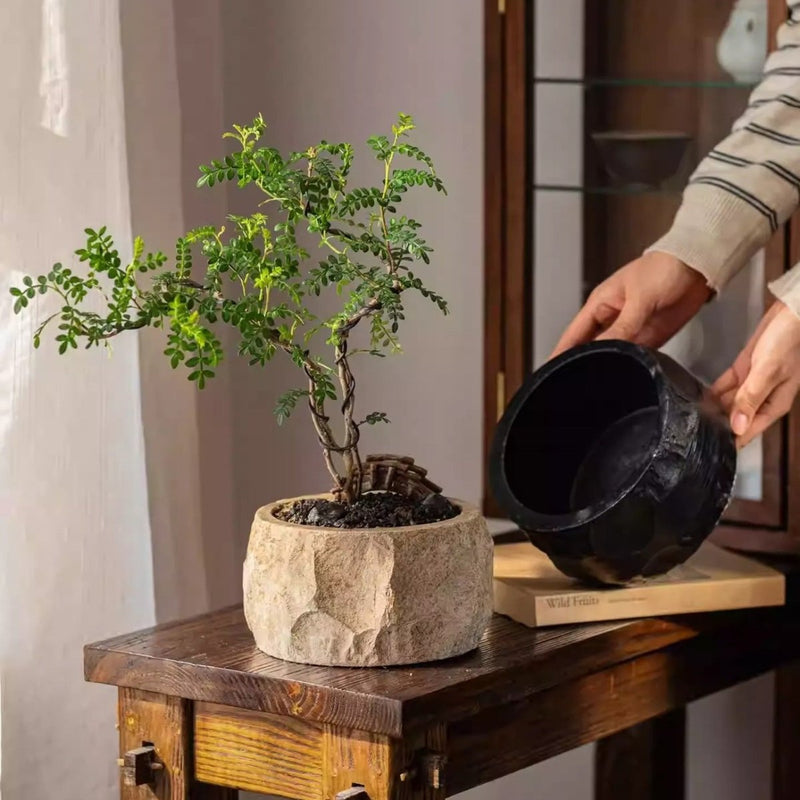
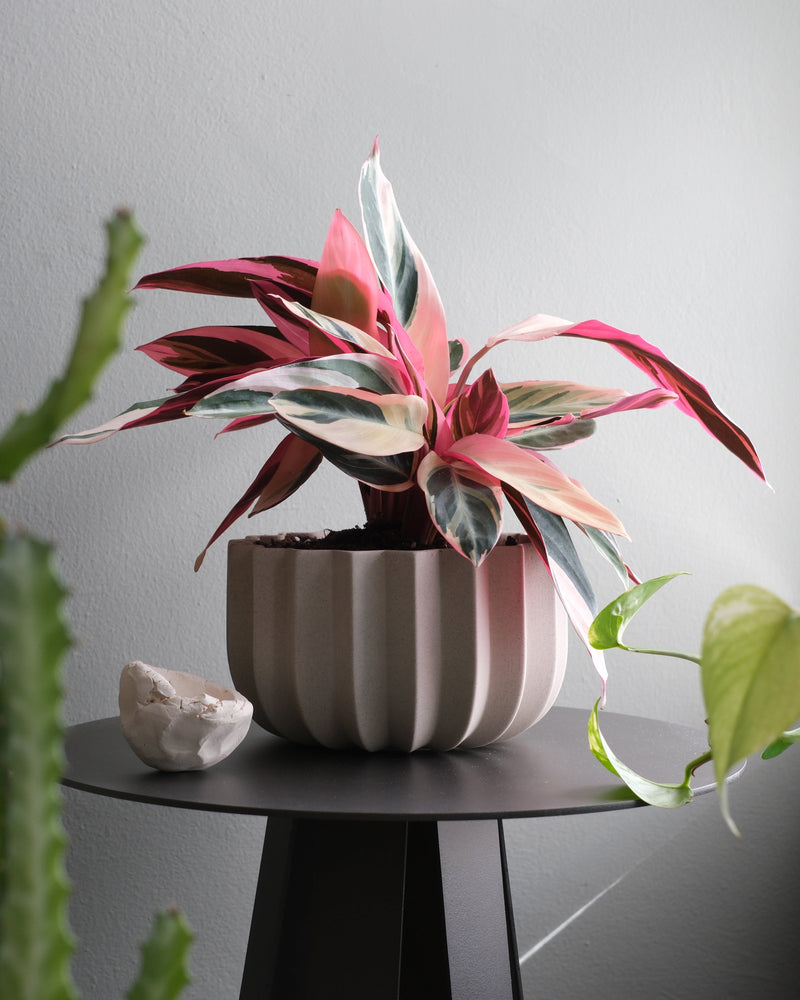
See all plantersMatched to the pot size of Cordyline fruticosa 'Calypso Queen', 3" and 4" Pots. Planters ship separately from live plants.
Care guides from the Journal
All articlesQuestions people ask
What is a Ti plant?
A Ti plant (Cordyline fruticosa) is a tropical foliage plant grown for bold leaves in purple, pink, red, cream or white, and it is also sold as cordyline, cabbage palm or good luck plant. Indoors it grows slowly in a pot. In frost-free areas it is planted outdoors as a landscape shrub, hardy in USDA zones 10 to 12.
Are cordylines hard to take care of?
A cordyline plant (Cordyline fruticosa) is manageable to care for indoors when it gets bright indirect light, water after the top 1 to 2 inches of mix dry, and a room at 65 to 95 F. Low light gives less color and more green leaf. Brown leaf tips point to dry air, so a humidifier helps. Rainwater, distilled or filtered water helps if tap water is high in fluoride.
What are the common problems with Cordyline?
The common problems with a cordyline plant (Cordyline fruticosa) are brown leaf tips, faded color, and insects such as spider mites, mealybugs, scale, aphids and thrips. Brown tips come from dry air, uneven watering or fluoride in tap water. Low light fades color, and temperatures below 50 F harm the plant. Leaf spot can follow overwatering, so keep air moving and let the top inch or two of mix dry.
People also ask
How big does a red Cordyline grow?
A red Cordyline (Cordyline fruticosa) grows to a size that depends on the variety and the setting, since the species reaches 9 to 15 feet tall and 3 to 8 feet wide in the landscape. Meanwhile 'Calypso Queen' is listed by one grower at 3 to 4 feet tall and 2 to 4 feet wide. Indoor plants stay smaller than outdoor ones, and growth in a pot is slow.
When can you plant Cordyline?
A cordyline plant (Cordyline fruticosa) can be planted outdoors once nights stay above 50 F, and it grows outdoors year round only in USDA zones 10 to 12, so colder areas keep it in a pot. Outdoors, choose part shade away from direct sun. The plant does not tolerate temperatures below 50 F, so move potted plants inside before cold nights.
How to replant a ti plant?
To replant a ti plant (Cordyline fruticosa), repot in spring into a pot about 2 inches wider than the current one, with drainage holes and a well-draining mix that contains perlite. Set the plant at the same depth it grew before, firm the mix lightly, and water thoroughly. A potted plant needs repotting about every 2 years, or when roots show at the drainage holes.
How to make ti plant pink?
To bring out pink and red in a ti plant (Cordyline fruticosa), give it bright indirect light and feed it several times a year to maintain color. Leaf color depends first on the variety, and low light makes colored leaves revert toward green. Direct sun can burn the leaves, so bright light without harsh sun works best. Color on any single plant is not promised.