
Planta cebra
Aphelandra squarrosa
$32.99
- LightBright indirect
How to check your light
Hold your hand a foot above the spot at midday and look at the shadow it casts.
- Sharp, dark shadow: bright light.
- Soft, blurry shadow: medium light.
- Faint shadow or none: low light.
Care at a glance (click to expand or collapse)
| Light | Bright indirect light |
|---|---|
| Care level | Moderate: wants steady light and a soil check before each watering |
 Técnicas de cuidado de la planta ZZ para que las plantas de interior prosperenCare notes by Nick Alan
Free shipping on live plants. Shipping details · Claim window
ASPCA lists this plant as non-toxic to cats and dogs. A general advisory, not a guarantee: chewing can still upset a pet. Check pet guidance
About this plant
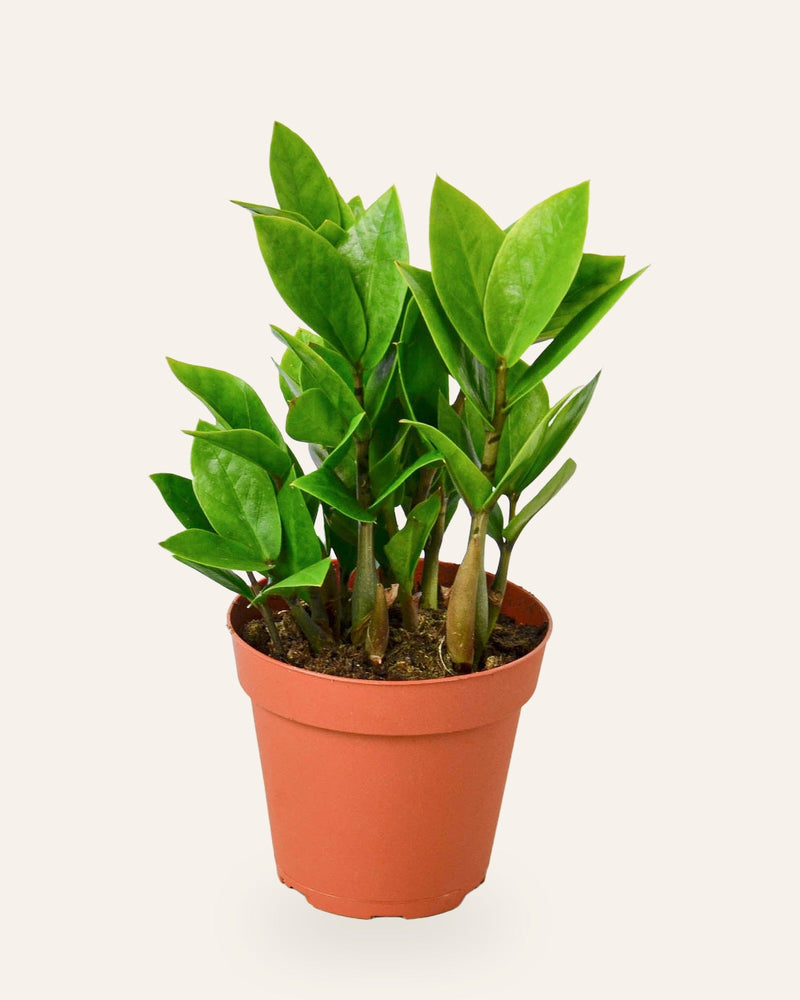
Técnicas de cuidado de la planta ZZ para que las plantas de interior prosperen
Care notes by Nick AlanPlanta cebra (Aphelandra squarrosa), maceta de 4"
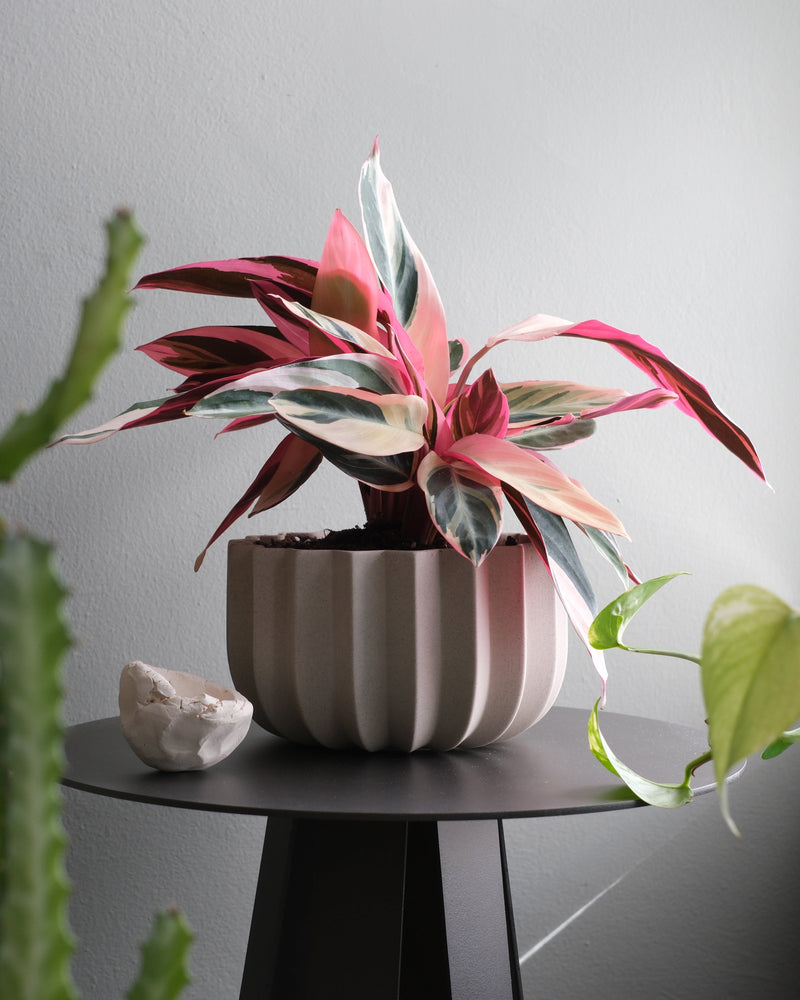
Sus hojas oscuras y brillantes presentan marcadas venas blancas, de donde proviene su nombre. Una maceta de 4" es ideal para un escritorio, un estante o un alféizar luminoso. A esta planta le gustan las condiciones estables y premia con su belleza un lugar donde pueda permanecer.
Luz
Luz brillante e indirecta. Le conviene un lugar cerca de una ventana orientada al este o al norte, o a unos metros de una ventana más soleada. El sol directo intenso puede quemar las hojas.
Riego
Mantenga la tierra uniformemente húmeda, nunca empapada ni completamente seca. Riegue cuando la parte superior de la tierra empiece a sentirse seca y vacíe el agua que se acumule debajo de la maceta.
Humedad y temperatura
Prefiere una habitación cálida con algo de humedad. Manténgala alejada de corrientes de aire frío y rejillas de calefacción.
Mascotas
La ASPCA clasifica esta planta (Aphelandra squarrosa) como no tóxica para perros y gatos.
Preguntas y respuestas
¿Cómo cuidar una planta cebra?
Déle luz brillante e indirecta, mantenga la tierra uniformemente húmeda y la habitación cálida y alejada de corrientes de aire. Limpie las hojas de vez en cuando para que las venas blancas se mantengan nítidas.
¿Con qué frecuencia regar una planta cebra?
Cuando la parte superior de la tierra se sienta seca. Revísela cada pocos días en lugar de seguir un horario fijo y riegue menos en invierno.
Where to put this plant
Needs: Bright, indirect light
Find the window you have. Each one gives a different kind of light.
-
East-facing windowGentle morning sun, then bright shade.Best spot
-
South-facing windowBrightest, with sun most of the day.3 to 5 ft back
-
West-facing windowStrong, hot afternoon sun.Use a sheer curtain
-
North-facing windowSoft, steady light with no direct sun.Too dim
Distance changes it too
Grows well alongside
Plantas Vivas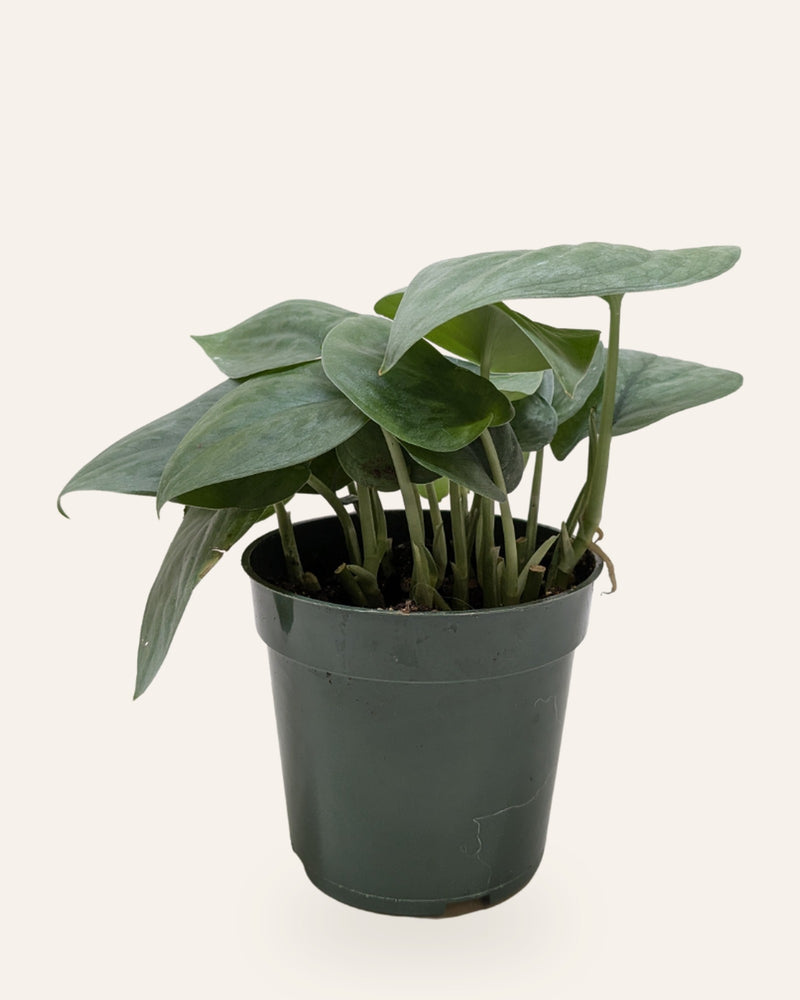
Scindapsus Platinum Java
Scindapsus 'Platinum Java'Pot fit: 4-inch and 6-inch nursery potswater when the soil is dry
from $44.99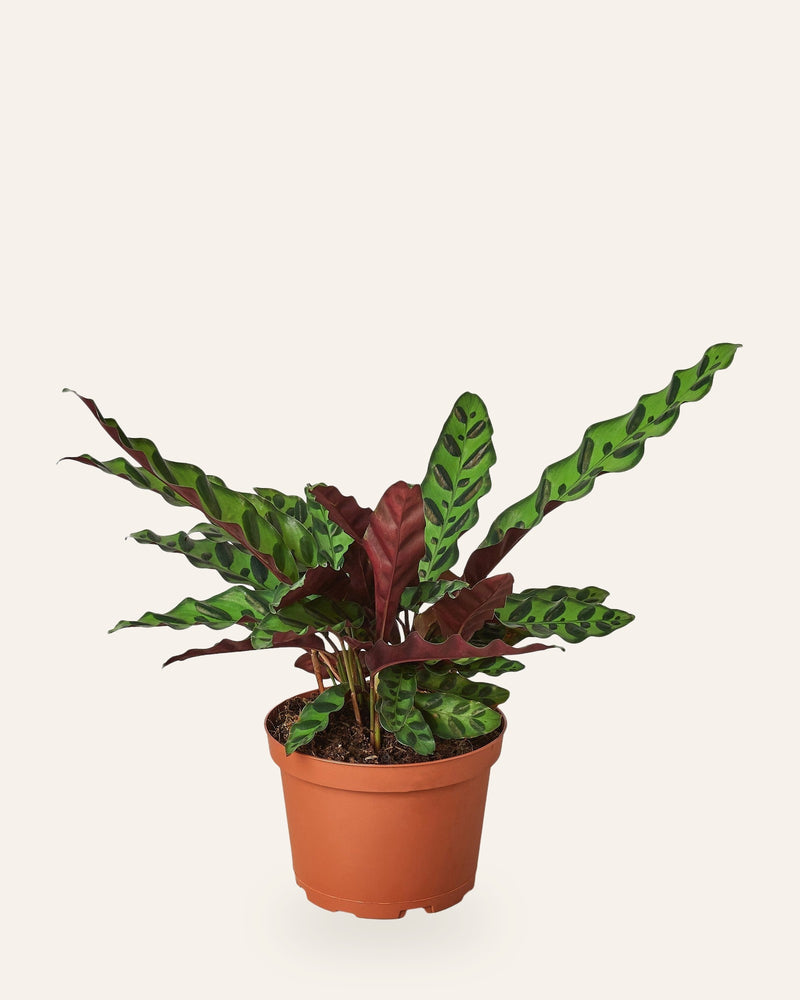
Planta serpiente de cascabel
Goeppertia insignis (Calathea lancifolia)Pot fit: 4-inch and 6-inch nursery potsEvery 1 to 2 weeks
from $30.99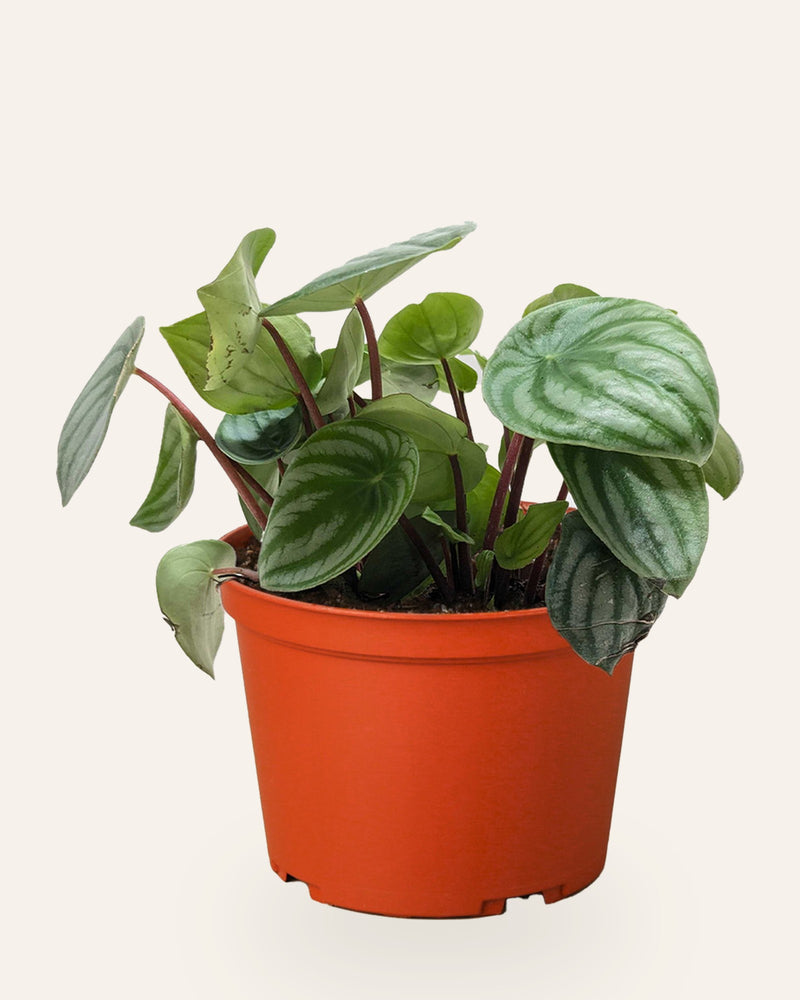
Peperomia sandía
Peperomia argyreiaPot fit: 4-inch nursery potPet-friendly for cats and dogsEvery 1 to 2 weeks
$27.99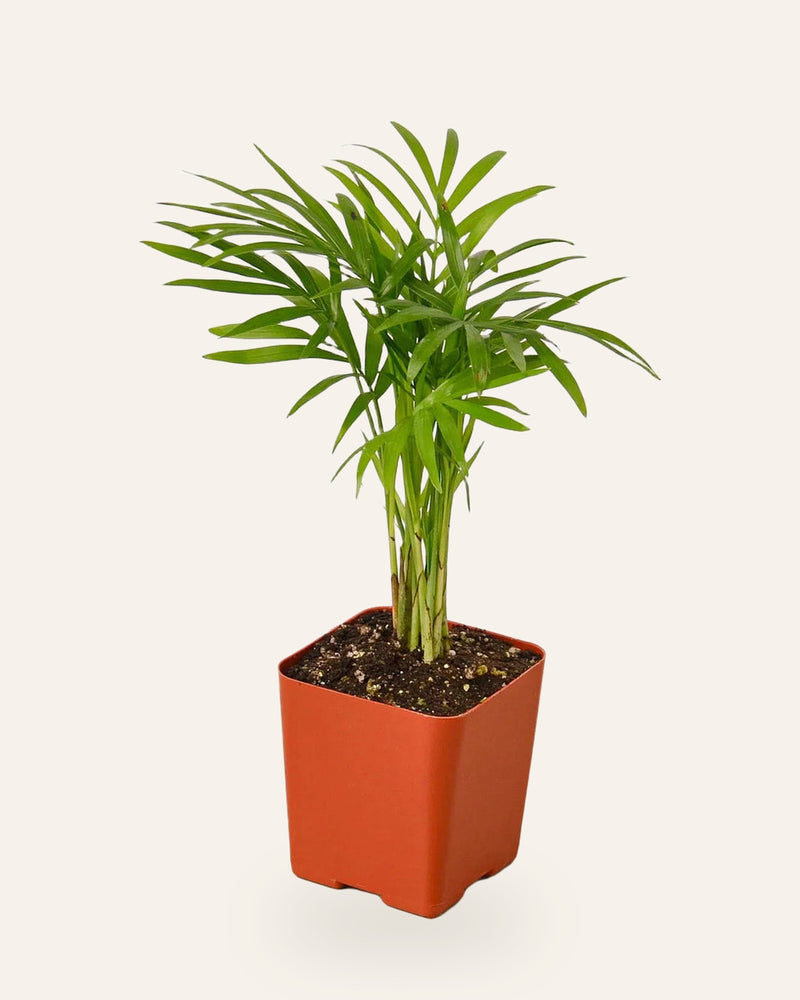
Palma de salón
Chamaedorea elegansPot fit: 4-inch and 6-inch nursery potsPet-friendly for cats and dogsWater when the top 1 to 2 inches of potting mix feel dry
from $21.99Planters that fit this plant
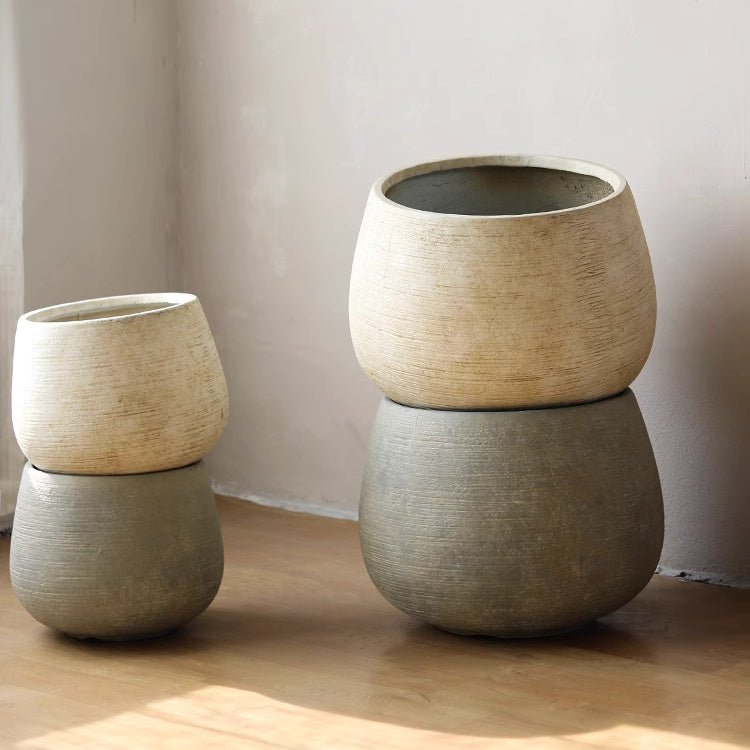
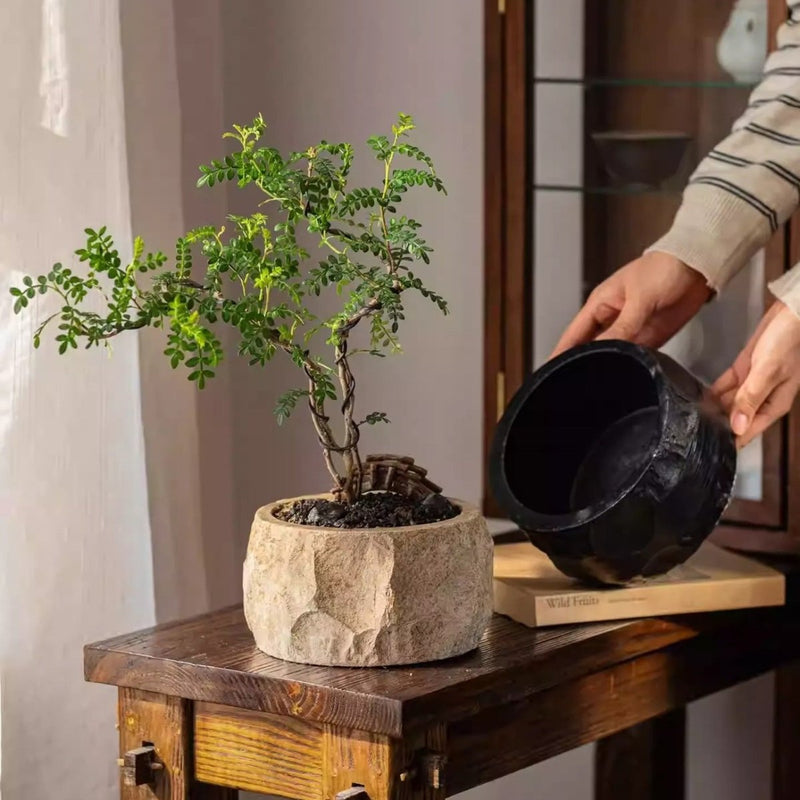
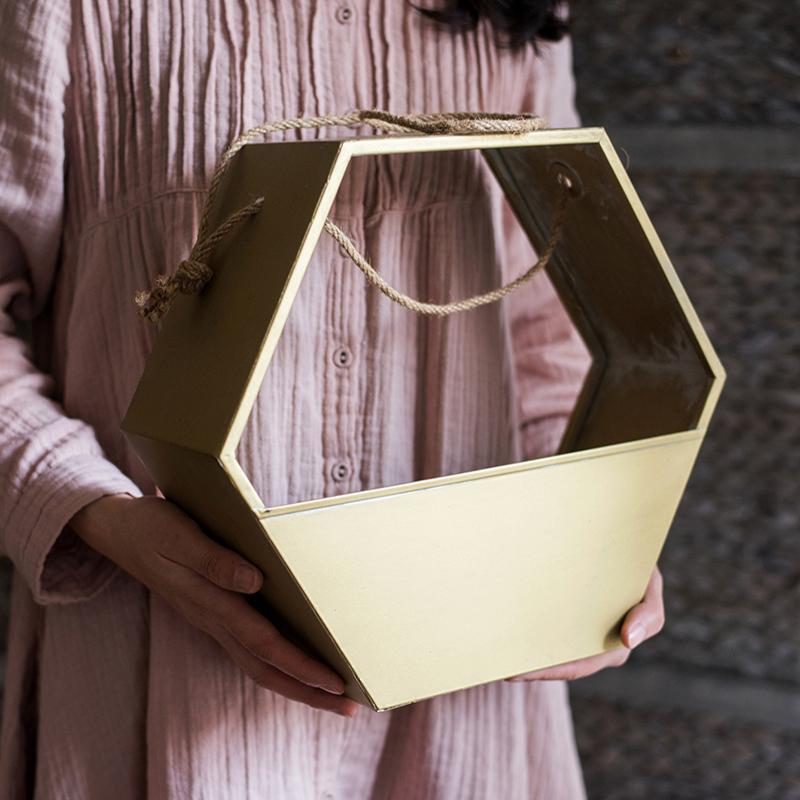
See all plantersMatched to the pot size of Planta cebra. Planters ship separately from live plants.
Care guides from the Journal
All articles
Técnicas de cuidado de la planta ZZ para que las plantas de interior prosperen
Descubre consejos de expertos sobre el cuidado de la planta ZZ para un crecimiento y un...
Plantas de interior para regalar que sobreviven al invierno (y al envío)
Diez plantas de interior para regalar que aguantan el invierno y el envío, desde un cac...
Las mejores plantas de interior para la cocina (que sobreviven al vapor, el calor y los rincones con poca luz)
¿Qué plantas de interior aguantan el vapor y el calor de la cocina y los rincones con p...
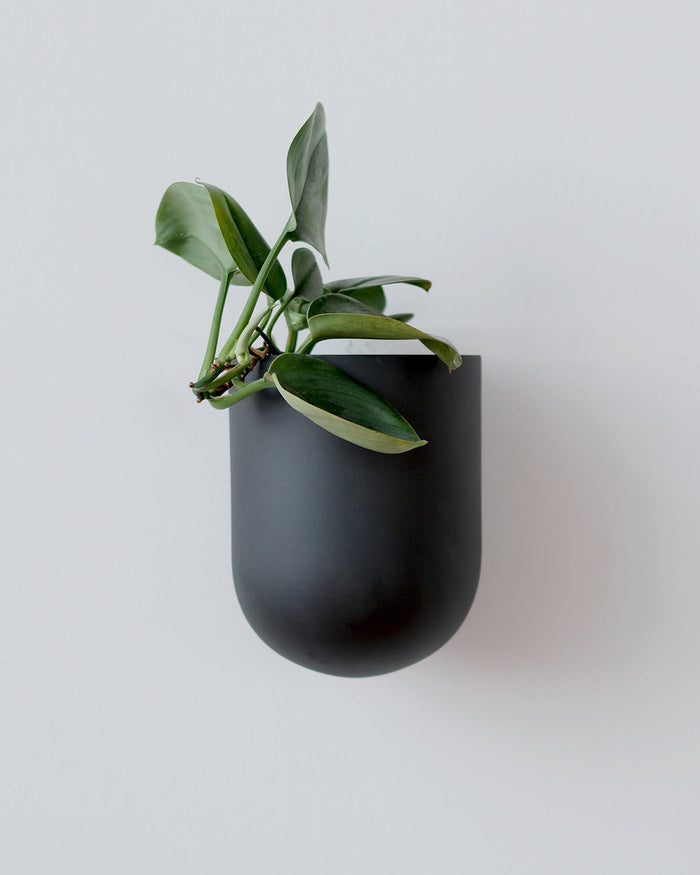
Ideas de jardineras de pared: 7 formas de decorar tus paredes con plantas
Siete ideas de jardines verticales de interior, desde una sola maceta hasta un pequeño ...
Questions people ask
How do I care for Planta cebra?
Start with the care card above. For the full routine, read Técnicas de cuidado de la planta ZZ para que las plantas de interior prosperen.