Wall Planter Ideas: 7 Ways to Style Plants on Your Wall
Seven indoor wall-planter ideas, from a single pot to a small group, with practical tips for light, watering access and choosing a layout.

At a glance
A wall planter can fill an empty patch beside a window or bring a plant into a room with crowded shelves. Start with one spot that gets suitable light and is easy to reach for watering. Then choose a layout that leaves room for the plant to grow.
Here are seven indoor wall-planter ideas, from a single pot to a small group. Use them as starting points rather than fixed rules about spacing or the number of planters you need.
Check the light before planning the layout
Look at the light where the leaves will sit, not just at the nearest window. A wall around a corner or far from the glass can receive much less light than the windowsill.
Our window light guide helps you assess the position. Then compare the best plants for wall and hanging planters for their light and watering needs. Choose the plant and its pot size before settling on a planter.
1. Make a small group at different heights
Try a loose triangle of three planters, with the largest or fullest plant slightly off-center. Leave enough space between them for leaves, rather than measuring the gaps between empty pots alone.
Repeating one planter shape gives the group something in common. The Triple Bubbles Wall Planter is one option for a display built around a repeated shape. Test the arrangement with paper outlines before choosing mounting positions.

2. Repeat a shape along a bright hallway
A row of matching planters can give a long wall a sense of rhythm. Keep the pots aligned, then let different plant shapes add variation.
Use this idea only where there is suitable light and enough clear walking space. Keep leaves and pots away from door swings and shoulders. A hallway that stays dark needs a different location or suitable grow lighting before it can support a plant display.
3. Give one planter room to stand out
One pot can be enough beside a reading chair or near a window. Leave some empty wall around it so the shape of the planter and the leaves are easy to see.
The Bender Wall Planter is a rounded style reference and is currently sold out. For another wall-mounted option, compare the Ribbed Wall Planter, Rectangle. Its straight lines create a different look while keeping the display to one pot. Check the selected size and drainage option before ordering.
4. Build a display beside a console
Use the console as a visual anchor and position a planter beside or above its edge. A framed print on the table can balance the plant without filling the whole wall.
Leave space for trailing stems and for lifting the pot out. Choose a position where you can reach it comfortably, and follow the mounting instructions for your wall and the complete watered display.
5. Use the wall beside a kitchen window
A planter beside a window can add greenery while keeping a worktop clear. Check the light at the proposed height, and leave clearance from cupboard doors, cooking heat and appliances.
Plan how you will water before mounting anything. A removable inner pot can be taken to the sink, drained and returned. Check the selected option for drainage and any tray; do not assume everything shown in a photo is included.
6. Mix a planter with framed art
Choose one shared detail, such as a dark frame and a dark planter, then vary the shapes. You can also keep the frames quiet and use the planter as the main color.
Lay out paper shapes for the frames and pots together. Include the plant's spread and trailing stems in the mock-up, and leave access for watering so you do not have to move the artwork each time.
7. Use a hanging pot beside a window
When the best light is away from a flat wall, a suspended pot may suit the space better. Palma's Hanging Sakura Planter is a hanging option to compare with wall-mounted styles.
Choose the pot position first, then check the manufacturer's mounting instructions and hardware requirements. A hook and a planter are not automatically a compatible pair. Leave enough room to take the pot down without catching its leaves or cords.

Ready to install the display? Read how to hang a wall planter and choose a mount for placement, wall type and watered-weight checks.
Still choosing the pot style? Our wall planter versus hanging planter guide compares the space and care access each needs.
Compare planters for these indoor wall ideas
| Planter and placement | Listed size example | Drainage |
|---|---|---|
|
Triple Bubbles Wall mounted |
Small: 4 inches wide and deep, 3.2 inches high | Spiral drainage |
|
Ribbed Rectangle Wall mounted |
Regular: 5.2 inches long, 3.2 inches wide, 3 inches high | Choose with or without drainage |
|
Hanging Sakura Suspended |
Small: 4.5-inch outside diameter, 4 inches high | Spiral drainage and twist-on drip tray |
These are listed product dimensions, not guaranteed nursery-pot fits. Check the selected option, usable inside space, current availability and mounting requirements before ordering. Plan where drainage water will go and empty any tray after watering.
Choose the plant, then finish the display
Use our wall and hanging planter plant guide to narrow the choices by light, trailing habit and watering needs. Plants in the same display can stay in separate pots so you can care for each one individually.
Browse the Hanging & Wall Planters collection to compare shapes. Before ordering, check the selected size, internal dimensions, drainage details and mounting requirements.
Nick Alan is the founder of Palma and has grown plants for 25+ years. He writes the shop's care guides and built the watering, soil and light tools.
View author profilePlants to grow next
Easy-care plants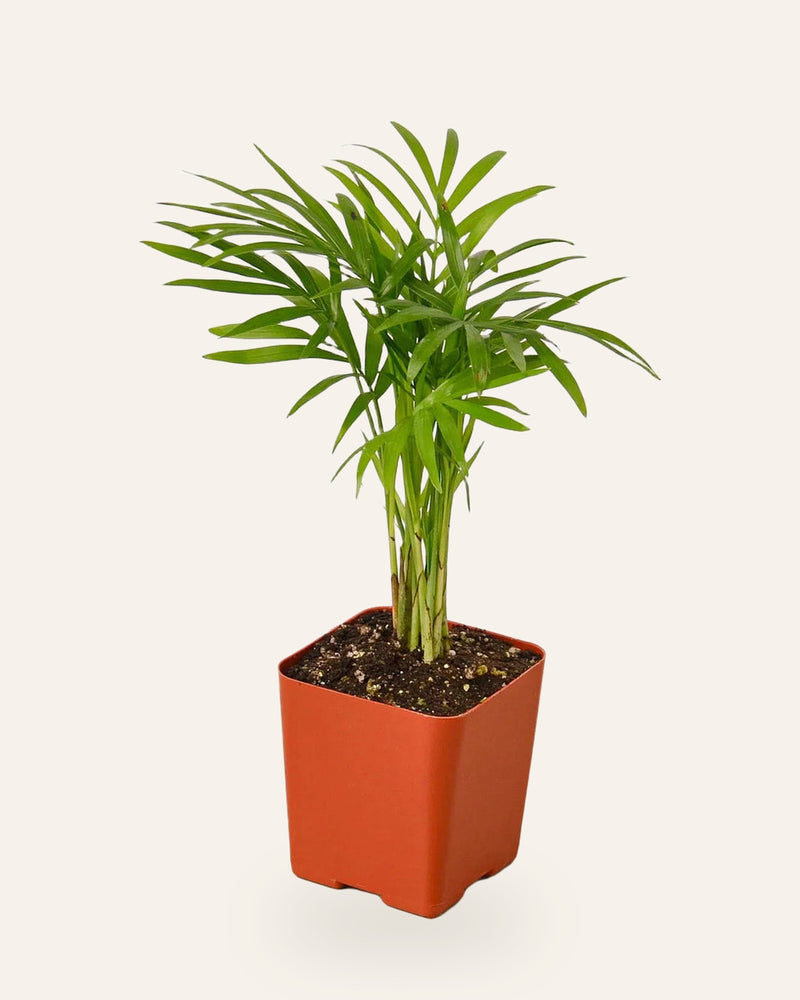
Parlor Palm
Chamaedorea elegansPot fit: 3", 4" or 6" nursery potWater when the top 1 to 2 inches of potting mix feel dry
from $21.99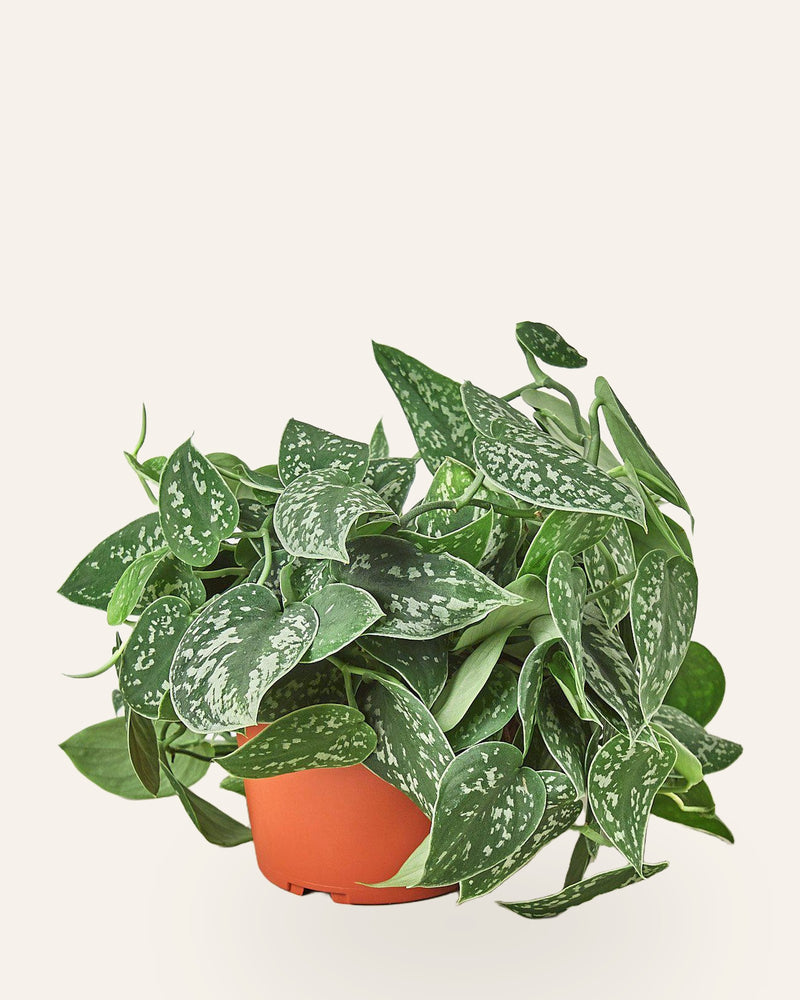
Satin Pothos
Scindapsus pictusPot fit: 4" or 6" nursery potWater after the top 1 to 2 inches of soil have dried
from $28.99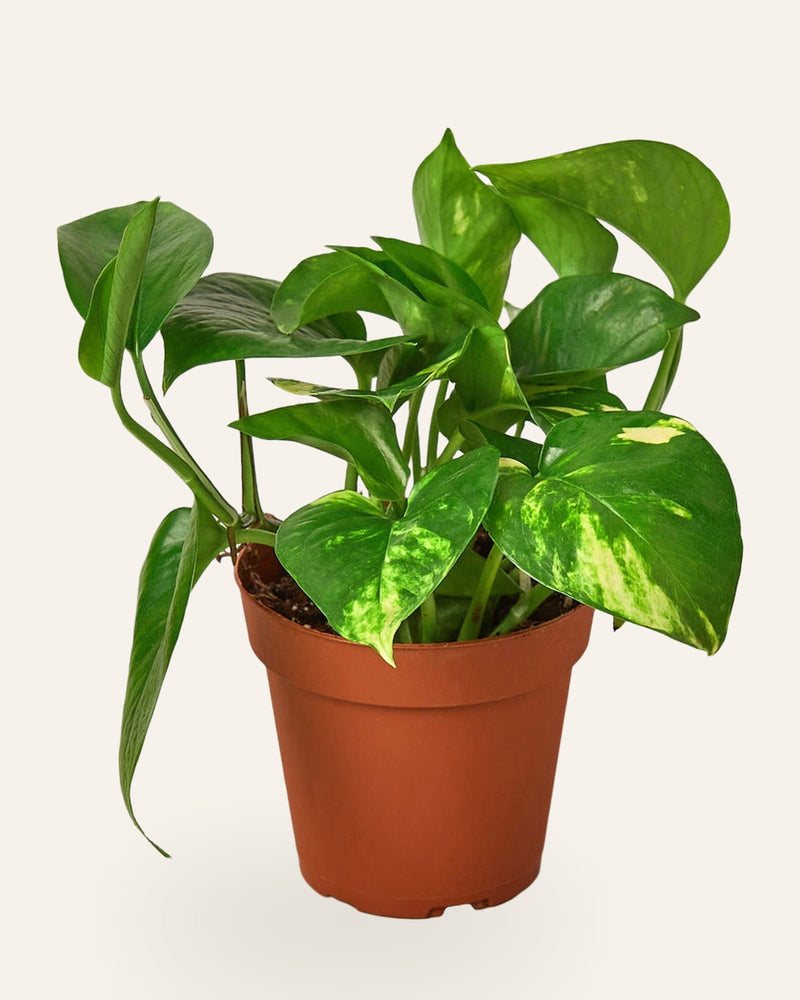
Golden Pothos
Epipremnum aureumPot fit: 4" or 6" nursery potWater when the top 2 inches of soil are dry, then drain fully
from $25.99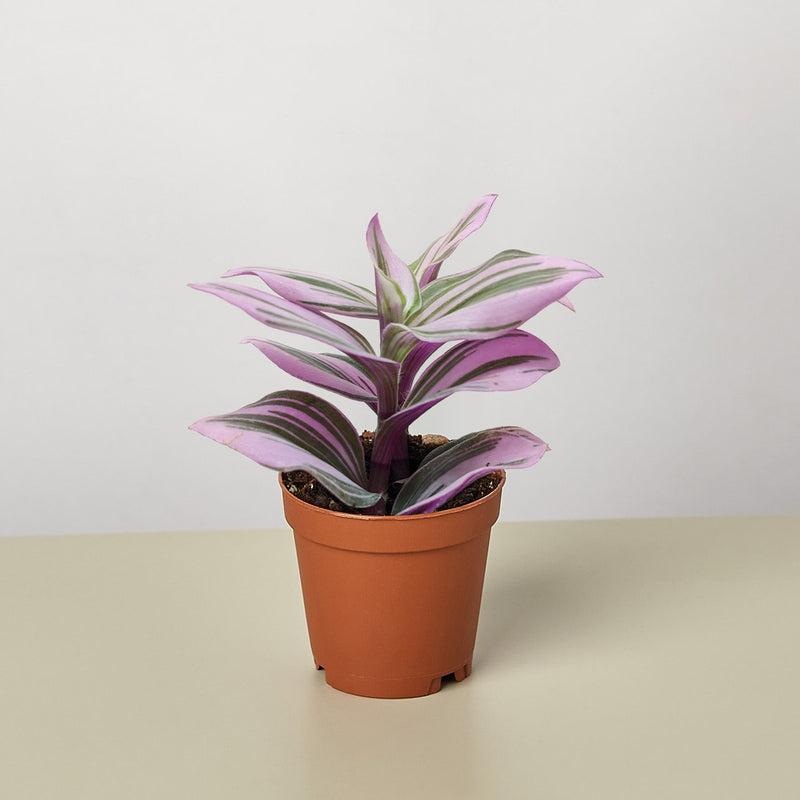
Tradescantia 'Nanouk'
Tradescantia albiflora 'Nanouk'Pot fit: 4" or 6" nursery potwhen the top inch of soil is dry
from $31.99Keep going with the care library
Care pages by plant, plus the watering and light calculators and the plant doctor.
More from the Journal
All Journal articles
Wall Planter vs Hanging Planter: How to Choose
Compare wall-mounted and hanging planters by position, pot fit and watering access. Check drainage and mounting details be...

How to Hang a Wall Planter and Pick the Right Mount
Plan a wall or hanging planter around light, watering access, wall type and the complete watered load. Learn what to check...

Best Plants for Wall and Hanging Planters
Choose a plant for your wall or hanging planter by light, watering needs and trailing habit. Compare pothos, heartleaf phi...