Money Tree How to Care: Light, Water and Pruning
Short answer: Give your money tree bright, indirect light, water it when the top of the soil starts to dry, and let every extra...

At a glance
Short answer: Give your money tree bright, indirect light, water it when the top of the soil starts to dry, and let every extra drop drain away. Standing water is the fastest way to lose one. Keep it in a warm room, roughly 65 to 75°F, and it will settle in as a tidy, tree-shaped houseplant.
The money tree, Pachira aquatica, is also sold as pachira. Most come with a braided trunk and a crown of glossy, hand-shaped leaves. It looks like it needs a lot of fuss. It does not. It needs a good window, a pot that drains, and a little patience with the watering can.
Money tree care at a glance
Shop Money Tree Browse all indoor trees
Our money tree
 Money Tree
What a money tree wants
Think of where it comes from: warm, humid wetlands. Indoors, that translates into three simple needs.
- Bright, indirect light. Think a spot near an east or south window, or a few feet back from a west window.
- A warm room. University of North Carolina extension notes it thrives at 65 to 75°F in humid conditions.
- Soil that holds some moisture but drains freely.
If you can offer those, everything else is fine tuning.

Light
Bright light keeps the trunk sturdy and the leaves full. Direct sun for a few hours is tolerated, but North Carolina State Extension warns that leaf scorch can occur from direct sunlight, so a sheer curtain helps during hot afternoons.
Too little light shows up slowly. The plant stretches, new leaves come in small, and the crown looks thin. If that sounds familiar, move it closer to the window.
Turn the pot a quarter turn each time you water. The crown leans toward the light, and a regular turn keeps it from growing lopsided.
How to water a money tree
This is where most money trees get into trouble, so go slowly.
- Check the soil first. Push a finger about an inch or two into the mix. If it feels dry, water. If it feels damp, wait a few days.
- Water until it runs out of the bottom. Soak the whole root ball, not just the surface.
- Empty the saucer. Roots sitting in a pool of water can rot. NC State Extension says standing water is not tolerated and can cause root rot.
- Water less in winter. Growth slows in cooler, darker months, so the soil takes longer to dry.
The same source notes that leaves may drop if the soil dries out completely. So the goal is a middle path: evenly moist, never soggy, never bone dry.

Soil and pots
Use a loose, well-draining potting mix. Extension guidance suggests blends that include peat moss, perlite or sand. Any quality indoor mix with a handful of perlite stirred in works well.
Pick a pot with a drainage hole. A decorative pot with no hole can work as a sleeve, but lift the plant out to water and let it drip before it goes back in.
Repot only when roots circle the inside of the pot or poke out of the drainage hole. Go up one size. A pot that is too large keeps the soil wet for too long.
Temperature and humidity
Keep the plant away from cold drafts, open doors in winter and vents blowing hot or cold air. Sudden swings make leaves drop. If you put it outdoors for the summer, bring it back inside well before nights get cool. NC State Extension puts the limit at 45°F.
Average home humidity is usually fine. If the air is very dry, a pebble tray or a humidifier nearby can help, and a group of plants raises humidity a little by sitting together.

How big can a money tree grow?
Indoors, a money tree can reach 6 to 8 feet tall, according to NC State Extension. Outdoors in its native range it grows far larger, up to about 30 feet. Most living-room plants stay well under that for years, adding height slowly.
That growth is easy to manage. If yours gets too tall, trim it back.
Pruning and shaping
Prune in spring or summer, when the plant is growing. Use clean scissors or snips and cut just above a leaf or a node, the small bump where a leaf meets the stem. New shoots usually appear near the cut.
Remove yellow or damaged leaves as they appear. Trimming the top also encourages a bushier crown. The braided trunk itself is fixed once the plant is grown, so shape the crown, not the braid.
Feeding
A money tree is not a hungry plant. Extension notes link yellowing leaves to low humidity or too little nutrition in the soil, so a light feeding during the growing season helps. Use a balanced houseplant fertilizer at the strength on the label, or weaker. Skip it in winter.
Common money tree problems
- Leaves dropping: often dry soil, a cold draft or a recent move. Check the soil, then check the spot.
- Yellow leaves: can come from overwatering, low humidity or a lack of nutrients. Feel the soil before you decide which.
- Brown, crispy edges: usually dry air or too much direct sun.
- Soft, dark trunk base or musty smell: root rot. Unpot it, trim black or mushy roots, and repot in fresh mix. Water far less afterward.
- Sticky leaves or tiny bugs: look for mealybugs or scale. Extension lists aphids and fungus gnats as common pests too. Wipe leaves with a damp cloth and treat early.
Are money trees safe for cats and dogs?
ASPCA lists the money tree (Pachira aquatica) as non-toxic to dogs and cats. You can see the listing on the ASPCA page for the money tree. "Non-toxic" does not mean a pet will be fine after chewing a plant. If your pet eats something and you are worried, call your vet.
FAQ
How do you care for a pachira plant?
Pachira is another name for the money tree. Give it bright, indirect light, water when the top inch or two of soil is dry, and drain the saucer every time. Keep the room warm, roughly 65 to 75°F, and keep the plant away from cold drafts.
How big can a money tree grow?
Indoors it can reach 6 to 8 feet tall, according to NC State Extension, though most plants take years to get there. Outdoors in warm climates it grows much larger. Pruning in spring or summer keeps an indoor plant at a size that suits your room.
How often should you water a money tree plant?
There is no fixed schedule, because light, pot size and season all change how fast the soil dries. Check with your finger. When the top inch or two feels dry, water until it drains, then empty the saucer. Expect to water less often in winter.
Nick Alan is the founder of Palma and has grown plants for 25+ years. He writes the shop's care guides and built the watering, soil and light tools.
View author profilePlants to grow next
Easy-care plants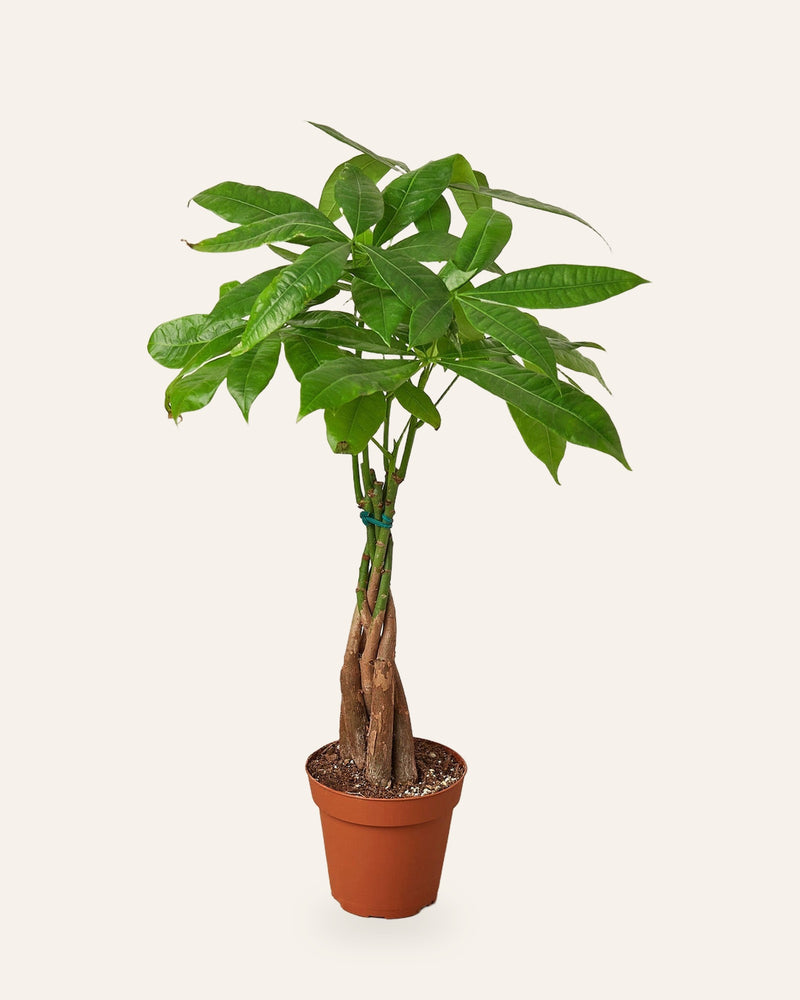
Money Tree
Pachira aquaticaPot fit: 4" or 6" nursery potWater when the top 1 to 2 inches of soil feel dry
from $30.99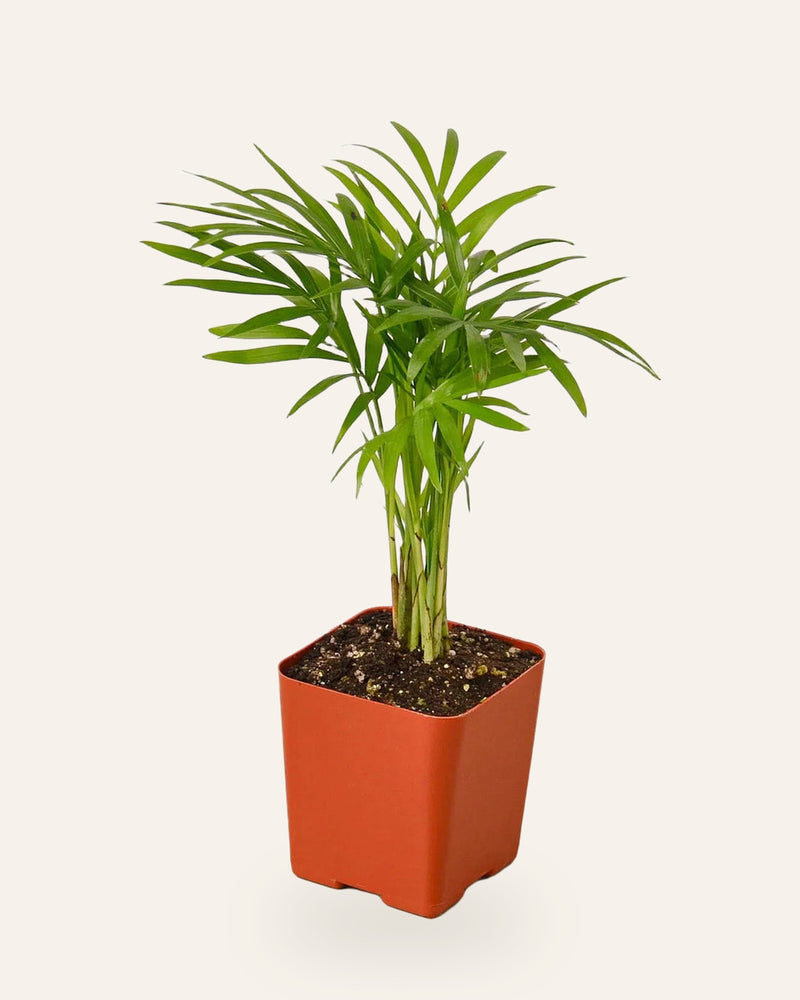
Parlor Palm
Chamaedorea elegansPot fit: 3", 4" or 6" nursery potWater when the top 1 to 2 inches of potting mix feel dry
from $21.99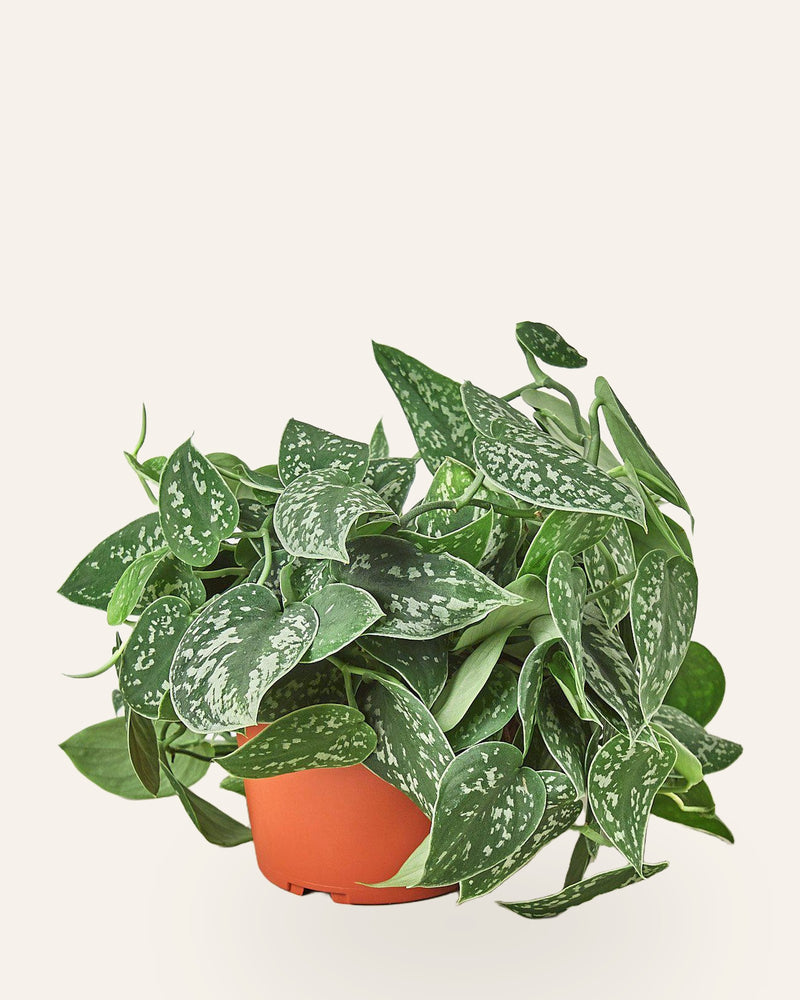
Satin Pothos
Scindapsus pictusPot fit: 4" or 6" nursery potWater after the top 1 to 2 inches of soil have dried
from $28.99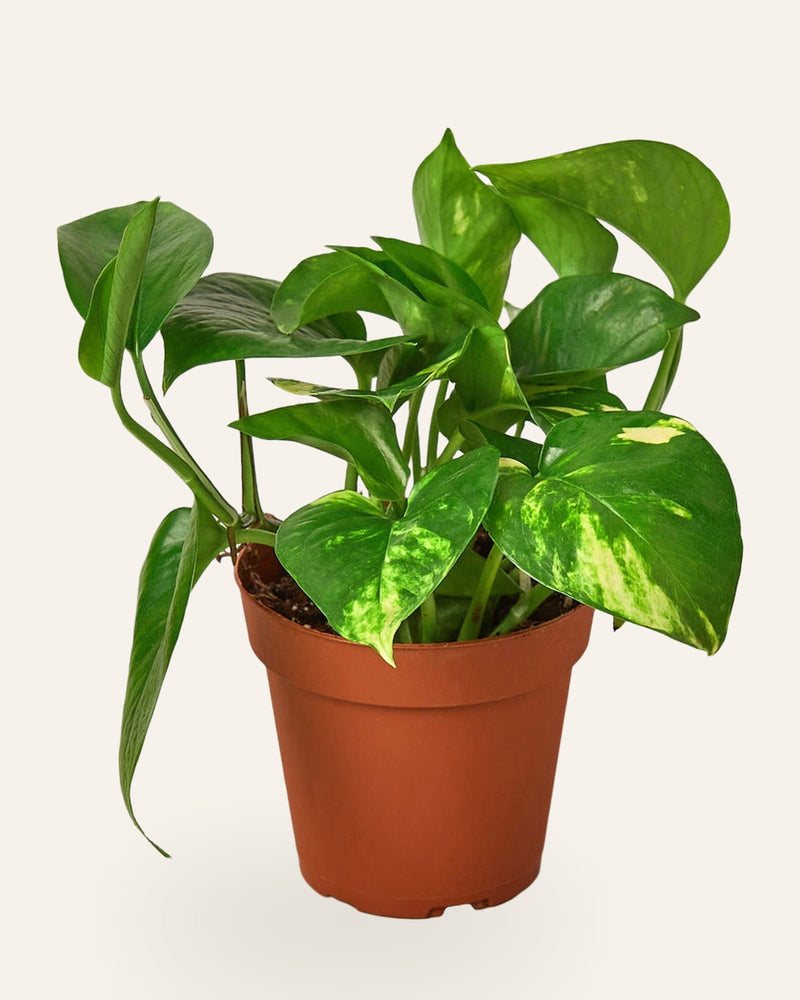
Golden Pothos
Epipremnum aureumPot fit: 4" or 6" nursery potWater when the top 2 inches of soil are dry, then drain fully
from $25.99Keep going with the care library
Care pages by plant, plus the watering and light calculators and the plant doctor.
More from the Journal
All Journal articles
Philodendron Congo Care: Light, Water and Fixes for Leaf Problems
How to care for Philodendron Congo: light, watering, soil, repotting and propagation, plus fixes for yellow, brown or droo...

Begonia Care Guide: Light, Water and Dark-Leaf Varieties
Care for indoor begonias including Begonia 'Black Magic' with practical advice on indirect light, watering, humidity, and ...

Homalomena Care Guide: Light, Water and Camouflage Foliage
Learn how to grow Homalomena indoors, including Homalomena 'Camouflage', with tips on medium light, steady moisture, and h...