How to Take Care of an Orchid Plant (Moth Orchid Guide)
Short answer: Put your orchid in bright, filtered light, such as an east window. Water it about once a week, let the water run...

At a glance
Short answer: Put your orchid in bright, filtered light, such as an east window. Water it about once a week, let the water run through the pot, and drain it fully so the roots never sit wet. Feed it lightly, and repot it about every two years after the flowers fade. This guide covers the moth orchid, Phalaenopsis, the most common orchid in homes.
Orchids have a reputation as fussy, but moth orchids are among the easiest orchids to keep. They grow on trees in the wild, so their roots want air as much as water. Once you understand that, most of the rules make sense.
Orchid care at a glance
Shop orchids and flowering plants
Our moth orchid
 Orchid 'White Phalaenopsis'
Plants from this guide at Palma

Orchid 'White Phalaenopsis'
A white moth orchid, the type this guide covers, with care and bloom questions answered on its page.
Light
Moth orchids like gentler light than many flowering plants. North Carolina State Extension says they prefer low light, with an east windowsill as the best indoor spot and well-shaded west and south windowsills also working.
In practice, bright light with no harsh midday sun is the target. A sheer curtain over a south window does the job. Leaves that look dark green and floppy often mean too little light. Leaves that look yellow or bleached, or develop tan patches, mean too much.

How to water an orchid
Most orchids that fail do so from too much water, not too little. Here is the method:
- Water in the morning with tepid water. NC State Extension recommends running it through the medium and foliage in a sink.
- Let it drain fully. The same source stresses draining so roots do not sit in water.
- Let the mix dry partway before the next watering. Extension guidance says mature plants need water once weekly, or more often in the heat of summer.
- Keep water out of the crown where the leaves meet. Blot it with a paper towel if water collects.
Many orchids come in a clear plastic pot inside a decorative one. The clear pot lets you see the roots. Silvery roots are thirsty. Plump, green roots are well watered. Take the inner pot out to water and let it drip before it goes back.
Avoid the ice cube method. It is popular, but cold at the roots is hard on a tropical plant, and a proper drink works better.
Humidity and temperature
Moth orchids like warmth and humidity. NC State Extension describes their preference as low light, warm temperatures and high humidity, and notes they are not winter hardy there, so they live indoors.
Keep the plant away from cold drafts and heating vents. A small humidifier or a tray of pebbles with water, with the pot sitting above the water, can help in dry winter air. Grouping plants together helps too.

The right potting mix
Orchids do not grow in regular potting soil. They need a chunky, bark-based mix that lets air reach the roots. NC State Extension recommends a bark-based medium for excellent drainage. It also warns that pure sphagnum moss is hard to rewet, so plants in moss should be repotted into bark-based orchid medium.
Some orchids come from the grower packed tightly in moss. If yours looks soggy or smells sour, repotting into bark is the best fix.
How to feed an orchid
Feed lightly and regularly. NC State Extension suggests a balanced fertilizer, either twice a month at half strength or weekly at quarter strength. Water the plant first, then feed, so that fertilizer does not burn dry roots. Every few weeks, flush the pot with plain water to rinse out leftover salts.

How to repot an orchid
Repot about every two years. NC State Extension puts it at roughly every two years, after the blooms have faded or as new leaves begin to appear.
- Slide the plant out and shake off the old mix.
- Trim dead roots. Cut away any that are brown, mushy or papery with clean scissors. Healthy roots are firm.
- Set the plant in a pot only slightly larger, with drainage holes, and work fresh bark mix between the roots.
- Hold the plant steady so it sits at the same height as before. Do not bury the base of the leaves.
- Wait a few days before the first watering, then return to your normal schedule.
Caring for an orchid after the flowers fall
When the last bloom drops, the plant is not dead. It is resting. Keep up the light and the regular watering. Many moth orchids flower again from the same stem if you cut it back to just above a node, or from a new stem the plant sends up. Patience matters here, because a rebloom can take months.

Common orchid problems
- Wrinkled, limp leaves: usually thirsty roots, or roots that have rotted and cannot drink. Check the roots to see which.
- Yellow lower leaf: one old leaf yellowing now and then is normal. Several at once points to overwatering.
- Flower buds drop before opening: often a sudden change in light, temperature or a drafty spot.
- Roots growing out of the pot: normal. These are aerial roots, so leave them alone.
- Cottony white spots: mealybugs. Dab them with a cotton swab dipped in rubbing alcohol.
A note for pet owners
ASPCA lists the phalaenopsis orchid (Phalaenopsis sp.) as non-toxic to dogs and cats. That does not make it a snack. Any plant can upset a pet that chews it, so keep it out of reach of curious animals.
FAQ
How do you care for an orchid plant?
Give it bright, filtered light, such as an east window. Water about once a week with tepid water, drain it fully and let the mix dry partway between waterings. Use a bark-based orchid mix, feed it lightly, and keep it warm and out of cold drafts.
How do you repot an orchid?
Repot roughly every two years, after the flowers fade or as new leaves start to appear. Remove old mix, trim dead roots, and set the plant in fresh bark-based orchid medium in a pot with drainage holes. Wait a few days before watering.
How do you care for an orchid as a house plant?
Treat it as a warm, humid, bright indoor plant. Choose a spot with gentle light, water so the roots never sit wet, and use orchid mix instead of soil. A moth orchid is a good fit for most homes, because it handles the light and temperatures people already live in.
Nick Alan is the founder of Palma and has grown plants for 25+ years. He writes the shop's care guides and built the watering, soil and light tools.
View author profilePlants to grow next
Easy-care plants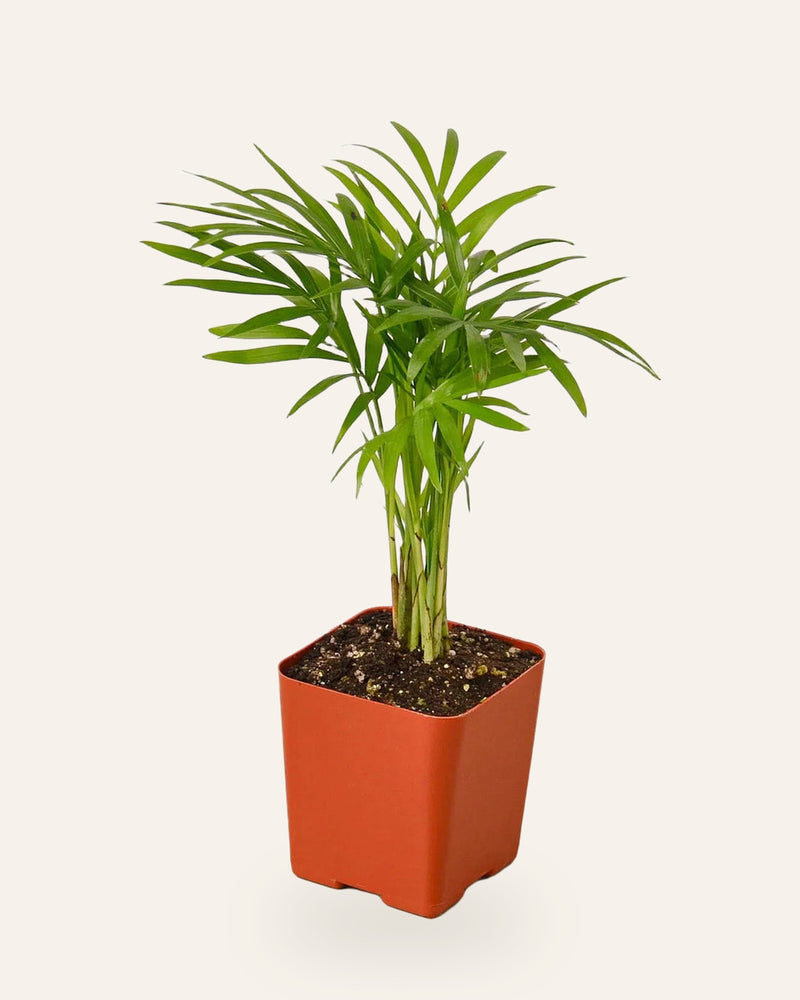
Parlor Palm
Chamaedorea elegansPot fit: 3", 4" or 6" nursery potWater when the top 1 to 2 inches of potting mix feel dry
from $21.99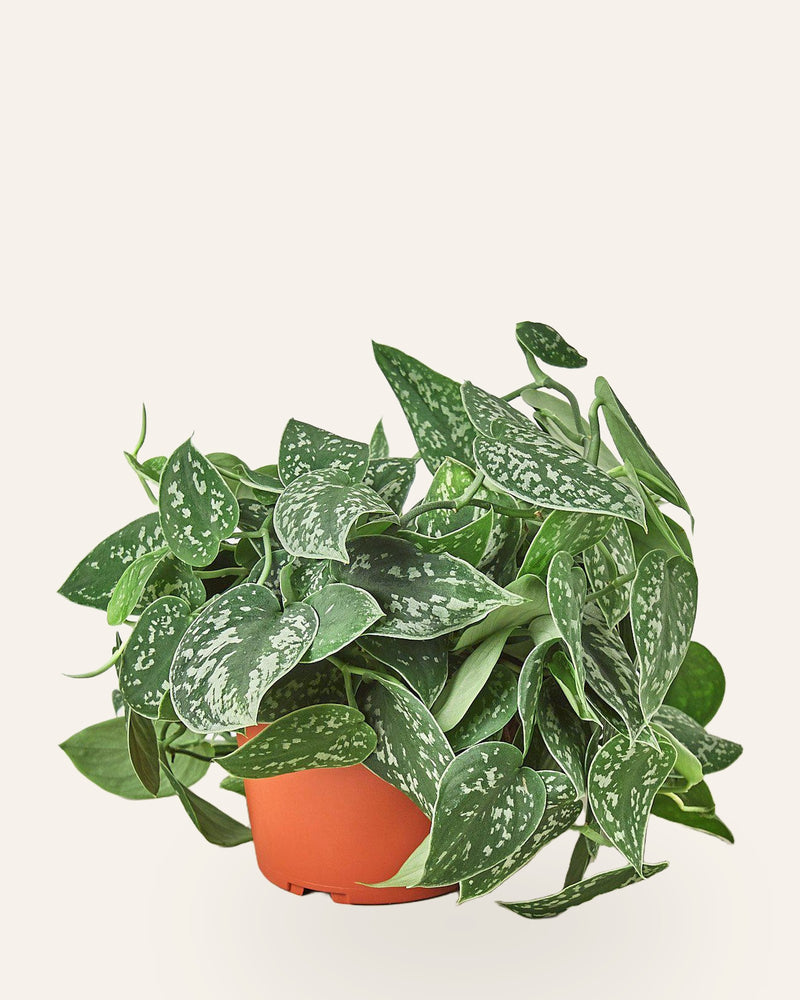
Satin Pothos
Scindapsus pictusPot fit: 4" or 6" nursery potWater after the top 1 to 2 inches of soil have dried
from $28.99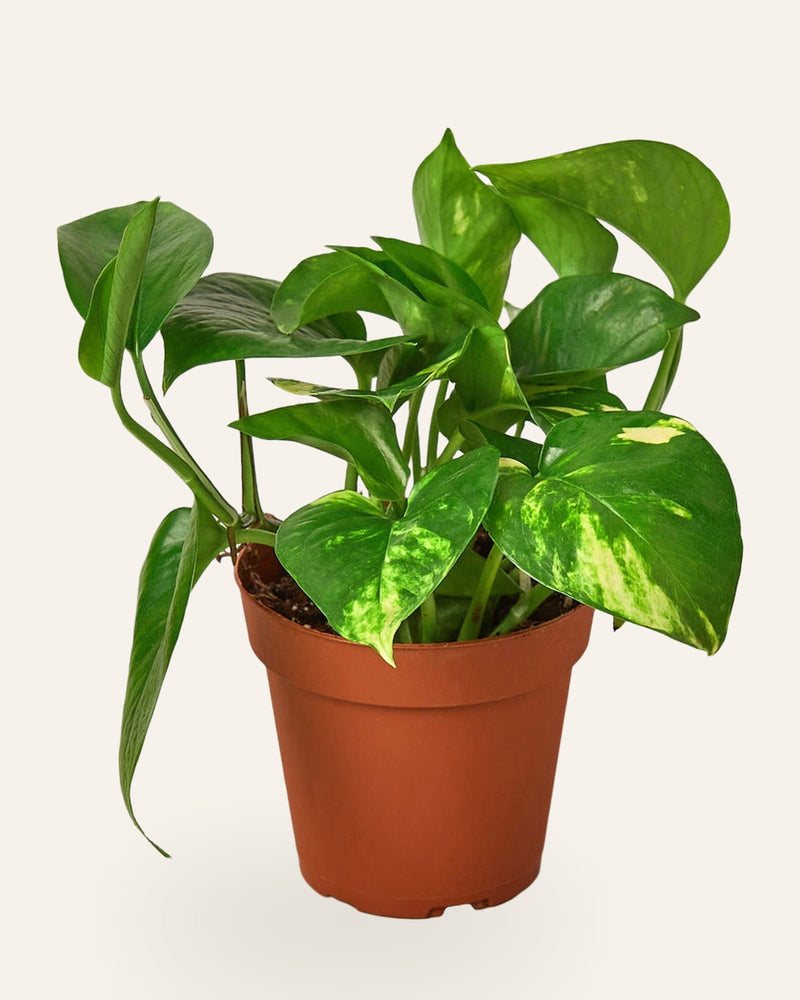
Golden Pothos
Epipremnum aureumPot fit: 4" or 6" nursery potWater when the top 2 inches of soil are dry, then drain fully
from $25.99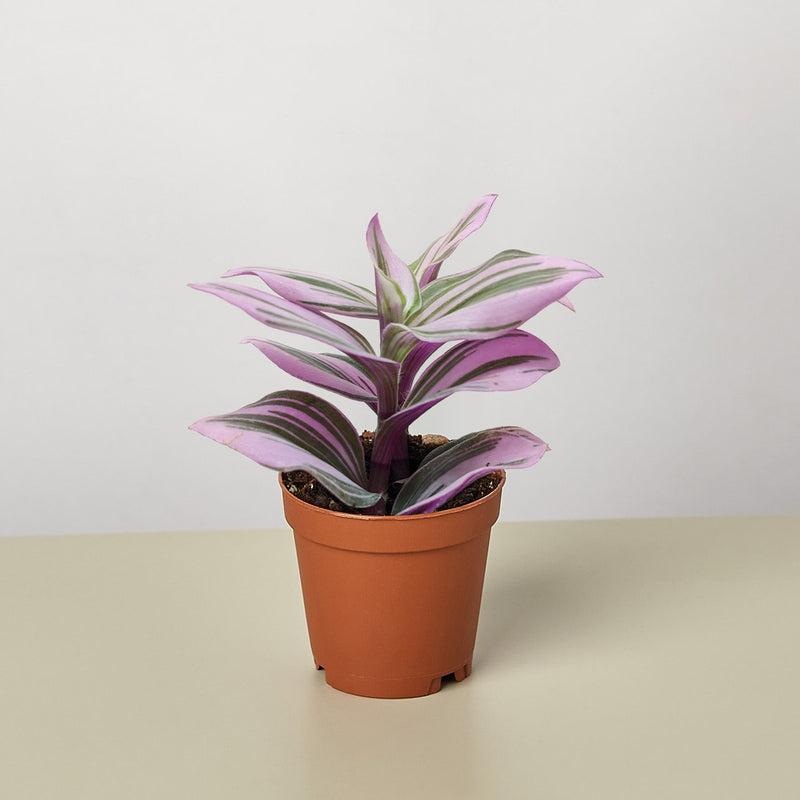
Tradescantia 'Nanouk'
Tradescantia albiflora 'Nanouk'Pot fit: 4" or 6" nursery potwhen the top inch of soil is dry
from $31.99Keep going with the care library
Care pages by plant, plus the watering and light calculators and the plant doctor.
More from the Journal
All Journal articles
Philodendron Congo Care: Light, Water and Fixes for Leaf Problems
How to care for Philodendron Congo: light, watering, soil, repotting and propagation, plus fixes for yellow, brown or droo...

Begonia Care Guide: Light, Water and Dark-Leaf Varieties
Care for indoor begonias including Begonia 'Black Magic' with practical advice on indirect light, watering, humidity, and ...

Homalomena Care Guide: Light, Water and Camouflage Foliage
Learn how to grow Homalomena indoors, including Homalomena 'Camouflage', with tips on medium light, steady moisture, and h...