Best Plants for North-Facing Windows: What Actually Works
Compare Parlor Palm, ZZ Plant and Golden Pothos for north-facing windows, with practical light checks and watering decisions.

At a glance
Parlor Palm, ZZ Plant and Golden Pothos can be good candidates for a north-facing window in a US home. Choose between their upright, arching and trailing forms, then check the light at the actual plant position. A shaded window and an open north window can give very different growing conditions.
Table of Contents
- Understanding Light Conditions
- Comparing Top North Facing Window Plants
- Signs of Inadequate Light
- Frequently Asked Questions
- Choose a plant for your spot
Understanding Light Conditions
Window direction is only a starting point. The presence of trees or buildings outside, window treatments like curtains, and even seasonal changes change how much light reaches the leaves. Light also falls as you move away from the window. These factors mean that two plants placed in different parts of the same room can experience vastly different lighting conditions.
Use Palma Botanical Co.'s Houseplant Light Calculator to estimate the light level in your home, though it is important to remember it's just a guideline and not a precise measurement.
Comparing Top North Facing Window Plants
Parlor Palm

- Placement: Choose a position with usable indirect light, checking obstructions and curtains. A fixed distance cannot tell you whether this particular window is bright enough.
- Growth Habit: Slow-growing, with an elegant arching form that can reach up to 4 feet.
- Watering: Let the potting mix dry slightly between waterings, then water and drain. Recheck moisture rather than following a weekly interval.
- Tradeoffs: It tolerates lower light, but needs enough light to sustain growth. Avoid treating shade tolerance as a reason to put it in a dark room.
For more details, check out the Parlor Palm on Palma Plants.
ZZ Plant

- Placement: Assess the intended spot rather than the room as a whole. Avoid a dim position far from the window unless suitable grow lighting is provided.
- Growth Habit: Vertical, with thick stems and waxy leaves that make it highly drought-resistant.
- Watering: Let the potting mix dry throughout before watering again. A dry surface can hide moisture deeper in the pot.
- Tradeoffs: Low-light doesn't mean no light; this plant still needs indirect sunlight to really flourish.
Discover more about the ZZ Plant on Palma Plants.
Golden Pothos

- Placement: Place where the leaves receive indirect light, with room to trail or climb. Check the light at a hanging basket's height rather than assuming it matches a nearby table.
- Growth Habit: Fast-growing vine, with cascading green and yellow leaves.
- Watering: Check the potting mix before watering; let it dry between drinks and remove standing water from the outer pot. Drying time depends on the whole setup.
- Tradeoffs: A tolerant vine, but weak light can mean slower or stretched growth. Choose it for its trailing habit rather than expecting it to fill a dark corner.
Explore the Golden Pothos on Palma Plants.
Signs of Inadequate Light
If you notice long, leggy growth, loss of leaf color, or slow overall growth, your plant may not be receiving enough light. In that case, consider repositioning closer to a window or adding a grow light to supplement lighting.
Frequently Asked Questions
Can these plants tolerate complete darkness?
No plant can truly thrive in total darkness. They all need some form of light to photosynthesize and grow effectively.
What do I do if my plant shows signs of low light?
Try moving it a bit closer to the window or adjust it to a brighter spot. Using a grow light can also provide necessary supplementation, especially during the darker winter months.
Are these plants pet-safe?
The ASPCA lists Chamaedorea elegans as non-toxic to cats and dogs and Golden Pothos as toxic to them. Do not assume ZZ is a pet-safe substitute. Check Palma’s pet-safety checker and its source notes. Non-toxic does not mean edible.
Enhancing Your Space
Choose Parlor Palm for arching fronds, ZZ for upright stems or Golden Pothos for a trailing vine. Each still needs usable light and a watering routine based on how its pot dries.
Compare the linked plant listings above, then check the intended position before ordering.
Check the spot before buying
- Look through the window for trees, an overhang or a neighboring building that blocks the sky.
- Check morning, midday and afternoon with curtains in their usual position. Assess the plant spot, not just the glass.
- Watch the plant’s response after placement. Slower growth alone can reflect season; stretching and persistent decline deserve a closer look at light, roots and watering.
- If the window cannot provide enough light, add suitable grow lighting or choose another position.
University of Minnesota Extension explains how window exposure and lighting affect indoor plants. NC State’s Parlor Palm profile supports well-drained soil and slight drying between waterings.
Nick Alan is the founder of Palma and has grown plants for 25+ years. He writes the shop's care guides and built the watering, soil and light tools.
View author profilePlants to grow next
Easy-care plants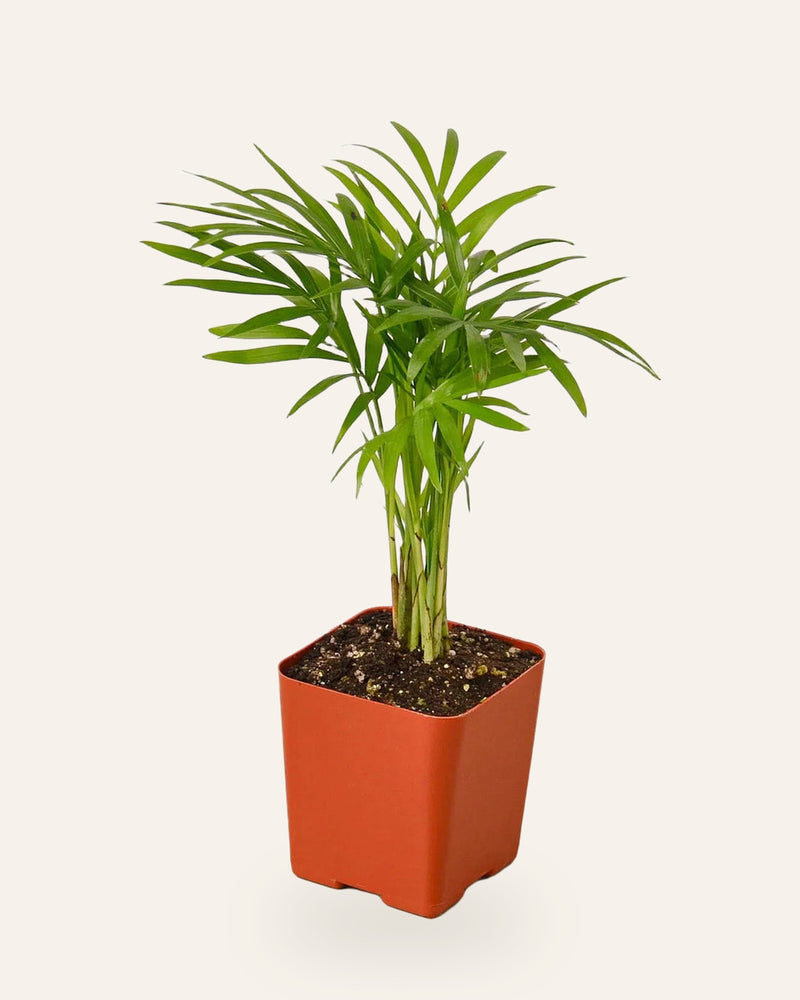
Parlor Palm
Chamaedorea elegansPot fit: 3", 4" or 6" nursery potWater when the top 1 to 2 inches of potting mix feel dry
from $21.99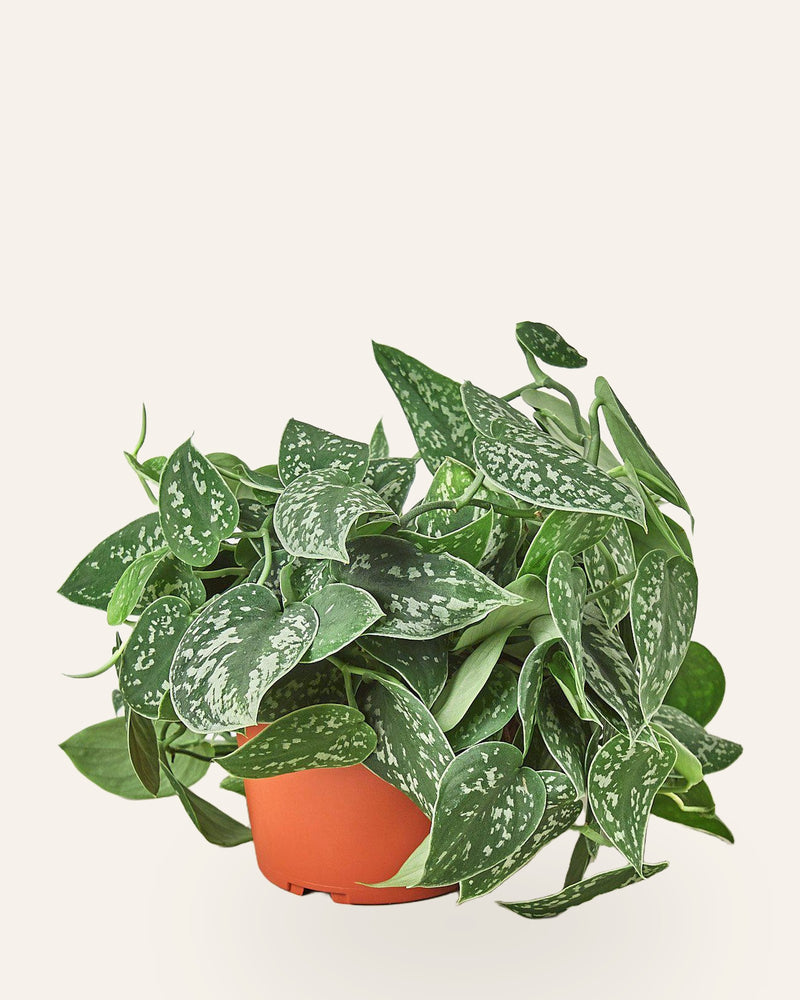
Satin Pothos
Scindapsus pictusPot fit: 4" or 6" nursery potWater after the top 1 to 2 inches of soil have dried
from $28.99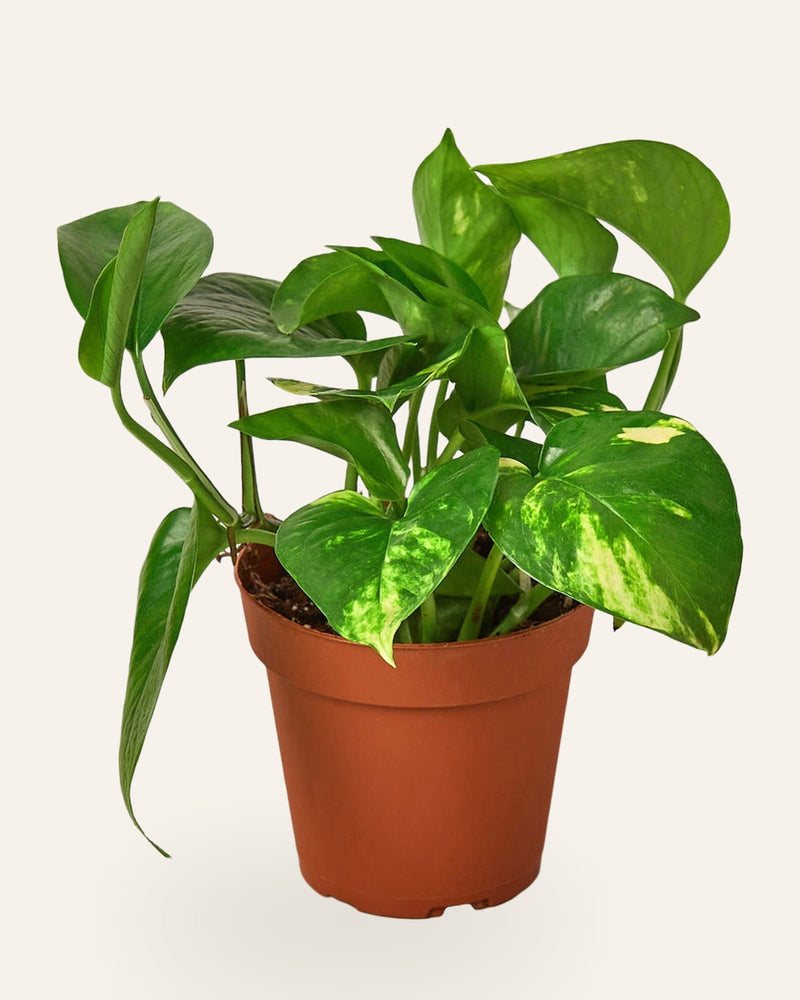
Golden Pothos
Epipremnum aureumPot fit: 4" or 6" nursery potWater when the top 2 inches of soil are dry, then drain fully
from $25.99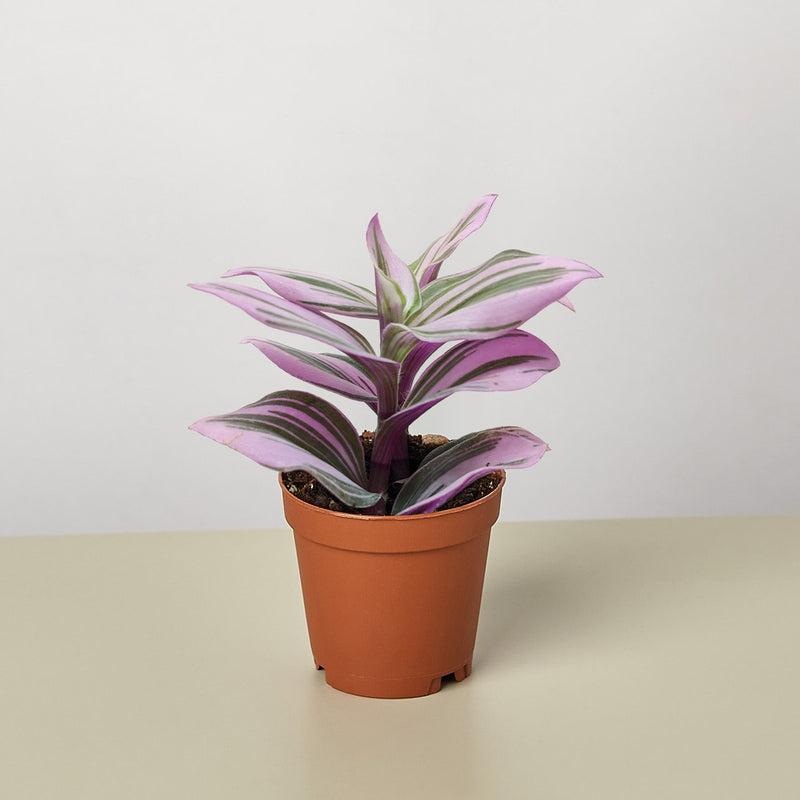
Tradescantia 'Nanouk'
Tradescantia albiflora 'Nanouk'Pot fit: 4" or 6" nursery potwhen the top inch of soil is dry
from $31.99Keep going with the care library
Care pages by plant, plus the watering and light calculators and the plant doctor.
More from the Journal
All Journal articles
Best Plant Gifts for Christmas and Housewarmings
Compare Golden Pothos, Parlor Palm and Hoya Heart by light, care, space and pet considerations to choose a Christmas or ho...

Philodendron Congo Care: Light, Water and Fixes for Leaf Problems
How to care for Philodendron Congo: light, watering, soil, repotting and propagation, plus fixes for yellow, brown or droo...

Begonia Care Guide: Light, Water and Dark-Leaf Varieties
Care for indoor begonias including Begonia 'Black Magic' with practical advice on indirect light, watering, humidity, and ...