
Alocasia 'Hilo Beauty'
Caladium praetermissum 'Hilo Beauty'
$34.99
Free shipping on live plants. Shipping details · Claim window
Pet safety: Genus-level only: ASPCA lists Alocasia and Caladium species as toxic to dogs, cats, and horses (insoluble calcium oxalates). Check pet guidance
About this plant
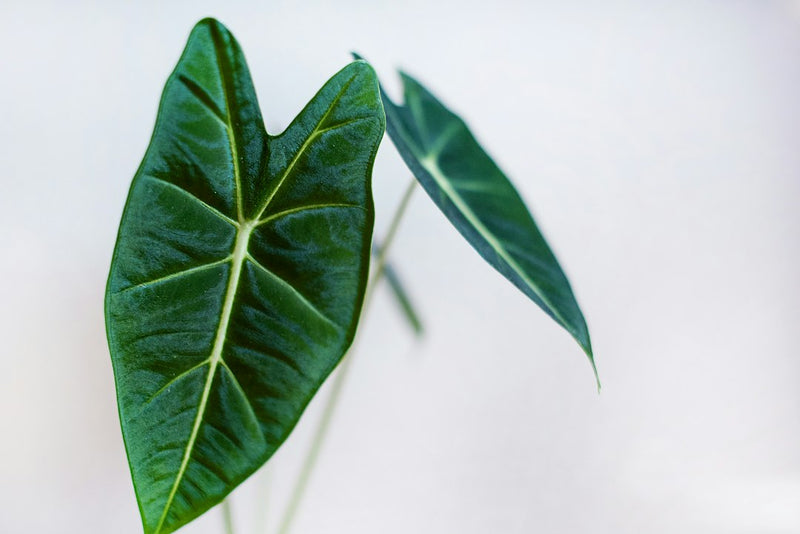
Alocasia Care Guide: Light, Water, Humidity and Winter Dormancy
Care notes by Nick AlanWidely sold as Alocasia 'Hilo Beauty' and botanically classified as Caladium praetermissum, this compact collector aroid showcases broad green leaves splashed with irregular cream, chartreuse, and olive camouflage markings. Unlike drier-leaning alocasias, it prefers steady, airy moisture during warm active growth.
Read moreShow less
Quick facts
- Botanical name: Caladium praetermissum 'Hilo Beauty'
- Light: Medium to bright indirect light
- Water: When the soil surface begins to dry
- Pets: Genus-level ASPCA toxic to dogs, cats, and horses
- Pot sizes: 4-inch and 6-inch nursery pots
- Shipping: Free shipping on live plants in the 48 contiguous states.
Grows well alongside
Alocasia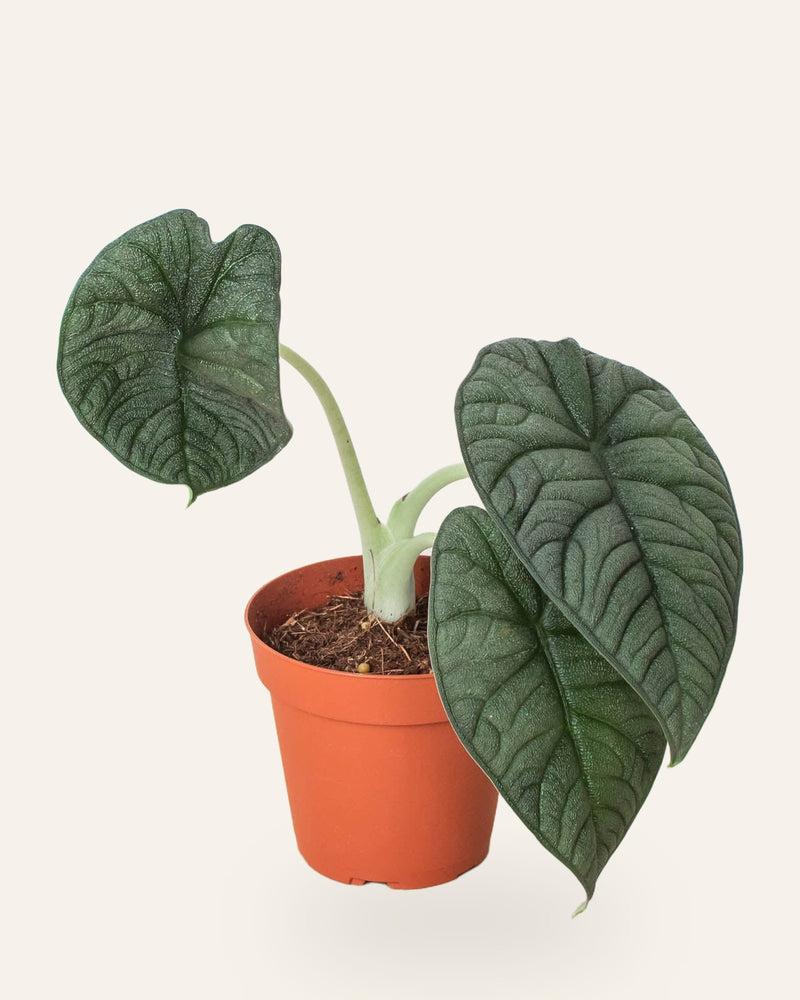
Alocasia melo
Pot fit: 4" nursery pot $36.99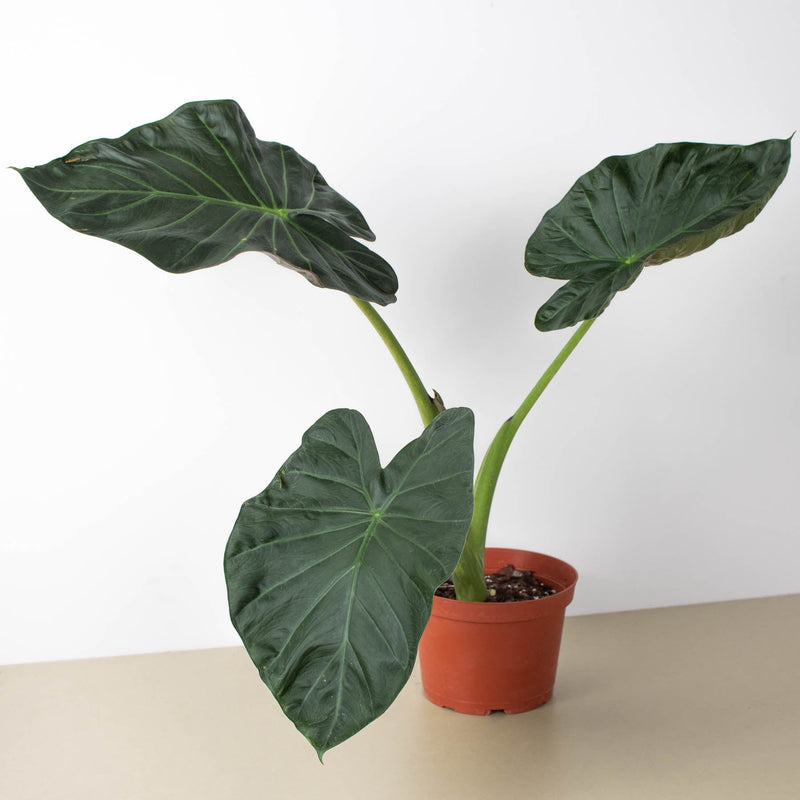
Alocasia 'Regal Shields'
Alocasia 'Regal Shields'Pot fit: 4" or 6" nursery pot from $32.99
Alocasia amazonica 'Bambino', 4" Pot
Toxic to cats and dogs $29.99
Alocasia 'Tiny Dancer'
Alocasia 'Tiny Dancer'Pot fit: 4-inch and 6-inch nursery potskeep the soil evenly moist, not soggy
from $30.99Sold outCare guides from the Journal
All articles
Questions people ask
Is Alocasia 'Hilo Beauty' actually a Caladium?
Yes. Botanically it is classified as Caladium praetermissum, though it is still widely sold under the trade name Alocasia 'Hilo Beauty'.
Is Hilo Beauty toxic to pets?
Yes. Both Alocasia and Caladium species contain insoluble calcium oxalate crystals and are toxic to cats and dogs if chewed.
People also ask
Does Alocasia Hilo Beauty go dormant in winter?
If kept warm and bright it often stays evergreen, though cooler temperatures and shorter days can slow growth or cause foliage to die back temporarily.
Why are the light patches on my Hilo Beauty getting darker?
Some pale markings naturally darken as individual leaves mature; check your newest leaves before assuming it needs stronger light.